
To stop a treadmill belt from squeaking in an HDB flat, you must apply a 100% silicone lubricant directly between the running belt and the deck. In high-density housing like Singapore’s HDB estates, even minor mechanical friction can amplify into a high-pitched squeak or low-frequency vibration that travels through concrete floors, quickly disturbing your neighbors downstairs and next door. Regular lubrication reduces this friction, quietens your workouts, and protects the motor from overheating. By following a systematic approach—isolating the noise, preparing the right tools, loosening the belt, applying the silicone evenly, and re-tensioning the belt—you can restore quiet operation to your home gym without damaging your equipment.
Identify the Source of the Squeak Before Lubricating
Before reaching for any lubricant, it is essential to confirm that the squeak is actually caused by friction between the belt and the deck. Not all treadmill noises stem from a dry deck, and applying silicone to the wrong component can cause damage or fail to resolve the issue.
Begin by performing a visual and auditory inspection. Turn on the treadmill and let it run at a slow speed of about 2 to 3 km/h without standing on it. Stand beside the machine and listen closely. A dry belt rubbing against the deck typically produces a continuous, low-pitched squeaking, swishing, or rubbing sound that intensifies when you step onto the belt.
Products mentioned in this guide
![[SG FREE ] Sports Goods 30ml Treadmill Belt Lubricant Running Lubricating Oil](https://img.lazcdn.com/g/p/375007d271a90779af88c71dbb1a7113.jpg_400x400q80.jpg_.webp)
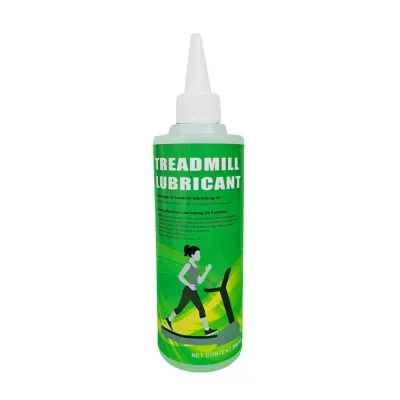
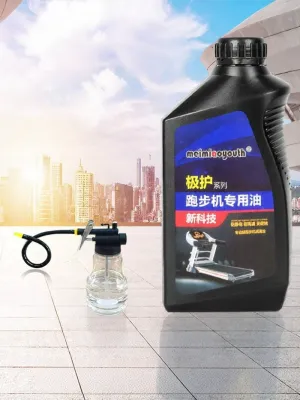


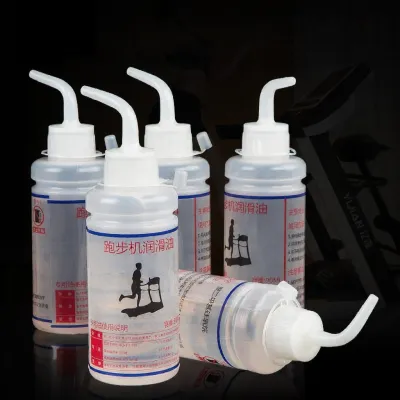
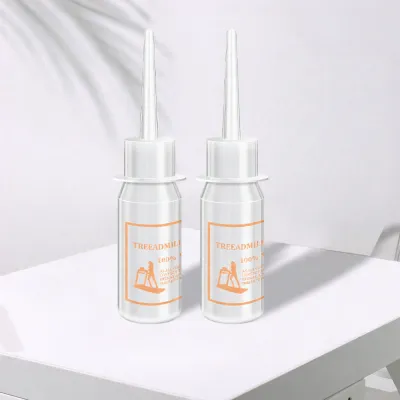
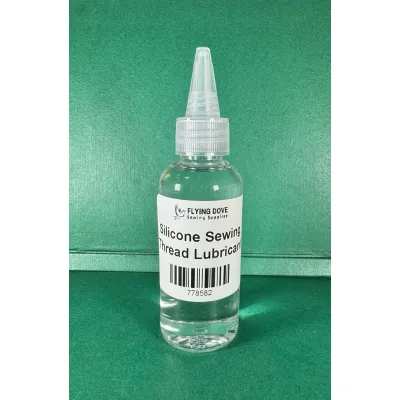
Prices are valid at publication and may change. Please refer to the product page for the latest price.
In contrast, a sharp, rhythmic clicking or metallic grinding sound often points to worn bearings in the front or rear rollers. If the squeak only occurs when you take a step, it might be a loose frame bolt, a worn shock absorber, or a squeaky leveling foot rubbing against your floor mat.
There are several conditions where lubrication will not solve the noise. If the running belt is severely worn, frayed at the edges, or has lost its structural elasticity, it must be replaced rather than lubricated. Similarly, if the rollers are misaligned, the belt will drift to one side and rub against the side rails, producing a loud scraping noise. A warped or cracked running deck also cannot be fixed with silicone; such structural damage requires a deck replacement.
Know when to stop your DIY efforts. If you hear a loud squealing or buzzing sound coming directly from the motor housing, or if you smell burning plastic or electronics, immediately turn off and unplug the machine. These are clear stop conditions indicating motor brush wear, control board failure, or drive belt slippage. In these scenarios, or if you find physical cracks in the deck, halt your work and consult a qualified fitness equipment technician or the manufacturer’s service center.
Choose the Correct Treadmill Lubricant and Tools
Using the correct lubricant is critical to preserving the life of your treadmill. You must use 100% silicone-based treadmill lubricant. Never use household oils, automotive lubricants, WD-40, vegetable oils, or petroleum-based sprays. Petroleum-based products will degrade the rubber and synthetic compounds of the running belt, causing it to stretch, slip, or disintegrate. They can also break down the low-friction wax coating present on many modern treadmill decks, permanently ruining the machine and voiding your manufacturer’s warranty.

Always consult your owner’s manual before purchasing a lubricant. Some brands require specific viscosity levels, while others pre-treat their decks with a proprietary dry wax and explicitly forbid the use of liquid silicone. Verifying these requirements ensures you do not inadvertently damage the drive system or void any active warranty coverage.
To perform the job cleanly and efficiently, gather the necessary tools beforehand. You will need the appropriate Allen wrench (hex key) that came with your treadmill, which is typically used to adjust the rear roller bolts. If you no longer have the original tool, a standard metric or imperial hex key set will suffice.
You also need a clean, lint-free microfiber cloth to wipe away dust and excess oil, and a lubricant bottle equipped with a long, flexible applicator tube or nozzle. This applicator is essential for reaching the center of the deck without having to completely disassemble the machine.
Step-by-Step Guide to Applying Treadmill Lubricant
Proper application requires patience and precision to avoid making a mess on your HDB floor.
First, prioritize safety. Turn off the treadmill’s power switch and completely unplug the power cord from the wall outlet. This eliminates any risk of the machine accidentally starting while your hands are underneath the belt. Clear the surrounding floor space, and consider placing an old towel or a protective plastic sheet under the treadmill to catch any accidental drips.
Next, prepare the belt for lubrication. While some flexible belts can be lifted slightly by hand without adjustment, it is usually necessary to loosen the belt to ensure even coverage. Locate the two adjustment bolts at the rear of the treadmill, near the rear roller.
Using your Allen wrench, turn both the left and right bolts counterclockwise by an equal number of turns—typically 3 to 5 full rotations. Keep track of the exact number of turns so you can restore the correct tension later. Loosening these bolts slackens the belt, allowing you to easily lift the edge of the belt about 10 to 15 centimeters off the deck.
Now, apply the lubricant. Slide the long applicator tube of your silicone bottle under the lifted belt, aiming as close to the center of the deck as possible. Begin applying the lubricant in a steady stream while slowly drawing the tube outward toward the edge. Repeat this process on the opposite side of the treadmill.
The goal is to apply the silicone in a vertical “S” or zig-zag pattern down the middle third of the deck, where your feet make the most contact. Avoid applying lubricant near the very edges of the belt, as this will simply squeeze out and create a mess. Most manufacturers recommend using about 20 to 30 milliliters of silicone per application; check your product label or manual to verify the exact volume.
Once the lubricant is applied, you must re-center and tighten the belt. Turn the rear roller bolts clockwise by the exact same number of turns you used to loosen them.
To check for proper tension, slide your hand under the middle of the belt; you should be able to lift the edge of the belt about 5 to 7 centimeters off the deck. If the belt is too loose, it will slip when you run; if it is too tight, it will put excessive strain on the motor and rollers. Ensure the belt is centered between the side rails by checking that the gaps on both sides are equal.
Test the Treadmill and Break In the Lubricant
With the lubricant applied and the belt tensioned, you must now distribute the silicone evenly across the deck surface.
Plug the power cord back into the wall outlet and turn on the treadmill. Do not step onto the belt yet. Set the speed to a slow walking pace, around 2 to 3 km/h. Let the treadmill run empty for about 3 to 5 minutes. This initial motion allows the belt to carry the silicone across the entire deck, spreading the concentrated lines of lubricant into a thin, uniform film.
While the treadmill is running, stand behind it and observe the belt’s tracking. Ensure it remains perfectly centered and does not drift to the left or right. If you notice the belt drifting, immediately stop the machine and adjust the rear roller bolts according to your manual’s alignment instructions. Listen carefully to see if the squeaking noise has subsided.
After the empty run, step onto the treadmill and walk at a slow pace for another 2 to 3 minutes. Your body weight helps press the belt against the deck, ensuring complete coverage in the high-impact foot-strike zone.
Once finished, turn off the machine and inspect the sides. Use a clean microfiber cloth to wipe away any excess silicone that may have squeezed out from the edges of the belt onto the side rails or the frame. This prevents the lubricant from dripping onto your HDB floor or creating a dangerous slip hazard when you step off the machine.
Establish a Maintenance Routine to Prevent Future Noise
Maintaining a quiet treadmill in an HDB flat requires consistent, proactive care rather than waiting for a loud squeak to develop.
Establish a habit of performing a tactile check of your treadmill deck every month or after every 30 hours of use. To do this, unplug the machine, slide your hand under the center of the belt, and feel the surface of the deck. If it feels slick and waxy, there is still sufficient lubrication. If it feels completely dry, rough, or dusty, it is time to reapply silicone.
Keep an eye out for other physical indicators. If you notice the motor housing feels unusually hot after a run, or if you experience a slight lag or hesitation in the belt’s movement when your foot strikes, these are signs of high friction that require immediate lubrication.
Dust, lint, pet hair, and sweat are the primary enemies of treadmill lubricant. In Singapore’s humid environment, airborne dust can easily mix with sweat and silicone, forming a sticky paste that increases friction instead of reducing it.
Keep your treadmill clean by wiping down the exposed deck and belt edges with a dry microfiber cloth after every workout. Vacuum around and underneath the treadmill weekly to prevent floor dust from being sucked into the motor cover or under the belt.
Frequently Asked Questions (FAQ)
Can I use baby oil or WD-40 if I run out of silicone lubricant?
No, you should never use baby oil, WD-40, or any other household oils on your treadmill. WD-40 is a penetrating solvent and rust preventative, not a long-term lubricant; it will quickly evaporate and dry out the belt. Baby oil and other mineral or vegetable oils contain organic compounds and petroleum distillates that actively break down the rubber, synthetic polymers, and glue holding the treadmill belt together. Using these improper substances can cause the belt to stretch, warp, or slip off the rollers, creating a safety hazard and permanently damaging the low-friction deck coating. If you run out of proper lubricant, it is best to stop using the treadmill and wait until you can obtain a dedicated 100% silicone treadmill lubricant.
How often should I lubricate my treadmill in a humid climate like Singapore?
In Singapore’s warm and humid climate, the frequency of lubrication depends heavily on your usage patterns and the environment of your HDB flat. For light to moderate use (less than 3 hours per week), lubricating every 3 to 6 months is generally sufficient. If you use the treadmill heavily (more than 5 hours per week) or if multiple family members share the machine, you may need to lubricate it every 150 to 200 kilometers, or roughly every 2 to 3 months. High humidity can cause dust and sweat to accumulate more rapidly on the deck, which can degrade the lubricant faster. Rather than relying solely on a calendar schedule, perform a monthly tactile check by sliding your hand under the belt to feel for dryness, and always defer to the specific maintenance intervals outlined in your treadmill’s owner’s manual.
Community discussion
Share your experience or ask a question. Comments are reviewed before publication.