
Finding the right knee support is not about identifying a single, universally “best” brand. Instead, it requires matching a brand’s specific structural design, material technology, and protection level to the unique physical demands of your sport or activity. A runner navigating long distances in a warm, humid climate like Singapore requires a highly breathable, flexible sleeve to manage repetitive linear motion without chafing. Conversely, a basketball player or weightlifter requires structural lateral stability or heavy-duty compression to handle sudden pivots and high axial loads.
To make an informed decision, you must evaluate the structural categories of knee supports, align their features with your activity’s movement patterns, and systematically compare brand specifications. By focusing on objective criteria—such as fabric weave, fastening mechanisms, and sizing accuracy—you can select a support that enhances your comfort and stability without restricting necessary mobility.
Understanding Knee Support Structures and Protection Levels
Knee supports are generally categorized into four primary structural designs, each offering a distinct balance of joint stabilization and physical mobility. Understanding these categories is the first step in narrowing down your options, as different brands often specialize in specific structural types.
Products mentioned in this guide
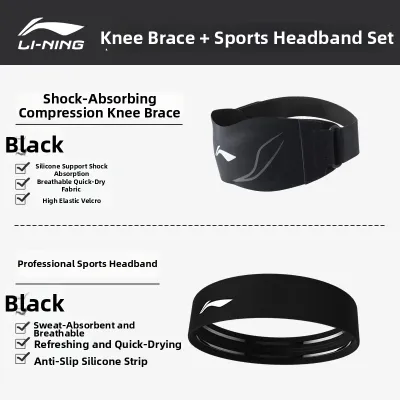
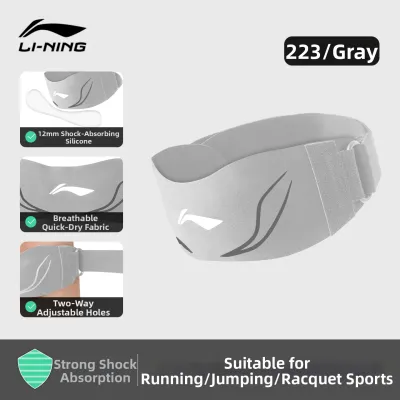
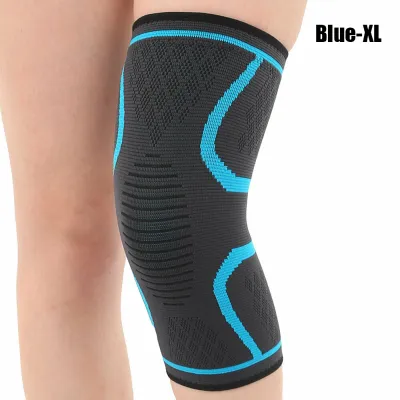
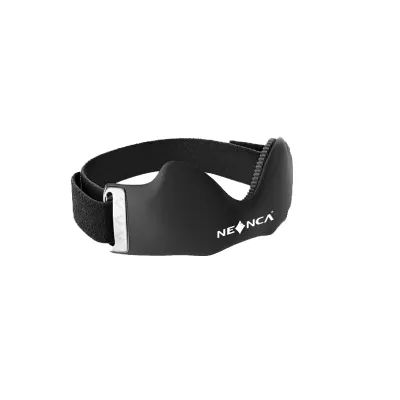
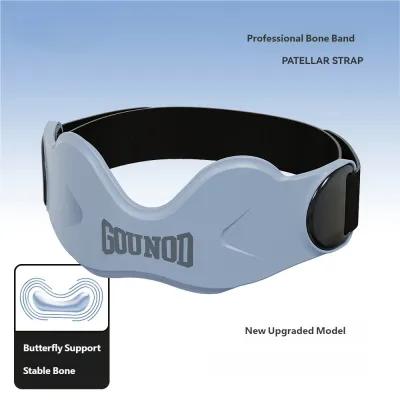
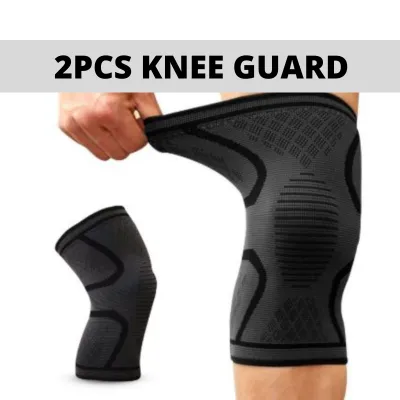
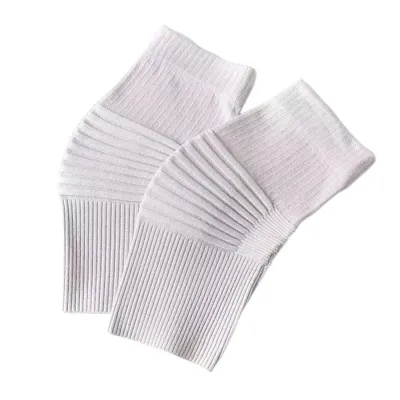
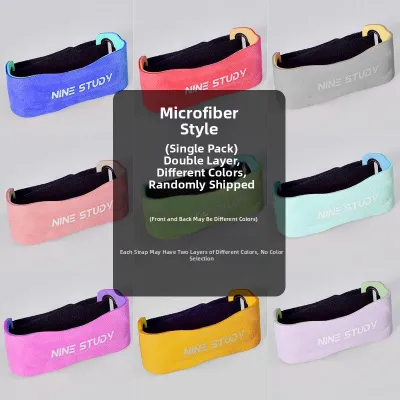
Prices are valid at publication and may change. Please refer to the product page for the latest price.
Compression sleeves are elastic or knitted tubes that slide over the joint. They provide mild support, localized warmth, and improved proprioception, which is your brain’s awareness of the joint’s position. Because they lack rigid structural elements, sleeves offer the highest level of mobility and are ideal for continuous, low-impact movements.
Wraparound braces typically feature adjustable Velcro straps and an open-patella design. They offer moderate support and allow you to customize the tension around your knee, making them highly adaptable for individuals dealing with minor joint instability or fluctuating swelling. Their open design also makes them easier to put on and take off without removing your footwear.
Patella straps are minimalist bands worn directly below the kneecap. They apply targeted pressure to the patellar tendon, helping to distribute forces away from the tendon insertion point. This design provides virtually no lateral or medial stability but is highly effective at managing localized stress during repetitive jumping or running movements.
Hinged braces represent the highest level of structural protection. They incorporate plastic or metal hinges along the sides of the knee to mechanically prevent lateral buckling and hyperextension. While hinged braces offer maximum joint stabilization, they are heavier and significantly restrict rapid, multi-directional agility.
When evaluating these structures, you must consider the inherent trade-off between stability and mobility. A highly rigid brace protects the joint from extreme forces but limits your range of motion and speed. Conversely, a lightweight sleeve preserves your natural movement but offers no protection against sudden lateral twists or high-impact collisions.
Before making a purchase, always check the manufacturer’s product labels and specifications. Reputable brands clearly state the intended protection level of each model, often using a scale from mild compression to maximum stabilization. Do not assume that all supports from a single brand offer the same level of joint protection.
Matching Knee Support Features to Your Specific Sport
Aligning a knee support’s features with the specific movement patterns of your sport is essential for both safety and performance. Different athletic activities subject the knee joint to vastly different physical forces and environmental conditions.

High-impact and court sports, such as basketball, tennis, and badminton, demand rapid acceleration, sudden deceleration, and frequent lateral pivoting. For these activities, look for knee supports that feature flexible lateral stabilizers, such as spiral steel side stays, which help absorb lateral shear forces. A built-in patellar gel ring is also highly beneficial, as it helps keep the kneecap centered during explosive, multi-directional movements.
Endurance and linear sports, such as running, cycling, and hiking, involve repetitive, single-plane movements over extended periods. In warm or humid climates, heat and sweat accumulation can quickly lead to skin irritation and brace slippage. Prioritize lightweight, circular-knit fabrics or moisture-wicking synthetic blends that promote airflow.
Additionally, ensure the support features non-slip silicone wave strips along the inner top cuff. These strips keep the sleeve securely in place over thousands of repetitive strides, preventing the need for constant manual adjustments during your workout. Avoid thick, non-breathable materials for long-distance endurance activities to minimize the risk of heat rash.
Heavy load and strength sports, such as weightlifting, powerlifting, and functional fitness training, subject the knee joint to extreme axial loading and deep flexion. For these movements, prioritize thick neoprene sleeves (typically 5mm to 7mm in thickness) or heavy-duty elastic wraps. These materials provide intense compression, joint warmth, and mechanical rebound assistance at the bottom of a deep squat.
When selecting a support for strength training, verify that the seams are double-stitched and reinforced. The high intra-joint pressure generated during heavy lifts can easily split weak seams. Look for brands that design their products specifically to withstand high-force, low-velocity movements.
Always verify product specifications for sport-specific suitability on the brand’s official store or packaging. Manufacturers frequently update their designs and material compositions, so reviewing the current product documentation ensures the support is engineered for the specific physical demands of your chosen activity.
How to Evaluate and Compare Knee Support Brands
With numerous options available on online marketplaces and in sporting goods stores, comparing brands requires a systematic approach based on objective quality criteria rather than marketing claims.
Begin by assessing the material quality and durability of the support. Examine the fabric composition, looking for high-density nylon, spandex, or medical-grade neoprene blends that retain their elasticity over time. Inspect the stitching; flatlock seams are highly desirable as they lie flat against the skin, reducing friction and preventing the edges from fraying under constant tension.
Review the manufacturer’s warranty terms and product guarantees. Brands that offer clear warranties against manufacturing defects or material degradation within a specific timeframe demonstrate confidence in their product’s long-term durability. A lack of warranty information often indicates lower-grade materials and construction.
Evaluate sizing accuracy and adjustability options across different brands. A reputable brand will provide a detailed sizing chart with specific measurement instructions rather than generic size categories. Look for adjustable features, such as high-quality Velcro straps that maintain their grip after repeated washing, or removable hinges that allow you to customize the level of support as your joint needs change.
Care instructions and customer support are also critical indicators of brand quality. Look for brands that provide clear, transparent guidelines on how to wash and dry the support to preserve its elastic properties. Accessible customer service channels and transparent return policies are essential, as achieving the perfect fit may require an exchange.
Finally, prioritize verified user feedback regarding long-term wear and tear over high-profile athlete endorsements. Look for reviews from users who participate in the same sport as you, paying close attention to comments regarding stretch retention, seam durability, and comfort during extended use.
Fitting, Safety, and Knowing When to Seek Professional Advice
An improperly fitted knee support can be counterproductive, potentially exacerbating joint issues or causing secondary discomfort. Ensuring a correct fit and understanding the limits of self-management are vital for your physical well-being.
To determine your correct size, use a flexible measuring tape while standing with your leg slightly bent. Measure the circumference of your knee joint directly across the center of the kneecap. Additionally, measure the circumference of your thigh approximately 10 to 15 centimeters above the kneecap, as specified by the brand’s sizing chart. Always compare your measurements to the specific model’s chart, as sizing standards vary significantly between manufacturers.
Monitor your body for signs of an improper fit during and after activity. If the support is too tight, you may experience restricted blood circulation, coldness in your lower leg or foot, numbness, tingling, or deep red indentations on your skin. If you experience any of these symptoms, remove the support immediately and select a larger size.
Conversely, if the support is too loose, it will constantly slide down during movement, bunch up behind the knee joint, or fail to provide any noticeable compression. A loose support offers no functional stability and can create a tripping hazard if it slips down to your calf during dynamic exercise.
It is critical to understand that over-the-counter knee supports do not replace professional medical treatment or physical rehabilitation. They are designed to assist with minor stability issues, warmth, and proprioception during activity. They cannot heal structural ligament tears, cartilage damage, or severe joint degeneration.
If you experience persistent knee pain, sudden swelling, joint locking, or a sensation that your knee is “giving way,” stop using the support immediately. Consult a qualified physiotherapist, sports physician, or orthopedic specialist. A professional can diagnose the underlying issue and recommend a comprehensive treatment plan, which may include targeted strengthening exercises alongside specific bracing.
Frequently Asked Questions (FAQ)
Can I use the same knee support for different sports?
While a basic compression sleeve can provide general warmth and mild support across various low-impact activities, specialized sports usually require distinct structural features. A lightweight running sleeve will not provide the lateral stability needed for court sports like tennis, nor will it offer the heavy-duty compression required for powerlifting. Always check the manufacturer’s guidelines to ensure the support’s structural design matches the specific physical demands of each activity.
How often should I replace my knee support?
Your knee support should be replaced as soon as it shows visible signs of degradation or no longer provides adequate compression. Common indicators of wear include stretched-out elastic, worn-out Velcro that slips during movement, frayed stitching, or thinning material. The exact lifespan depends on your usage frequency, sweat exposure, and washing habits, but regular inspection ensures you are always training with effective gear.
Do I need a prescription to buy medical-grade knee braces?
Most standard sports knee supports, compression sleeves, and basic patella straps are available over-the-counter at pharmacies, sporting goods stores, and online marketplaces without a prescription. However, highly rigid, custom-molded, or specialized post-surgical hinged braces designed for severe ligament rehabilitation typically require a prescription, professional fitting, and ongoing monitoring by an orthopedic specialist or physiotherapist to ensure safe and effective recovery.
Community discussion
Share your experience or ask a question. Comments are reviewed before publication.