
Selecting the right shrimp net in Singapore depends entirely on where you plan to harvest. For open, sandy coastal stretches, a weighted cast net offers the widest coverage, while dense mangrove roots and shallow estuaries require the precision of a handheld dip net or the passive placement of a small shrimp trap. Matching your gear to the specific physical constraints of your chosen spot ensures you catch bait or table-sized shrimp efficiently without destroying your equipment on hidden hazards.
Understanding Common Shrimp Net Designs
To choose the right tool, you must first understand how different shrimp nets operate and the physical demands they place on the user. Shrimp nets generally fall into three categories: active casting nets, handheld dip nets, and passive traps. Each design serves a distinct purpose and requires a different level of physical effort, spatial clearance, and technique to operate successfully.
Active casting nets, often called cast nets, are circular nets with weights along the outer rim. When thrown correctly, they open fully in the air and sink rapidly through the water column, trapping shrimp underneath as the net is retrieved. Operating a cast net requires significant physical skill, coordination, and a wide, unobstructed space. If you lack the room to swing the net or the balance to throw it from a slippery surface, a cast net can quickly become frustrating and ineffective.
Products mentioned in this guide
Prices are valid at publication and may change. Please refer to the product page for the latest price.
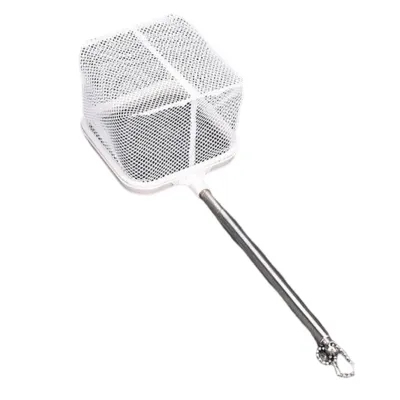
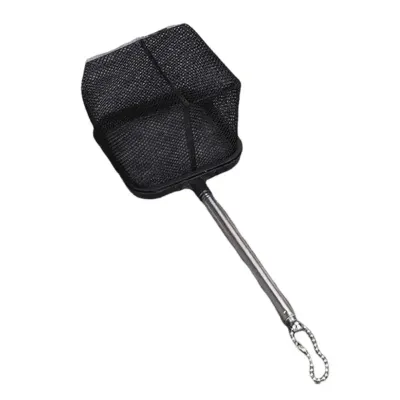
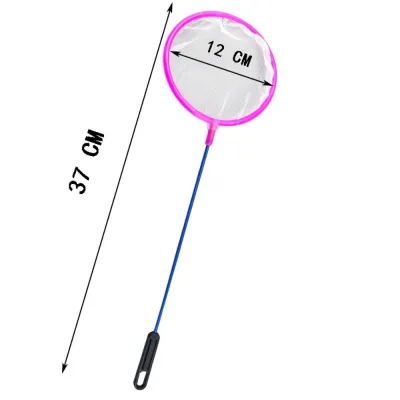
Handheld dip nets offer a much simpler, highly targeted approach. These nets consist of a mesh bag attached to a rigid frame and a handle, which can range from short hand-grips to long, telescopic poles. They require minimal physical training to use, relying instead on stealth, patience, and quick reflexes. You simply sweep the net through the water or scoop up individual shrimp spotted near the surface or clinging to structures.
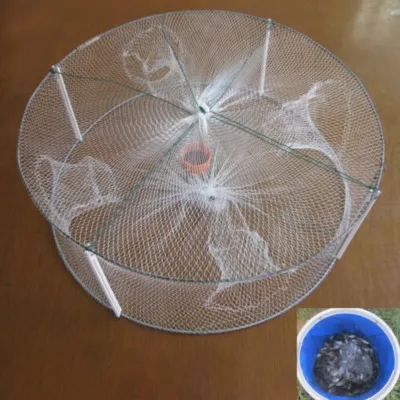
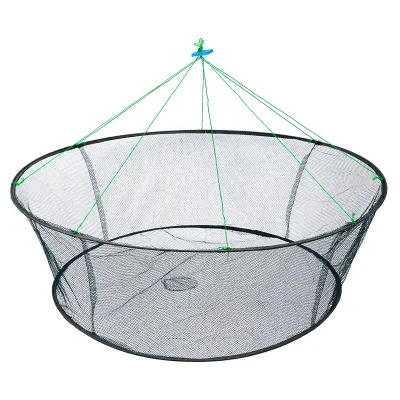
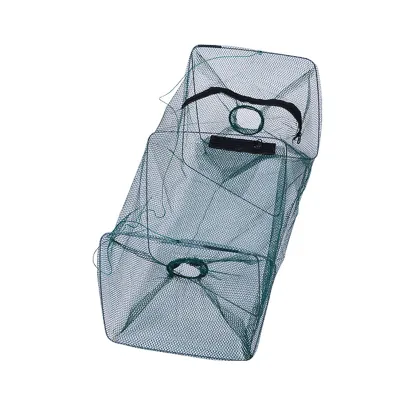
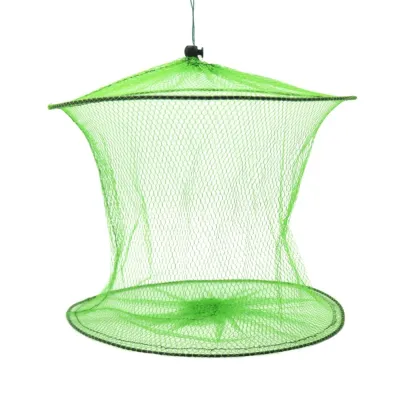
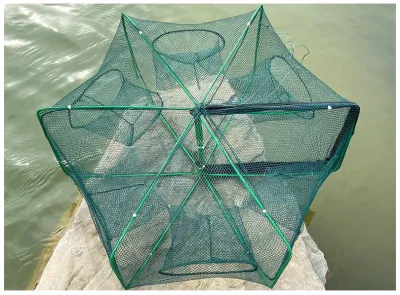
Passive traps, such as collapsible bait traps, require the least active physical effort but demand patience and strategic placement. These devices feature funnel-shaped entrances that allow shrimp to enter easily but make escape difficult. You bait the trap, submerge it in a promising location, and leave it to work over several hours. This method is highly efficient for those who prefer to forage passively while focusing on other activities.
Regardless of the design, the mesh size of the net is a critical factor. The mesh must be small enough to retain your target shrimp but large enough to let water flow through easily and allow tiny juveniles or non-target bycatch to escape. When selecting a net, you must verify that the mesh dimensions comply with local conservation guidelines to prevent the accidental capture of protected marine life.
Matching Nets to Specific Local Environments
Singapore’s diverse coastline presents a variety of fishing environments, from muddy mangrove swamps to sandy beaches and concrete canals. Successfully harvesting shrimp requires matching your net’s deployment style to the water depth, vegetation density, and current strength of your specific location. A net that excels on a clean, sandy beach will likely end up torn and useless if deployed among submerged roots or rocky structures.

Before heading out, always consult local tide tables and assess water clarity. High tides often push shrimp closer to the shoreline and into vegetation, while low tides concentrate them in deeper channels. Clear water allows you to spot shrimp for targeted dipping, whereas murky water requires broader, blind sampling methods like trapping or casting. Understanding these environmental variables helps you decide which net to pack for the day.
Mangrove Roots and Shallow Estuaries
Mangrove areas and shallow estuaries are incredibly rich in organic matter, making them prime habitats for various shrimp species. However, these environments present severe physical challenges, including dense networks of aerial roots, overhanging branches, and thick mud. In these confined spaces, attempting to throw a large cast net is highly impractical, as the mesh will inevitably snag on branches before it even hits the water.
For these snag-heavy environments, handheld dip nets with sturdy frames or small, collapsible traps are the most effective choices. A dip net allows you to gently probe the pockets of water between mangrove roots or scoop along the edges of muddy banks where shrimp seek shelter. Small traps can be carefully lowered into deeper channels or pools within the mangroves, using a retrieval line tied securely to a sturdy branch.
The primary risk in these areas comes from sharp oyster shells, broken glass, submerged debris, and highly abrasive mudflats. A single scrape against a cluster of wild oysters can slice through lightweight mesh instantly. To protect your gear, look for nets with reinforced rims or protective guards along the frame.
After every outing in a mangrove or estuarine environment, establish a strict inspection routine. Lay the net out flat and check the mesh systematically for minor tears, loose knots, or frayed sections. Repairing small holes immediately with a basic netting needle and matching twine prevents them from expanding into unfixable tears during your next trip.
Open Coastal Waters and Sandy Bottoms
Open coastal waters, sandy beaches, and flat shorelines offer the space needed to deploy larger, active nets. Here, the lack of overhead obstructions and submerged roots makes the cast net highly effective. Because shrimp on sandy bottoms can scatter quickly when disturbed, a well-thrown cast net allows you to cover a wide surface area and trap them before they can escape into deeper water.
When using a cast net in open water, weight distribution is critical. The net must have sufficient weight along its perimeter to sink rapidly to the seabed before the tide or current can sweep it away. If the net sinks too slowly, shrimp will simply swim underneath the lead line and escape. However, heavier nets require more physical strength to throw repeatedly, so you must find a balance that matches your physical endurance.
Water currents, wave action, and wind play a significant role in how your net behaves. Strong coastal currents can drift your net away from your target zone or cause it to collapse prematurely during its descent. To counter this, practice casting slightly up-current, allowing the natural flow of the water to settle the net over your desired spot as it sinks.
Even on seemingly clean, sandy beaches, hidden hazards can ruin your gear. Before casting, perform a visual check of the bottom topography or wade carefully to identify sudden drop-offs, submerged rocks, discarded fishing lines, or debris. Losing a net to a snag in deep water is not only costly but also leaves synthetic debris in the marine environment, which can harm local wildlife.
Evaluating Material and Build Quality for Tropical Conditions
Singapore’s tropical climate—characterized by intense sunlight, high humidity, and warm saltwater—is incredibly harsh on fishing gear. To ensure your shrimp net lasts more than a few trips, you must carefully evaluate the materials and construction quality before making a purchase. Choosing the wrong material can lead to rapid degradation, rot, or structural failure.
Most modern shrimp nets are constructed from either nylon or polyethylene, available in monofilament (single strand) or multifilament (woven fibers) designs. Monofilament nets are highly popular because they are nearly invisible underwater, sink quickly, and do not absorb water, making them easy to cast and retrieve. However, they can be stiff and prone to kinking if stored incorrectly. Multifilament nets are softer, highly flexible, and generally offer excellent knot strength, but they absorb water, making them heavier to handle when wet and slower to dry.
Before every trip, perform visual and tactile checks on your net to identify early signs of wear. Look closely for UV degradation, which often manifests as color fading, chalky residue, or a brittle texture in the fibers. Run your hands along the mesh to feel for fraying edges, weakened knots, or stiff spots where salt has crystallized.
To prolong the lifespan of your net, implement a thorough post-trip maintenance routine. Always rinse the net thoroughly with clean, fresh water immediately after returning home to wash away salt, mud, and organic debris. Hang the net to air-dry completely in a shaded, well-ventilated area, keeping it out of direct sunlight to prevent UV damage. Never store a damp net in a sealed plastic bag or container, as this creates a breeding ground for mold, mildew, and unpleasant odors that can rot the fibers over time.
Navigating Local Regulations and Safety Boundaries
Responsible harvesting is essential to preserving Singapore’s delicate marine ecosystems and ensuring that future generations can enjoy these activities. Before you head out with any shrimp net, you must familiarize yourself with the legal frameworks and safety protocols that govern recreational fishing in local waters.
Always verify the current recreational fishing rules, permitted net dimensions, and restricted zones with the relevant local authorities, such as the National Parks Board (NParks). Certain areas, including nature reserves, marine parks, and designated conservation zones, strictly prohibit any form of netting or fishing. Using unauthorized gear or operating in restricted zones can result in heavy fines, so checking official maps and guidelines before your trip is non-negotiable.
Safety should always be your top priority when wading in tidal areas. Always monitor tide schedules closely; a rapidly rising tide can cut off your return path to the shore, especially in flat estuarine areas. Watch out for local marine wildlife, such as stingrays and stonefish, which often camouflage themselves in the sand or mud. Wearing sturdy, closed-toe protective footwear with thick soles is essential to guard against sharp shells, debris, and venomous marine life.
Establish clear stop conditions before you begin fishing. If you encounter deteriorating weather, sudden lightning, unexpectedly strong currents, or rough waves, pack up your gear and seek shelter immediately. Additionally, if you accidentally capture protected marine species, non-target fish, or undersized crabs, handle them with care and release them back into the water immediately to minimize stress and injury.
Frequently Asked Questions (FAQ)
How do I determine the correct mesh size for catching shrimp?
To find the right mesh size, consider the size of the shrimp you target and the local regulations. A mesh size that is too large will let target shrimp slip through, while a mesh that is too small will trap tiny juveniles and unwanted bycatch, which can harm the local ecosystem. Always check the latest guidelines from local authorities to ensure your chosen mesh size complies with current conservation laws.
What is the best way to store a shrimp net between fishing trips?
The best way to store your net is to rinse it thoroughly with fresh water to remove salt and debris, then let it air-dry completely in a shaded, well-ventilated space. Once dry, store the net loosely in a cool, dry place away from direct sunlight and pests. Avoid storing the net while it is still damp or sealing it in airtight plastic bags, as this traps moisture and leads to mold, rot, and material degradation.
Community discussion
Share your experience or ask a question. Comments are reviewed before publication.