
Selecting the right wrist support in Singapore requires balancing the physical demands of your sport with the challenges of a warm, humid climate. Whether you are lifting heavy barbells in a strength gym, playing high-intensity badminton at a local community club, or practicing bodyweight movements at an outdoor fitness corner, your wrists experience vastly different types of stress. The ideal wrist guard is not a one-size-fits-all accessory; it must match your specific activity, skill level, and joint mobility needs.
To make an informed choice, you must first distinguish between rigid structural support and flexible compression. Heavy strength training demands stiff materials that limit joint movement to prevent hyperextension under load. Conversely, fast-paced racket and court sports require lightweight, breathable fabrics that manage sweat while allowing a full range of motion. Understanding these differences helps you protect your joints without compromising your athletic performance.
Core Matching Principles for Sports Wrist Guards
Before purchasing any wrist support, it is essential to understand the fundamental difference between rigid support and flexible compression. Wrist wraps are designed primarily for immobilization and structural reinforcement. Made from thick, heavy-duty elastic or woven cotton, they wrap tightly around the joint and secure with hook-and-loop fasteners to keep the wrist in a neutral position under heavy axial loads. These are highly beneficial when the joint is subjected to static, downward forces that threaten to force the wrist into extreme extension.
Products mentioned in this guide
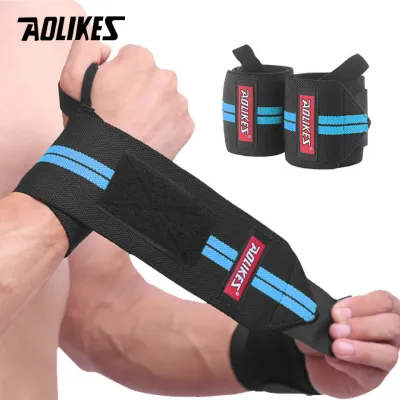
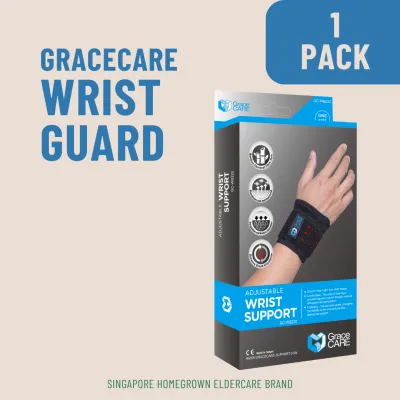
Prices are valid at publication and may change. Please refer to the product page for the latest price.
In contrast, wrist sleeves and compression bands prioritize flexibility, joint warmth, and moisture management. Typically constructed from knitted elastic, nylon, or neoprene, these sleeves slip over the hand to provide mild, uniform pressure. Rather than restricting movement, they offer proprioceptive feedback, which is the sensory awareness of your joint’s position in space. This feedback helps you maintain control during rapid, multi-directional movements without locking the joint in place.
Identifying the primary stress points of your specific sport determines the level of support you require. Sports involving heavy overhead loads or weight-bearing hand positions place immense pressure on the carpal bones and surrounding ligaments. Sports that rely on rapid wrist snaps or ball handling require the joint to remain highly mobile. Matching the guard to these specific biomechanical demands ensures you do not unnecessarily restrict your natural movement patterns.
It is crucial to remember that wrist guards are supplementary tools and do not replace proper biomechanical form, grip strength, or joint conditioning. Relying on a tight wrap to mask poor technique or structural weakness can lead to long-term joint issues or compensatory injuries elsewhere in the arm. If you experience persistent or sharp pain during movement, you should stop the activity immediately and consult a qualified healthcare professional rather than tightening your support gear.
Choosing Wrist Wraps for Weightlifting and Powerlifting
For heavy barbell movements such as bench presses, overhead presses, and low-bar squats, wrist wraps provide the necessary rigidity to keep the joint aligned. When selecting wraps, you will generally choose between thumb-loop designs and wrap-around styles. Thumb loops are highly practical because they anchor the wrap in place as you wind it around your wrist, ensuring a tight, even application. However, for safety and comfort, the loop should be removed from the thumb once the wrap is secured so it does not interfere with your grip on the barbell.

Material stiffness is a critical specification to verify before purchase. Powerlifters performing maximum-effort lifts often prefer stiff, heavy-duty wraps that offer near-total immobilization of the joint. For Olympic weightlifting movements like the clean and jerk or snatch, a slightly more flexible wrap is necessary. These dynamic lifts require a degree of wrist extension to catch the bar safely overhead, meaning an overly rigid wrap could hinder your receiving position and throw off your balance.
Wrap length is another key variable that dictates the level of support. Standard lengths typically range from 12 inches to 24 inches. Shorter wraps are easier and faster to put on, making them suitable for moderate weights or athletes with smaller wrists. Longer wraps allow for more revolutions around the joint, creating a thicker, more rigid cast-like support. However, longer wraps add bulk and can trap significant heat, which is an important comfort consideration during long training sessions in non-air-conditioned gyms.
When evaluating wraps, inspect the quality of the hook-and-loop closure and the overall stitching. The tension applied to these wraps during a heavy lift is substantial, and weak fasteners can slip or pop open unexpectedly. Look for wide, reinforced Velcro strips and double-stitched edges to ensure the wrap remains secure under maximum tension. Always loosen your wraps between sets to restore proper blood circulation to your hands.
Selecting Wrist Supports for Badminton, Tennis, and Basketball
Athletes playing racket sports or basketball in Singapore face unique challenges due to high humidity and continuous movement. In these sports, heavy, rigid wraps are highly counterproductive because they restrict the rapid wrist flexion and extension needed to snap a badminton racket or release a basketball. Instead, the focus must be on lightweight, flexible compression bands or moisture-wicking wrist sleeves that offer mild joint warmth and stability.
Sweat management is a primary consideration when playing in humid indoor sports halls or outdoor courts. Excess sweat running down your arm can slick your hands, severely compromising your racket grip or ball control. Look for wrist supports made from highly absorbent materials, such as cotton-loop terry cloth or advanced synthetic blends designed to wick moisture away from the skin. These materials help keep your hands dry while providing a comfortable layer of compression.
To maintain your athletic performance, prioritize low-profile, seamless designs. Any bulky seams or thick straps near the palm can interfere with your grip mechanics, altering how you hold a racket or feel the basketball. A streamlined, slip-on sleeve ensures that your hand-to-equipment contact remains natural and unobstructed. The support should feel like a second skin, offering gentle compression without altering your natural coordination.
Before purchasing, verify that the compression level is adjustable or naturally moderate. The goal is to provide light stability and keep the tendons warm, which can help manage minor stiffness during long rallies. It should never feel tight enough to cause tingling, numbness, or coldness in your fingers. If a support feels restrictive during a practice swing or shooting motion, it is too tight or too rigid for high-mobility sports.
Wrist Guards for General Gym Workouts and Calisthenics
If your fitness routine involves a mix of dumbbells, machines, and bodyweight exercises, you need a versatile wrist support that adapts to different movements. Calisthenics exercises, such as push-ups, handstands, and dips, place the wrists in extreme extension while bearing your full body weight. This repetitive loading can strain the joint, making moderate, flexible support highly beneficial during high-volume training sessions.
For these varied workouts, adjustable hybrid designs are often the most practical choice. These supports typically feature a thin, comfortable neoprene or nylon sleeve combined with an adjustable elastic strap. This design allows you to customize the tension on the fly. You can tighten the strap securely before a heavy set of dumbbell shoulder presses, and then quickly loosen it to regain full mobility for pull-ups, hanging leg raises, or stretching.
Because general gym workouts involve frequent contact with knurled metal handles, wooden gymnastic rings, and chalk, your wrist supports will accumulate dirt, sweat, and friction wear. It is important to check the manufacturer’s care instructions to ensure the materials can withstand frequent washing. Look for durable synthetic blends that resist pilling when they come into contact with hook-and-loop fasteners or rough equipment surfaces.
When using supports for bodyweight training, pay close attention to how your hands align on the floor or bars. The support should assist your joint, but it cannot correct poor hand placement or uneven weight distribution. Ensure you practice proper hand engagement, spreading your fingers wide and pressing through your fingertips, to distribute your weight evenly across the entire hand rather than relying solely on the wrist guard to absorb the impact.
How to Verify Fit, Sizing, and Product Specifications
To ensure your wrist guard performs as intended and remains comfortable, you must verify the fit and product specifications before making a purchase. Sizing standards vary significantly between different brands and manufacturers. Never assume your size based on previous sports gear or glove sizes. Instead, use a flexible measuring tape to measure the circumference of your wrist joint at its narrowest point, right over the wrist bone, and compare this measurement directly to the brand’s specific sizing chart.
| Sport Category | Primary Support Type | Key Material Features | Primary Benefit |
|---|---|---|---|
| Weightlifting / Powerlifting | Rigid Wrist Wraps | Heavy-duty elastic, cotton, thumb loops | Maximum joint stabilization under heavy axial loads |
| Racket / Court Sports | Compression Sleeves | Moisture-wicking synthetics, terry cloth | Sweat absorption and mild warmth without restricting movement |
| Gym / Calisthenics | Adjustable Hybrid Wraps | Neoprene, nylon, adjustable tension straps | Versatile support that can be tightened or loosened between exercises |
Carefully inspect the product labels for material composition, especially if you have sensitive skin or are prone to heat rashes in tropical climates. Neoprene is excellent for heat retention and durability, but some individuals may experience skin irritation from prolonged contact. If you have known sensitivities, look for hypoallergenic alternatives, latex-free elastic blends, or highly breathable knitted fabrics that allow air to circulate freely around the skin.
Additionally, review the manufacturer’s return and exchange policies. Because the comfort of a wrist support is highly subjective and depends on your unique hand anatomy, you may find that a guard feels different during actual movement than it does when resting. Checking the exchange terms for opened but clean items ensures you can swap the product if the fit is not entirely correct. Always inspect the stitching around the Velcro and seams upon delivery to ensure there are no manufacturing defects before your first workout.
Frequently Asked Questions (FAQ)
Should I wear wrist guards all day or only during workouts?
You should generally wear sports wrist supports only during your workouts or during the specific activities that place high stress on the joint. Wearing supportive wraps or compression sleeves continuously throughout the day can lead to muscle dependency, where the surrounding forearm muscles and tendons begin to weaken because they are relying on the external support. For daily wear or chronic pain management outside of exercise, you should consult a physiotherapist or medical professional to obtain a dedicated clinical brace and a tailored recovery plan.
How do I clean and maintain my wrist wraps to prevent odor?
To prevent odor and preserve the elasticity of your wrist wraps, hand-wash them regularly in cool water using a mild liquid detergent. Avoid using fabric softeners or bleach, as these chemicals can break down the elastic fibers and degrade the hook-and-loop fasteners over time. After washing, gently squeeze out the excess water without wringing the wraps tightly, and lay them flat to air-dry in a well-ventilated indoor area away from direct sunlight or high heat sources. Do not put sports wrist supports in a clothes dryer, as the intense heat can warp the synthetic materials and ruin the elasticity.

Community discussion
Share your experience or ask a question. Comments are reviewed before publication.