
The interaction between your football boot’s collar and your shin guard’s lower edge dictates your comfort, protection, and freedom of movement on the pitch. When these two pieces of equipment are mismatched, they fight for the same physical space around your ankle. This conflict can lead to painful chafing, restricted ankle mobility, or shin guards that shift out of place, leaving you vulnerable to heavy tackles. Finding the correct pairing ensures your protective gear works in harmony with your footwear, allowing you to focus entirely on your game.
A low-cut boot offers complete ankle freedom, but leaves a gap that must be carefully managed so your shin guard does not slide down and dig into the top of your foot. Conversely, mid-cut and high-cut boots feature extended collars that wrap around the ankle joint, leaving less room for traditional, bulky shin guards. By understanding how these designs overlap, you can select a combination that maintains a streamlined silhouette, preserves your natural range of motion, and ensures your protective gear stays securely in place throughout ninety minutes of high-intensity play. Proper alignment also prevents unnecessary wear and tear on your equipment, extending the lifespan of both your boots and your guards.
Furthermore, the mechanical physics of impact protection rely on your shin guard remaining flat against your tibia. If a boot collar pushes the guard upward, it reduces the coverage area of the shin bone, leaving the lower third of your leg highly vulnerable to direct impacts. Conversely, if the guard is forced downward, it can pinch the delicate soft tissues and tendons around the ankle joint. Achieving a balanced pairing is not merely an aesthetic choice; it is a fundamental safety requirement that directly impacts your physical longevity on the pitch.
Products mentioned in this guide
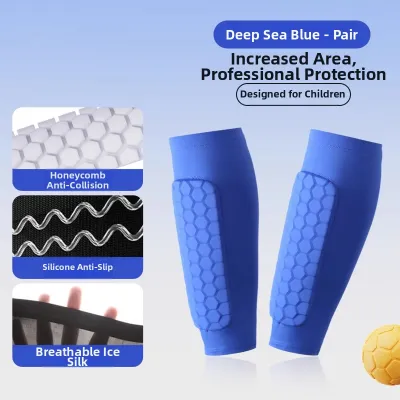
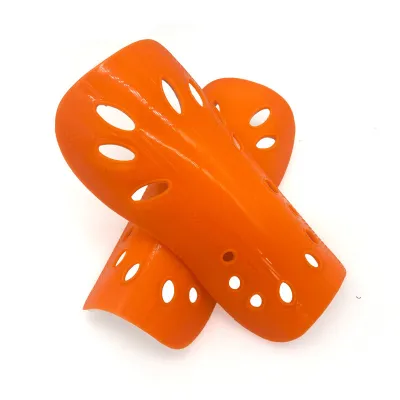
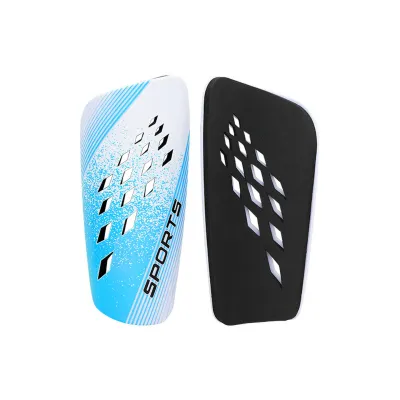
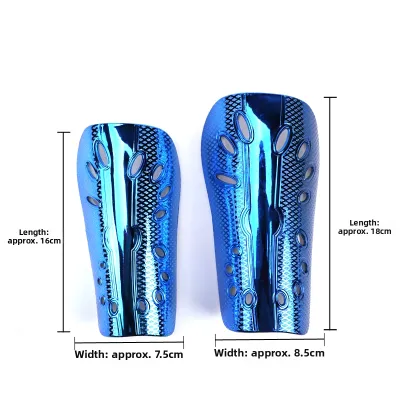
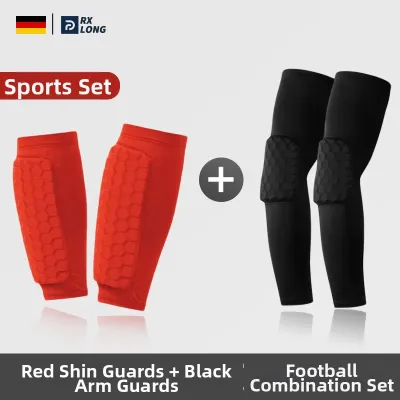
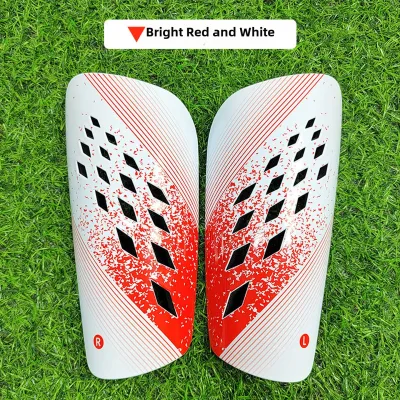
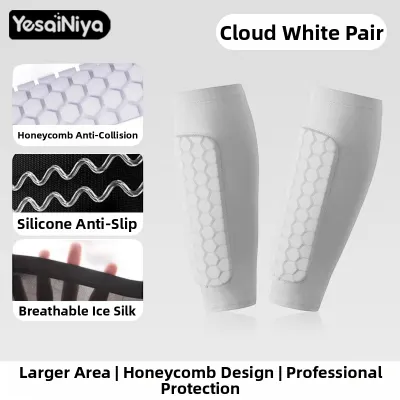
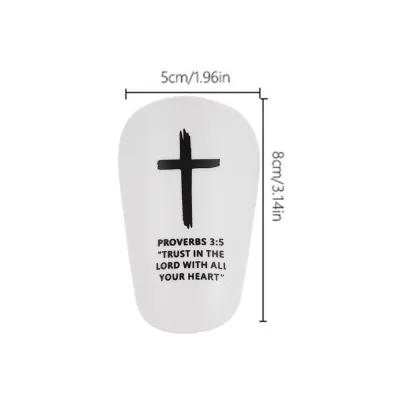
Prices are valid at publication and may change. Please refer to the product page for the latest price.
Understanding Your Football Boot Collar and Cut
To achieve a perfect fit, you first need to understand the physical geometry of your boots. Modern football boots are no longer uniform in shape; manufacturers design collars to cater to different playing styles, pitch conditions, and personal comfort preferences. The height and material of your boot’s collar directly dictate how much space is available on your lower shin for a protective guard to sit without causing friction.
Low-Cut Boots
Low-cut boots are the traditional standard in football, featuring a collar that cuts off below the ankle bone. This design is highly favored by wingers and players who rely on rapid changes of direction, as it provides maximum freedom of movement. Because the ankle area is completely exposed, there is no physical boot material to interfere with the lower portion of your shin guard. However, this lack of structural support means you must choose a shin guard that sits securely above the ankle line. If a guard is too long or slides downward, the bottom edge will press directly against the tendon at the front of your ankle, causing discomfort every time you flex your foot to run or strike the ball.
Additionally, many modern low-cut boots are constructed from ultra-thin synthetic materials designed for speed. These materials offer minimal natural dampening against impacts. Consequently, if your shin guard is not positioned correctly, any direct blow to the lower leg can transmit force directly to the unprotected areas of your ankle. Ensuring your guard sits precisely where the boot’s collar ends is essential for maintaining a seamless barrier of protection.
Mid-Cut and High-Cut Boots
Mid-cut and high-cut boots feature collars that extend upward to cover the ankle joint, often utilizing elasticated knit fabrics or structured synthetic sleeves. These designs aim to provide a seamless, sock-like feel and a locked-in sensation. However, this extended collar takes up valuable physical space around the lower shin and ankle. When you wear these boots, you cannot simply slip a thick, traditional shin guard under your socks without creating a bulky, uncomfortable pressure point where the boot collar and the guard meet. Managing this layering requires a strategic approach to ensure the guard and the collar do not bunch up, which can restrict blood flow or cause painful chafing during matches in hot, humid climates like Singapore’s.
The knit materials used in these high-collar boots are highly breathable but can absorb sweat during intense play. If a bulky shin guard is layered incorrectly underneath this damp material, the resulting friction can quickly break down the skin, leading to painful blisters. Furthermore, the added volume of an incorrect guard style can stretch the elasticated collar permanently, ruining the snug, locked-in fit that these premium boots are designed to provide.
Best Shin Guard and Boot Cut Combinations
Choosing the right pairing is a matter of matching the physical dimensions and attachment mechanisms of your shin guards to the specific shape of your boots. The goal is to maximize coverage while maintaining a low profile.

Slip-In Guards with Low and Mid-Cut Boots
Slip-in guards are the most popular choice for modern players due to their lightweight, minimalist construction. These guards consist of a hard protective shell that slides directly into your football socks or a dedicated compression sleeve. When paired with low-cut boots, slip-in guards offer an exceptionally clean, unrestricted feel. They sit comfortably above the shoe line, leaving your ankle completely free to flex.
When paired with mid-cut boots, slip-ins remain highly effective because they can be positioned slightly higher up the shin, avoiding the area where the mid-cut collar wraps the lower ankle. This setup prevents the bottom of the guard from pressing into the boot’s collar material. The result is a streamlined, professional aesthetic that maintains the close-to-the-ball feel that modern speed and control boots are designed to deliver. Many players prefer using thin compression sleeves with these slip-ins, as they help distribute pressure evenly across the calf muscle, preventing localized cramping during late-game sprints.
Ankle Guards with Low-Cut Boots
For players seeking enhanced protection around the vulnerable ankle bones—such as defensive midfielders or center-backs—ankle guards are a highly functional option. These guards feature a traditional protective shell combined with an attached padded fabric sleeve that wraps around the ankle and is secured by a stirrup strap passing under the arch of the foot.
Ankle guards must only be paired with low-cut boots. The open design of a low-cut boot provides the necessary physical space to accommodate the extra bulk of the padded ankle cups and the under-foot stirrup. Before heading onto the pitch, you must verify that the hard plastic or dense foam of the ankle cup does not rub against the stiff heel counter or collar of your low-cut boot. If there is friction, it can quickly wear down the lining of your boot and cause severe blisters on your heels. Additionally, the stirrup strap running under your foot can slightly alter how your foot grips the inside of the boot, so pairing this setup with high-grip insoles is often recommended to maintain stability.
Sock-Style Guards with High-Cut Boots
High-cut boots, with their tall, integrated knit collars, present a unique layering challenge when paired with standard shin guards. Sock-style or sleeve-style guards—where the protective shell is integrated directly into a compression sleeve—are the ideal solution for this boot cut.
To achieve a secure fit without bunching, the compression sleeve of the guard should be layered over the top of the boot’s high collar. This layering method prevents the collar from sliding down and keeps the shin guard from shifting upward during play. By smoothing out the transition between the boot collar and your lower leg, you maintain a flat, uniform surface. This is crucial for clean ball control and passing, as any external lumps or uneven layers can alter the trajectory of the ball when controlling it with your lower shin or instep. Keep in mind that this “double-socking” effect increases the overall volume around your ankle, which may require you to loosen your boot’s upper laces slightly to maintain comfortable circulation.
How to Layer Your Shin Guards, Socks, and Boots
Achieving a secure, distraction-free fit requires a systematic approach to putting on your gear. The exact sequence depends on the style of shin guard you use, but the objective remains the same: preventing movement and eliminating pressure points.
For slip-in guards, begin by putting on your grip socks or standard football socks. Next, slide the shin guard under the sock, positioning it so the bottom edge sits roughly two to three inches above your ankle joint. If your guards came with compression sleeves, slide the sleeve on first, insert the guard, and then pull your match socks over the top. To prevent the guards from sliding down into your boot collar during high-intensity movements, wrap athletic tape or dedicated silicone guard straps tightly around your sock just below the bottom edge of the guard. Note that many competitive leagues require the color of your guard tape to match the color of your match socks, so plan your gear bag accordingly. Finally, put on your boots, ensuring the laces are tied snugly but not so tight that they compress the lower edge of the guard against your foot.
If you are using ankle guards with stirrups, the order changes. First, put on your bare feet or thin grip socks, then slide your foot through the ankle guard’s stirrup, positioning the padded cups directly over your ankle bones. Once the guard is secure, pull your match socks over the entire assembly. Next, carefully slip your foot into your low-cut boots. Because the stirrup adds thickness under your arch, you may need to loosen your boot laces fully before sliding your foot in to avoid cramping. Adjust the tongue of the boot to ensure it sits flat against the padded front of the ankle guard before tightening your laces.
Pairing Mistakes and Fit Restrictions to Avoid
A poor gear combination does more than cause discomfort; it can actively hinder your performance and increase your risk of injury. One of the most common mistakes is attempting to force a bulky ankle guard inside a mid-cut or high-cut boot. The collar of these boots is designed to fit snugly against your skin; forcing a thick padded sleeve and stirrup into this space creates extreme pressure, restricts blood circulation, and causes severe chafing that can ruin your training session within minutes.
Another critical error is choosing shin guards that are too long for your lower leg. If a guard extends too far down, its bottom edge will collide with the tongue, laces, or collar of your boot every time you bend your ankle. This restriction of dorsiflexion—the movement of pulling your toes toward your shin—limits your sprinting efficiency, jumping power, and kicking technique. Over time, forcing your ankle to fight against a stiff shin guard can place excessive strain on your Achilles tendon and plantar fascia, leading to overuse injuries.
Always perform a physical check after putting on your gear. Walk, jog, and perform deep squats to test your range of motion. If you experience pinching, restricted movement, or discover deep red marks and blisters on your skin after training, your pairing is incorrect. Remember that protective gear is a supplement to safety; it cannot replace proper physical preparation, correct tackling technique, or sound spatial awareness on the pitch. If your gear continues to conflict, consult the manufacturer’s sizing charts or seek advice from a professional boot fitter.
Frequently Asked Questions (FAQ)
Do professional players wear ankle guards with low-cut boots?
Most professional players prefer lightweight slip-in guards paired with low-cut boots to maximize speed, agility, and touch. However, some professionals do choose ankle guards or custom protective sleeves with low-cut boots, particularly when recovering from an ankle injury or if they play in highly physical defensive roles. Ultimately, the choice comes down to personal injury history, playing style, and comfort preferences rather than a universal standard.
Can I cut my shin socks to fit better with my boot collar?
Before making any physical modifications to your gear, always consult the manufacturer’s care and warranty guidelines. Cutting your shin sleeves or match socks to prevent overlap with your boot collar is a common DIY practice, but it often leads to the fabric fraying, losing its compression properties, and failing to hold the guard securely. If you find the overlap uncomfortable, it is safer to switch to a shorter slip-in guard or utilize dedicated guard tape rather than altering the structural integrity of your socks.
Community discussion
Share your experience or ask a question. Comments are reviewed before publication.