
Finding the correct gym pin for your weight stack machine requires matching the exact shaft diameter and effective insertion length of your equipment’s original selector pin. Using an incorrectly sized pin can lead to sudden weight drops, damaged selector shafts, or jammed plates, which compromise both your safety and the longevity of your strength training equipment. By taking precise measurements and verifying your machine’s specifications, you can easily select a secure, durable replacement that keeps your workouts smooth and safe.
Why the Right Gym Pin Dimensions Matter
Using a weight selector pin with the wrong dimensions introduces serious mechanical and safety hazards to your strength training routine. If a pin is too thin for the weight stack holes, it will not sit securely, creating a high risk of bending under heavy loads or slipping out entirely mid-exercise. When a pin slips or snaps, the selected weight plates can drop instantly, potentially causing severe injury to the user and damaging the machine’s pulley system.
Conversely, a pin that is too thick will either fail to insert completely or jam tightly inside the weight stack. Forcing an oversized pin into the plates can scrape the guide rods, misalign the selector shaft, or crack the weight plates themselves. A pin that is too long can also protrude from the back of the stack, catching on the machine’s frame, safety cage, or adjacent cables during a lift.
Products mentioned in this guide
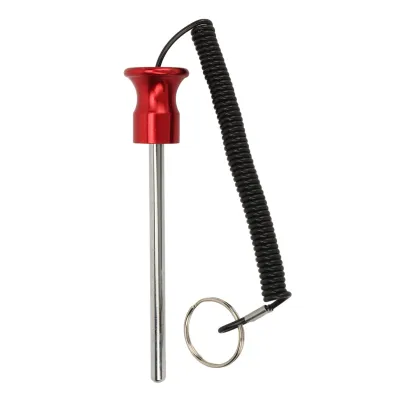
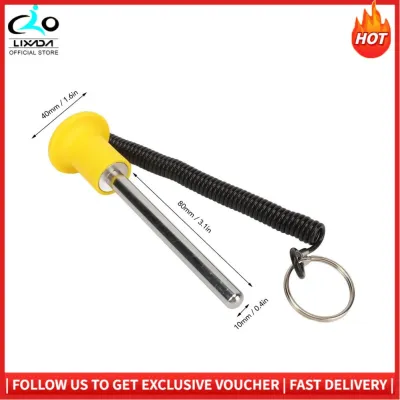
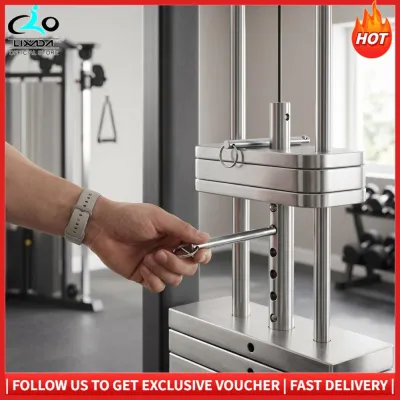
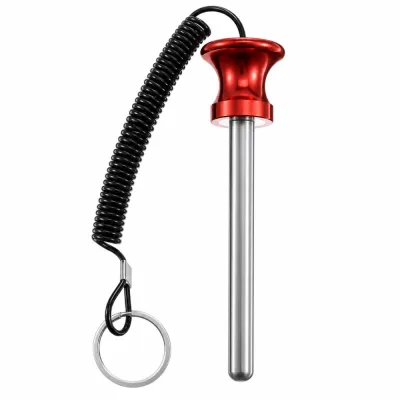
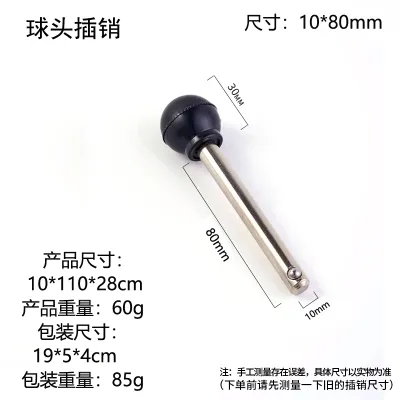
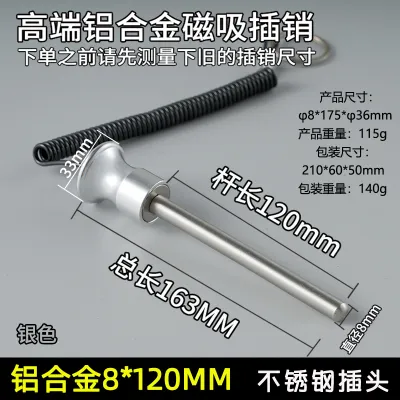
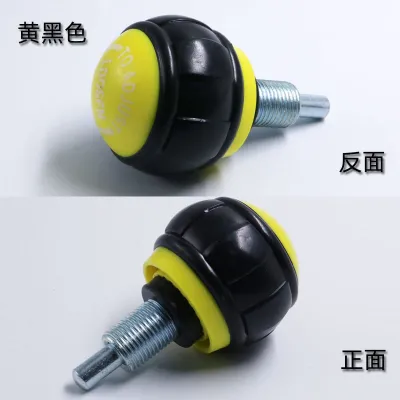
Prices are valid at publication and may change. Please refer to the product page for the latest price.
Smooth and stable strength training operations rely entirely on secure engagement between the selector pin, the weight plate, and the central selector rod. A properly fitted pin distributes the shear force evenly across its shaft, ensuring the selected weight stack moves as a single, cohesive unit. This mechanical stability prevents unnecessary friction, reduces wear on the guide rods, and ensures a predictable, safe lifting experience.
How to Measure Your Current Weight Selector Pin
To find a matching replacement, you must measure your existing pin with high precision rather than relying on visual estimates. The most reliable tool for this task is a pair of digital calipers, which can measure down to fractions of a millimeter. If calipers are unavailable, use a precise metal ruler, aligning the zero mark carefully with the edges of the pin shaft.

Begin by measuring the shaft diameter, which is the thickness of the metal rod that inserts into the weight stack. Take this measurement at two or three points along the shaft to ensure it is uniform, noting the size in both millimeters and inches. Common commercial and home gym pin diameters typically range from 8mm to 10mm (approximately 5/16 inch to 3/8 inch), and even a single millimeter of difference can prevent a pin from fitting.
Next, measure the effective insertion length, which is the distance from the base of the handle to the very tip of the metal shaft. Do not include the handle itself in this measurement, as only the metal shaft enters the weight stack. Compare this length to the depth of your weight plates to ensure the pin will pass completely through the selector rod without protruding excessively out the back.
Finally, inspect the physical shape of the pin shaft and the design of the handle. Most gym pins have a straight, uniform shaft, but some older or specialized machines use tapered or stepped designs. Note whether the handle is a basic T-shape, a round pull knob, or an ergonomic grip, and check if it features a lanyard hole or a magnetic base that matches your current setup.
Verifying Compatibility with Your Weight Stack
Physical measurements of your old pin are highly useful, but you should also cross-reference them with your machine’s official documentation. Locate the user manual, assembly guide, or manufacturer specification sheet for your specific strength equipment model. If you no longer have the physical manual, many fitness equipment manufacturers publish digital parts lists and schematics on their official websites.
Before ordering a replacement, inspect the weight plate selector holes and the central selector rod for wear, debris, or misalignment. Over time, repeated use can cause the holes in individual plates to become oval-shaped, or rust and old lubricant can accumulate inside them. Ensure the selector rod aligns precisely with the plate holes when the stack is at rest, as misalignment can make even a correctly sized pin difficult to insert.
You must also understand the mechanical differences between standard friction pins and magnetic selector pins. Standard pins rely on a tight fit or a spring-loaded ball detent to stay in place, whereas magnetic pins utilize a magnet embedded in the handle to cling to the steel weight plates. Verify if your machine’s weight plates are made of a magnetic material like cast iron or steel, as some modern plates feature plastic shrouds or non-magnetic alloys that will not support magnetic pins.
Key Features to Evaluate in a Replacement Pin
Once you have confirmed the correct dimensions and compatibility, evaluate the material quality and finish of the replacement pin. Look for pins constructed from high-tensile steel, stainless steel, or chrome-plated alloy to ensure they resist bending and shear stress under heavy loads. A high-quality finish also prevents rust and corrosion, which can cause the pin to bind inside the weight stack over time.
Consider the ergonomic handle design and tethering options to improve usability and prevent loss. Handles made of aluminum, heavy-duty plastic, or rubberized grips offer a secure hold, even with sweaty hands during intense workouts. Choosing a pin with an attached lanyard, coil cable, or chain allows you to anchor it directly to the machine frame, ensuring it is never misplaced in a busy home or commercial gym.
Weigh the advantages of magnetic gym pins if your weight plates are compatible with magnetic attachments. Magnetic pins allow for quicker, smoother weight adjustments because the magnetic pull helps draw the pin into place and holds it securely against the face of the stack. However, ensure the magnet is securely encased in the handle and that the pin’s overall weight does not cause it to sag or pull out of alignment during rapid, explosive movements.
Frequently Asked Questions (FAQ)
Can I use a standard bolt, nail, or screwdriver as a temporary gym pin?
No, you should never use improvised hardware like bolts, nails, or screwdrivers as a temporary gym pin. Standard hardware fasteners are not rated for the specific dynamic shear forces generated by lifting and dropping weight stacks. Under heavy loads, these improvised items can suddenly bend, shear, or snap, causing the weight stack to crash down unexpectedly. This can result in severe personal injury, shattered weight plates, bent guide rods, and costly repairs to your fitness equipment. Stop using the machine immediately until you can install a proper, manufacturer-approved replacement pin.
What should I do if the new pin fits the hole but feels loose or wobbles?
A small amount of play is normal to allow for easy insertion and removal, but excessive wobbling indicates a potential safety issue or sizing mismatch. First, double-check your measurements to ensure you did not accidentally purchase a pin that is one size too thin. If the pin size is correct, inspect the weight stack for worn selector holes, bent guide rods, or unevenly stacked plates that might prevent the pin from seating fully. If the weight stack does not lift and lower smoothly, or if the pin sags significantly when inserted, stop using the machine and contact the equipment manufacturer or a qualified fitness technician for assistance.
Community discussion
Share your experience or ask a question. Comments are reviewed before publication.