
You can easily mount a water bottle cage on a bicycle frame without built-in threaded eyelets by using a specialized bottle cage adapter. These adapters use clamps, straps, or hook-and-loop fasteners to secure a mounting platform onto your frame, fork, handlebar, or seatpost.
This solution is highly practical for vintage steel road bikes, modern folding bicycles, full-suspension mountain bikes, or any frame where space is limited. By selecting the right adapter style and installing it with protective barriers, you can carry hydration reliably without drilling into your frame or compromising its structural integrity.
Whether you are commuting daily or taking a weekend leisure ride along the local Park Connector Network (PCN), keeping hydrated is essential in Singapore’s warm, humid climate. Let’s look at how to choose, install, and maintain these adapters safely.
Products mentioned in this guide
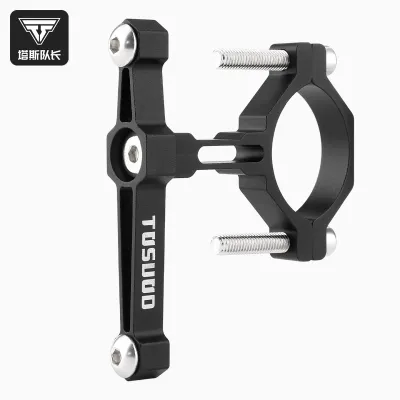
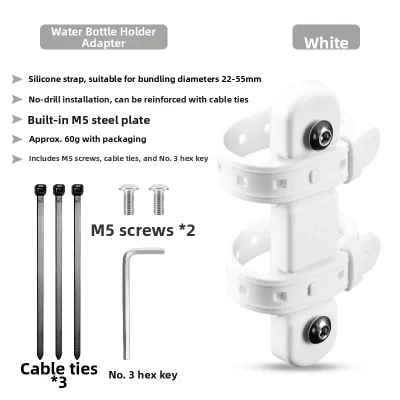
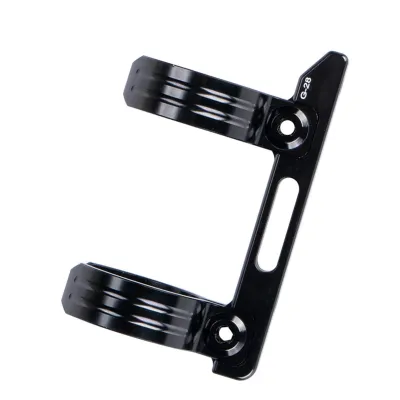
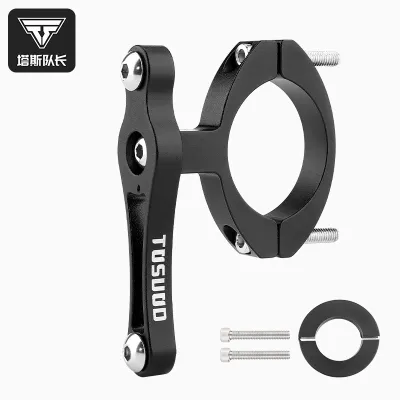
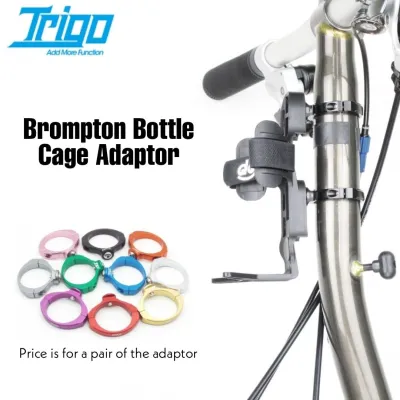
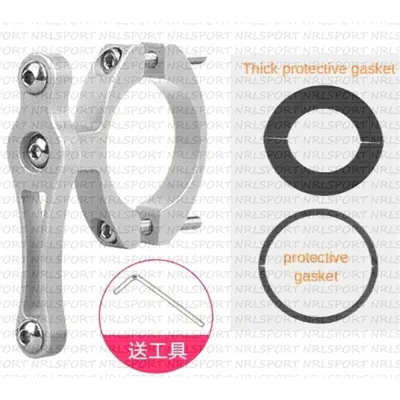
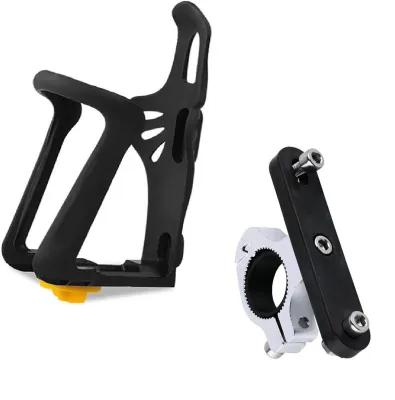
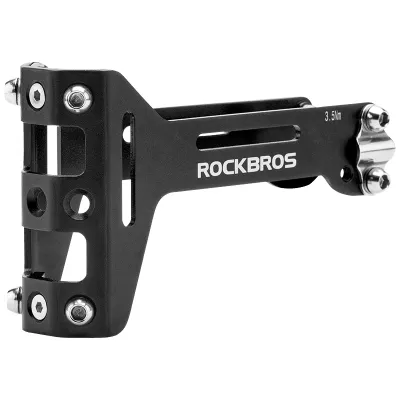
Prices are valid at publication and may change. Please refer to the product page for the latest price.
Why Your Bike Frame Lacks Standard Bottle Cage Mounts
Many modern and specialized bicycles omit standard threaded eyelets to optimize their primary function. For instance, folding bikes require clean lines and unobstructed folding joints, meaning bottle mounts are often left off to prevent the cage from interfering with the folded package.
Full-suspension mountain bikes frequently use the space inside the front triangle to house rear shocks, linkages, and pivoting arms. This leaves no physical room for a traditional bottle cage, forcing designers to omit the eyelets entirely or place them in awkward positions under the down tube.
Small frame sizes or aggressive compact road geometries often have shorter tubes that cannot accommodate a standard bottle and cage setup. In these cases, manufacturers prioritize frame stiffness and standover height over accessory mounts.
Frame materials dictate how accessories can be attached. Steel and aluminum frames can easily support welded or riveted threaded inserts. However, carbon fiber frames require precise engineering, and adding holes after manufacturing is impossible without destroying the structural integrity of the carbon sheets.
Clamping accessories onto carbon fiber tubes carries a high risk of crushing the material if the clamping force is concentrated or unevenly distributed. Unlike steel or aluminum, which can withstand localized compression, carbon fiber is highly sensitive to radial clamping forces and can crack under excessive pressure.
Before purchasing an adapter, inspect your bike for overlooked mounting points. Some frames feature threaded eyelets underneath the down tube, near the bottom bracket, or along the top tube. Additionally, some modern gravel forks have multiple accessory mounts that can easily host a standard bottle cage.
Choosing the Right Bottle Cage Adapter for Your Bike
When standard eyelets are unavailable, several adapter designs can bridge the gap. The right choice depends on your frame’s tube shapes, material, and where you prefer to access your water bottle while riding.

Seatpost clamp adapters clamp directly onto your seatpost, positioning the water bottle behind your saddle. This setup is highly popular for road cyclists, triathletes, and folding bike users because it keeps the bottle out of the wind and away from your legs. It works best on standard round seatposts made of aluminum or steel.
If you want to mount your bottle on the main frame tubes but lack eyelets, strap-based adapters are highly versatile. These systems use flexible rubber, silicone, or hook-and-loop straps reinforced with plastic or metal tensioners. They conform easily to irregular, oval, or oversized tube profiles, making them highly adaptable.
For easy access during casual rides, handlebar or stem mounts position the bottle directly in front of you. Fork-mounted adapters clamp onto the fork blades, which is excellent for touring or bikepacking where a lower center of gravity is preferred. These alternative placements are ideal when the main frame triangle is fully occupied by a frame bag or suspension components.
Comparing Stability and Frame Compatibility
Riding conditions in Singapore range from smooth, paved park connectors to bumpy gravel paths and occasional off-road trails. Rigid clamp-on adapters offer excellent stability on smooth urban paths but can slip or rotate when subjected to continuous vibrations. Strap-based systems with textured rubber backings often absorb vibrations better, keeping the bottle secure on uneven terrain.
Metal clamps can easily scratch paint or wear down anodized finishes if installed directly against the frame. Sand and road grit can also migrate under the adapter, acting like sandpaper under vibration. Using protective rubber shims or clear frame protection tape is essential to safeguard your bike’s finish.
Delicate frame materials, particularly thin-walled aluminum and carbon fiber, require extreme caution. Rigid metal clamps apply concentrated pressure and should generally be avoided on these materials unless specifically rated by the manufacturer. Flexible strap systems distribute the load over a wider surface area, reducing the risk of localized crushing.
Adding an adapter and a full water bottle introduces weight that can affect handling, especially if mounted high on the handlebars or far behind the saddle. Furthermore, compact frames may suffer from clearance issues, where the bottle hits the top tube or interferes with your knees while pedaling. Always measure the available physical space before choosing an adapter location.
How to Install and Secure Your Chosen Adapter
Start by thoroughly cleaning the mounting area on your frame to remove all dust, grease, and grit. Apply a layer of clear polyurethane frame protection tape or use the rubber shims provided with your adapter. This barrier prevents paint scratches and increases friction, which stops the adapter from slipping.
Temporarily position the adapter on the frame and insert your bottle cage with an empty bottle. Check for potential interference: ensure your knees or heels do not strike the bottle while pedaling, and verify that the setup does not block brake cables, gear housing, or suspension linkages. For folding bikes, perform a test fold to ensure the adapter does not prevent the bike from locking into its folded state.
When tightening the bolts on clamp-on adapters, apply torque gradually and evenly. If you are working with carbon fiber or thin-walled alloy tubes, always use a calibrated torque wrench and refer to the manufacturer’s specified torque limits. Over-tightening can permanently damage your frame, while under-tightening will cause the bottle to sag during your ride.
For strap-based adapters, pull the straps as tight as possible by hand before locking the tensioning mechanism. If the adapter uses hook-and-loop fasteners, ensure maximum surface contact between the mating surfaces. Any initial slack in the straps will quickly loosen once the weight of a full water bottle is added.
Before heading out on a long ride, perform a shake test. Fill your water bottle completely to simulate its maximum riding weight. Drop the bike gently from a height of a few centimeters to see if the adapter slips, rotates, or rattles. Adjust the tension immediately if any movement is detected.
Maintenance and Preventive Measures for Adapter Setups
Over time, road vibrations, temperature fluctuations, and the constant weight of a full water bottle can cause adapters to loosen. Make it a habit to check the tightness of the mounting bolts or strap tension before every ride. A quick wiggle test takes only a few seconds but can prevent a bottle from ejecting into traffic or your wheels.
Singapore’s tropical climate brings high humidity, frequent rain, and salty air near coastal paths. Moisture and road grit can easily become trapped underneath the adapter’s rubber shims or straps. Periodically remove the adapter to clean the frame and the underside of the mount, preventing paint bubbling, oxidation on aluminum, or rust on steel frames.
Inspect the adapter components regularly for signs of degradation. Plastic straps can become brittle from UV exposure, rubber shims can tear, and metal bolts can rust. If you notice any deep stress marks, cracks, or persistent creaking noises during your ride, stop using the adapter immediately and replace the worn parts.
If you notice your water bottle cage shifting to one side or sliding down the tube during a ride, do not ignore it. Slippage can cause the adapter to rub against the frame, quickly wearing away the paint and damaging the underlying material. Stop safely, realign the adapter, and tighten it to the correct specification before continuing.
Frequently Asked Questions (FAQ)
Can I use a bottle cage adapter on a carbon fiber frame?
Yes, you can use a bottle cage adapter on a carbon fiber frame, but you must exercise extreme caution. Avoid rigid metal clamps that apply concentrated pressure, as they can easily crush or crack the carbon tubes. Instead, opt for lightweight, flexible strap-based adapters that distribute the clamping force over a larger surface area. Always check your bicycle manufacturer’s warranty guidelines regarding aftermarket clamps, and use a calibrated torque wrench to ensure you do not exceed the recommended torque limits.
Will a strap adapter scratch my bike's paint?
A strap adapter can scratch your bike’s paint if installed incorrectly or if dirt gets trapped underneath it. To prevent this, always clean the frame thoroughly before installation and apply a layer of clear protective frame tape over the mounting area. Additionally, ensure the adapter uses soft rubber or silicone shims to act as a protective barrier between the strap and your paintwork. Regularly removing the adapter to clean away accumulated road grit will also keep your frame looking pristine.
Are there weight limits for strap-mounted bottle cages?
Yes, strap-mounted bottle cages generally have lower weight capacities than traditional bolt-on eyelets. While they are perfectly suitable for standard water bottles weighing up to 800 grams, they may struggle to support heavy insulated flasks, large tool kegs, or oversized cargo cages. Carrying excessive weight on a strap adapter increases the risk of the mount slipping down the frame or rotating into your legs. If you need to carry heavier items, consider distributing the load to a dedicated saddle bag or handlebar bag instead.
Community discussion
Share your experience or ask a question. Comments are reviewed before publication.