
Venturing into Singapore’s diverse outdoor spaces—whether navigating the rugged trails of Bukit Timah, cycling the East Coast Park, or kayaking around the Southern Islands—requires careful preparation. Physical injuries and environmental hazards can occur without warning, making a reliable survival kit an indispensable part of your gear. A properly configured sports first aid kit acts as your first line of defense, allowing you to manage minor lacerations, joint sprains, and environmental hazards on-site. By understanding how to pack and maintain these essential supplies, you can confidently explore the outdoors while ensuring you are prepared for unexpected situations.
Tailoring Your Survival Kit to Singapore's Outdoor Activities and Climate Risks
Every outdoor activity presents distinct physical demands and environmental risks, meaning a one-size-fits-all approach to safety gear rarely works. For trail runners tackling uneven terrain in nature reserves like MacRitchie or Chestnut Nature Park, the primary risks are ankle sprains, skin abrasions from falls, and insect bites. These fast-paced athletes require a highly compact, lightweight survival kit that fits comfortably in a running vest without causing chafing. Conversely, road cyclists traveling at high speeds along the Park Connector Network face a higher risk of high-impact road rash and joint trauma. Their kits must prioritize robust wound care, larger sterile dressings, and rigid athletic tape for joint stabilization, which can easily be stored in a saddle bag or frame pack.
Water sports enthusiasts, such as coastal kayakers paddling around Sentosa or Pulau Ubin, encounter entirely different challenges. Marine stings, severe sunburn, and complete water immersion require a kit focused on absolute waterproofing, specialized burn care, and marine-grade antiseptics.
Products mentioned in this guide
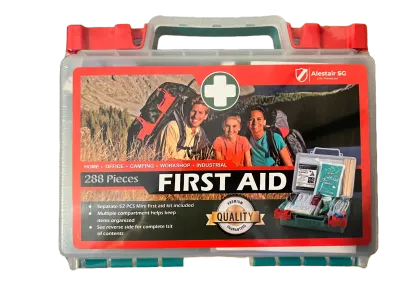
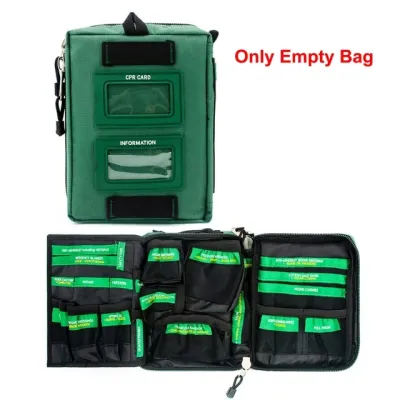
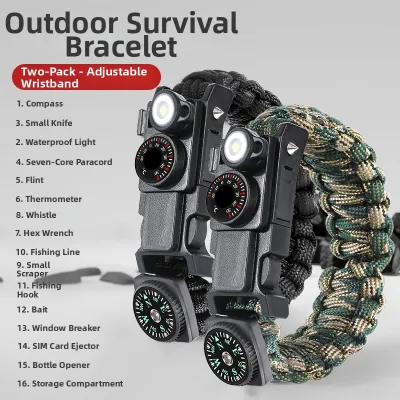
![UGREEN Car Safety Hammer 2-in-1 Emergency Escape Tool [Glass Breaker + Seat Belt Cutter] Rapid Breaking Even Underwater Handy Base for Quick Access Essential Car Survival Kit](https://img.lazcdn.com/g/p/7dab104529626f36c9e8da3de4cd9eb4.jpg_400x400q80.jpg_.webp)
Prices are valid at publication and may change. Please refer to the product page for the latest price.
Beyond the activity itself, Singapore’s tropical climate introduces severe environmental factors that directly influence your gear choices. The region’s intense heat and high relative humidity (frequently exceeding 80%) prevent sweat from evaporating efficiently, accelerating dehydration and electrolyte loss. Sudden, heavy monsoon downpours can instantly soak gear, causing a rapid drop in body temperature and ruining unsealed medical supplies. Additionally, the dense tropical vegetation harbors insects such as mosquitoes and sandflies, which carry disease risks and cause painful bites. Your kit must therefore strike a careful balance: it should function as a lightweight survival kit for rapid self-rescue while containing the specialized medical and preventative tools necessary to withstand a harsh tropical environment.
Essential First Aid Supplies for Common Sports Injuries
Addressing physical trauma quickly and effectively requires a structured selection of medical supplies. When assembling your kit, prioritize items that target the most common sports injuries: cuts, blisters, and joint strains.

Wound Care and Cleansing Abrasions and minor lacerations are highly common when running, hiking, or cycling. To manage these, your kit must contain sterile gauze pads in various sizes (such as 5cm x 5cm and 10cm x 10cm) to absorb blood and protect open wounds. Pair these with a selection of adhesive bandages in multiple shapes to cover minor cuts. Before dressing any wound, it is vital to clean it thoroughly to prevent tropical bacterial infections. Include single-use antiseptic wipes saturated with isopropyl alcohol or chlorhexidine. Secure your dressings with high-quality medical tape; look for hypoallergenic, high-tack varieties that can withstand heavy sweating.
Blister Management Friction from wet socks, humid air, and repetitive movement can rapidly cause painful blisters, halting your activity. Hydrocolloid patches are highly effective because they absorb moisture from the blister while providing a cushioned, sterile barrier that promotes faster healing. For early-stage friction points, include moleskin sheets. You can cut these to shape and apply them directly to hotspots on the skin. Ensure the skin is completely dry before application to maximize adhesion.
Sprain and Strain Support Joint stabilization is critical when dealing with rolled ankles or strained wrists on the trail. Include at least one elastic bandage (such as a cohesive bandage that sticks to itself rather than skin). Cohesive bandages are ideal for tropical conditions because they do not lose their grip when exposed to sweat or water. Rigid athletic tape is also essential for taping joints to prevent further movement. For acute swelling, add an instant cold pack. These single-use chemical packs activate when squeezed, providing immediate cold therapy to reduce inflammation, though they are best reserved for larger group kits due to their weight.
Essential Tools and Safety Checks To apply these supplies safely, include a pair of compact trauma shears with blunt tips to cut away clothing or tape without risk of cutting the skin. A pair of fine-tipped tweezers is also indispensable for removing splinters, gravel, or ticks. Before packing any adhesive bandages or tapes, check the product packaging for latex warnings if you or anyone in your group has a known latex allergy. Always consult the manufacturer instructions for any specialized medical tools or braces included in your kit.
Tropical Climate Survival and Prevention Gear
A sports first aid kit in a tropical environment must go beyond trauma care to address environmental exposure. Prevention is key to avoiding serious medical emergencies on the trail.
Heat Mitigation and Hydration Support In Singapore’s high humidity, the body’s natural cooling mechanism is compromised. To combat severe dehydration and heat exhaustion, your kit must include oral rehydration salts (ORS) or electrolyte tablets. These formulations rapidly replenish essential sodium, potassium, and magnesium lost through heavy sweating. Always mix these supplements with clean, potable water according to the manufacturer’s exact dilution ratios printed on the packaging to ensure safe and effective absorption.
Insect and Vector Protection Tropical insects are more than just a nuisance; mosquitoes in Singapore can transmit dengue fever. Pack a compact bottle of insect repellent containing recognized, active ingredients such as DEET or picaridin, which provide reliable protection against mosquitoes and sandflies. Additionally, include a soothing cream, such as hydrocortisone or calamine, to treat bites. This prevents the intense itching that can lead to open scratches and secondary bacterial infections.
Sun and UV Protection Extended exposure to tropical UV radiation can cause painful sunburns that impair performance and damage skin. Include a broad-spectrum sunscreen with an SPF of 30 or higher. Because you will sweat heavily, select a formula explicitly labeled “water-resistant” or “sweat-resistant” and reapply it strictly according to the product label instructions. Protect your lips with an SPF-rated lip balm to prevent painful windburn and sun blisters.
Emergency Signaling and Navigation If you are injured, lost, or delayed past sunset, survival gear becomes critical. Include a high-decibel, pealess whistle; pealess designs are essential because they do not have moving parts that can fail when wet. Pack a compact, highly reflective emergency space blanket (mylar blanket). While it may seem counterintuitive in a hot climate, an injured person lying immobile in wet clothes during a sudden monsoon downpour can quickly experience a dangerous drop in core body temperature. Finally, carry a lightweight, water-resistant headlamp with spare batteries. Equatorial sunsets occur rapidly, and navigating a dense nature trail in complete darkness without hands-free illumination is highly dangerous.
How to Pack, Organize, and Waterproof Your Kit
Having the right supplies is useless if they are ruined by water or impossible to find during a crisis. Proper packaging and organization are critical to maintaining the integrity of your kit.
Selecting a Weather-Resistant Container Your outer container must be durable, lightweight, and highly resistant to the elements. A pouch made of heavy-duty ripstop nylon with a water-resistant zipper is suitable for dry-land activities. For water sports or areas prone to torrential rain, opt for a dedicated dry bag with a roll-top closure rated to IPX6 or IPX7 standards. This ensures your supplies remain dry even if the bag is temporarily submerged.
Double-Waterproofing Internal Supplies Do not rely solely on the outer bag to keep moisture out. High humidity and heavy sweat can seep through seams over time. Place sterile items, such as gauze pads and adhesive bandages, into heavy-duty, double-zipper ziplock bags. Keep oral rehydration salts, medications, and any paper instruction sheets in separate, airtight bags. This double-barrier system ensures that even if the outer bag is opened during a downpour, the rest of your supplies remain clean and dry.
Categorized and Color-Coded Organization In a high-stress emergency, searching through a cluttered bag wastes valuable time. Organize your gear into distinct, logical categories using small, color-coded internal pouches or clear plastic bags:
- Red (Trauma and Bleeding): Gauze, bandages, antiseptic wipes, medical tape, and trauma shears.
- Green or Blue (Medications and Hydration): Oral rehydration salts, electrolyte tablets, and personal medications.
- Yellow or Orange (Survival and Tools): Whistle, emergency space blanket, headlamp, and tweezers.
Label each pouch clearly so that anyone assisting you can locate the necessary item instantly.
Routine Maintenance and Expiry Checks
A survival kit is not a “set-and-forget” item. The combination of high heat, extreme humidity, and physical movement can degrade medical supplies much faster than in cooler, drier climates.
Establish a Regular Review Schedule Set a recurring calendar reminder to inspect your kit at least once every three months (quarterly), or immediately before embarking on a major outdoor excursion. This routine ensures that your supplies are always ready for an emergency.
Inspect for Climate-Related Degradation During your quarterly review, carefully examine the physical condition of every item:
- Adhesives: Check that adhesive bandages, moleskin, and medical tapes have not melted, dried out, or lost their stickiness due to exposure to ambient heat.
- Antiseptics: Inspect foil packets containing antiseptic wipes. If a packet feels dry or flat, the alcohol has likely evaporated, rendering the wipe useless.
- Metal Tools: Check trauma shears and tweezers for any signs of rust or corrosion caused by humidity or exposure to salt air. Clean and dry them, or replace them if necessary.
- Seals: Ensure that the airtight seals on your ziplock bags and dry bags are still intact and functioning correctly.
Check Expiration Dates Verify the expiration dates on all perishable items, including oral rehydration salts, eye washes, and any over-the-counter medications. Consuming expired products can be ineffective or harmful. Replace any items that are within one month of expiring.
Restock Immediately After Use Never return a depleted kit to storage. Make it a strict habit to restock any used items—even a single adhesive bandage—as soon as you return home from an outing. This ensures your kit remains fully functional for your next adventure.
When to Stop Self-Treatment and Seek Medical Help
It is vital to recognize the physical limitations of a basic sports first aid kit. It is designed to stabilize minor injuries and facilitate self-rescue, not to replace professional medical care. You must know when to stop self-treatment and seek immediate professional assistance.
Recognize Critical Red Flags Stop activity and seek emergency medical help immediately if you or a companion experience any of the following high-risk symptoms:
- Uncontrolled Bleeding: Bleeding from a wound that does not stop or slow significantly after applying direct, continuous pressure for 10 minutes.
- Severe Heat Illness: Signs of heatstroke, which include confusion, slurred speech, a rapid heart rate, hot and dry skin (or sudden cessation of sweating), vomiting, or loss of consciousness.
- Suspected Fractures: Inability to bear weight on a limb, visible deformity, or extreme, localized pain following an impact or fall.
- Severe Allergic Reactions (Anaphylaxis): Difficulty breathing, swelling of the face, lips, tongue, or throat, or a rapid, widespread rash following an insect sting.
Emergency Protocols in Singapore If any of these red flags occur, call 995 immediately to request an emergency ambulance (SCDF). If you are on a trail within a nature reserve, try to locate the nearest trail marker number or use your smartphone’s GPS coordinates to help emergency dispatchers locate you quickly. For non-life-threatening but urgent injuries, safely exit the trail and proceed directly to the nearest 24-hour clinic or hospital Accident & Emergency (A&E) department.
Frequently Asked Questions (FAQ)
Can I include prescription painkillers in my sports first aid kit?
You should only carry prescription medications that have been personally prescribed to you by a licensed medical professional. Never include or share prescription painkillers with others in your group, as this carries severe risks of adverse drug interactions, unforeseen side effects, or life-threatening allergic reactions. For general kit supplies, stick to basic, over-the-counter pain relief options such as paracetamol or ibuprofen. Keep these medications in their original blister packaging with clear dosage instructions and expiration dates visible, and always consult a doctor or pharmacist if you have questions about compatibility with other treatments.
How heavy should a trail running survival kit be?
To maintain athletic performance and prevent physical fatigue, an individual trail running survival kit should be kept as light as possible, ideally weighing between 200 and 400 grams. To achieve this weight without compromising safety, focus on ultra-lightweight, multi-use items. For example, a tubular microfiber headwear (buff) can function as a sweatband, a dust mask, a triangular bandage, or a makeshift splint wrap. Choose travel-sized or single-use portions of ointments, and wrap a small amount of athletic tape around a pen or whistle rather than carrying a full, heavy roll. Ensure the kit fits snugly inside your running vest to prevent bouncing and chafing.
Community discussion
Share your experience or ask a question. Comments are reviewed before publication.