
A foot arch training ball is an excellent tool for targeting the small, intrinsic muscles of your feet, but relying on it alone limits your overall lower-limb conditioning. To build truly resilient feet, you need to address the entire kinetic chain, which connects your toes, arches, ankles, and calves. By pairing your arch training ball with complementary gym accessories like resistance bands, foam rollers, and supportive gear, you can create a comprehensive routine that addresses mobility, strength, and recovery. This integrated approach ensures that your feet can handle the high-impact demands of running, lifting, or standing for long periods.
Why Combine a Foot Arch Training Ball with Other Accessories?
Using a foot arch training ball provides highly localized myofascial release and sensory stimulation directly under the sole of your foot. While this is highly effective for waking up dormant muscles and relieving localized tension, it does not actively strengthen your ankle stabilizers or lengthen tight calf muscles. Combining different tools allows you to target multiple physiological systems at once, ensuring that your foot care routine is balanced and functional.
Each accessory in your gym bag serves a distinct purpose in this integrated system. The arch ball focuses on targeted plantar fascia stimulation and mobilizing the small joints of the midfoot. Resistance bands introduce progressive loading, which is essential for building strength in the tendons and muscles that support your ankle joint. Meanwhile, massage rollers address the larger muscle groups of the lower leg, such as the calves and shin muscles, which directly influence how your foot strikes the ground.
Products mentioned in this guide
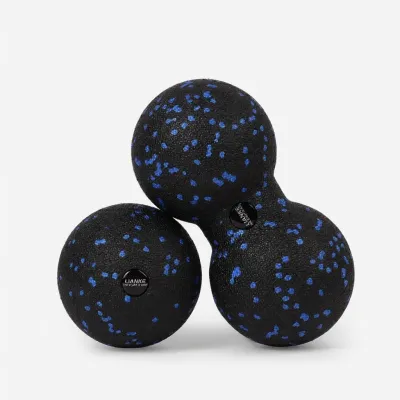
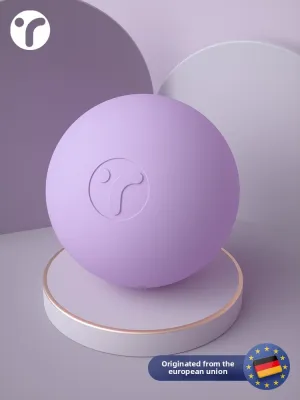

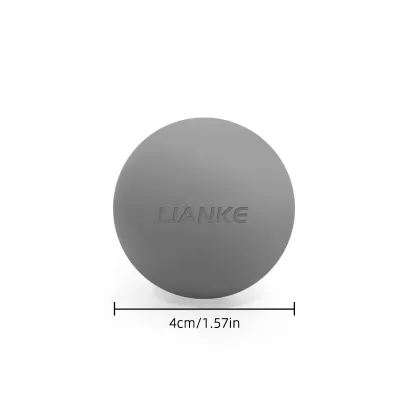
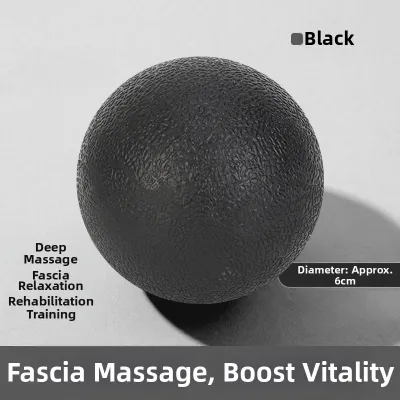

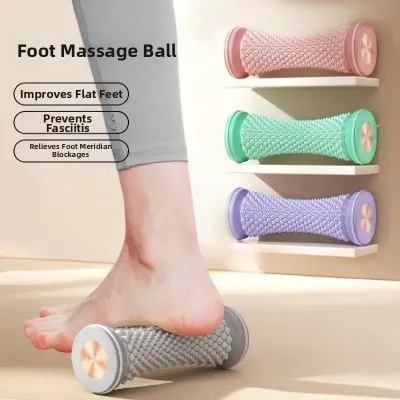

Prices are valid at publication and may change. Please refer to the product page for the latest price.
Your specific physical goals should dictate how you combine these tools. If you are recovering from minor fatigue after long runs, your focus might lean toward tissue release using the ball and a roller. If you are looking to improve your balance for heavy squats or agility work, your routine should prioritize active strengthening with resistance bands alongside the arch ball. Tailoring the combination to your daily activities prevents overworking the tissues while maximizing the functional benefits of each session.
Essential Gym Accessories to Pair with Your Foot Arch Ball
Selecting the right accessories to complement your foot arch training ball requires understanding how different tools interact with your lower limbs. Resistance bands are among the most versatile additions, but you must choose the right style for your specific goals. Flat, elastic loop bands are ideal for wrapping around your toes or forefoot to perform targeted flexor strengthening and ankle inversion or eversion exercises. Tube bands with handles, on the other hand, offer a more secure grip when anchoring the band to a heavy gym rack for high-resistance ankle stability work.

Massage rollers and sticks are another essential category, helping to release tension in the posterior chain before it pulls on your plantar fascia. When choosing a roller, pay close attention to the surface texture and density. A smooth, medium-density foam roller is generally safer for sensitive calf muscles, whereas a grid-textured roller provides deeper pressure for dense muscle tissue. Avoid using extremely hard, knobby rollers directly on the arch of your foot if you are already experiencing soreness, as this can aggravate delicate connective tissues.
Support gear, such as compression sleeves or athletic tape, plays a different role by providing structural feedback during active movement. Compression sleeves can improve local blood flow and offer mild proprioceptive feedback, helping you feel more stable during high-impact transitions. Athletic tape can be used to temporarily support the arch or ankle during dynamic exercises, but it should be applied carefully to avoid restricting natural joint movement.
When purchasing any of these accessories, prioritize material durability and ease of maintenance. Look for resistance bands made from high-quality latex or fabric blends that resist snapping under tension. Ensure your massage rollers have a solid inner core that will not collapse over time, and select materials that are easy to wipe down with a damp cloth after a sweaty gym session. Investing in durable, hygienic tools ensures your foot care routine remains safe and consistent.
How to Structure Your Combined Foot Care Routine
To get the most out of your tools, you should structure your routine into logical phases that prepare, strengthen, and recover your lower limbs. Phase one focuses on tissue preparation, where the goal is to reduce tension in the larger muscles of the lower leg before working on the feet. Start by using a massage roller on your calves and the sides of your shins for a few minutes. Releasing this proximal tension improves ankle mobility, making the subsequent foot exercises much more effective and comfortable.
Phase two transitions into active strengthening, where you combine the arch ball with resistance bands. Begin by rolling the arch ball under your foot using moderate, controlled pressure to stimulate the intrinsic muscles and wake up sensory receptors. Immediately follow this with resistance band exercises, such as toe curls or ankle distractions, to load those newly activated muscles under controlled tension. This sequence teaches your foot and ankle complex to stabilize itself through a full range of motion.
Phase three is the cool-down and support phase, designed to transition your feet back to daily activities or high-impact training. After completing your active exercises, perform gentle, passive stretches for your toes and calves. If you plan to transition immediately into a heavy lifting session or a long run, this is the ideal time to apply athletic tape or slip on a compression sleeve to provide extra sensory feedback and support during your workout.
You should always adjust the variables of your routine based on how your body feels on any given day. If your feet feel particularly fatigued or sore, reduce the resistance of your bands and focus more on gentle rolling with the arch ball. Conversely, on days when your feet feel strong and mobile, you can increase the band tension or perform your arch ball exercises while standing to add more bodyweight pressure. Listening to your body’s feedback prevents overuse injuries and ensures steady progress.
Safety Checks and Usage Boundaries
While combining these gym accessories is highly beneficial, you must establish clear boundaries to protect your feet from strain or injury. It is crucial to distinguish between normal muscle fatigue—which feels like a dull, generalized ache after exercise—and signs of overuse or acute injury. Sharp, shooting pain, localized swelling, or a burning sensation under the heel are clear indicators that your tissues are inflamed and require rest rather than aggressive rolling.
Never combine high-resistance band work with deep, aggressive ball rolling on tissues that are already tender, swollen, or acutely injured. Applying excessive pressure to an inflamed plantar fascia can worsen micro-tears and prolong your recovery time. If you are recovering from a recent ankle sprain or foot injury, avoid unstable movements and focus instead on gentle, non-weight-bearing mobility exercises until your tissue strength improves.
You must stop your routine immediately and consult a qualified physiotherapist or medical professional if you experience sharp pain, numbness, tingling, or persistent structural instability. These symptoms can indicate nerve compression or structural damage that self-care tools cannot resolve. Remember that gym accessories are designed to support healthy movement and recovery; they are not a substitute for professional medical diagnosis, personalized rehabilitation plans, or proper athletic training.
Finally, verify that any support gear you use, such as compression sleeves or athletic tape, is applied correctly and does not restrict healthy blood flow. If your toes feel cold, turn pale, or begin to tingle while wearing support gear, remove it immediately. Ensure that your footwear fits comfortably over any sleeves or tape without pinching your toes, as restricted toe splay can counteract the benefits of your arch strengthening exercises.
Frequently Asked Questions (FAQ)
Can I use a foot arch training ball and resistance bands every day?
You can use a foot arch training ball for gentle, low-pressure rolling on a daily basis to relieve tension and improve sensory awareness. However, high-resistance strengthening exercises with bands should be treated like any other strength workout, requiring rest days in between to allow muscle fibers to recover. If you notice persistent soreness, morning stiffness, or a decrease in foot strength, reduce the frequency of your sessions and allow your feet to rest.
Should I use the massage roller before or after the arch ball exercises?
It is generally most effective to use the massage roller on your calves and lower legs before starting your arch ball exercises. Releasing tension in the calf muscles first improves ankle dorsiflexion, which allows your foot to move through a healthier range of motion during targeted arch training. However, if you have completed a high-intensity workout, you can also use the roller afterward to help flush out metabolic waste and promote overall lower-leg relaxation.
Community discussion
Share your experience or ask a question. Comments are reviewed before publication.