
Completing a long-distance run requires a delicate balance of hydration and energy management. To carry these essential resources comfortably without disrupting your stride, a reliable running bottle belt is indispensable. Successfully pairing your belt with sports drinks and energy gels ensures you maintain steady stamina, avoid sudden fatigue, and prevent gastrointestinal distress.
Assessing Your Hydration and Energy Needs for Extended Runs
A long run is generally defined as any training session exceeding 60 to 90 minutes. Beyond this threshold, your body’s stored glycogen begins to deplete rapidly, and electrolyte levels drop through sweat loss. Failing to replenish these resources can lead to muscle cramping, cognitive fatigue, and a sudden performance drop.
To sustain your performance, you must understand the distinct roles of hydration and fueling. Hydration focuses on replacing lost fluids and essential minerals, primarily sodium, to maintain blood volume and muscle function. Fueling, on the other hand, involves delivering easily digestible carbohydrates to supply your working muscles with continuous glucose.
Products mentioned in this guide
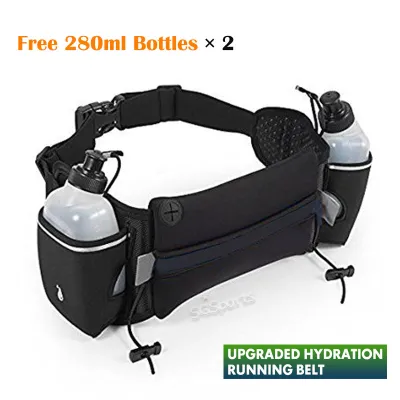
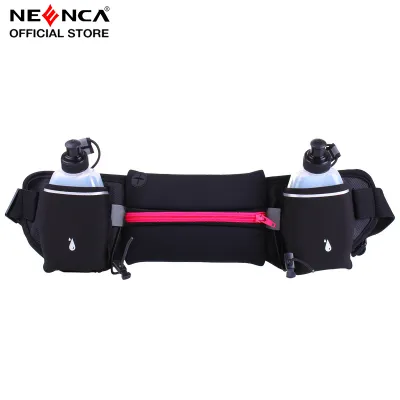
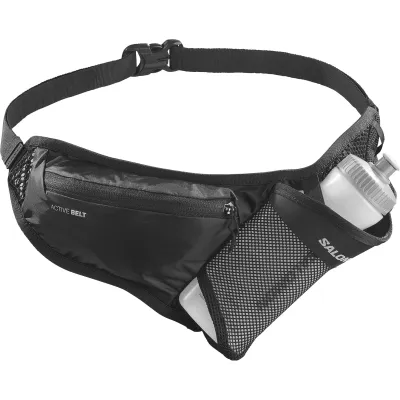
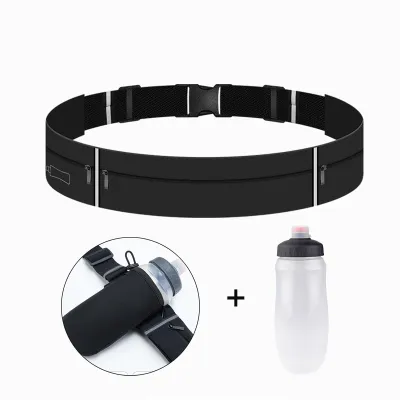
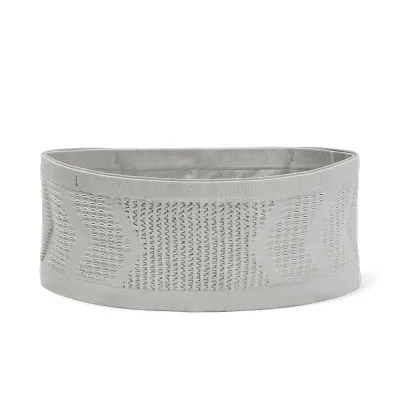
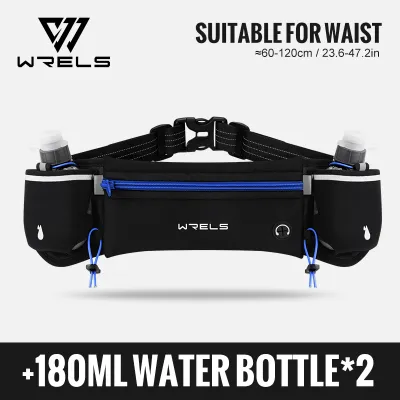
![SG Seller VOZUKO Water Bottle Holder Nylon Minimalist Tactical Molle Bottle Carrier Strap Bottle Rope Belt Bottle Bag for Walking Running Cycling Hiking [089]](https://img.lazcdn.com/g/p/728a3bbd537609e1c3bf3dffe1b3a9ac.jpg_400x400q80.jpg_.webp)
Prices are valid at publication and may change. Please refer to the product page for the latest price.
Because every runner’s physiology is unique, individual needs vary significantly based on sweat rate, body weight, running intensity, and local weather conditions. Rather than following a generic formula, use the manufacturer guidelines on your energy gel and sports drink labels as a baseline. You can then adjust these amounts during your training runs to find your personal sweet spot.
Configuring Your Running Bottle Belt for Liquids and Gels
An organized waist pack is the foundation of a successful long-run fueling strategy. A well-fitted running bottle belt should distribute weight evenly across your hips, preventing annoying bouncing or friction while keeping your nutrition within arm’s reach.

Selecting Bottles and Mixing Liquids
When planning your liquid intake, a dual-bottle running bottle belt offers the most versatile setup. Dedicating one bottle to plain water and the other to a carbohydrate-electrolyte sports drink allows you to separate hydration from fueling. Alternatively, if you prefer a single-bottle belt, carrying a diluted sports drink mixture can provide a mild, steady stream of both fluids and minerals.
Before heading out, verify that your belt’s bottle holsters are compatible with your chosen vessels. Standard rigid bottles require snug, structured sleeves, while soft flasks need flexible, compressible pockets to prevent them from slipping out as they empty. Ensuring a tight fit keeps your fluids secure over uneven terrain.
Additionally, always inspect your bottle caps to confirm they are completely leak-proof. Sticky sports drink spills on your belt, shorts, or hands can cause severe chafing and attract dirt during a long run. A quick pre-run squeeze test over the sink is a simple way to prevent messy accidents on the road.
Securing Energy Gels for Easy Access
Storing your energy gels requires strategic placement to avoid skin irritation and lost packets. Most modern belts feature built-in elastic loops, zippered pockets, or stretch-mesh compartments designed specifically for gel storage. Utilizing these features keeps your nutrition secure and prevents the packets from bouncing against your body.
For the most efficient access, position your gels toward the front or sides of your hips. This placement allows you to slide a packet out with one hand without breaking your running form or disrupting your natural arm swing. Fumbling with a rear pocket mid-stride can break your concentration and alter your running mechanics.
Managing empty, sticky gel packets is another critical consideration for a smooth run. If your belt lacks a dedicated trash pocket, consider using a small, reusable silicone gel flask to mix and carry multiple gel servings. If you prefer individual packets, always tuck the torn tab and empty sleeve securely back into a zippered pocket to avoid littering and keep sticky residue off your gear.
Timing Your Intake: Sequencing Water, Sports Drinks, and Gels
Sustaining your energy throughout a long-distance run requires a structured, proactive approach to consuming your carried nutrition. Waiting until you feel thirsty or completely exhausted is often too late, as your body takes time to absorb nutrients.
Your preparation should begin before you even step out the door. Topping off your hydration and glycogen stores with a small glass of water and a light, carb-rich snack about one to two hours before your run sets a strong foundation. This initial prep ensures you do not start your session in a deficit.
Once you are moving, focus on pacing your fluid intake rather than drinking in large volumes. Taking small, frequent sips from your running bottle belt every 15 to 20 minutes keeps your hydration levels stable. Gulping down half a bottle at once can cause fluid to slosh uncomfortably in your stomach, leading to nausea and cramping.
To maintain steady blood glucose levels, schedule your energy gels at regular intervals, typically every 45 to 60 minutes. Because carbohydrate content varies across different brands, check the nutrition facts on your gel packaging to determine the exact timing that matches your target hourly carb intake. Consuming these gels before you feel tired helps prevent sudden performance drops.
The most critical rule of sequencing is to always wash your energy gels down with plain water from your belt, never with a sports drink. Gels are highly concentrated, and swallowing them with another sugary liquid delays gastric emptying, forcing water out of your bloodstream and into your stomach. This delay can lead to severe stomach upset and slow down nutrient absorption.
Preventing Gut Distress: Mixing Rules and Common Mistakes
Gastrointestinal issues are among the most common reasons runners fail to finish long runs or races. Understanding how different carbohydrate sources interact in your digestive system can help you avoid painful stomach cramps and bloating.
The primary cause of mid-run stomach distress is sugar overload. Combining a high-carbohydrate sports drink with a concentrated energy gel creates a hypertonic environment in your stomach. Your gut cannot process this sudden influx of sugar quickly, resulting in fluid retention, bloating, and nausea. Always keep your water bottle filled with plain water to dilute these concentrated gels.
To optimize absorption, read the ingredient labels of your sports drinks and gels carefully. Look for products that utilize multiple transportable carbohydrates, such as a blend of glucose and fructose. This combination uses different pathways in your gut, allowing you to absorb more carbohydrates per hour than glucose alone without overloading a single pathway.
The golden rule of endurance running is to never try anything new on race day. Use your long training runs to test your specific running bottle belt configuration, drink flavors, gel brands, and timing strategies. This trial period allows your digestive system to adapt to processing fuel under physical stress and helps you identify which products work best for your body.
Finally, maintain your gear to ensure long-term usability and hygiene. Dried sports drinks and gel residues can degrade the elastic fibers of your belt and encourage bacterial growth in your bottles. Thoroughly wipe down your belt with a damp cloth and wash your bottles with warm, soapy water immediately after every run to keep them fresh and functional.
Adapting Your Fueling Strategy for Singapore's Tropical Climate
Running in Singapore’s year-round hot and humid climate introduces unique physiological challenges that require careful adjustments to your fueling and hydration plans. High humidity prevents sweat from evaporating efficiently, raising your core body temperature and dramatically increasing your sweat rate.
To compensate for this rapid fluid and electrolyte loss, you must adjust the contents of your running bottle belt. Consider increasing the concentration of electrolytes, particularly sodium, in your sports drink bottle, or carrying electrolyte capsules in your belt’s zippered pocket. Increasing the frequency of your sips to every 10 to 15 minutes can also help offset dehydration.
Heavy sweating also affects how your gear sits on your body. A belt worn directly against wet skin or a saturated cotton shirt is highly likely to slip, bounce, or cause severe friction burns. Wearing high-quality, moisture-wicking synthetic clothing underneath your running bottle belt helps channel sweat away, ensuring the belt remains securely positioned on your waistline.
Most importantly, remember that no equipment or fueling schedule can replace sound physical judgment. If you experience symptoms of heat exhaustion, such as extreme dizziness, headache, chills, or a sudden cessation of sweating, stop running immediately. Find shade, sip plain water, and prioritize your safety over completing your scheduled mileage.
Community discussion
Share your experience or ask a question. Comments are reviewed before publication.