
To retrieve a popper lure effectively, you must master a rhythmic sequence of sharp rod sweeps, controlled slack line management, and strategic pauses. The primary goal of a topwater popper is to mimic a wounded or fleeing baitfish struggling on the water’s surface. Achieving this requires more than simply cranking your reel; it demands active rod manipulation to force the lure’s cupped mouth to displace water, creating a distinct popping sound and splash. By coordinating your physical movements with the behavior of your target species, you can trigger highly aggressive, visual surface strikes from predatory fish.
Successful topwater fishing relies heavily on patience and observation. Whether you are casting into the quiet reservoirs of Singapore for predatory peacock bass and giant snakehead (toman), or targeting coastal barramundi along structure-heavy shorelines, the cadence of your retrieve must adapt to the immediate environment. Understanding how your gear, your technique, and the water conditions interact is the key to turning quiet surface glides into explosive hookups.
Understanding the Popper Lure's Surface Action
A popper lure is a highly specialized topwater hard bait characterized by its concave, cupped face. Unlike minnow lures or crankbaits that use a plastic lip to dive beneath the surface, a popper is designed to remain buoyant, riding high on the water column. When you pull the lure forward, the cupped face acts as a plow, trapping a pocket of air and forcing a volume of water forward and upward. This hydrodynamic resistance creates a dual sensory trigger: a visual splash of droplets mimicking fleeing baitfish, and a low-frequency acoustic “bloop” or “pop” that travels through the water.
Products mentioned in this guide
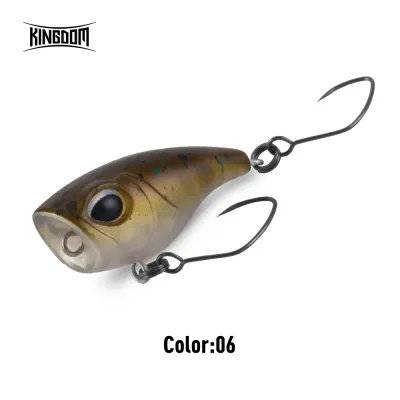
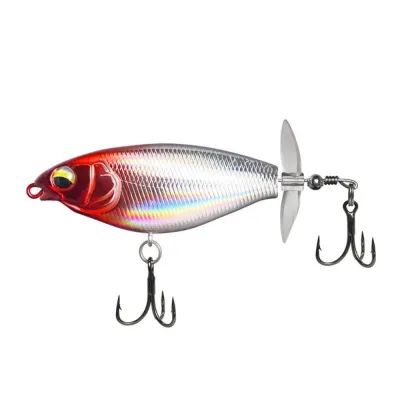
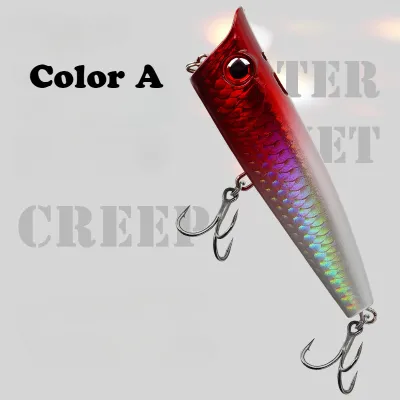
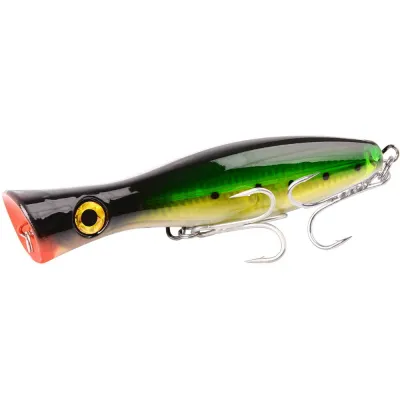
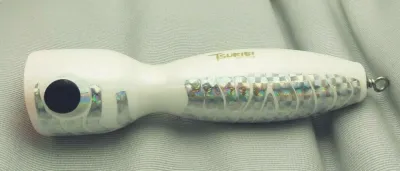
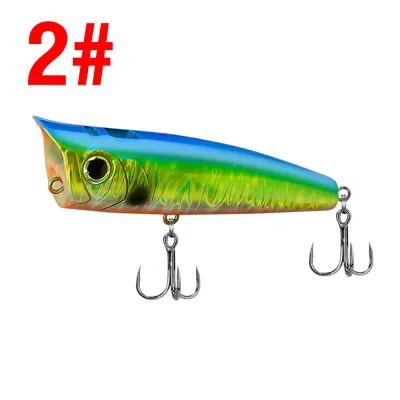
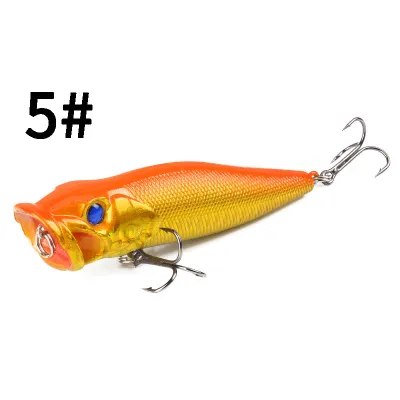
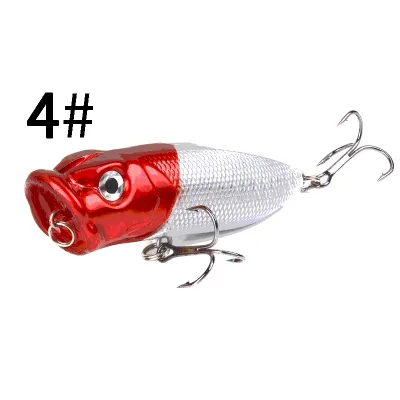
Prices are valid at publication and may change. Please refer to the product page for the latest price.
Predatory fish are highly attuned to surface disturbances. In natural ecosystems, an injured fish or a terrestrial insect struggling on the surface produces chaotic, erratic vibrations. Predators like bass, barramundi, and snakeheads use their lateral lines to detect these low-frequency acoustic waves from a distance, even in murky water or dense cover. Once drawn closer, the visual splash and the silhouette of the resting lure against the sky trigger an instinctual predatory response. This reaction is often highly aggressive, as the predator attempts to disable the prey quickly before it can escape.
Gear Setup for Effective Popping
Executing the sharp, precise movements required to work a popper requires a carefully balanced rod, reel, and line setup. The wrong tackle absorbs rod sweep energy, leading to sluggish action.

- Rod Selection: A suitable rod for topwater popping is a medium-heavy to heavy power casting or spinning rod measuring 6 feet 6 inches to 7 feet. A fast or extra-fast action tip is highly recommended because it bends primarily in the top third of the blank. This stiffness allows you to transmit sharp, immediate energy from your wrist to the lure with minimal lag, while providing the backbone to pull aggressive fish away from heavy structures. A reliable rod in this category generally ranges from S$80 to S$250.
- Line Choice: Braided line is preferred for topwater popper fishing due to its zero stretch. This lack of elasticity ensures that every twitch of your rod tip translates directly into lure movement, allowing for crisp pops at the end of a long cast. Braid also floats, keeping your line on top of the water and preventing it from dragging the nose of your popper downward. A 15-pound to 30-pound test braid is ideal for most freshwater and light saltwater applications.
- Leader Material: To counter braid's high visibility and low abrasion resistance, attach a 1.5-meter to 2-meter leader using an FG knot. For poppers, a heavy monofilament leader is preferred over fluorocarbon because monofilament floats or sinks very slowly, keeping the nose of the popper upright. Fluorocarbon is denser and sinks, which can pull the nose of smaller poppers down and ruin their action.
- Lure Weight and Size: Match your lure size to the local baitfish and your rod's casting weight limits. For smaller freshwater species like peacock bass, poppers in the 5cm to 8cm range weighing 7g to 14g are highly effective. For larger saltwater predators or giant snakeheads, scale up to 10cm to 15cm poppers weighing 20g to 50g.
Step-by-Step Guide to the Perfect Popper Retrieve
The Cast, Landing, and Initial Pause
Begin by casting your popper toward promising structures such as weed edges, overhanging trees, submerged rocks, or shadow lines. Accuracy is crucial, as predatory fish often wait in ambush close to cover. Once your lure hits the water, resist the immediate urge to begin retrieving.
Let the popper sit completely still until the concentric ripples generated by the splash have fully dissipated. This initial pause can last anywhere from 5 to 10 seconds. In highly pressured waters, the sudden splash of a lure landing can initially startle nearby fish. Allowing the lure to rest quietly gives the fish time to recover from the shock, locate the source of the sound, and approach it out of curiosity. Often, a predator will strike the popper during this initial, motionless pause before you have even made a single movement.
The "Pop" and Slack Line Technique
To initiate the popping action, position your body so you can work the rod comfortably. Start with your rod tip pointed low, roughly at a 45-degree angle toward the water’s surface.
To create the pop, execute a sharp, downward or sideways sweep of the rod tip, moving it roughly 30 to 60 centimeters in a quick, snapping motion. This sudden pull forces the cupped face of the lure to dig into the surface, displacing water forward and creating the signature acoustic “bloop.”
The most critical step occurs immediately after the sweep: you must instantly return the rod tip back to its starting position, creating a brief moment of slack line. Only after returning the rod tip should you turn the reel handle to collect the excess slack. If you keep the line tight immediately after the sweep, you will drag the popper forward in an unnatural, sliding motion, preventing it from resting naturally and dampening its secondary vibrations. The “pop” must be generated entirely by the rod sweep, while the reel’s only job is to manage the slack line.
Establishing the Cadence and Pauses
Once you have mastered the mechanical pop-and-slack sequence, you must combine these movements into a cohesive rhythm. A foundational baseline retrieve is the “pop-pop-pause” cadence. This involves executing two quick, consecutive pops followed by a dead pause of 3 to 5 seconds.
The pause is the most critical component of any topwater retrieve. Predatory fish are often hesitant to strike a rapidly moving target on the surface, as it requires significant energy to chase down. The pause presents the lure as an easy, incapacitated target that is unable to escape. Nearly 80% of topwater strikes occur when the popper is sitting completely still during a pause.
You must continuously read the water and adjust your pauses. If the fish are highly active and aggressively chasing bait, a faster, more aggressive cadence with shorter pauses (1 to 2 seconds) can trigger competitive reaction strikes. Conversely, if the water is cold, the sun is bright, or the fish are sluggish, extend your pauses to 10 seconds or more to coax cautious predators into striking.
Adjusting Your Retrieve for Water Conditions
Environmental factors heavily influence how fish perceive your lure. To remain effective, you must adapt the volume and speed of your retrieve to match the water’s surface conditions and ambient light levels.
- Calm, Glassy Water: On quiet, windless days when the water surface resembles a mirror, sound and vibration travel exceptionally well. In these conditions, aggressive, loud pops can easily scare fish away. Instead, transition to a highly subtle presentation. Use gentle, soft twitches of the rod tip to create small, quiet ripples and tiny splashes rather than loud bloops. Extend your pauses significantly, sometimes up to 15 seconds, allowing the fish plenty of time to inspect the lure without being startled by sudden, violent movements.
- Choppy or Windy Water: When wind creates surface chop or waves, your lure must compete with a high level of ambient noise and visual clutter. A subtle twitch will go unnoticed in rough water. To cut through the chop, execute hard, aggressive rod sweeps to maximize the volume of the pop and the height of the splash. You want the lure to make a loud, distinct sound that fish can locate through the surface turbulence. Keep your cadence slightly faster and your pauses shorter to prevent the lure from getting lost in the rolling waves.
- Low Light vs. Bright Sun: During low-light periods such as dawn, dusk, or heavily overcast days, predatory fish actively patrol shallower water and are highly confident feeders. This is prime time for topwater action. You can use a more consistent, active cadence to cover water quickly and locate active schools. Under bright, midday sun, fish typically retreat to deeper water or seek refuge deep within heavy shade and cover. To catch fish during these hours, you must cast your popper directly into the tightest shade pockets under overhanging vegetation and work the lure with extremely slow, deliberate pops and exceptionally long pauses, keeping the lure in the strike zone as long as possible.
Common Popping Mistakes and How to Fix Them
Even experienced anglers fall into habits that reduce the effectiveness of their topwater presentations. Recognizing and correcting these common errors will significantly improve your hookup ratio.
- Retrieving Too Fast: Many beginners treat a popper like a swim bait or crankbait, continuously reeling while twitching the rod. This deprives the lure of the essential pauses that trigger strikes. Always remind yourself that the pause is when the magic happens; if you are not pausing, you are missing fish.
- Keeping the Rod Tip Too High: Holding your rod tip high in the air (at a 12 o'clock or 10 o'clock position) pulls the line upward. This upward angle lifts the nose of the popper out of the water, causing it to skip across the surface or dive underwater rather than digging in to create a splash. Always keep your rod tip pointed down toward the water (between a 7 o'clock and 9 o'clock position) during the sweep.
- Ignoring Slack Line: While creating slack line immediately after a pop is necessary to let the lure rest naturally, leaving too much loose, uncontrolled slack in your line will prevent you from setting the hook when a fish strikes. You must strike a balance: slack should be introduced momentarily to let the lure settle, then quickly wound up so you maintain a semi-taut connection to the lure.
- Premature Hookset: The visual explosion of a topwater strike is highly exciting, often causing anglers to instantly whip the rod back to set the hook. However, fish often miss the lure on their initial strike or need a split second to fully close their mouths and turn. Setting the hook too quickly simply pulls the lure away from the fish. When you see a strike, wait until you physically feel the weight of the fish on your rod blank before executing a firm, sweeping hookset.
Frequently Asked Questions (FAQ)
What is the best time of day to use a popper lure?
The most productive times to use a popper lure are during low-light periods, specifically early morning from dawn until about two hours after sunrise, and late afternoon from two hours before sunset until dusk. During these windows, water temperatures are typically cooler, and predatory fish move into shallower water near shorelines and structure to actively hunt. Overcast or rainy days also provide excellent topwater opportunities throughout the entire day, as the reduced light levels keep predators active and comfortable near the surface.
Why does my popper lure keep diving underwater instead of popping?
If your popper lure is diving or submerging rather than creating a surface splash, it is usually caused by keeping your rod tip pointed too high or retrieving the lure too quickly without allowing for slack line. A high rod tip lifts the line, pulling the nose of the popper upward and causing it to slip or plunge under the surface when pulled. Additionally, using a heavy sinking leader like fluorocarbon can weight down the nose of the lure. To fix this, lower your rod tip, switch to a floating monofilament leader, and ensure you are pausing to let the lure stabilize on the surface before executing your next sweep.
Community discussion
Share your experience or ask a question. Comments are reviewed before publication.