
Using an arched back stretcher as a Pilates beginner can be an excellent way to support spinal extension, improve posture, and release tension accumulated from long hours of sitting. However, because the spine is a delicate structure, introducing a passive back arching tool requires a mindful, safety-first approach. To use a back stretcher safely, you must prioritize correct alignment, verify the stability of your equipment, and progress slowly rather than forcing your body into a deep backbend. By combining the core-centric principles of Pilates with careful physical awareness, you can enjoy the benefits of spinal decompression without risking strain or injury.
Preparing Your Body and Equipment for Safe Use
Before using your back stretcher, thoroughly inspect its structural integrity. Most models are made of molded plastic or wood, featuring a multi-level arch with a central foam strip to cushion the spine. Check that the arch is securely slotted into its base and shows no signs of stress fractures, warping, or cracking. If your model uses an adjustable slot system, ensure the arch is fully engaged in the chosen groove so it cannot slip out under your body weight.
The surface where you place the stretcher is critical for safety. Never use the device on bare tile, polished wood, or loose rugs, as these can cause the stretcher to slide when you lie down. Instead, place the back stretcher flat on a high-grip, non-slip Pilates mat. This ensures the base remains anchored to the floor, providing a stable foundation that supports your weight evenly.
Products mentioned in this guide
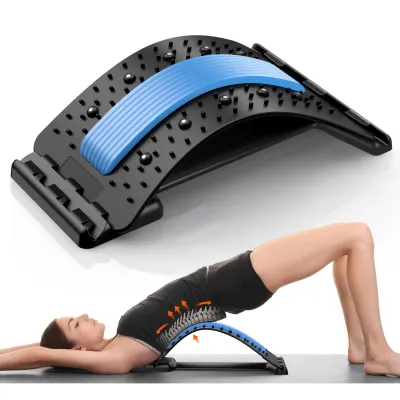
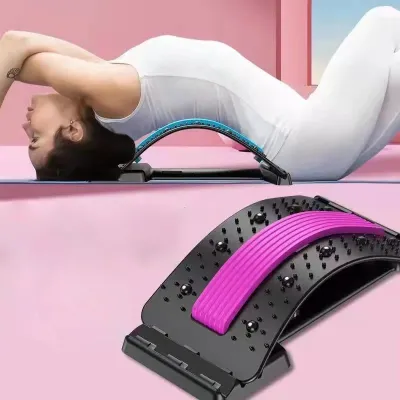
![[SG Ready Stock] Back Stretcher Back Pain Relief Back Massager Back Posture Lumbar Support Lower Back Support Relax The Waist](https://img.lazcdn.com/g/p/a1152bdd15cf63f79322e5491e9a35e9.jpg_400x400q80.jpg_.webp)
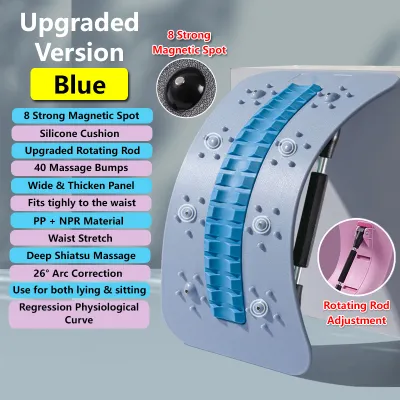
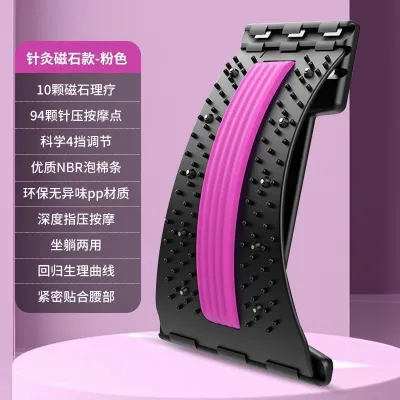
![[SG In Stock]Magnetic Therapy Acupuncture Massage Lumbar Stretcher Back Magnetic Therapy Points Spinal Pain Orthosis 顶腰板](https://img.lazcdn.com/g/p/e57ded254095fef5bf486919a59c4080.jpg_400x400q80.jpg_.webp)
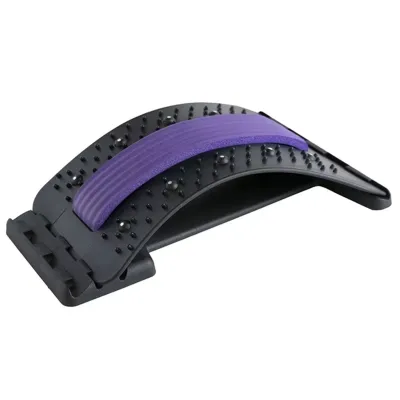
Prices are valid at publication and may change. Please refer to the product page for the latest price.
Preparing your body is just as important as checking your gear. Lying down on a cold, stiff spine can lead to muscle guarding or acute strain. Spend five to ten minutes warming up your core and back muscles with gentle, dynamic movements. Simple Pilates exercises like pelvic tilts, gentle cat-cow stretches, and light spine twists are ideal for increasing blood flow and lubricating the spinal joints.
Finally, approach the back stretcher with a mindset focused on comfort rather than achieving a dramatic arch. Many beginners assume they need to use the highest arch setting immediately. In reality, your initial sessions should focus entirely on the lowest, gentlest setting. Your goal is to find a position where your muscles can completely relax, rather than fighting against a painful or forced stretch.
Step-by-Step Guide to Foundational Back Stretcher Poses
To begin your session, sit on your Pilates mat with your knees bent and your feet flat on the floor, spaced about hip-width apart. Place the wide end of the back stretcher directly behind your lower back, touching or positioned just a few centimeters away from your sacrum. The narrow end of the arch should point toward your head. This orientation ensures that the curve of the device matches the natural anatomical curvature of your lumbar and thoracic spine.

Slowly lower your torso onto the stretcher, using your hands and forearms on either side of your body to support your weight as you descend. As your spine makes contact with the central foam strip, adjust your position slightly so that your vertebrae rest comfortably along the middle channel. Your pelvis should remain heavy and grounded on the mat; do not allow your buttocks to lift off the floor, as this alters the angle of the stretch and places unnecessary pressure on your lower back.
Once your back is fully supported by the arch, focus on your breathing, which is a fundamental pillar of Pilates practice. Inhale deeply through your nose, allowing your ribcage to expand laterally, and exhale slowly through your mouth. Avoid shallow chest breathing, which can trigger a fight-or-flight response and cause your back muscles to tense up. Deep, controlled exhalations encourage your nervous system to relax, allowing your muscles to yield to the shape of the stretcher.
For your arms, start with the most supported position by resting them flat on the floor alongside your torso, palms facing up. If this feels comfortable and you experience no pinching in your shoulders or neck, you can gradually progress. Try placing your hands gently on your lower abdomen, or widen them out to a “T” shape on the floor to open up the chest. Only progress to extending your arms overhead along the floor if your spine is fully relaxed and you feel no strain in your upper back or shoulders.
When you are ready to exit the pose, do not attempt to sit straight up, as this action engages the abdominal muscles in a way that can compress the extended spine. Instead, gently roll your entire body to one side, sliding off the stretcher onto your side in a fetal position. Rest on your side for a few breaths to allow your spine to adjust, then use your hands to slowly push yourself up to a seated position.
Essential Safety Rules and When to Stop Stretching
Understanding the difference between a productive stretch and a harmful strain is vital when using any passive spinal extension tool. A safe, effective stretch should feel like a mild, broad tension or a gentle opening across your abdomen, chest, and front hips. It should never feel sharp, localized, or intense. If you feel a pinching sensation in your lower back or neck, your spine is telling you that the arch is too high or your positioning is incorrect.
There are several clear physical signals that indicate you must stop the stretch immediately. If you experience any numbness, tingling, or a “pins and needles” sensation in your legs, feet, arms, or hands, roll off the device right away. These symptoms suggest nerve compression, which can occur if the spine is hyperextended beyond its comfortable limits. Similarly, if you feel dizzy, lightheaded, or nauseous when lying on the stretcher, exit the pose immediately, as these sensations can be linked to changes in blood flow or neck alignment.
Certain pre-existing conditions require you to avoid using a back stretcher altogether until you have consulted a healthcare professional or a certified Pilates instructor. If you have been diagnosed with osteoporosis, spondylolisthesis, spinal stenosis, herniated discs, or severe arthritis, passive back bending can exacerbate your symptoms. A qualified professional can assess your specific spinal mechanics and determine if a back stretcher is appropriate, or suggest safer, active alternatives to improve your mobility.
Common Beginner Mistakes and How to Correct Them
One of the most frequent mistakes beginners make is rushing their progression. It is common to feel impatient and adjust the stretcher to its maximum height after only one or two comfortable sessions. However, spinal remodeling and muscle adaptation take time. Forcing your back into a deep extension before your ligaments and muscles have adapted can lead to acute muscle spasms. Keep the device on its lowest setting for several weeks until your body completely adapts.
Another common error is holding your breath or tensing your upper body while on the stretcher. When the stretch feels intense, the natural instinct is to clench the jaw, shrug the shoulders toward the ears, and hold the breath. This tension travels down the spine, counteracting the decompression benefits of the device. To correct this, consciously scan your body from head to toe, relaxing your jaw, softening your shoulders, and maintaining a steady, rhythmic Pilates breath.
Lastly, many users compromise their safety by using the back stretcher on improper surfaces. Placing the device on a slippery tiled floor or a loose rug can cause it to slide out from under you as you lower your body weight. This sudden movement can jar your spine and cause painful muscle strains. Always ensure your stretcher is placed on a high-friction, clean Pilates mat, and verify that the mat itself does not slide on the floor.
Integrating the Back Stretcher into Your Pilates Flow
To get the most out of your back stretcher, you should integrate it logically into your overall Pilates routine rather than using it as an isolated tool. A highly effective approach is to use the stretcher at the very end of your workout as a cool-down tool. After performing core-strengthening and spinal-flexion exercises, a few minutes of passive extension on the stretcher can help restore balance to your posture and release residual tension in the back muscles.
When sequencing your movements, always pair passive back extension with complementary active exercises. For example, after spending a few minutes on the back stretcher, transition to gentle, active spinal flexion, such as a seated spine stretch forward or a gentle rolling back exercise. This contrast helps re-engage your deep abdominal muscles and ensures your spine remains stable and supported throughout its full range of motion.
Pay close attention to your training frequency and overall volume. As a beginner, you do not need to use the back stretcher every day. Start by incorporating it into your routine two to three times a week for short sessions. Monitor how your back feels the following day; if you experience any lingering soreness or stiffness, reduce the frequency or duration of your sessions, allowing your body ample time to recover and adapt to the new movement patterns.
Frequently Asked Questions (FAQ)
Can I use a back stretcher if I have a history of lower back pain?
If you have a history of lower back pain, you must exercise extreme caution and consult a doctor or physical therapist before using a back stretcher. Lower back pain can stem from various underlying issues, such as disc herniations, joint inflammation, or muscular imbalances. While passive extension can relieve tension for some, it can severely aggravate symptoms for others, particularly those with conditions like spondylolisthesis or spinal stenosis. A healthcare professional can evaluate your specific condition and provide personalized guidance on whether a back stretcher is safe for your spine.
How long should a beginner stay on the back stretcher per session?
As a beginner, you should start with very short sessions of just one to two minutes to see how your body responds. Avoid the temptation to lie on the device for extended periods, as prolonged static stretching can overstretch ligaments and lead to muscle guarding or instability. If you feel comfortable and experience no adverse symptoms like numbness or dizziness, you can gradually increase the duration to a maximum of five minutes per session. Always prioritize your body’s feedback over a timer; if you feel any discomfort, exit the stretch immediately.
Community discussion
Share your experience or ask a question. Comments are reviewed before publication.