
Finding the right gym grip pad rubber accessory in Singapore requires balancing tactile feedback, sweat management, and palm protection. In a tropical climate where humidity levels regularly exceed 80 percent, maintaining a secure hold on barbells, dumbbells, and pull-up bars is a constant challenge. Traditional chalk can be messy and is often restricted in commercial fitness centers, while full-fingered gloves can trap heat and sweat, leading to discomfort and odor. Rubber grip pads offer a minimalist, high-friction alternative that shields your hands from painful calluses while maximizing your lifting security. By focusing on material density, surface texture, and ergonomic design, you can select a durable pair of grip pads that elevates your training performance without compromising your natural grip mechanics.
Why Use Rubber Grip Pads for Weightlifting
During high-volume strength training, your hands are the primary point of contact with the load. Repetitive friction against knurled steel bars can quickly cause painful blisters, tears, and thick calluses. Rubber grip pads act as a protective barrier, absorbing the shear forces that occur during pulling movements like deadlifts, rows, and pull-ups. By preventing skin damage, these pads allow you to complete your planned training volume without being limited by localized hand pain.
Beyond skin protection, rubber grip pads significantly enhance grip security. When lifting heavy weights, your hands naturally sweat, reducing the coefficient of friction between your skin and the bar. High-quality rubber compounds provide an inherent tackiness that resists moisture, ensuring a stable connection even during intense workouts in non-air-conditioned spaces. This added friction reduces the neural drive required to keep the bar from slipping, allowing you to focus more mental and physical energy on contracting the target muscle groups.
Products mentioned in this guide
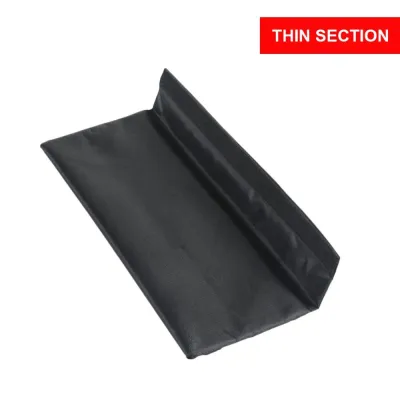
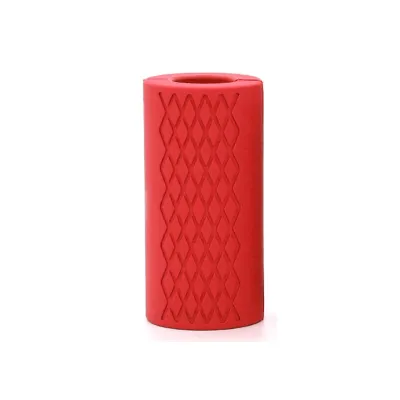
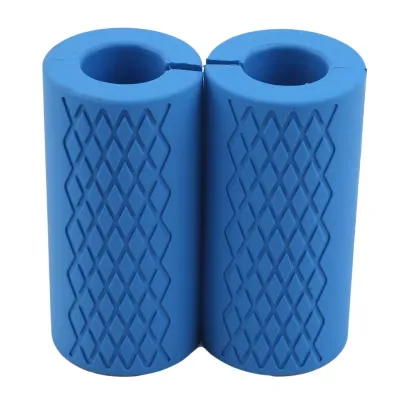
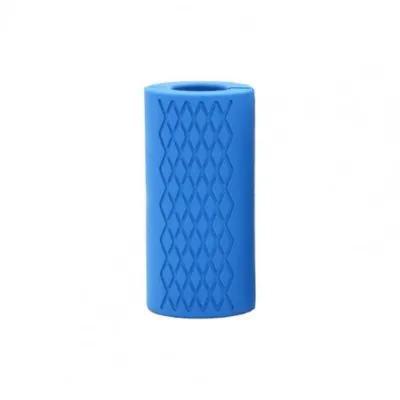
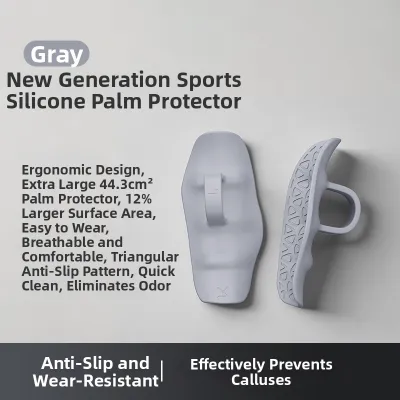
Prices are valid at publication and may change. Please refer to the product page for the latest price.
It is important to distinguish grip pads from other common gym accessories like lifting straps and weightlifting gloves. Weightlifting gloves cover the entire hand, which often traps heat and sweat, leading to rapid material degradation and unpleasant odors. Lifting straps wrap around the bar to mechanically lock your wrists to the weight, which is ideal for maximal pulling but completely bypasses your grip development. Rubber grip pads offer a middle ground: they provide a quick-deploying, highly ventilated barrier that sits directly in your palm, preserving your hand’s natural shape and allowing you to quickly grip and release the bar between sets.
Key Features to Evaluate in Gym Grip Pads
When shopping for gym grip pads, the material composition is the most critical factor determining durability and performance. Natural rubber pads offer exceptional natural tackiness and flexibility, conforming easily to the contours of your hand and the bar. However, natural rubber can be sensitive to body oils and UV exposure over time. Synthetic rubbers, such as textured silicone or high-density EPDM, offer superior resistance to sweat, oils, and friction, making them highly durable options for daily gym use. Many premium pads feature a dual-layer design, combining a textured rubber outer grip with a soft neoprene backing. The neoprene layer cushions the palm, absorbs minor vibrations, and prevents the pad from sliding against your skin.

The thickness of the pad directly influences the balance between bar feel and palm protection. Thin grip pads, ranging from 1mm to 2mm, are favored by lifters who want to maintain a close connection to the bar’s knurling. These thin pads provide just enough protection to prevent skin tears while allowing you to feel the bar’s rotation and position. Conversely, thicker pads (3mm to 5mm) offer maximum cushioning, which is highly beneficial for heavy pressing movements or high-rep dumbbell training. However, thicker pads increase the effective diameter of the bar, which can challenge your grip strength if you have smaller hands.
Surface texture plays a vital role in slip prevention. Look for rubber pads that feature molded tread patterns, such as hexagonal grids, cross-hatch textures, or raised ridges. These patterns create channels for sweat to disperse, ensuring that the rubber maintains direct contact with the metal surface even under wet conditions. Smooth rubber pads should generally be avoided, as they can become slippery when coated in sweat.
Ergonomics and sizing options determine how securely the pad stays positioned on your hand. Some grip pads are simple rectangular sheets of rubber, while others are contoured to match the natural curve of your palm. Finger loops—typically made of flexible neoprene or elastic bands—are essential for keeping the pad aligned with your knuckles during dynamic movements. Additionally, some models feature integrated wrist wraps, which provide extra joint stability during heavy pressing exercises, though they make the accessory bulkier and less breathable.
Matching Grip Pads to Your Training Style
Your specific workout routine should dictate the style of rubber grip pad you choose. For bodybuilding and hypertrophy-focused training, the primary goal is to isolate target muscles through high-rep sets on machines, cables, and dumbbells. In this scenario, comfort and convenience are paramount. A moderately padded grip pad (around 3mm) with quick-release finger loops is ideal. This setup allows you to transition rapidly between different exercises, such as moving from a lat pulldown to a dumbbell lateral raise, without having to constantly adjust or remove your hand protection.
Powerlifting and heavy compound lifting demand a different set of priorities. When performing heavy squats, bench presses, and overhead presses, maintaining a rigid, stable connection to the barbell is crucial. For these movements, a thin, dense rubber grip pad (1mm to 2mm) is highly recommended. The thin profile ensures that your hand remains close to the bar, preserving your natural grip mechanics and preventing the bar from rolling in your palms. Dense rubber does not compress excessively under heavy loads, ensuring that your force transfer remains direct and stable.
For cross-training and functional fitness enthusiasts, versatility and durability are key. Workouts in this category often combine high-rep barbell lifts with gymnastics movements like pull-ups, muscle-ups, and kettlebell swings. Grip pads for this training style must be exceptionally durable to withstand the high-velocity friction of swinging movements. Look for lightweight, highly breathable materials with secure finger loops that prevent the pad from flapping or shifting mid-set. The rubber should be flexible enough to wrap around pull-up bars and kettlebell handles seamlessly, allowing for rapid transitions without interrupting your workout flow.
How to Evaluate and Shortlist Grip Pads
Selecting the right rubber grip pads from online marketplaces or local sports stores in Singapore requires a systematic approach to verify quality and value. Start by carefully reading the product descriptions. Look for explicit details regarding the material type (such as natural rubber or textured silicone) and the exact thickness in millimeters. Avoid products that rely solely on vague marketing terms like “ultra-grip” or “indestructible” without providing concrete physical specifications.
User reviews are an invaluable resource for assessing real-world durability and performance. Pay close attention to reviews written by individuals who train regularly. Look for specific mentions of how well the stitching around the finger loops holds up over several months of use. In Singapore’s humid climate, sweat management is a common pain point; check if reviewers note whether the pads retain moisture, develop persistent odors, or slip when wet. Sizing accuracy is another critical detail to verify in the review section, as some brands may run smaller or larger than standard glove sizes.
When purchasing from e-commerce platforms, always compare the return policies and warranty terms offered by different sellers. Because hand shapes and grip preferences are highly personal, you want the flexibility to return or exchange the pads if they do not fit comfortably or if the finger loops pinch your skin. A seller that offers a straightforward return policy or a short-term warranty against manufacturing defects demonstrates confidence in their product’s construction quality.
Finally, assess the price-to-value ratio rather than relying on brand prestige alone. High-quality rubber grip pads typically range from S$10 to S$40 in the local market. A higher price point should be justified by reinforced double-stitching, premium non-toxic rubber compounds, or ergonomic wrist support systems. Avoid extremely cheap, unbranded options that use low-grade plastics instead of genuine rubber, as these materials tend to crack quickly and offer poor friction when wet.
Care and Maintenance for Rubber Gym Accessories
To maximize the lifespan of your rubber grip pads and maintain hygienic training conditions, a consistent care routine is essential. After every workout, do not simply toss your grip pads into a dark, enclosed gym bag. The high humidity in Singapore creates an ideal breeding ground for bacteria, mold, and mildew, which can quickly ruin the materials and cause stubborn odors. Instead, wipe the rubber and neoprene surfaces down with a clean, damp cloth to remove sweat, skin oils, and chalk residue, then allow them to air-dry completely in a well-ventilated indoor space.
When deep cleaning is required, use only mild cleaning agents. A few drops of gentle dish soap mixed with warm water is sufficient to clean both natural and synthetic rubber. Gently scrub the surfaces with a soft sponge or cloth, rinse thoroughly with clean water, and squeeze out excess moisture from the neoprene backing. Never use harsh chemical cleaners, bleach, or alcohol-based sanitizers, as these substances chemically degrade rubber, causing it to become brittle, crack, or lose its natural tackiness. Additionally, avoid machine washing or tumble drying, as the high heat and mechanical agitation can destroy the stitching and warp the rubber shapes.
Proper storage is equally important for preserving the integrity of the materials. Store your grip pads in a cool, dry place away from direct sunlight. Prolonged exposure to UV rays can cause natural rubber to dry out, discolor, and lose its elasticity. By keeping them clean, dry, and shielded from extreme heat, you can ensure your grip pads remain pliable, grippy, and ready for your next training session.
Frequently Asked Questions (FAQ)
Can I use rubber grip pads for deadlifts?
Yes, rubber grip pads can be used for deadlifts, but they have distinct limitations compared to dedicated lifting straps. Grip pads excel at protecting your palms from friction and improving friction against the bar, making them excellent for warm-up sets and moderate-weight working sets. However, they do not mechanically lock your wrists to the bar. When you transition to maximal loads where your grip strength becomes the absolute limiting factor, dedicated lifting straps are more appropriate, as they transfer the weight directly to your wrists and allow you to lift heavier loads without relying on hand squeeze.
How do I determine the correct size for grip pads?
To find the correct size, start by measuring the width of your palm across the knuckles, excluding your thumb, using a flexible measuring tape. Some manufacturers also require a measurement of your palm length from the base of your wrist to the base of your middle finger. Compare these measurements directly to the brand’s specific sizing chart. If your measurements fall between two sizes, consider your training style: a smaller size offers a tighter, more secure fit with less excess material, while a larger size provides greater overall hand coverage but may bunch up when you close your hand around the bar.
Do rubber grip pads reduce grip strength development?
Using rubber grip pads does not inherently ruin your grip strength development, provided they are used strategically. Grip pads help you overcome grip fatigue, allowing you to train larger muscle groups like your back and hamstrings to their full potential without your hands giving out first. To maintain and build raw grip strength, perform your warm-up sets and lighter compound lifts without any grip aids. You can also incorporate dedicated grip-strengthening exercises, such as farmer’s walks or plate pinches, at the end of your workouts to ensure your hands remain strong and functional.
Community discussion
Share your experience or ask a question. Comments are reviewed before publication.