
Fitting a foldable table tennis table into a typical Singapore HDB flat or condominium unit requires balancing the physical size of the table with the active movement of the players. While a standard regulation table can technically fit inside some larger living rooms or multi-purpose spaces, the actual space required for gameplay is significantly larger than the table itself. To determine if a table fits your home, you must evaluate both its storage footprint and the active clearance zone needed to swing a paddle safely. For most compact apartments, a midsize or space-saving foldable table tennis table offers a more practical setup, whereas a full-size table is typically reserved for spacious open-plan layouts or dedicated recreational rooms.
Understanding Standard and Folded Table Dimensions
To make an informed decision, you must first understand the physical dimensions of a standard table tennis table. According to the International Table Tennis Federation (ITTF), a regulation-size table measures 2.74 meters (9 feet) in length, 1.525 meters (5 feet) in width, and stands 76 centimeters (2.5 feet) above the floor. When fully assembled, this playing surface occupies a substantial portion of any residential room. If you are considering a full-size table, you must ensure your room can accommodate this baseline footprint before even accounting for player movement.
However, a foldable table tennis table is designed to minimize this footprint when not in use. The folded dimensions vary widely depending on the frame design and folding mechanism. Some tables fold into a single, upright structure, while others split into two independent halves that nest together. Typically, a folded full-size table stands about 1.6 to 1.8 meters tall, with a depth or thickness ranging from 50 to 80 centimeters.
Products mentioned in this guide
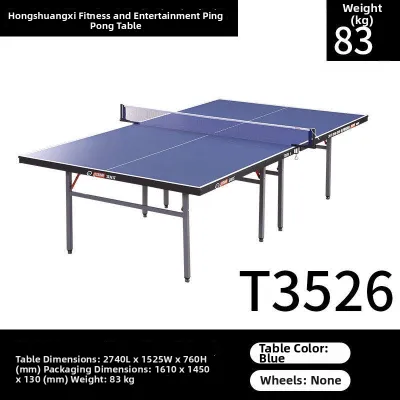
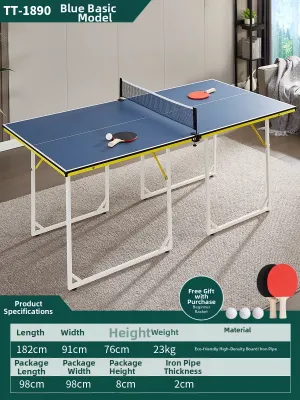
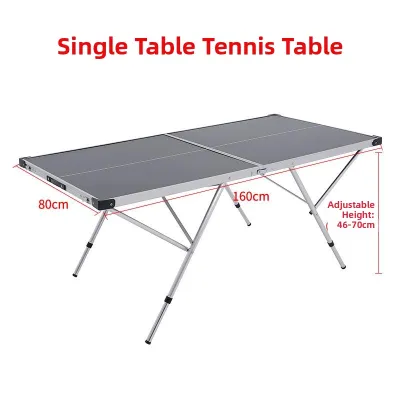
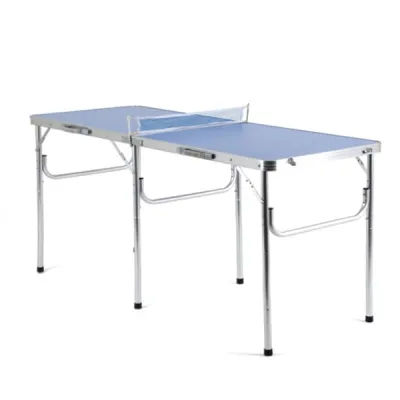
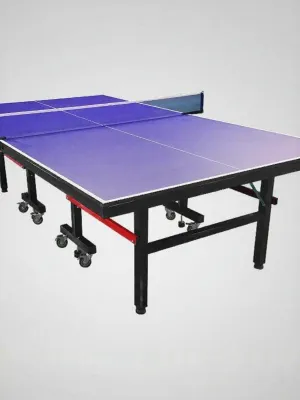
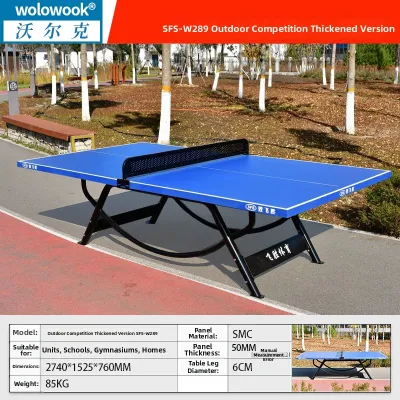
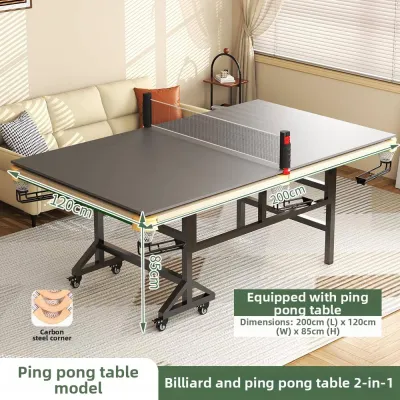
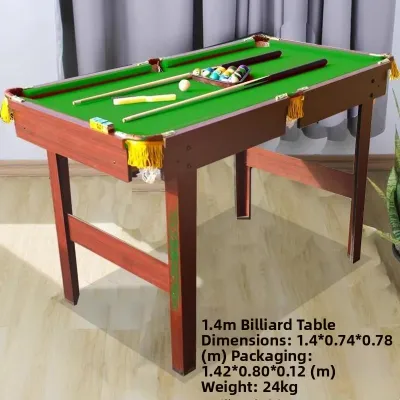
Prices are valid at publication and may change. Please refer to the product page for the latest price.
Because these dimensions are not universal, you should never rely on generic space estimates. Always check the manufacturer’s official specifications for the exact folded height, width, and depth. This is especially critical if you plan to store the table inside a utility closet, behind a sofa, or in a narrow hallway niche where even a few centimeters of clearance can make the difference between a tidy storage solution and an obstructive hazard.
Calculating Your Required Playable Clearance
The most common mistake when buying a foldable table tennis table is measuring only the room’s ability to hold the physical table. Gameplay requires dynamic movement, quick lateral steps, and backswing space. To play comfortably without damaging your home or risking injury, you must calculate the active playable clearance.

As a general guideline, you should aim for a minimum clearance zone of 1.5 to 2 meters behind each end of the table, along with at least 1 meter of clear space on both sides. For a standard 2.74-meter table, this translates to a total required room length of approximately 5.74 to 6.74 meters, and a width of at least 3.525 meters. If your players are highly active, have a wide swing radius, or engage in competitive rallies, you will need to expand these buffer zones further to prevent paddles from striking walls or furniture.
When mapping out your intended play area, look beyond the floor space and account for immovable structural obstacles. In Singapore HDB flats and condos, low-hanging ceiling fans, wall-mounted air conditioning units, and built-in cabinets are common fixtures. A high-arching lob or an enthusiastic overhead smash can easily result in a broken light fixture or a damaged paddle if these vertical and lateral obstacles are ignored. Ensure the path of the ball and the swing of the racket remain completely clear of these household items.
Navigating Delivery and Access Constraints in HDBs and Condos
Before finalizing your purchase, you must plan how the table will physically reach your living room. Foldable table tennis tables are heavy, bulky items that are often delivered in large, rigid cardboard boxes. You must measure the clearance of every access point along the delivery route, starting from the building’s loading bay or drop-off point.
Measure the height, width, and diagonal depth of your estate’s passenger lift to ensure the packaged table can fit inside. Shared corridors in HDB estates and condo lift lobbies often have tight corners or low-hanging pipes that can obstruct delivery. Additionally, measure your unit’s main door frame and any internal hallway doors. If the table cannot clear these entry points, you may face costly return fees or be forced to unbox the unit in a public corridor, which can risk damaging the table’s surface.
Once inside, consider the structural limits of your flooring. A standard foldable table tennis table can weigh anywhere from 50 to over 100 kilograms. When concentrated on small caster wheels, this weight can exert significant pressure on typical high-rise flooring materials like vinyl, laminate, or ceramic tiles. To prevent permanent scratches, indentations, or cracks, plan to use protective floor runners or mats during transport and setup. Finally, verify your ceiling height if you choose a vertical-folding design, as the table must have enough overhead clearance to transition safely into its upright storage position.
Evaluating Folding Mechanisms for Compact Living
The design of the folding mechanism directly impacts how easily and safely you can transition the table between play and storage modes. Most residential tables utilize either a single-fold (one-piece) or a double-fold (two-piece) configuration.
A single-fold table features a connected chassis where both halves fold upward together. This design is highly stable and often allows for a quick setup, but it typically results in a wider and taller folded profile. A double-fold table consists of two completely separate halves, each with its own folding undercarriage. This configuration is advantageous for compact Singapore homes because the two halves can be nested tightly together, significantly reducing the storage depth. Additionally, a double-fold design allows you to set up just one half vertically to act as a playback wall for solo practice.
Safety is paramount when handling heavy recreational equipment in a household environment. Always verify that the table features robust wheel locks on the casters to keep the unit stationary during play and storage. Look for integrated safety latches or locking systems that secure the tabletop halves in their upright positions. These mechanisms prevent the table from accidentally unfolding or tipping over, which is a critical safety consideration if you have young children or pets in the home. Ensure you can comfortably manage the physical effort required to lift and lower the table halves; if the mechanism lacks tension-assisted springs, the transition may require two adults to perform safely.
Frequently Asked Questions (FAQ)
Are midsize or mini tables a viable alternative for very small rooms?
Yes, midsize and mini tables are practical alternatives if your room cannot accommodate a standard regulation table. A typical midsize table is roughly three-quarters the size of a standard table, measuring around 1.8 to 2.0 meters in length. While the ball bounce and overall play experience differ from a professional setup due to the smaller surface area and lighter frame, these tables still offer an engaging, recreational experience. They are well-suited for tight bedrooms, study rooms, or multi-purpose living areas where space is at a premium, allowing you to enjoy the sport without compromising the safety of your walls or furniture.
Do I need a protective floor mat for HDB or condo tiles?
Using a protective floor mat is highly recommended when setting up a foldable table tennis table on HDB or condo tiles. The repetitive lateral footwork of players and the rolling of heavy caster wheels can easily scratch ceramic, porcelain, or vinyl surfaces over time. A durable, medium-thickness rubber or foam interlocking mat placed under the table and player zones will safeguard your flooring. Additionally, these mats provide valuable sound dampening, reducing the vibration and noise transmitted through the concrete floor slab to your downstairs neighbors during intense matches. Ensure the mat material offers sufficient grip to prevent slipping hazards during quick movements.
Community discussion
Share your experience or ask a question. Comments are reviewed before publication.