
Finding the right shin guard is one of the most critical gear decisions you will make as a football player. A properly fitted shin guard acts as your primary shield against painful contact, mistimed tackles, and stray studs, all while allowing you to sprint, turn, and strike the ball without restriction. If your guards are too large, they will slide down, pinch your ankles, and limit your agility. If they are too small, they leave vulnerable areas of your lower leg exposed to severe impact.
To achieve the perfect balance between protection and performance, you must measure your lower leg accurately, understand how different guard styles align with your playing position, and perform a dynamic movement test before taking them onto the pitch.
Why Proper Shin Guard Fit Matters on the Pitch
When you step onto the pitch, your focus should remain entirely on the match, not on adjusting shifting gear. An ill-fitting shin guard introduces significant physical risks and mental distractions. If a guard is too tight, it can restrict localized blood flow, leading to premature calf fatigue, cramping, and skin irritation. Conversely, a guard that is too loose will shift constantly, leaving critical areas of the tibia exposed to direct impacts that can cause severe bruising or bone trauma.
Products mentioned in this guide
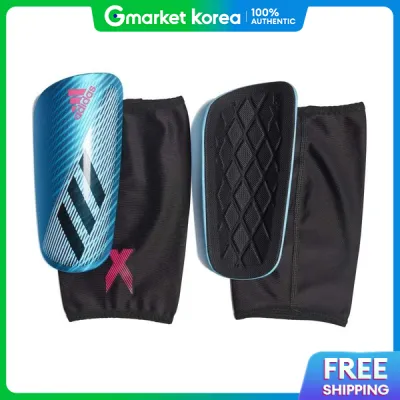
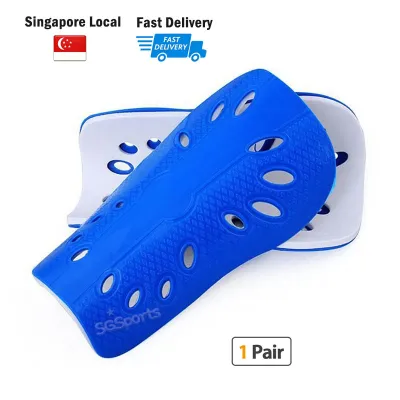
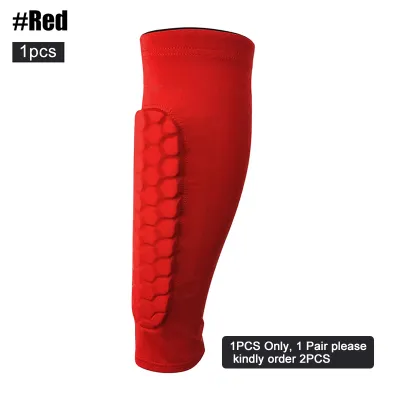
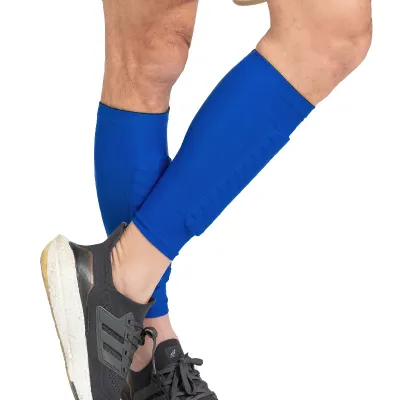
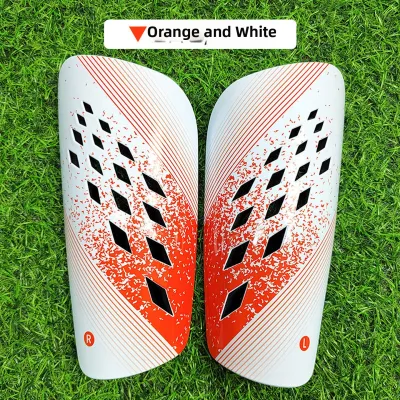
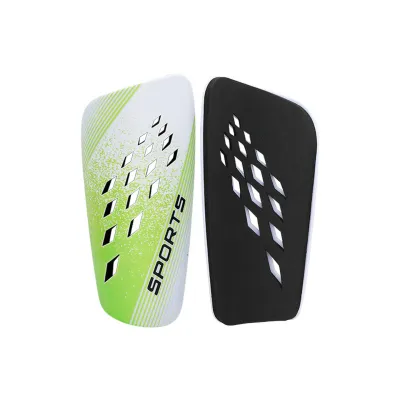
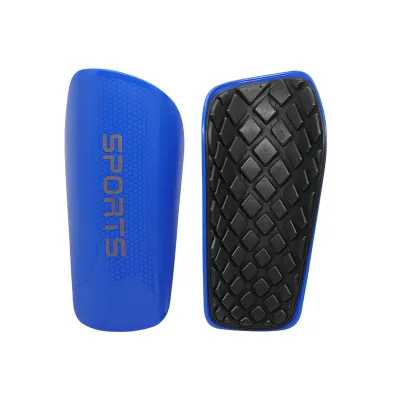
Prices are valid at publication and may change. Please refer to the product page for the latest price.
Modern football requires rapid changes of direction, explosive acceleration, and physical shielding. A guard that fits correctly adapts seamlessly to your physical build, muscle expansion, and natural running mechanics. The protective shell must disperse impact forces across its entire surface area rather than concentrating the force on a single point of your bone.
In high-humidity tropical environments, such as Singapore, gear fit becomes even more critical. Excessive sweat accumulation under a poorly ventilated or loosely secured guard can cause the plastic shell to slide down your leg during high-speed movements. A secure, breathable fit prevents moisture from compromising the stability of your protective gear, ensuring you stay protected from the first minute to the final whistle.
How to Measure Your Shin for the Right Size
Sizing charts provided by manufacturers are typically based on height, but relying solely on your overall height can lead to an inaccurate fit. Individual leg proportions vary widely; two players of the exact same height can have significantly different shin lengths and calf circumferences. Taking precise physical measurements is the most reliable way to establish your baseline size.

Tools You Need
To get an accurate measurement at home, you will need a few basic household items:
- A flexible, soft measuring tape: This allows you to follow the natural curves of your lower leg.
- A pen and paper: Use these to record your measurements immediately so you can compare them to brand sizing charts.
- A standard chair: Sitting and standing during different phases of the measurement process helps capture how your muscles expand under tension.
How to Measure Correctly
To measure your shin bone length, begin by sitting in a chair with your feet flat on the floor and your knees bent at a 90-degree angle. Locate the prominent bony bump just below your kneecap, and find the top of your ankle bone. Measure the distance between these two points along the front of your shin. Subtract approximately 2 to 3 centimeters (about 1 inch) from this total measurement; this calculated length represents the ideal height of your shin guard shell, ensuring it does not pinch your ankle or interfere with your knee movement.
Next, measure your calf circumference. Stand up straight and distribute your weight evenly across both feet, as your calf muscles naturally expand when bearing weight. Wrap the flexible measuring tape around the widest part of your calf muscle. Note this measurement, as many modern compression sleeves and strap-on guards rely on calf width to determine the correct strap length or sleeve tension.
Once you have these two figures, consult the specific sizing chart of the brand you intend to purchase. Sizing parameters vary considerably between manufacturers; a medium-sized guard from one brand may correspond to a large in another. Always prioritize the physical shin length measurement over generalized height brackets to ensure a precise match.
Matching Shin Guard Types to Your Playing Style
Shin guards are not one-size-fits-all, and different designs cater to specific playing styles, positions, and personal preferences. Choosing the right style helps you balance the level of protection you need with the level of mobility your position demands.
Slip-In Shin Guards
Slip-in guards are lightweight, low-profile protective plates that sit directly against your skin or baselayer. They do not feature built-in straps; instead, they are held in place by elastic compression sleeves, grip socks, or athletic tape. This design offers maximum freedom of movement and a highly natural feel on the ball, making it the preferred choice for advanced players, wingers, and attackers who rely on speed and agility.
Because slip-ins lack integrated ankle protection, they leave the lower joint exposed. If you choose this style, you must ensure the compression sleeve fits snugly enough to prevent the guard from rotating or sliding down during explosive sprints.
Ankle Shin Guards
Ankle shin guards offer comprehensive, heavy-duty protection by combining a rigid shin plate with built-in ankle stirrups and padded side guards. These guards typically feature elastic stirrups that loop under your foot, padded cups that cover the medial and lateral ankle bones, and an adjustable hook-and-loop strap at the top of the calf to secure the plate.
While ankle guards provide exceptional protection against low tackles and stray studs, they are noticeably bulkier and heavier than slip-in models. This style is highly recommended for younger players learning the game, defensive midfielders, and central defenders who frequently engage in physical challenges and hard tackles. The added structure also provides valuable joint stabilization for players recovering from minor ankle strains.
Shin Socks and Integrated Guards
Integrated guards feature a protective shell sewn directly into a specialized compression sock. This design eliminates the need for separate sleeves, straps, or tape, offering a highly convenient, all-in-one solution that is easy to put on and take off. The integrated pocket keeps the guard centered over your shin bone, reducing the risk of shifting during active play.
The primary trade-off with integrated guards is that their sizing is directly tied to standard shoe or sock sizes. If you have exceptionally long shins but small feet, or wide calves but short shins, you may find it difficult to achieve a perfect fit. If you fall outside average proportions, separate guards and sleeves will allow for better customization.
The Try-On Test: Verifying Coverage and Mobility
Once you have selected a size and style, you must perform a thorough try-on test before wearing them in a match. A static fit in front of a mirror is not sufficient to guarantee comfort during ninety minutes of intense physical activity.
First, put on your football socks, boots, and any ankle tape or sleeves you plan to wear during play. Slide the guards into position and check the vertical coverage. The top of the guard should sit roughly 5 centimeters (two fingers’ width) below your kneecap when your leg is bent. This gap is crucial; if the guard is too high, it will bite into your patellar tendon when you flex your knee to strike the ball. The bottom of the guard should clear your ankle joint by at least 2.5 centimeters to prevent friction and allow your ankle to flex freely.
Next, assess the horizontal fit. The guard should wrap naturally around the front of your shin bone, covering at least half of your leg’s frontal surface area. It should not pinch the sides of your calf or leave wide, unprotected gaps along the shin.
Finally, perform a dynamic movement test in a safe space:
- High knees and jogging: Jog in place, bringing your knees up toward your chest to check if the top of the guard interferes with your leg flexion.
- Lateral shuffling and cutting: Move side-to-side quickly to ensure the guard does not twist or slide laterally.
- Striking motion: Mimic a full kicking motion, extending your foot fully to verify that the bottom of the guard does not press into the top of your foot or restrict ankle movement.
- Jumping and landing: Jump and land firmly to check if the impact or muscle contraction causes the guard to slide downward.
If the guards shift, pinch, or restrict your natural stride during these movements, you need to adjust the securing system, try a different size, or explore an alternative model.
Troubleshooting Common Fit and Comfort Issues
Even with careful measuring, you may encounter minor fit issues during training or competitive matches. Most of these common problems can be resolved with simple adjustments rather than purchasing entirely new gear.
If your guards constantly slide down your legs during play, do not rely solely on the elastic of your standard football socks. Standard socks stretch over time and lose their holding power. Instead, use dedicated elastic compression sleeves designed specifically for shin guards, or apply cohesive athletic tape directly below the base of the guard on the outside of your sock. This creates a supportive barrier that prevents downward movement without restricting circulation.
If you experience chafing, skin irritation, or restricted movement behind the knee, your guard is likely too long. In humid climates, friction against sweaty skin can quickly lead to painful blisters. To resolve this, try sliding the guard slightly lower inside your sock, or switch to a lower-profile slip-in model that offers a shorter shell length. If the irritation persists, wearing a thin, moisture-wicking under-sleeve beneath the guard can protect your skin from direct friction.
When you notice exposed areas or feel vulnerable during physical contact, your guard is likely too small or narrow. Upgrading to a larger size or switching to an ankle guard model will provide the necessary surface area coverage.
Lastly, regularly inspect your compression sleeves and straps. Over time, exposure to sweat, washing cycles, and constant stretching will degrade the elastic fibers. Stretched-out sleeves compromise the fit of even the highest-quality guards, so plan to replace your sleeves or straps at the first sign of sagging.
When to Retire and Replace Your Shin Guards
Shin guards are designed to absorb impact, but their protective capabilities degrade over time. Playing with compromised gear increases your risk of injury, making regular inspections essential.
Examine the outer shell for any visible cracks, deep fractures, or structural warping. A cracked outer shell cannot distribute impact forces effectively; instead, it can bend inward under pressure, concentrating the force of a tackle directly onto your shin bone. If you spot any structural cracks, retire the guards immediately.
Next, inspect the inner foam backing. The EVA foam or padded lining is responsible for absorbing and cushioning the shock of an impact. Over time, this foam compresses, hardens, or begins to crumble due to sweat exposure and age. If the foam no longer rebounds when pressed, or if it has worn thin in critical areas, the guard can no longer protect your leg safely.
Additionally, check the state of any integrated straps, stirrups, or hook-and-loop fasteners. If the straps are frayed, stretched out, or fail to hold securely, the guard will shift during play, leaving you vulnerable. While accessories like sleeves can be replaced easily, a damaged shell or degraded foam requires a complete replacement of the shin guards. Always refer to the manufacturer’s care and replacement guidelines to ensure your equipment remains safe for competitive play.
Frequently Asked Questions (FAQ)
Can I wear slip-in shin guards without a compression sleeve?
While it is physically possible to place slip-in guards directly inside your football socks without a sleeve, doing so is highly discouraged. Standard football socks do not provide enough compression to keep a strapless guard stable. Without a sleeve or athletic tape to secure it, the guard will shift, rotate, or slide down during active play, leaving your shin exposed to painful impacts and creating constant, dangerous distractions on the pitch.
How tight should a shin guard compression sleeve be?
A shin guard compression sleeve should fit snugly enough to hold the guard firmly against your shin during explosive movements, sprints, and kicks. However, it must not be so tight that it restricts blood flow, causes muscle cramping, or leads to numbness in your lower leg. If you notice deep, painful red marks on your skin or experience cramping during play, your sleeve is too tight and you should size up.
Community discussion
Share your experience or ask a question. Comments are reviewed before publication.