
Finding the right magnetic-mechanical bottle mount for your bicycle depends on matching your frame’s physical clearance with the specific connector interface on your water bottle. The FIDLOCK system replaces traditional bottle cages with a minimalist magnetic base, but a successful installation requires precise alignment, adequate frame clearance, and a compatible bottle connector. To ensure a secure fit, you must evaluate your frame’s bolt spacing, check for physical obstructions like suspension linkages or frame bags, and verify that your bottle is equipped with the matching magnetic-mechanical adapter. Selecting the correct base type prevents the bottle from ejecting on rough terrain and ensures a smooth, intuitive release during your rides.
Identifying FIDLOCK Base Fitment and Locking Failures
An incompatible or poorly fitted magnetic mounting system typically reveals itself through distinct physical symptoms during installation or while riding. The most immediate sign of a mismatch is a base that does not sit flush against the frame’s threaded bosses, often caused by frame curves, weld beads, or nearby cable guides that press against the underside of the mount. If the base is forced down over these obstructions, it can warp, preventing the magnetic connectors from aligning properly with the bottle’s counterpart.
When you attempt to mount the bottle, you should hear and feel a distinct, positive click as the mechanical locks engage. If the bottle feels loose, rattles, or requires excessive physical force to twist into place, the magnetic-mechanical interface is not fully engaging. On the trail or road, a poorly fitted system often results in the bottle detaching unexpectedly over minor bumps, which can create a safety hazard for you and riders behind you. Inspecting how the bottle sits on the base when stationary is the first step in diagnosing these alignment issues.
Products mentioned in this guide
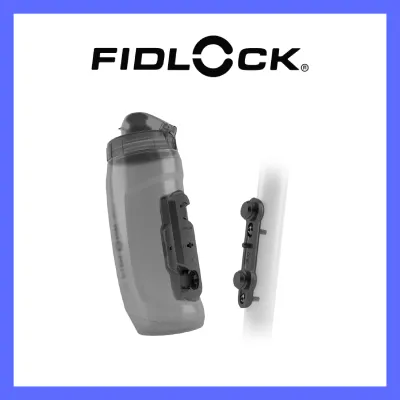
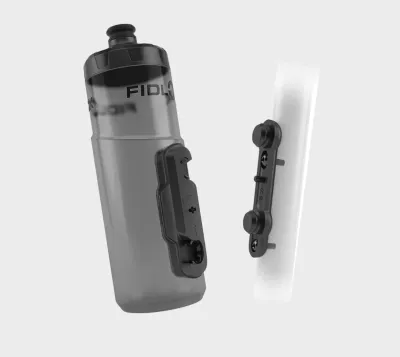
![Fidlock Twist 590ml 600ml Bottle with Uni Base Magnetic Bottle System for Bicycle Brompton 3Sixty Pikes [Local Seller]](https://img.lazcdn.com/g/p/252615c8ebc8f21d9d657dadad873752.jpg_400x400q80.jpg_.webp)
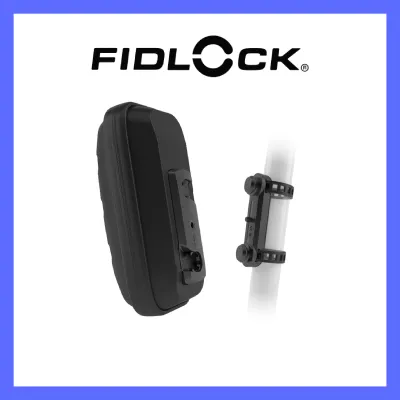
Prices are valid at publication and may change. Please refer to the product page for the latest price.
Why Your FIDLOCK Base or Bottle Fails to Mount Securely
Mounting failures rarely stem from a single defective component; instead, they usually arise from geometric conflicts between the bike frame, the base, and the bottle. Standard bicycle frames feature two threaded water bottle bosses spaced exactly 64 mm apart, but compact frame geometries, step-through designs, and small mountain bike triangles often lack the vertical or lateral clearance required for the bottle to slide or twist off the mount. If the frame tubes converge too sharply, the bottle may strike the top tube or down tube before the magnets can pull the connectors into their locked position.

Another common issue is physical interference from external accessories. Frame bags, front derailleur clamps, and rear suspension linkages can easily encroach on the space dedicated to the water bottle. In full-suspension mountain bikes, the rear shock moves through an arc during compression, which can cause the linkage or shock body to collide with a mounted bottle even if there is clearance while the bike is stationary.
Furthermore, mismatching the locking mechanisms between different generations or third-party adaptations of magnetic mounts can prevent secure engagement. While the magnetic force might pull the bottle toward the base, the mechanical locking tabs must align perfectly to support the weight of a full bottle. If the bottle’s connector is worn, dirty, or designed for a different base standard, the mechanical interface will fail to lock, leaving the bottle held only by weak magnetic attraction.
How to Match the Correct FIDLOCK Base to Your Frame Geometry
Selecting the ideal base requires a systematic evaluation of your bike frame’s physical layout and mounting options. Begin by measuring the distance between your frame’s threaded bosses to confirm they follow the standard 64 mm spacing. If your frame lacks these threaded inserts entirely, or if the existing bosses are positioned too high or too low, you will need to look at alternative mounting solutions, such as strap-on bases or adjustable adapter plates that allow you to shift the mounting position up or down by several centimeters.
Next, assess the clearance around the mounting area. You can do this by holding your chosen water bottle against the frame where the base will sit, ensuring there is at least a few centimeters of clearance on all sides, particularly in the direction the bottle must twist or slide to release. For tight spaces, specialized low-profile bases or offset mounts can shift the bottle’s position slightly to clear frame bags or suspension components.
If you ride a compact gravel bike or a small-sized road frame, a standard base might position the bottle too high, causing it to strike the top tube. In these scenarios, an adjustable base with slotted mounting holes allows you to fine-tune the position, sliding the base downward toward the bottom bracket to maximize available space. Always verify that the base lies completely flat against the frame tube; if a weld bead or cable stop interferes, use specialized spacers provided by the manufacturer to raise the base slightly, ensuring it remains perfectly straight and unwarped when the bolts are tightened.
Ensuring Water Bottle Compatibility with Your Chosen Base
Once you have identified a base that fits your frame, you must verify that your preferred water bottle is fully compatible with that specific mounting system. Not all sports bottles can accept the magnetic-mechanical connectors; the bottle must either feature an integrated connector molded directly into its structure or be compatible with a universal strap-style connector that wraps securely around the bottle body. If you are using a third-party or aftermarket bottle, check the manufacturer’s specifications to confirm it is designed to interface with your specific base model.
Weight and physical dimensions are critical factors, especially when using insulated water bottles. Insulated bottles feature double-wall construction, making them wider and significantly heavier when filled with liquid than standard single-wall bottles. You must verify that the magnetic strength and mechanical latching capacity of your chosen base are rated to support the increased weight of a fully loaded insulated bottle, particularly if you plan to ride on rough gravel or technical mountain bike trails.
To prevent compatibility errors, consult the official compatibility charts provided by the manufacturer or contact their customer support team directly before purchasing. These resources outline which bottle diameters and weights are supported by each base type. If you are retrofitting an existing bottle with a universal magnetic connector, ensure the strap is tensioned according to the product instructions to prevent the bottle from slipping out of the connector during high-vibration rides.
When to Stop and Seek Professional Bike Shop Advice
While installing a magnetic bottle base is generally a straightforward process, certain situations require you to stop and consult a professional bicycle mechanic to avoid damaging your equipment. You should never attempt to drill new holes, tap threads, or modify the structural tubes of your frame to accommodate a bottle mount. This is especially critical for carbon fiber and lightweight aluminum frames, where any unauthorized modification can permanently compromise the structural integrity of the frame, lead to catastrophic failure while riding, and void your manufacturer’s warranty.
If you encounter resistance when threading the mounting bolts into the frame bosses, stop immediately. Forcing a mismatched or cross-threaded bolt can strip the delicate threads inside the frame’s riveted inserts, a costly and difficult problem to repair. A professional bike shop has the specialized tap tools required to clean and chase the threads safely.
Additionally, if your frame features unique tube shapes, integrated storage compartments, or ultra-lightweight carbon layups, consult the bike manufacturer’s manual or a qualified mechanic before installing strap-on bases. Excessive clamping force on thin-walled carbon tubes can cause structural cracking, making professional guidance essential for ensuring a safe installation.
Preventing Future Mounting and Clearance Issues
Maintaining a secure connection between your bike frame and water bottle requires regular inspection and simple preventative maintenance. Over time, the vibrations from riding can cause the mounting bolts to loosen slightly. Periodically check the torque of your base bolts using a reliable torque wrench, ensuring they are tightened to the manufacturer’s specified torque limit—typically between 1.5 and 3 Newton-meters—to prevent the base from shifting or stripping the threads.
Dirt, mud, sand, and road grime can accumulate inside the magnetic-mechanical locking mechanism, preventing the connectors from seating fully. After muddy or dusty rides, rinse both the frame base and the bottle connector with clean water and a soft brush. Avoid using harsh chemical degearsers or abrasive scrubbers that could damage the plastic housing or degrade the magnets.
Finally, before upgrading your frame, bottle, or accessories like frame bags, re-evaluate the entire mounting system. A base that worked perfectly on a hardtail mountain bike may not clear the suspension linkage of a new full-suspension frame. Keeping these specifications in mind during future upgrades ensures your magnetic bottle system remains reliable and secure for years to come.
Frequently Asked Questions (FAQ)
Can I use a FIDLOCK base on a full-suspension mountain bike?
Yes, you can use this magnetic mounting system on a full-suspension mountain bike, but you must carefully verify clearance throughout the rear suspension’s entire range of travel. Before riding, deflate your rear shock or remove the spring to compress the suspension fully, checking that the rear triangle, shock linkages, and dropper post routing do not collide with the mounted bottle. Because full-suspension frames often have highly congested front triangles, using an adjustable base or an offset mount can help position the bottle away from moving suspension parts while keeping it easily accessible.
Do I need a specific FIDLOCK base for insulated water bottles?
Insulated water bottles do not necessarily require a different base, but they do require you to verify that the base and connector system can handle the extra weight and wider diameter. Because insulated bottles are heavier when filled, you must ensure your base is rated for the increased load and that the mechanical latching mechanism engages completely. Additionally, check that the wider body of the insulated bottle does not rub against your frame tubes or interfere with your knees while pedaling, as this may require shifting the base position using an adjustable adapter.
Community discussion
Share your experience or ask a question. Comments are reviewed before publication.