
The Nike Elite Backpack V3 is a staple for basketball players who need to haul heavy gear, from size 7 basketballs to high-top court shoes and large water bottles. Because of its popularity on local courts and school campuses, the nike elite backpack v3 has become a frequent target for counterfeiters. Spotting a fake requires looking closely at the build quality, structural materials, and internal tags.
Investing in authentic sports gear is not just about aesthetics; it directly impacts physical comfort and product longevity. Carrying heavy basketball gear and school supplies requires robust structural support. Counterfeit backpacks typically lack the high-tensile stitching and ergonomic design needed to distribute weight safely across your shoulders and back, which can lead to discomfort during long commutes to the court.
Furthermore, in hot and humid climates like Singapore’s, low-grade synthetic materials used in fake bags tend to degrade rapidly, peel, or trap sweat odors. Authentic athletic gear is built to withstand damp environments and heavy daily use, making proper verification essential before you hand over your money.
Products mentioned in this guide
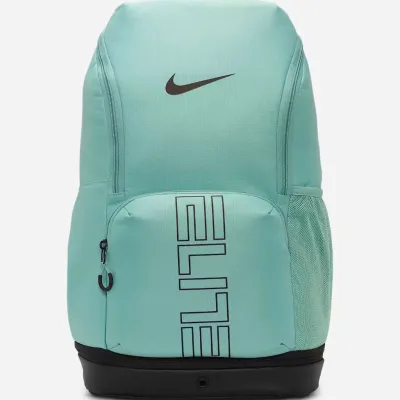
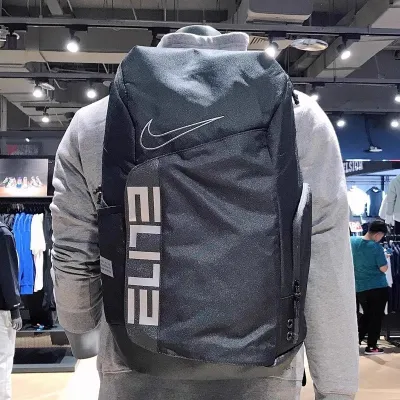
Prices are valid at publication and may change. Please refer to the product page for the latest price.
Physical Inspection: How to Verify the Nike Elite Backpack V3
To ensure you are purchasing a genuine product, you must conduct a systematic physical inspection. Authenticating a nike elite backpack v3 requires analyzing multiple design checkpoints, as counterfeit manufacturers often replicate one or two obvious features while failing to match the complex manufacturing standards of the rest of the bag.
Before starting your inspection, try to have official product images from the manufacturer’s website or an authorized retailer open on your phone. Compare the physical bag in hand against these reference images, paying close attention to structural symmetry, material textures, and hardware details.
Inspecting Exterior Logos, Zippers, and Hardware
The exterior elements of the backpack are your first line of defense against counterfeits. Replica manufacturers often cut corners on branding details and hardware components to keep production costs low.
- The Nike Swoosh and Elite Branding: On a genuine bag, the Nike Swoosh and "Elite" graphics feature clean, sharp borders. If the branding is embroidered, the stitching must be dense, uniform, and completely free of loose threads or connecting strings between letters. Counterfeit versions frequently show sloppy embroidery, thin thread counts, or slightly distorted Swoosh shapes that look bloated or uneven.
- Zipper Quality and Pulls: Authentic Nike backpacks utilize heavy-duty, smooth-gliding zippers designed for frequent use. The metal or molded plastic zipper pulls typically feature crisp, debossed Nike branding or specific tactile ridges. Test the zippers along their entire tracks; they should glide effortlessly without catching, splitting, or feeling flimsy. Counterfeit bags often use cheap, lightweight metal zippers that feel rough to the touch and jam easily when the bag is fully loaded.
- Buckles and Adjusters: Examine the plastic hardware, including the chest strap buckle and shoulder strap adjusters. Genuine hardware is made of thick, matte-finished plastic that snaps together securely with a solid, clean click. Counterfeits often use shiny, brittle plastic that feels lightweight and may bend or warp under minimal tension.
Verifying Interior Labels, Tags, and Stitching
The interior of the backpack holds critical clues that replica manufacturers rarely replicate with absolute precision. Checking these hidden details is one of the most reliable ways to confirm authenticity.
- The Interior Care and Style Tag: Locate the small fabric tag sewn into the inner seams of the main compartment or laptop sleeve. A genuine tag displays sharp, legible text in a consistent, clean font. It must list a specific Nike style code—typically a six-character alphanumeric code followed by a three-digit color code—that matches the exact V3 model and colorway. If you search this code online, it should return images of your exact backpack. Fake tags often feature blurry printing, misaligned text, or incorrect style codes copied from older Nike models.
- Stitching and Seam Construction: Turn the bag inside out or inspect the inner seams, particularly around the shoe compartment and laptop divider. Genuine Nike construction utilizes double-stitched seams and reinforced binding tapes to handle heavy loads. If you notice uneven stitching, frayed edges, loose threads, or single-stitched seams that pull apart easily when gently tensioned, the bag is highly likely a counterfeit.
- The Shoe Compartment Lining: The V3 features a dedicated, ventilated compartment for court shoes. The lining should be made of a durable, easy-to-clean synthetic material that is securely stitched to the frame of the bag, rather than loose, thin plastic that rustles loudly when touched.
Evaluating Material Quality, Padding, and Structure
The tactile feel and structural performance of the backpack are difficult for counterfeiters to replicate due to the high cost of premium materials.
- Fabric Density and Water Resistance: Authentic Nike Elite backpacks are constructed from high-denier polyester, giving the exterior a thick, rugged feel. The bottom panel is typically reinforced with a water-resistant coating to protect your gear when placed on damp court sidelines or concrete floors. Verify this by feeling the bottom panel; it should feel smooth, rubberized, and substantially thicker than the rest of the bag. Counterfeit bags often feel thin, rough, or plastic-like, and they lack the structural stiffness to stand upright when empty.
- Pro Adapt Shoulder Straps: One of the defining features of the V3 is the ergonomic Pro Adapt shoulder strap system. Genuine straps feature thick, high-density foam padding wrapped in breathable mesh, designed to cushion heavy loads. The padding should feel firm yet supportive and quickly bounce back when compressed. Fake bags often use cheap, soft sponge foam that collapses completely under pressure, offering virtually no shoulder support.
- Back Panel Ventilation: Inspect the back panel of the bag. The authentic V3 utilizes structured, molded foam panels with deep ventilation channels to promote airflow. Counterfeits often simplify this design, using flat, thin foam covered in low-quality mesh that traps heat and sweat.
Spotting Suspicious Listings on Online Marketplaces
When shopping on peer-to-peer selling apps or local e-commerce platforms in Singapore, you must evaluate the listing itself before committing to a purchase. Counterfeit sellers rely on specific online tactics to attract unsuspecting buyers.

- Unrealistic Pricing: The standard retail price for an authentic Nike Elite Backpack V3 typically ranges from S$100 to S$130. If a seller is offering a brand-new bag for S$30 to S$50, this extreme discount is a primary indicator of a counterfeit. Authentic sports gear rarely depreciates to this level unless it is heavily damaged or used.
- Stock Photos and Vague Images: Be highly suspicious of listings that only use official Nike marketing images or heavily filtered, watermarked photos. Genuine sellers should be willing to provide clear, close-up photos of the actual bag they are selling, including the interior tags, zipper pulls, and stitching. If a seller refuses to provide custom photos, avoid the transaction.
- Deceptive Terminology: Counterfeit sellers frequently use specific buzzwords to bypass platform filters while signaling to buyers that the item is not genuine. Watch out for terms like "OEM" (Original Equipment Manufacturer), "factory excess," "unauthorized authentic," "mirror grade," or "high-quality replica." In the context of consumer sportswear, these terms are simply euphemisms for counterfeits. Genuine Nike products are only distributed through authorized retail networks, not through "factory backdoors."
- Seller Feedback and History: Check the seller's profile reviews. Look for patterns in feedback, such as multiple buyers complaining about stiff materials, chemical odors, broken zippers, or items not matching the description. A high volume of identical items sold by a single private account is another red flag, as authentic buyers rarely have bulk stock of a single backpack model.
Action Plan: Handling a Suspected Counterfeit Purchase
If you have already purchased a backpack and suspect it is fake, taking prompt, structured action is essential to secure a refund and protect other consumers in the local sports community.
- Document the Evidence: Immediately take high-resolution, well-lit photographs of the bag. Focus your camera on the specific red flags you identified, such as misaligned stitching, blurry interior tags, flimsy zippers, or distorted logos. Place the bag next to a ruler or a known authentic item if possible to highlight incorrect proportions.
- Initiate a Dispute: Log into the e-commerce platform or marketplace where you made the purchase and initiate a formal dispute or return request. Select "Item not as described" or "Counterfeit/fake item" as the reason. Upload your photographic evidence and write a clear, objective explanation of why the item is counterfeit, referencing the style code discrepancies or poor material quality.
- Preserve the Item's Condition: Keep all original packaging, shipping labels, and removable tags. Do not use the backpack for training or carry gear in it, as platforms often require the item to be in its received, unused condition to approve a refund.
- Report the Seller: Once your dispute is resolved, report the seller's listing and account to the platform's administration. This helps flag the seller's profile, preventing them from selling counterfeit sports gear to other basketball players in the community.
Frequently Asked Questions (FAQ)
Can I authenticate a Nike backpack using the barcode or QR code on the tag?
No, barcode or QR code scans are not reliable methods for verifying authenticity. While every genuine Nike Elite Backpack V3 features a unique barcode on its retail tag, counterfeiters can easily copy and print a valid barcode from an authentic bag onto thousands of fake tags.
When you scan a copied barcode with a smartphone app, it will simply direct you to a search engine result or an official product page for the genuine bag. This digital match does not prove that the physical fabric, stitching, and hardware in your hands are authentic. Instead of relying on digital scans, focus on inspecting the physical print quality of the tag, the style code accuracy, and the overall construction of the backpack.
Does a missing hangtag mean the Nike Elite Backpack V3 is fake?
A missing exterior cardboard hangtag does not automatically mean the backpack is counterfeit. While brand-new bags shipped directly from Nike or authorized sports retailers typically include these removable tags, they can easily be lost, damaged, or removed.
For instance, peer-to-peer sellers might sell a lightly used or open-box bag where the tag was discarded, or retail staff may have removed it during display. Rather than focusing on removable cardboard tags, which are incredibly easy for counterfeiters to replicate or for genuine owners to lose, you should base your authentication on the permanent interior fabric tags, the quality of the zippers, the density of the Pro Adapt shoulder strap padding, and the strength of the stitching.
Community discussion
Share your experience or ask a question. Comments are reviewed before publication.