
Owning a limited-edition drinkware collaboration is a delightful way to express your style, but the popularity of these items often attracts counterfeiters. If you are looking to verify your Owala Cinnamoroll bottle, knowing what details to inspect can save you from using a low-quality imitation. Authentic bottles are built with precise manufacturing standards, high-grade materials, and crisp, officially licensed graphics that cheap replicas struggle to copy.
To determine if your bottle is the real deal, you need to examine the packaging, the physical construction of the lid, the quality of the character print, and the markings on the base. This guide outlines the exact steps to verify your bottle, whether you are inspecting a recent purchase or evaluating a listing on a secondary marketplace.
Quick Answer: Key Signs of an Authentic Owala Cinnamoroll Bottle
An authentic Owala Cinnamoroll bottle stands out through its flawless construction and vibrant, precise graphics. Replicas often fail to replicate the exact pastel blue and white color palette of the Sanrio character, resulting in muddy prints, blurry outlines, or misaligned graphics.
Products mentioned in this guide
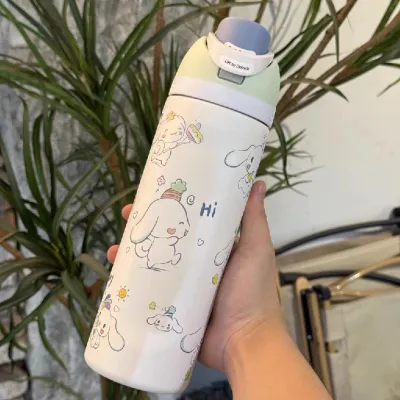
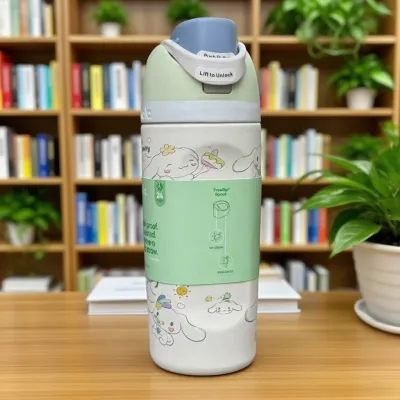
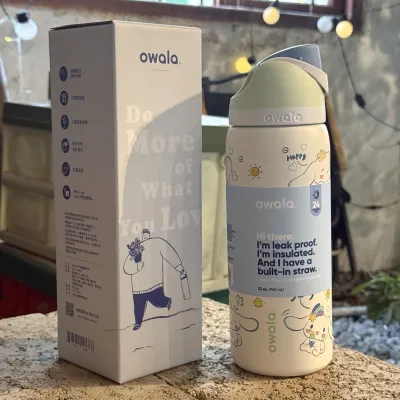
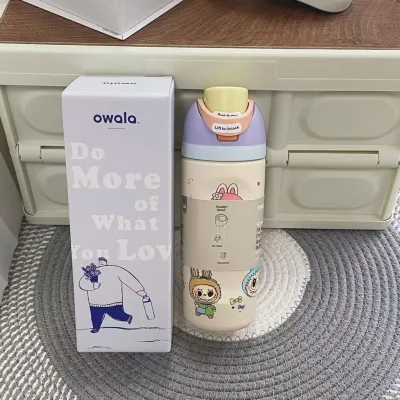
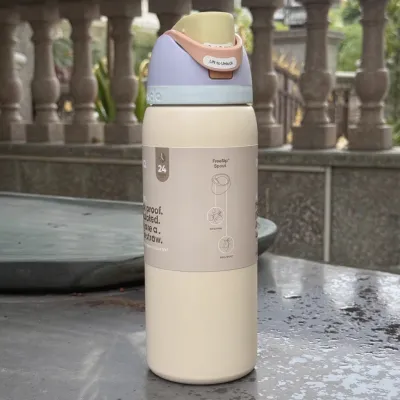
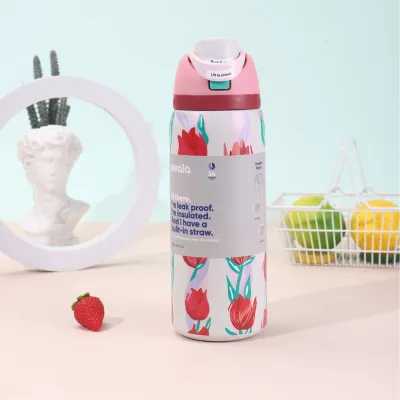
Prices are valid at publication and may change. Please refer to the product page for the latest price.
Key red flags of a counterfeit include:
- Blurry, peeling, or off-color Cinnamoroll graphics.
- A stiff, loose, or poorly aligned FreeSip lid mechanism.
- Missing or poorly etched branding and capacity markings on the bottom of the bottle.
- Low-quality packaging with typos, faded colors, or missing barcodes.
- A metallic or chemical odor coming from the interior of the bottle.
While a single minor cosmetic variation might occasionally occur due to manufacturing tolerances, a combination of these issues strongly indicates a counterfeit product. To ensure you are getting a genuine item, always cross-reference your bottle’s features with official product images from verified brand channels.
Packaging and Unboxing Checks
The verification process begins before you even touch the bottle. Authentic limited-edition collaborations are packaged in high-quality, sturdy cardboard boxes designed to protect the product during transit. Inspect the box carefully for structural integrity; flimsy, easily crushed cardboard is a common sign of a cheap replica.

Pay close attention to the printing quality on the packaging. Genuine packaging features sharp, high-contrast text, accurate brand logos, and consistent color matching. Counterfeit boxes often display faded colors, blurry text, or slight variations in the font style. Look closely for spelling mistakes, grammatical errors, or unusual spacing in the product descriptions and safety warnings.
Next, locate the barcode and manufacturing labels on the packaging. Authentic bottles feature clear, scannable barcodes with correct SKU numbers that match the specific Cinnamoroll edition. If the barcode is printed directly onto the box with low resolution, or if the sticker looks crooked and hastily applied, exercise caution.
Keep in mind that counterfeiters have become highly skilled at replicating external packaging. A convincing box does not guarantee a genuine bottle inside. Therefore, you must always combine your packaging inspection with a thorough physical examination of the bottle itself.
Bottle Build Quality and Design Details
The physical bottle is where counterfeiters most frequently cut corners. Authentic Owala bottles are constructed from premium, double-walled stainless steel designed to withstand daily use in warm climates like Singapore, where keeping drinks cold is a priority. The bottle should feel solid, balanced, and relatively heavy even when empty.
Examine the Cinnamoroll character print with a critical eye. The graphics on an authentic bottle are applied using advanced printing techniques, resulting in a smooth, durable finish with crisp borders. The colors should match the official Sanrio character design perfectly—look for clean pastel blues, soft pinks, and bright whites. If the print feels rough, has a sticky texture, shows visible pixelation, or peels off easily with a fingernail, it is likely a fake.
The lid is another crucial component to inspect. The patented FreeSip lid is a complex piece of engineering that replicas rarely copy successfully. Test the push-button mechanism multiple times; it should open smoothly with a satisfying click and lock securely without any resistance. The carry loop should swing freely but feel sturdy, aligning perfectly with the lid when folded down. Check the silicone seals inside the lid; they should be thick, flexible, and fit snugly to prevent leaks.
Look inside the bottle to inspect the stainless steel interior. The inner walls should be smooth, clean, and free of visible weld lines or dark spots. Authentic bottles do not emit strong chemical or metallic odors when opened. Finally, flip the bottle over to inspect the base. Genuine bottles feature clean, deeply etched or clearly printed branding, including the Owala logo, fluid capacity markings, and material safety symbols such as “BPA-Free” and care instructions. Counterfeits often have faint, crooked, or entirely missing base markings.
Where to Buy Authentic Owala Collaborations
To avoid the risk of purchasing a counterfeit, the safest route is to buy directly from official brand channels or authorized retail partners. When limited-edition collaborations sell out quickly, the temptation to turn to secondary markets is high, but this is where the risk of encountering fakes increases significantly.
If you are shopping on third-party e-commerce platforms or online marketplaces, exercise extreme caution. Avoid listings from unverified sellers who do not have a proven track record of positive reviews. Be skeptical of sellers using stock photos instead of actual pictures of the product in hand. If you are purchasing from a local reseller in Singapore, ask for proof of purchase, such as an official digital receipt or order confirmation from the authorized retailer.
Pricing is another major indicator of authenticity. Limited-edition collaborations carry a premium, and authentic bottles are rarely sold below their original retail price. If a seller offers a Cinnamoroll bottle for a price that seems too good to be true—such as S$20 to S$30 when the standard retail price is much higher—it is almost certainly a counterfeit. Genuine sellers looking to clear stock might offer minor discounts, but drastic price cuts on highly sought-after items are a major red flag.
What to Do If You Suspect a Counterfeit
If you have completed these checks and suspect your bottle is a fake, stop using it immediately. Counterfeit drinkware is not subject to the same strict quality control and safety standards as genuine products. Replicas may use low-grade stainless steel, lead-based solders, or plastics containing harmful chemicals like BPA, which can pose health risks when in contact with your beverages.
Your next step should be to secure a refund. If you purchased the bottle through an online marketplace or e-commerce platform, initiate a return or dispute immediately under their buyer protection policy. Provide clear, high-resolution photographs comparing the defects on your bottle to the known features of an authentic one. Avoid communicating outside the platform’s official channels, as this can void your protection.
Additionally, report the fraudulent listing and the seller to the platform administrators to help prevent other consumers from being misled. You can also contact the brand’s customer support team to report the counterfeit. While they may not be able to issue a refund for purchases made through unauthorized third parties, reporting these listings helps the brand take legal action against counterfeit manufacturers.
Frequently Asked Questions (FAQ)
Can I verify my Owala Cinnamoroll bottle using a QR code or app?
Currently, there is no universal digital verification app or QR code system provided by the brand to authenticate individual bottles. Some batches or specific retail partners may include promotional inserts or registration cards, but these are not foolproof security features. To verify authenticity, you must rely on physical inspections of the bottle’s build quality, printing, and lid mechanism.
Are slight variations in the Cinnamoroll print normal for authentic bottles?
Minor variations can occasionally occur due to standard manufacturing tolerances, such as a millimeter shift in the placement of the graphic. However, these variations will never include blurry lines, incorrect colors, or peeling paint. If the character’s features look distorted or the colors do not match official promotional images, the bottle is likely a counterfeit rather than a factory variant.
Community discussion
Share your experience or ask a question. Comments are reviewed before publication.