
To determine if your Owala Sway water bottle is authentic, you must inspect its physical construction, packaging details, and purchase origin. Counterfeiters have become increasingly sophisticated, but subtle discrepancies in the lid mechanism, logo engraving, and retail labels can reveal a fake. By systematically verifying these components, you can ensure your hydration gear is genuine and safe for daily use.
When purchasing premium sports accessories, ensuring authenticity is not just about aesthetics; it directly impacts your health, safety, and overall user experience. A genuine bottle is designed to withstand daily wear and tear while keeping your beverages at the desired temperature. This guide outlines the key physical markers, packaging indicators, and purchasing strategies to help you confidently verify your gear.
Why Authenticity Matters for Your Hydration Gear
Using a counterfeit water bottle carries several hidden risks that go beyond simple cosmetic flaws. The primary concern is material safety. Genuine manufacturers use high-grade, food-safe stainless steel and BPA-free plastics that undergo rigorous testing to ensure they do not leach harmful chemicals into your drinking water. Counterfeit products, however, are rarely subjected to these strict quality control standards. They may utilize lower-grade metals or plastics containing lead, phthalates, or other toxic substances that can contaminate your beverages over time.
Products mentioned in this guide
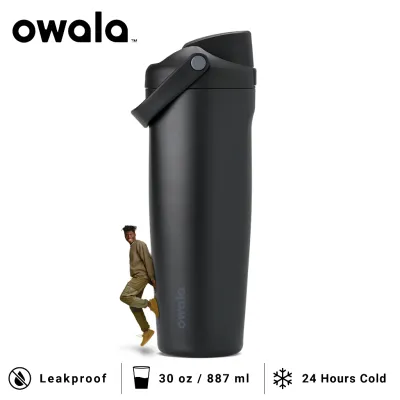
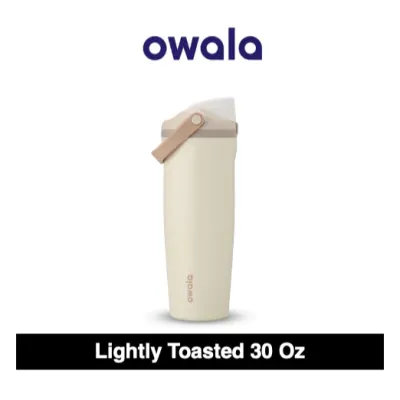
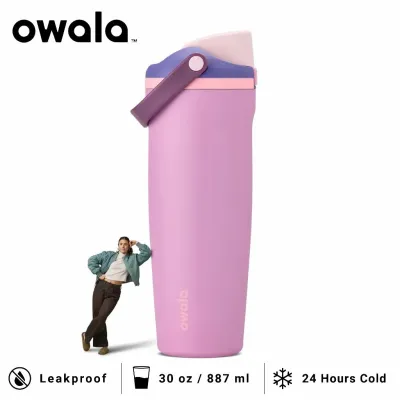
![SG [In Stock] Owala FreeSip Sway Stainless Steel Water Bottle with Straw BPA-Free for Exercise 30OZ](https://img.lazcdn.com/g/p/636297003e26a8ad4d69a339944d7f0c.png_400x400q80.png_.webp)
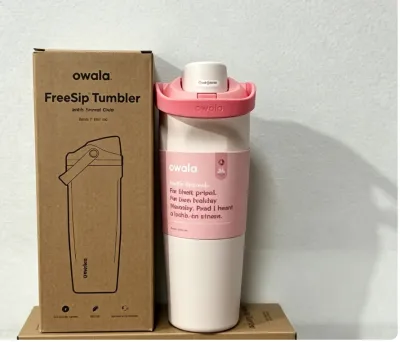
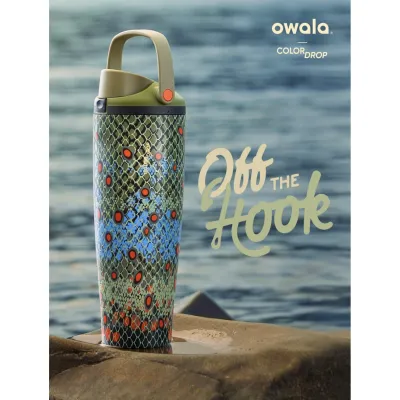
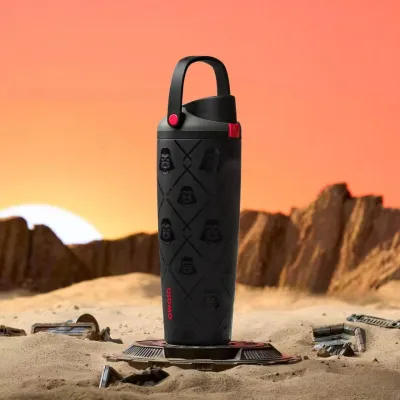
Prices are valid at publication and may change. Please refer to the product page for the latest price.
In addition to health risks, counterfeit bottles consistently underperform in terms of insulation and durability. Authentic insulated bottles rely on a precise double-wall vacuum construction to maintain temperature. If this vacuum seal is compromised or poorly manufactured—as is common in fakes—the bottle will fail to keep your drinks cold and may develop external condensation, commonly known as sweating. The structural integrity of the bottle is also compromised, making it highly susceptible to dents, leaks, and broken lids from minor drops.
Finally, purchasing a counterfeit bottle means forfeiting all consumer protections. Genuine brands stand behind their products with robust manufacturer warranties and dedicated customer support teams to assist with defects or replacement parts. If you purchase a fake, you lose access to these services, leaving you with no recourse if the bottle leaks, breaks, or fails to perform. Investing in an authentic product ensures you receive the quality, safety, and support you pay for.
Checking Packaging, Labels, and Documentation
The first line of defense against counterfeit products is the packaging. Before even opening the box, take a close look at the exterior printing and materials. Authentic packaging is constructed from sturdy, high-quality cardboard designed to protect the bottle during transit. The print quality should be exceptionally sharp, with vibrant colors, clear fonts, and no signs of pixelation or color bleeding. Counterfeit boxes often use thinner, flimsy cardboard and exhibit blurry text, misaligned graphics, or faded colors that suggest a cheap reproduction process.

Next, examine the product labels, barcodes, and SKU numbers attached to the packaging. Every genuine bottle features a specific SKU and barcode that corresponds directly to its model, size, and colorway. Cross-reference these details with the physical bottle inside the box. If the label describes a different color or size, or if the barcode appears poorly printed or crooked, the item may be a counterfeit. Additionally, check for any spelling mistakes or grammatical errors on the packaging, which are common telltale signs of unauthorized manufacturing.
Inside the packaging, you should find official care instructions or documentation. Genuine brands include neatly folded, high-quality paper inserts that detail proper cleaning methods, usage warnings, and warranty information. The text on these inserts should be perfectly legible and professionally formatted. If your bottle arrives with no documentation, or if the included paper is poorly printed, wrinkled, or contains obvious translation errors, you should treat the product with high suspicion.
Inspecting Physical Build and Material Quality
Once you have examined the packaging, perform a thorough physical inspection of the bottle itself. Start with the lid mechanism and drinking spout, which require precise engineering to function correctly. The lid of an authentic bottle should screw onto the collar smoothly and securely without catching or cross-threading. When you open and close the drinking spout or cap, the movement should feel deliberate and smooth. Any stiffness, loose play, or misalignment in the lid components suggests substandard manufacturing.
The silicone seals and gaskets are critical for preventing leaks and maintaining the bottle’s vacuum seal. Inspect these components closely by looking inside the lid. Authentic gaskets are made from thick, high-quality, food-grade silicone that fits perfectly within its designated groove. They should be easy to remove for cleaning but remain firmly in place during regular use. Counterfeit bottles often use thin, low-grade silicone seals that may be warped, loose, or emit a strong, unpleasant chemical odor, indicating they are not food-safe.
Evaluate the branding, logo placement, and surface finish of the bottle. Genuine bottles feature clean, precise logo engravings or prints with consistent depth and sharp edges. Run your finger over the logo to check for any rough spots or uneven application. The overall finish of the bottle—whether matte, glossy, or textured—should be uniform across the entire surface, with no scratches, bubbles, or paint runs. Compare the physical bottle’s logo alignment and color scheme with official product images on the manufacturer’s website to identify any discrepancies.
Choosing Safe Purchase Channels and Spotting Red Flags
To minimize the risk of buying a counterfeit bottle, always prioritize safe and authorized purchase channels. The most reliable method is to buy directly from the official brand website or from established, authorized physical retail partners in Singapore. These channels guarantee product authenticity and ensure you are covered by the manufacturer’s warranty. If you prefer to shop in person, visit reputable department stores or specialized outdoor gear retailers.
When shopping on online marketplaces or third-party e-commerce platforms, you must exercise extra caution. Always check the seller’s profile, ratings, and customer feedback before making a purchase. Look for sellers with a high positive rating and a substantial history of transactions. Read through the customer reviews, paying close attention to any photos uploaded by buyers and looking for mentions of product quality or authenticity. Be wary of sellers with generic names, newly created accounts, or a high volume of negative reviews complaining about counterfeit goods.
Price is another major indicator of authenticity. While authorized retailers may occasionally offer seasonal promotions or clearance discounts, these price cuts are typically modest. If you encounter a listing for an Owala Sway bottle that is priced significantly below the standard S$ retail range, treat it as a major red flag. Counterfeiters often use unrealistically low prices to lure unsuspecting buyers. If a deal seems too good to be true, it almost certainly is, and the product is likely a fake.
Steps to Take If You Suspect a Counterfeit
If you have purchased a bottle and suspect it is a counterfeit, there are several practical steps you should take immediately. First, document all your findings. Take clear, high-resolution photographs of the suspected areas, including the misaligned lid, thin silicone seals, blurry packaging text, and any logo discrepancies. Keep your original purchase receipt, order confirmation email, and any correspondence with the seller, as this documentation will be crucial for securing a refund.
Next, initiate a return or refund request through the platform or store where you made the purchase. Most reputable e-commerce platforms have buyer protection policies that cover counterfeit items. Present your photographic evidence and explain the specific discrepancies you found. Clearly state that you believe the product is a counterfeit, as this often fast-tracks the dispute process. Avoid using the bottle or washing it, as keeping it in its original, received condition will strengthen your return claim.
Consider reporting the counterfeit listing to the official brand’s customer support team. While they cannot directly process refunds for items purchased through unauthorized third-party sellers, they can verify whether the product is genuine based on your photos and purchase details. Reporting these listings helps the brand take legal action against counterfeiters, protecting the wider community of outdoor enthusiasts from purchasing unsafe and low-quality gear.
Frequently Asked Questions (FAQ)
Can I verify my Owala Sway using a QR code or app?
Currently, you should check the official brand website to see if they have implemented any digital authentication features, such as unique QR codes or dedicated verification apps. Be highly cautious of scanning QR codes printed on suspicious packaging or inserts that come with your bottle. Counterfeiters sometimes print fake QR codes that link to sophisticated phishing websites designed to mimic the official brand site and steal your personal or financial information. Always navigate to the official website directly through your browser to verify any product codes.
Does a heavily discounted price always mean the bottle is fake?
A heavily discounted price does not automatically mean a bottle is fake, but it should prompt you to investigate further. Authorized retailers in Singapore may offer legitimate discounts during major shopping events, seasonal clearances, or holiday promotions. However, if a third-party seller on an online marketplace is offering a deep discount outside of these official promotional periods, it is highly suspicious. Always verify the seller’s credentials, check customer reviews, and compare the discounted price against authorized retail standards before purchasing.
Community discussion
Share your experience or ask a question. Comments are reviewed before publication.