
To ensure you are getting a genuine Owala water bottle in Singapore, you must inspect key physical details like the logo alignment, lid mechanism, and silicone seals, and purchase only from authorized physical retailers or verified official flagship stores on major e-commerce platforms. Counterfeit bottles are common on online marketplaces, but knowing what to look for and where to shop protects your health and your wallet. With the rising popularity of these insulated bottles for daily hydration, fitness, and outdoor activities, counterfeiters have become increasingly sophisticated. However, subtle discrepancies in manufacturing quality, packaging, and performance can help you distinguish a genuine product from a cheap imitation. By understanding these differences and knowing the verified distribution channels in Singapore, you can make an informed purchase and enjoy the full benefits of high-quality drinkware.
Why Authenticity Matters for Your Drinkware
Using a counterfeit water bottle is not just a matter of aesthetic disappointment; it poses real risks to your health, safety, and daily convenience. Genuine sports drinkware is manufactured under strict quality control standards, ensuring that all materials in contact with your beverage are food-safe and free from harmful chemicals. Counterfeit manufacturers, operating without regulatory oversight, often use unverified plastic grades that may contain Bisphenol A (BPA) or other endocrine-disrupting chemicals. These substances can leach into your water, especially when exposed to Singapore’s warm, humid climate or when filled with warm beverages.
Furthermore, the insulation performance of a counterfeit bottle is rarely comparable to that of a genuine vacuum-insulated vessel. Authentic bottles utilize a double-wall vacuum construction that prevents heat transfer, keeping your drinks cold for extended periods during outdoor workouts or long commutes. Counterfeits often lack a true vacuum seal, resulting in rapid temperature loss and excessive condensation on the outer surface. This condensation can wet your gym bag, damage electronic devices, or ruin important documents.
Products mentioned in this guide
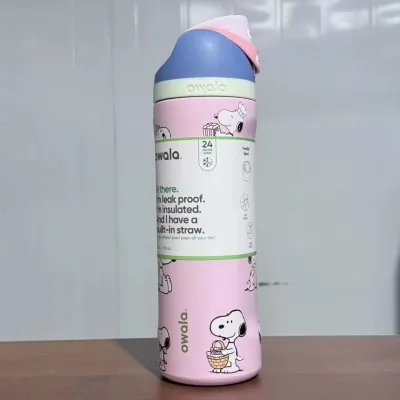
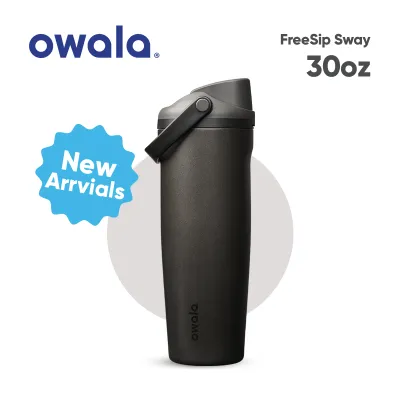
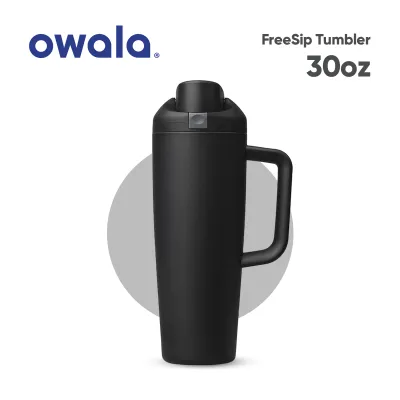
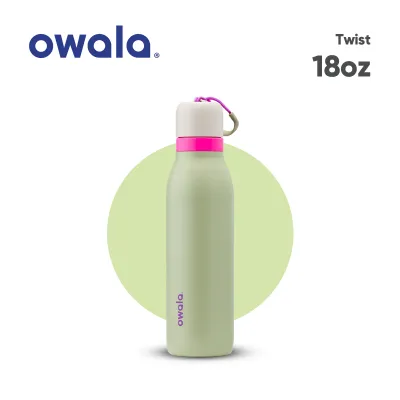
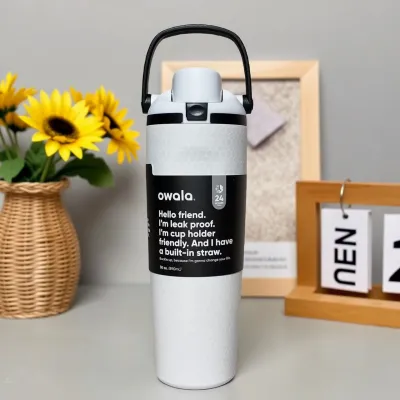
Prices are valid at publication and may change. Please refer to the product page for the latest price.
Finally, leak-proof reliability is a hallmark of genuine design. A poorly manufactured lid mechanism or a low-grade silicone gasket in a fake bottle can easily lead to sudden spills. Whether you are carrying your bottle in a backpack on a hike or placing it next to your laptop at a cafe, a reliable seal is essential. Investing in an authentic product ensures that the lid, straw, and carry loop function exactly as intended, preventing messy leaks and protecting your personal belongings.
Visual and Physical Checks to Spot a Fake Owala
Spotting a counterfeit bottle requires a keen eye for detail and an understanding of high-quality manufacturing standards. When inspecting a bottle, start with the logo placement and print quality. On a genuine bottle, the logo is perfectly aligned, crisp, and durable. The font should match the official branding exactly, with consistent spacing between letters. Counterfeit bottles often feature slightly distorted fonts, uneven alignment, or logos that feel raised, rough, or easily scratched off with a fingernail.

Next, examine the lid mechanism, which is one of the most complex parts of the bottle. The push-button lid should open smoothly with a single press and lock securely without requiring excessive force. Inspect the internal straw alignment; it should fit snugly into the lid port and extend straight down to the bottom of the bottle. The silicone seal inside the lid must be perfectly molded, flexible, and seated securely in its groove. In contrast, fake bottles often have stiff, poorly fitting silicone gaskets, misaligned straws, or a lid button that sticks, squeaks, or feels flimsy.
Packaging details offer another set of clues. Authentic bottles are typically shipped with high-resolution printed labels, clear barcodes, and accurate product information. Carefully read the text on the packaging; counterfeit packaging frequently contains subtle spelling errors, grammatical mistakes, or blurry printing. The cardboard used for authentic packaging is sturdy and well-folded, whereas fake packaging may arrive in flimsy, crushed boxes with faded colors.
Lastly, consider the overall weight and material feel of the product. A genuine stainless steel insulated bottle has a distinct heft due to its double-wall construction. If the bottle feels unusually light, thin, or flexible when squeezed, it may be made of single-wall steel or inferior alloys. Run your fingers along the seams and edges; authentic products feature smooth, seamless finishes, while counterfeits may have rough welds, sharp plastic edges on the lid, or an uneven powder-coat finish on the exterior.
Steps to Verify Your Bottle's Authenticity
If visual checks leave you uncertain, there are systematic steps you can take to verify your bottle’s authenticity. First, look for manufacturing markers such as batch codes or serial numbers, which are often printed or engraved on the bottom of the bottle or inside the lid. You can check the official brand website or contact their customer support team to verify if these codes correspond to a legitimate production run. While counterfeiters sometimes copy real codes, they often use the same code across thousands of fake units, or print codes with incorrect formatting.
Another effective method is to contact the brand’s official customer support directly. Prepare clear, high-resolution photographs of the bottle from multiple angles, focusing on the bottom engraving, the inside of the lid, the silicone seals, and any packaging labels. Provide a copy of your purchase receipt or a screenshot of the online transaction. The customer support team can analyze these details and help confirm whether the product came from an authorized factory.
If you have access to a verified genuine bottle—perhaps one owned by a friend or displayed at an authorized retail store—perform a side-by-side comparison. Compare the exact shade of the colors, the texture of the powder coating, the sound the lid makes when clicking shut, and the weight of both bottles when empty. Subtle differences that are hard to spot individually become highly apparent when two products are placed next to each other under good lighting.
Where to Find a Genuine Owala Store in Singapore
To completely eliminate the risk of purchasing a counterfeit product, you should buy exclusively from authorized sellers. The most reliable starting point is the official brand website, which often maintains a store locator or a list of authorized international distributors. By checking these official resources, you can identify the legitimate partners responsible for importing and distributing the products in Singapore.
For those who prefer physical shopping, reputable sporting goods stores, outdoor gear retailers, and premium lifestyle boutiques in Singapore are excellent choices. Established retail chains and department stores source their inventory directly from authorized distributors, ensuring that every item on their shelves is genuine. Shopping in person also allows you to physically inspect the bottle’s build quality, test the lid mechanism, and choose your preferred colorway before making a payment.
If you prefer the convenience of online shopping, look for verified official stores or authorized flagship stores on major e-commerce platforms. These stores typically carry a “Mall” or “Verified” badge, indicating that the platform has verified their business registration and authorization documents. Avoid buying from unverified third-party sellers, especially those offering prices that seem too good to be true. When browsing online marketplaces, check if the seller’s profile explicitly states that they are an authorized distributor, and look for direct links from the brand’s official social media channels or website pointing to that specific online storefront.
What to Do If You Receive a Counterfeit Bottle
Discovering that you have received a counterfeit bottle can be frustrating, but taking prompt, organized action can help you recover your money and protect other consumers. First, gather all necessary evidence immediately. Take clear photos of the discrepancies you identified, such as misaligned logos, poor stitching on seals, or spelling errors on the packaging. If possible, record a brief unboxing video or a video demonstrating the faulty lid mechanism or poor insulation. Keep digital copies of your order confirmation, invoice, and any communication with the seller.
Next, contact the seller directly through the platform where you made the purchase. State clearly that you believe the item is counterfeit, present your evidence, and request a full refund. Many e-commerce platforms have strict buyer protection policies that cover counterfeit goods. If the seller is uncooperative or refuses to issue a refund, escalate the dispute to the platform’s customer support team. Submit your compiled evidence and highlight that selling counterfeit items violates the platform’s terms of service.
In addition to seeking a refund, report the suspicious listing and the seller’s account to the platform administrators. This helps flag the seller for investigation and prevents them from scamming other buyers in Singapore. If the platform fails to resolve the issue and the seller refuses to cooperate, you can reach out to local consumer protection agencies, such as the Consumers Association of Singapore (CASE), for advice on how to proceed with a formal dispute.
Frequently Asked Questions (FAQ)
Are High-Rated Third-Party Sellers Always Safe?
No, high ratings on third-party seller profiles do not guarantee that every product they sell is authentic. Some sellers manipulate their ratings using fake reviews, brushing schemes, or by initially selling genuine products to build a positive reputation before mixing in counterfeit inventory. Additionally, some buyers may leave positive reviews based solely on fast shipping or appealing aesthetics without realizing they have received a fake bottle that lacks proper insulation or material safety. To protect yourself, always look for official authorization badges on the seller’s profile or cross-reference their store name with the brand’s approved retailer list.
Do Counterfeit Bottles Provide Real Insulation?
Counterfeit bottles rarely provide the same level of insulation as genuine vacuum-insulated drinkware. Authentic bottles use a specialized manufacturing process to create a true vacuum between two layers of stainless steel, which prevents heat transfer. Counterfeiters often skip this expensive step, resulting in a simple double-wall bottle filled with air, or even a single-wall construction. To check your bottle’s insulation safely at home, fill it with cold water and a few ice cubes, then leave it in a room-temperature environment. A genuine bottle will keep the water cold for hours without sweating, while a counterfeit will likely show condensation on the outside and allow the ice to melt rapidly.
Community discussion
Share your experience or ask a question. Comments are reviewed before publication.