
Swimming laps is one of the most efficient ways to build cardiovascular endurance, but few things disrupt your training rhythm quite like a pair of foggy goggles. When your vision becomes clouded mid-lap, you are forced to stop, adjust your gear, and clear the lenses, which breaks your pace and interrupts your workout. Keeping your swim goggles clear is a manageable task once you understand how condensation forms and how to maintain your equipment. By combining immediate pre-swim habits with a dedicated post-swim cleaning routine, you can maintain crystal-clear vision and protect your gear from deteriorating.
Implementing a comprehensive anti mould fogging routine is the key to extending the lifespan of your swimming gear while ensuring clear vision during every pool session. Because modern goggles rely on delicate chemical coatings and soft silicone seals, improper handling can quickly ruin your equipment. Learning the correct way to clean, treat, and store your goggles will save you from the frustration of constant fogging and the expense of premature replacements.
Understanding Why Swim Goggles Fog Up
To effectively prevent fogging, it helps to understand the physical process behind it. The air inside your goggles is warmed by your body heat and humidified by sweat and skin moisture. When you submerge your face, the outer surface of the lens is cooled by the pool water. This temperature differential causes the moisture in the warm air inside the goggles to condense into tiny water droplets on the inner surface of the lens, creating a cloudy barrier that blocks your vision.
Products mentioned in this guide
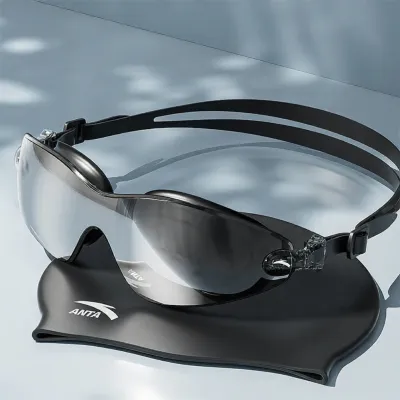
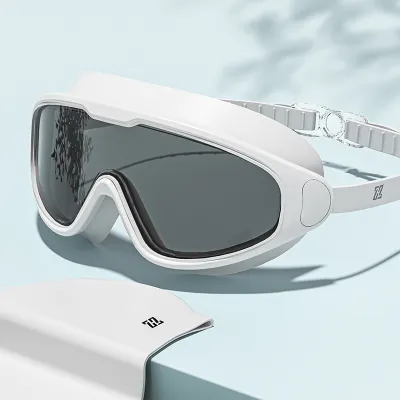
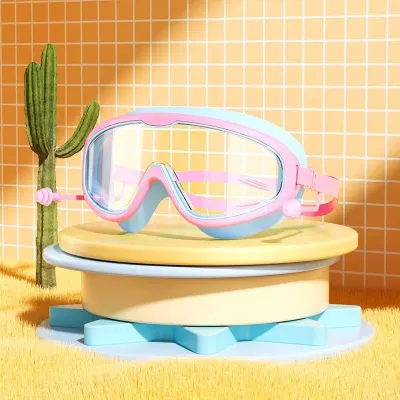
Prices are valid at publication and may change. Please refer to the product page for the latest price.
Most modern swim goggles come equipped with a factory-applied anti-fog coating. This coating is hydrophilic, meaning it reduces the surface tension of water, causing moisture to spread into a flat, transparent sheet rather than forming individual fog droplets. However, this chemical layer is incredibly delicate and naturally degrades over time due to exposure to pool chemicals, salt water, sweat, and physical contact.
External contaminants also play a significant role in lens cloudiness. Facial oils, sweat, cosmetics, sunblock, and chlorine residue build up on the inner lens surface over time. This organic buildup creates a textured surface that attracts moisture droplets and accelerates fogging, while also providing a food source for microscopic fungal spores if the goggles are stored incorrectly.
Immediate Pre-Swim Defogging Techniques
When you need a quick fix right before jumping into the pool, several accessible, low-cost methods can temporarily keep your lenses clear. The most common immediate method is using saliva, which acts as a natural surfactant. Spitting lightly onto the inside of each dry lens, spreading it gently with a clean finger, and rinsing the goggles briefly in pool water creates a temporary barrier that discourages water droplets from forming. While convenient for a quick set of laps, saliva contains organic matter and bacteria, making it a short-term emergency fix rather than a hygienic, long-term solution.

A more reliable and hygienic pre-swim method involves using diluted baby shampoo. Baby shampoo is formulated to be gentle on the eyes, making it an excellent, non-toxic surfactant that will not cause painful stinging if a small amount contacts your eyes during a swim. To use this method, mix a single drop of baby shampoo with water in a small spray bottle, apply it to the inner lenses, swirl it around to coat the surface, and rinse the goggles thoroughly in clean pool water or tap water before putting them on.
Regardless of the pre-swim method you choose, your rinsing technique is critical to preserving your goggles. Never rub the inside of the lenses with your fingers, towels, or swimsuits to dry them or spread a defogging agent. Physical friction is the fastest way to scratch the polycarbonate lenses and permanently strip away any remaining factory anti-fog coating. Always rinse with a gentle stream of water and let the excess liquid drain out naturally.
Applying Commercial Anti-Fog Solutions
When DIY methods no longer provide lasting clarity, aftermarket commercial anti-fog sprays, gels, or drops offer a more durable solution for long-distance lap swimming. Before purchasing any commercial formula, always check the product label to ensure compatibility with polycarbonate lenses, which are standard in modern swim goggles. Using an incompatible chemical can permanently cloud or melt the plastic lenses.
To apply a commercial anti-fog solution correctly, start with clean, dry goggles. Spray or drop a small amount of the formula onto the inner lens surface. If the product instructions allow, use the built-in sponge applicator to distribute the liquid evenly; otherwise, tilt the goggles back and forth to let the liquid coat the surface naturally without touching the lens with your fingers.
Allow the solution to dry completely according to the manufacturer’s instructions. Drying times vary significantly by brand, with some formulas requiring only a few minutes and others benefiting from curing overnight. Once the solution has dried completely, perform a quick, gentle rinse in cool water to remove any excess residue before wearing the goggles. Skipping this rinse can cause the concentrated chemical formula to seep into your eyes, leading to severe irritation and forcing you to stop your swim.
Cleaning and Anti-Mould Storage Routine
Maintaining clear goggles goes beyond pre-swim preparation; it requires a consistent post-swim routine to prevent organic buildup and fungal growth. In warm, humid climates like Singapore, moisture trapped in swim gear creates an ideal breeding ground for mould and mildew. This makes a disciplined anti mould fogging maintenance strategy essential for both hygiene and equipment longevity.
After every swim session, immediately rinse your goggles under cool, fresh tap water. This simple step removes chlorine, salt, sweat, cosmetics, and organic pool residues that can degrade the silicone seals and feed mould spores. Never use harsh dish soaps, abrasive detergents, or hot water, as these can warp the silicone, damage the frame, and strip the lens coatings.
After rinsing, allow your goggles to air-dry completely in a well-ventilated indoor area away from direct sunlight. Ultraviolet rays and high heat can dry out and crack the silicone straps and seals, leading to leaks and structural failure. Do not wipe the lenses with a towel to speed up the drying process; let them dry naturally to protect the inner surface.
Once fully dry, store your goggles in a breathable, ventilated mesh case rather than a sealed plastic container or a damp swim bag. Keeping damp goggles in a dark, wet environment promotes rapid mould growth along the silicone seams. This mould is difficult to remove without damaging the goggles and can cause skin irritation or eye infections if worn again.
Signs It Is Time to Replace Your Goggles
Even with meticulous care, swim goggles are consumable sports equipment that will eventually need replacement. One of the clearest signs that your goggles have reached the end of their lifespan is the presence of deep scratches on the inner lens surface. These micro-fissures not only distort your vision but also trap moisture, bacteria, and mould spores, making any anti-fog treatment ineffective.
Another indicator is permanent cloudiness or peeling of the inner lens layer. This occurs when the factory-applied coating degrades completely and begins to separate from the polycarbonate, creating a textured surface that cannot be cleared by cleaning or aftermarket sprays.
Finally, pay close attention to the physical integrity of the silicone seals and straps. If you notice a loss of suction, brittle or cracking silicone, or straps that frequently slip and lose tension, the goggles will allow water to seep in during your laps. A leaking goggle introduces cold pool water into the warm eye chamber, causing instant, uncontrollable fogging that no defogging solution can resolve. When the seals fail, replacing the goggles is the only way to ensure a comfortable, leak-free swim.
Frequently Asked Questions (FAQ)
Can I use toothpaste to defog swim goggles?
No, you should never use toothpaste to defog swim goggles. While toothpaste is a popular household hack for glass surfaces, it is highly damaging to modern swim goggles, which feature lenses made of polycarbonate plastic. Toothpaste contains mild abrasives, such as silica or baking soda, designed to clean teeth. When rubbed onto plastic lenses, these abrasives create microscopic scratches that permanently ruin optical clarity and strip away any remaining anti-fog coatings. For safe, long-term lens care, stick to dedicated commercial anti-fog sprays or gentle, non-abrasive surfactants like diluted baby shampoo.
How long does factory anti-fog coating last?
The lifespan of a factory-applied anti-fog coating varies significantly based on how often you swim, the chemistry of the water, and how you handle your gear. For a casual swimmer hitting the pool once or twice a week, a high-quality factory coating may remain effective for several months. For competitive swimmers or daily lap swimmers, the coating may begin to wear off within a few weeks. You can easily identify when the factory coating has degraded: instead of water sheeting smoothly across the inner lens, you will observe water beading into tiny droplets that quickly turn into a dense fog as soon as you begin swimming.

Community discussion
Share your experience or ask a question. Comments are reviewed before publication.