
Verifying the authenticity of a Brompton front bag large requires a methodical approach that looks beyond surface aesthetics. Because counterfeit accessories can compromise both your gear and your bicycle’s mounting system, relying on a combination of visual inspections, material checks, and official purchase channels is the most reliable way to ensure you are getting a genuine product. Whether you are commuting daily or embarking on weekend rides along the local Park Connector Network (PCN), having a dependable bag ensures your cargo remains secure throughout your journey.
A genuine front bag is designed to integrate seamlessly with the unique front carrier block system of your folding bicycle. Counterfeit bags often mimic the external look of popular models but fail to replicate the precise engineering required for safe, long-term use. By understanding the specific design markers, hardware standards, and documentation associated with authentic products, you can make an informed decision and protect your investment.
Why Authenticity Matters for Brompton Front Bags
Using a counterfeit front bag introduces several practical and safety risks that can affect your overall riding experience. The primary concern lies in the compatibility with the front carrier block, often referred to as the S-Block system. This mounting block is bolted directly to the bicycle’s frame head tube, meaning any bag attached to it must feature a mounting plate with highly precise tolerances. A counterfeit plate that does not fit correctly can put uneven stress on the carrier block, potentially leading to sudden detachment while riding or causing gradual wear to the bike’s frame mount.
Products mentioned in this guide
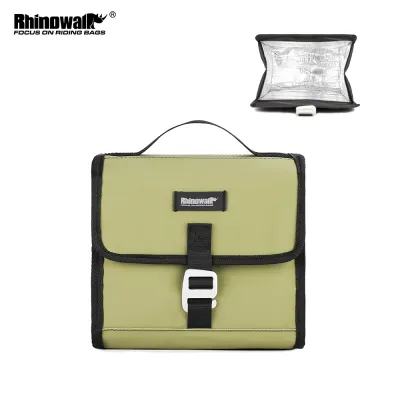
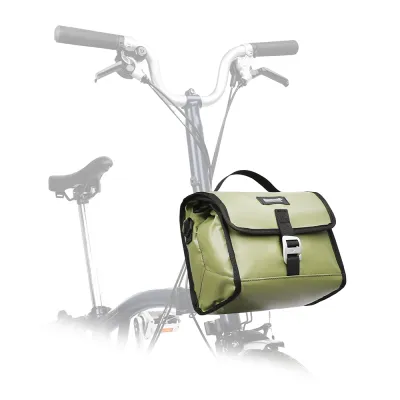
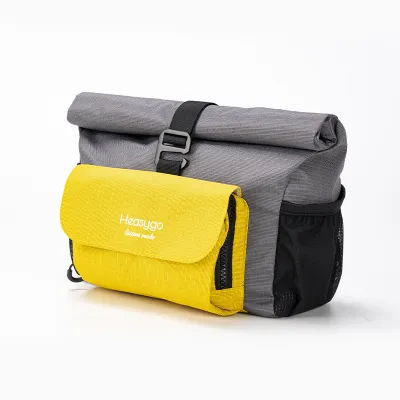
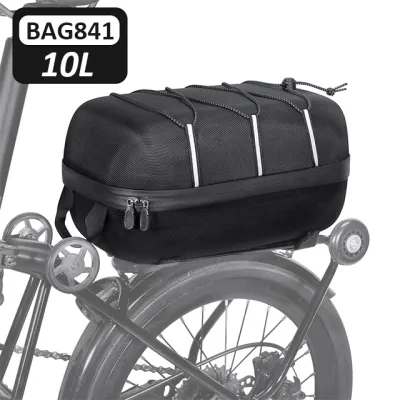
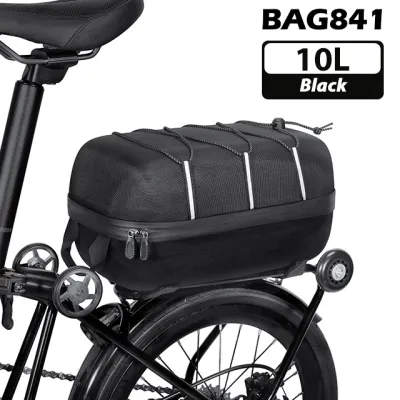
Prices are valid at publication and may change. Please refer to the product page for the latest price.
A sudden failure of the mounting plate while navigating busy urban roads or crowded PCN paths is a serious safety hazard. If a heavily loaded bag detaches unexpectedly, it can interfere with your front wheel, leading to an immediate loss of control and potential injury. Genuine bags undergo rigorous stress testing to ensure the mounting frame can support the rated weight capacity under typical riding conditions, including vibrations from uneven pavements and sudden stops.
Furthermore, counterfeit bags lack any manufacturer warranty or after-sales support. If a zipper fails, a seam splits, or the mounting frame cracks, you have no recourse for replacement or repair. Genuine bags are built to withstand daily use, but counterfeits often utilize cheaper materials that degrade rapidly when exposed to sun, humidity, and heavy rain. Investing in an authentic product ensures that your gear remains protected from the elements and that the bag remains securely attached to your bicycle for years to come.
Red Flags in Online Listings and Pricing
Identifying a counterfeit product often begins long before you hold the bag in your hands. When browsing online marketplaces or third-party classified sites, the listing price is one of the most immediate indicators of authenticity. Genuine large front bags are premium accessories with a consistent retail price structure, typically represented in S$ for local buyers. If you encounter a listing offering a brand-new bag at a fraction of the standard retail price, you should approach the transaction with extreme caution.

Vague or incomplete product descriptions are another common red flag in online listings. Authentic sellers, whether authorized dealers or individual owners selling pre-owned gear, usually provide detailed information about the bag’s model, capacity, material, and dimensions. Counterfeit listings often rely on generic descriptions copied from official websites, sometimes containing spelling errors, awkward phrasing, or inconsistent specifications.
Be highly suspicious of listings that rely solely on official stock photos. Genuine sellers are typically willing to provide original, high-resolution photos of the actual item they are selling. If a seller refuses to share close-up images of the internal tags, the mounting plate, the zippers, or the stitching, it is highly likely the product is not authentic. Additionally, check the seller’s profile and history; a lack of verifiable reviews, a newly created account, or a history of selling unrelated low-cost items in bulk are common traits of counterfeit distributors.
Physical and Build Quality Checks
Once you have access to the physical bag, a close inspection of its structural components and materials will quickly reveal its true origin. Start by examining the rear mounting plate interface, which is the structural backbone of the bag. On a genuine bag, this plate is made of a rigid, high-grade composite material that does not flex easily under hand pressure. The edges of the plastic should be clean and smooth, without any rough flashing or molding defects. The rivets or screws securing the plate to the internal frame must be flush, evenly spaced, and tightly fastened.
The fabric and stitching of the bag provide further clues about its manufacturing quality. Authentic bags are constructed from durable, heavy-duty fabrics such as Cordura or specialized waxed cotton, which feel substantial and have a consistent weave. Inspect the stitching along the seams, corners, and strap attachment points. Genuine manufacturing processes utilize high-tensile thread with straight, even stitches and reinforced bar tacks at high-stress areas. In contrast, counterfeit bags often exhibit crooked stitching, loose threads, uneven tension, and single-stitched seams that are prone to unraveling.
Hardware components like zippers, buckles, and strap adjusters are excellent indicators of authenticity. Genuine bags feature premium zippers, often from reputable manufacturers like YKK, which operate smoothly without catching or sticking. The zipper pulls should feel solid and may feature clean, engraved branding. Inspect the plastic or metal buckles on the main compartment straps; they should snap together with a distinct, positive click and show no signs of brittle plastic or uneven coloration.
Finally, look inside the bag for the internal labels and care tags. Authentic bags contain neatly stitched fabric labels detailing the material composition, care instructions, and manufacturing origin. The text on these tags should be sharp, legible, and free of typographical errors. Many genuine bags also include a small batch code or inspection tag tucked inside an inner pocket. Counterfeit tags are often made of cheap, paper-like materials with blurry printing, crooked alignment, or missing information.
Verifying Through Official Channels and Documentation
Verifying the documentation and packaging associated with the bag is a reliable way to confirm its legitimacy. Genuine front bags are typically supplied with professional packaging, which may include branded hangtags, user manuals, and sometimes a dedicated dust bag or rain cover depending on the specific model. The printing on the hangtags should be crisp, with accurate color reproduction and correct branding logos. Cheap, flimsy cardboard tags with low-resolution printing or generic plastic wrapping are common indicators of a counterfeit.
Always request proof of purchase when buying from an individual or an unauthorized online seller. A legitimate owner should be able to provide the original receipt or an invoice from an authorized dealer or direct brand store. Verify that the date of purchase, store location, and product description on the receipt match the item being sold. While some owners may lose their receipts over time, a complete lack of purchase history combined with other red flags should prompt you to reconsider the purchase.
It is important to understand the limitations of third-party authentication methods. There are no official mobile apps or online databases that can instantly verify the authenticity of soft goods like bicycle bags. If you remain uncertain after performing your own physical inspection, the most reliable course of action is to visit an authorized local dealer. The experienced staff at an authorized shop handle genuine accessories daily and can quickly compare your bag against their official inventory to identify any discrepancies in weight, material texture, or mounting dimensions.
What to Do If You Suspect a Counterfeit
If you suspect that a bag you have purchased or are inspecting is a counterfeit, taking immediate and systematic action is essential. Start by thoroughly documenting the item. Take clear, well-lit photographs of all the areas that raise concern, such as uneven stitching, a poorly molded mounting plate, blurry internal tags, or mismatched hardware. Keep all original packaging, shipping boxes, and labels, as these serve as vital evidence if you need to file a dispute.
If the purchase was made through an online marketplace or ecommerce platform, initiate a return or refund dispute immediately. Most reputable platforms have buyer protection policies that cover counterfeit goods, but these policies typically have strict time limits. Submit your documented photos and a detailed explanation of why you believe the item is not genuine. Avoid communicating with the seller outside of the platform’s official messaging system, as this can complicate the dispute resolution process.
For safety reasons, do not attempt to use the suspected counterfeit bag on your bicycle. Mounting a bag with an unverified or poorly constructed frame onto your front carrier block can lead to mechanical failures while riding. The risk of the bag detaching and causing an accident far outweighs the inconvenience of returning the item. Keep the bag stored safely in its original packaging until the dispute is resolved and you have received instructions on whether to return the item or dispose of it.
Frequently Asked Questions (FAQ)
Can I use a third-party front bag on a Brompton?
Yes, you can use third-party bags, but it is important to distinguish between legitimate third-party compatible bags and counterfeits. Legitimate third-party brands design bags specifically to fit the front carrier block system under their own brand names, without using trademarked logos or claiming to be official merchandise. These compatible bags are legal and often offer unique designs. Counterfeits, on the other hand, illegally copy official branding, logos, and designs to deceive buyers into thinking they are purchasing genuine products.
Do all genuine Brompton front bags come with a unique serial number?
No, soft goods like front bags do not typically feature individual, unique serial numbers in the same way that bicycle frames do. Instead, genuine bags rely on internal batch codes, manufacturing date stamps, or specific care labels to track production. Because there is no public database of bag serial numbers, the most reliable way to verify authenticity is through a physical inspection of the build quality and by verifying the official purchase receipt from an authorized retailer.
Community discussion
Share your experience or ask a question. Comments are reviewed before publication.