
Verifying whether a cricket bat is genuine requires a systematic inspection of its physical construction, wood grain characteristics, and security labeling. To confidently identify a cricket bat original, you must look beyond the surface stickers and evaluate the physical feedback of the bat, such as its balance and pick-up, alongside digital verification of its unique serial numbers through official manufacturer databases.
In Singapore, where cricket is played on varied surfaces from turf pitches to concrete practice nets, using authentic equipment is essential. Genuine bats are engineered to withstand high-velocity impacts while protecting the player’s hands and wrists from severe shock. Investing in an original product ensures you receive high-grade willow that has been properly pressed and treated, offering both optimal performance and vital safety on the field.
The Risks of Buying Counterfeit Cricket Bats
Counterfeit sports equipment is a persistent issue in popular, high-value categories like cricket. Because premium cricket bats require specialized materials and intensive craftsmanship, they are frequent targets for replication. Fraudulent manufacturers produce visually similar replicas that cost a fraction of the price to make, using inferior materials that compromise the integrity of the equipment.
Products mentioned in this guide
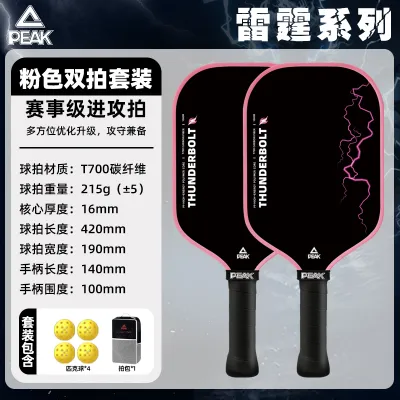
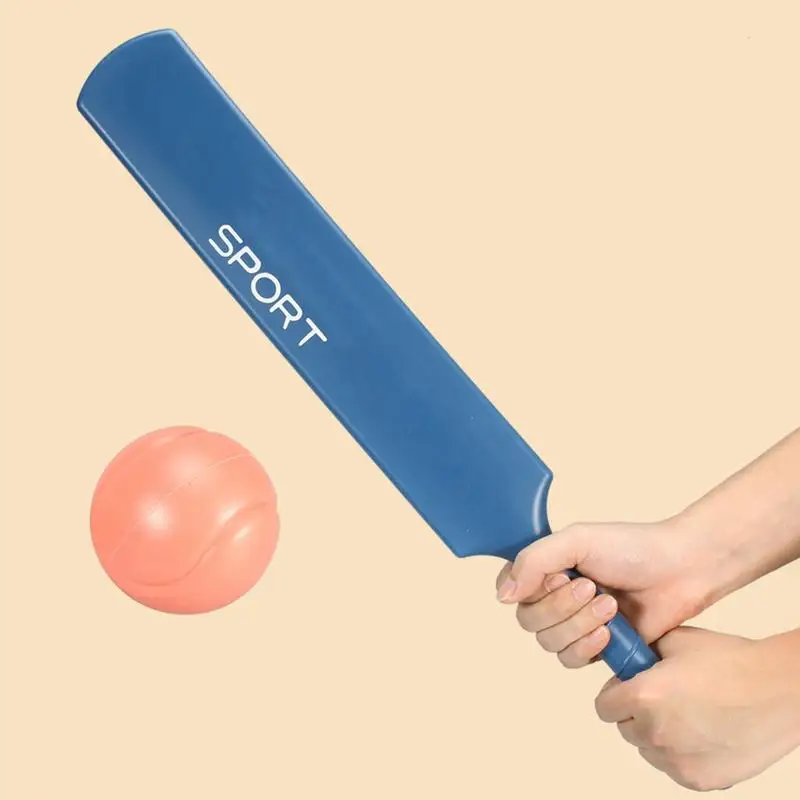
Prices are valid at publication and may change. Please refer to the product page for the latest price.
The most critical concern with counterfeit bats is the immediate safety risk they present to players. A cricket ball is hard and heavy, often traveling at high speeds; when it impacts a poorly constructed bat, the force must be absorbed and distributed correctly. Counterfeit bats often feature weak splice joints or brittle, ungraded wood that can snap or splinter violently during a high-impact swing, potentially injuring the batter, wicketkeeper, or close-in fielders.
Beyond safety, counterfeit bats offer incredibly poor performance and durability. Authentic bats undergo a precise pressing process to compress the willow fibers, creating an active “sweet spot” that drives the ball efficiently. A fake bat lacks this structural compression, resulting in a dead feel upon impact, excessive vibrations that can cause wrist or elbow strain, and a high probability of cracking within just a few sessions.
Physical Inspection: Identifying a Cricket Bat Original by Wood and Construction
Evaluating the raw materials and construction quality is the most reliable way to distinguish a genuine bat from a counterfeit. Authentic manufacturers adhere to strict wood-grading standards, whereas counterfeiters rely on cosmetic cover-ups to mask low-grade timber.

Willow Quality and Grains
An original premium bat is crafted from high-quality English Willow (Salix alba caerulea) or durable Kashmir Willow. Genuine English willow has a clean, pale cream color with distinct, straight, and relatively parallel grain lines running vertically down the face of the blade. Inspect these grains closely; fake bats often use cheap, ungraded wood with artificial grain lines that are painted, printed, or laser-etched onto the surface. You can identify fake grains by checking if they look perfectly identical, lack natural wood texture, or fail to wrap continuously around the toe and the back of the bat.
Weight and Balance (Pick-up)
The physical weight of a bat on a scale does not tell the whole story; the “pick-up”—how heavy the bat feels when you assume your stance and swing—is what matters. Skilled bat-makers carefully shave wood from the shoulders and spine of the blade to optimize balance and create a light, responsive pick-up. Counterfeit bats, even if they match the official weight on a scale, are rarely balanced correctly. They often feel incredibly bottom-heavy, clumsy, and difficult to control because the counterfeiters do not possess the craftsmanship required to sculpt the wood properly.
Handle and Splice Joint
The handle of an authentic bat is a critical piece of engineering, constructed from multiple pieces of premium cane interspersed with rubber or cork strips to absorb impact shock. This handle is fitted into the blade using a precise, V-shaped splice joint. Examine this joint carefully for clean, seamless woodwork and tight alignment. Counterfeit bats often use cheap, single-piece wood or bamboo for the handle, joined to the blade with excessive, messy glue, visible gaps, or uneven alignment that will quickly fail under pressure.
Toe and Edges
Take a close look at the finishing on the toe and edges of the blade. Genuine bats feature smooth, consistently sanded edges and a perfectly shaped toe, which is often sealed with a high-quality rubber toe guard or specialized resin to prevent moisture absorption. Counterfeits frequently exhibit rough patches, splintering wood, uneven edge thickness, and poorly applied toe guards that peel off easily. In Singapore’s humid climate, any vulnerability in the wood’s seal can lead to rapid moisture absorption, causing the wood to rot or swell.
Decoding Labels, Stickers, and Security Features
Modern cricket brands employ sophisticated security packaging and labeling to protect their intellectual property. Understanding these visual markers makes it much harder for counterfeiters to deceive you.
- Holograms and 3D Security Stickers: Premium brands place high-security holographic stickers on the throat, spine, or handle of the bat. These holograms feature multi-layered 3D graphics, color-shifting elements, or hidden patterns that only become visible when tilted under direct light. Counterfeits usually feature flat, metallic-looking stickers that lack depth, optical movement, or clear holographic detail.
- Brand Logos and Typography: Counterfeiters often make subtle errors when replicating brand decals. Inspect the stickers for spelling mistakes, misaligned text, incorrect font weights, or slight variations in brand colors. Cross-reference the decals with high-resolution product photos on the manufacturer's official website to spot these discrepancies.
- Serial Numbers and Barcodes: Most reputable manufacturers laser-engrave a unique serial number directly into the wood of the bat, typically on the shoulder or near the handle splice, alongside a corresponding barcode on the sticker. If the serial number is merely printed on a cheap paper sticker that can be easily peeled off without leaving a mark, the bat's authenticity is highly questionable.
- Limitations of Visual Checks: While checking stickers is a helpful first step, remember that advanced counterfeiters can sometimes replicate labels with surprising accuracy. Visual inspections must always be combined with physical checks of the wood quality, handle construction, and pick-up balance to form a reliable conclusion.
Verifying Authenticity Through Official Channels
If physical and visual inspections leave you uncertain, you can leverage official brand resources to verify the bat’s origin. Manufacturers have established digital systems to help consumers validate their purchases.
Many top-tier cricket brands feature dedicated authentication portals on their official websites. You can enter the laser-engraved serial number found on your bat into these databases to check if it matches a registered product. The system should return matching details regarding the specific model, weight range, and manufacturing batch. If the database does not recognize the serial number, or if the returned details describe a completely different bat model, you are likely holding a counterfeit.
Additionally, you should cross-reference your seller against the manufacturer’s official list of authorized dealers, distributors, or pro shops. Genuine brands maintain strict supply chains and will openly list their authorized retail partners in Singapore. If the store or online seller you are purchasing from is not listed as an authorized retailer, the risk of acquiring a fake product increases significantly.
When in doubt, take clear, high-resolution photographs of the bat from multiple angles. Capture detailed close-ups of the wood grain, the splice joint, the handle grip, the laser-engraved serial number, and all applied stickers. Send these images directly to the manufacturer’s official customer support email. Their product experts can analyze the construction details and confirm whether the bat came from their production line.
Choosing Reliable Purchasing Channels
To minimize the risk of purchasing a counterfeit cricket bat, you must be selective about where you shop. Buying from unverified sources to save money often leads to receiving a dangerous, low-quality product.
Whenever possible, purchase your equipment directly from brand-owned physical showrooms or their verified online flagship stores. If buying locally in Singapore, visit established, reputable sporting goods retailers and specialized cricket pro shops. These businesses source their inventory directly from authorized regional distributors, ensuring that every bat on their shelves is authentic and covered by the manufacturer’s warranty.
Be exceptionally cautious when browsing general online marketplaces or classified ad platforms. While these platforms offer convenience, they are also common venues for counterfeit sellers. Watch out for red flags such as prices that are significantly below standard market value—for instance, a premium English Willow bat normally retailing for S$800 being offered for S$150. Other warning signs include listings that use only generic stock photos, sellers who refuse to provide photos of the actual bat’s serial number, and shops with vague return policies or poor customer feedback.
What to Do If You Receive a Suspected Fake
If you discover that you have purchased a counterfeit cricket bat, taking immediate and documented action is essential to secure a refund and stop fraudulent sellers.
First, document all available evidence. Take clear, well-lit photographs and videos of the bat, focusing on the physical flaws, printed grain lines, peeling stickers, or misaligned joints. Keep all original packaging, shipping labels, invoices, and digital transaction receipts. This documentation will serve as crucial proof when filing a dispute.
Next, initiate a formal return or dispute process through the payment provider or e-commerce platform immediately. Most established online marketplaces have strict buyer protection policies regarding counterfeit goods. File your claim under “item not as described” or “suspected counterfeit,” submitting your compiled photographic evidence to support your case. Do not attempt to use or modify the bat, as this can void your eligibility for a refund.
Finally, report the fraudulent listing and the seller’s account to the platform administrators to prevent other players from being scammed. You should also consider reporting the incident to the genuine brand’s anti-counterfeiting or customer support division. Providing them with the seller’s details and purchase location helps them take legal action to protect the cricket community.
Frequently Asked Questions (FAQ)
Do all original cricket bats have a hologram sticker?
No, not all original cricket bats feature a hologram sticker. While premium and mid-tier models from major international brands almost always utilize advanced holographic security decals, some entry-level models, traditional custom-made bats, or older stock may rely on alternative authenticity markers. These alternatives can include brand-specific hot-brand stampings directly on the wood, embossed logos, or laser-engraved serial numbers. Always consult the manufacturer’s current verification guidelines for the specific bat model you intend to buy.
Can I use a counterfeit cricket bat for casual backyard play?
Using a counterfeit cricket bat is strongly discouraged, even for casual backyard play or light practice sessions. Counterfeit bats are constructed from low-grade, brittle wood that has not undergone proper hydraulic pressing, and their handles lack genuine shock-absorbing cane. When struck by a cricket ball, the immense vibration can cause painful hand injuries, and the blade is highly prone to cracking or snapping. A flying piece of broken wood or a detached handle poses a severe physical safety hazard to the batter, wicketkeeper, and anyone standing nearby.
Community discussion
Share your experience or ask a question. Comments are reviewed before publication.