
To determine if a Mammut carabiner is genuine, you must perform a multi-step inspection covering physical markings, mechanical gate operation, certification stamps, and packaging details, while ensuring the item was sourced from an authorized retailer. Because counterfeit climbing gear can look remarkably similar to authentic equipment on the surface, safety verification requires looking closely at manufacturing precision and verifying official documentation.
Why Authenticity Matters in Life-Safety Gear
Climbing gear is life-safety equipment designed to perform under extreme forces. A failure under load during a fall or rescue can have catastrophic, life-threatening consequences. Using unverified or counterfeit gear introduces an unacceptable risk to your safety and the safety of your climbing partners.
Counterfeiters target premium brands like Mammut because of their high market demand and reputation for quality. These bad actors exploit buyers looking for a discount, producing visually convincing replicas that bypass all safety standards. They use cheap manufacturing processes that prioritize appearance over structural integrity.
Products mentioned in this guide
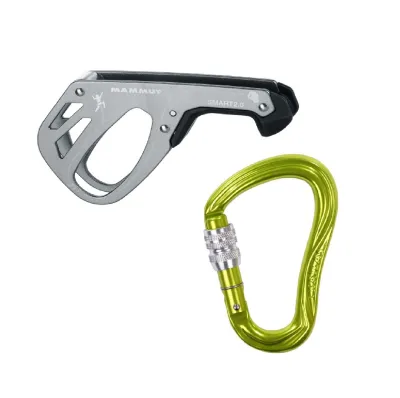
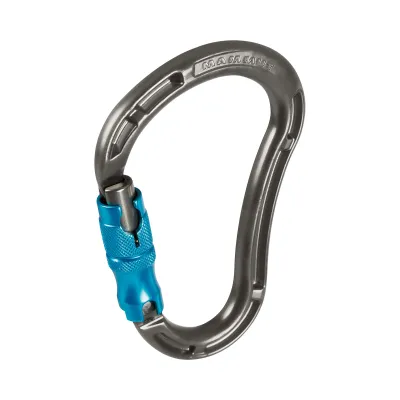
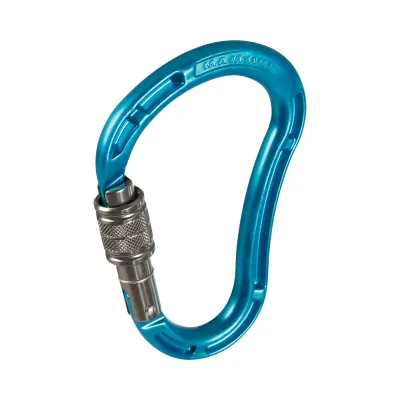
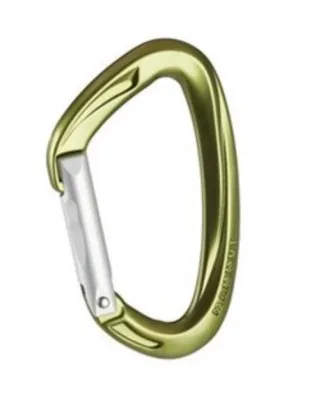
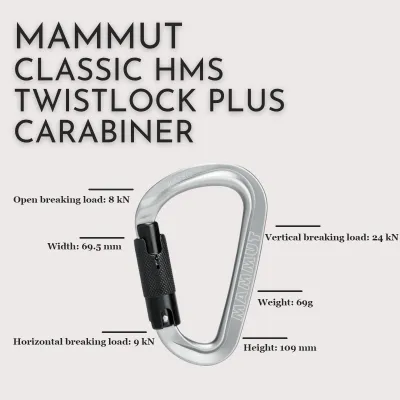
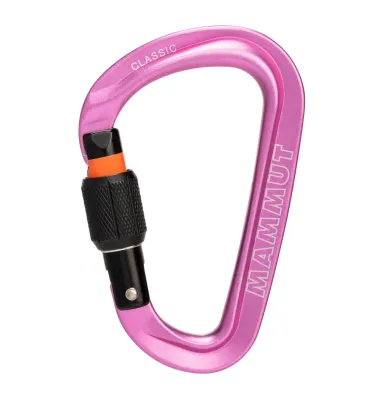
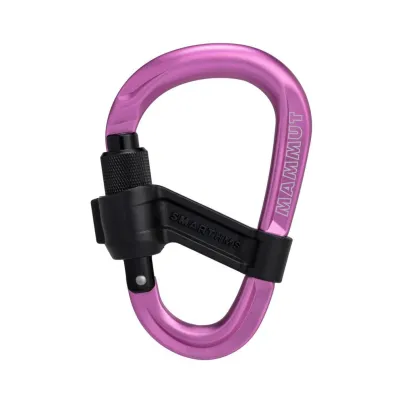
Prices are valid at publication and may change. Please refer to the product page for the latest price.
A visual check alone is never a guarantee of internal structural integrity. Genuine climbing gear is engineered to precise tolerances and undergoes rigorous quality control. Counterfeits often use inferior aluminum alloys or improper heat treatment. These metallurgical defects cannot be detected by the naked eye but will cause the carabiner to fail under standard climbing loads.
Physical and Visual Checks on the Carabiner
Examine the markings on the carabiner body. Genuine Mammut carabiners feature crisp, clear, and perfectly aligned laser-engravings or forged markings. Look for the Mammut logo, model name, and strength ratings in kilonewtons (kN) for major axis, minor axis, and open gate configurations. If the text is blurry, unevenly spaced, or misspelled, treat it as a major warning sign.

Test the gate mechanism thoroughly. The gate should open smoothly and snap shut instantly with crisp spring tension. For locking carabiners, such as screwgate or autolock models, the sleeve must thread or rotate smoothly without catching, grinding, or showing excessive play. Any grinding noises or rough action suggest poor machining and substandard quality control.
Pay close attention to the gate nose design. Many modern Mammut carabiners use a keylock nose system to prevent snagging on ropes and hangers. Counterfeiters often struggle to replicate this precise geometry, resulting in a misaligned nose, sharp edges inside the basket, or a gate that does not seat perfectly into the body.
Inspect the surface finish and material consistency. Authentic carabiners undergo high-quality anodizing, resulting in a uniform color and smooth texture. Look closely for casting seams, sharp edges, or uneven material thickness along the spine and basket. Genuine climbing carabiners are forged and meticulously finished to eliminate sharp spots that could damage a climbing rope, whereas rough casting lines often indicate a cheap, cast counterfeit.
Verifying Packaging and Certification Marks
Examine the packaging. Genuine Mammut gear is supplied in high-quality packaging with clear, high-resolution printing, accurate brand colors, and proper labeling. Look for tamper-evident seals or specific retail packaging rather than loose items wrapped in plain plastic bags. The packaging should also feature a sticker with the specific barcode, model name, and batch number matching the item.
Review the user manual. Authentic climbing hardware always includes a comprehensive, multi-language user manual printed on high-quality paper. Check the print quality, the accuracy of the safety warnings, and the presence of correct manufacturer contact details. Misspellings, poor translations, or missing safety diagrams in the manual are strong indicators of a counterfeit product.
Locate certification marks. Look for the CE (Conformité Européenne) mark followed by a four-digit notary code and the UIAA (International Climbing and Mountaineering Federation) logo. These marks must be clearly engraved or stamped on the carabiner body. Verify that the formatting matches official standards, as counterfeiters often print fake logos without meeting the actual testing requirements.
Choosing Safe Retailers and Official Verification
To guarantee authenticity, always purchase climbing gear from Mammut brand stores, official websites, or authorized local outdoor retailers in Singapore. Buying from established, reputable climbing gyms or specialty outdoor shops ensures a secure supply chain. Authorized retailers can also provide expert advice and help you inspect your gear if you have questions.
Be highly cautious when browsing third-party online marketplaces or peer-to-peer selling platforms. Red flags include prices that are significantly lower than the standard retail price, sellers with no verifiable credentials, and listings that rely solely on stock photos rather than actual product images. If a deal seems too good to be true, it almost certainly is.
If you are uncertain about a carabiner’s origin, use official brand contact channels. You can contact Mammut customer service to verify batch numbers, production dates, or specific design features of the model in question. While batch numbers can sometimes be copied by counterfeiters, verifying them with the manufacturer adds an extra layer of validation.
Action Steps for Suspected Fake Gear
If a carabiner fails any of your visual or mechanical checks, or if you have any doubts about its authenticity, immediately retire it from service. Never use a suspected counterfeit carabiner for climbing, rigging, safety anchors, or any other load-bearing application. Mark the item clearly so that no one else uses it by mistake.
Contact Mammut customer support or the authorized retailer where you purchased the item. Provide them with high-resolution photographs of the markings, gate mechanism, packaging, and a copy of your purchase receipt. Manufacturers take counterfeit safety gear very seriously and can often confirm if a specific batch or design is illegitimate.
Report the fraudulent seller to the ecommerce platform or local consumer protection authorities in Singapore. This helps prevent unsafe, non-compliant gear from being sold to other climbers who might unknowingly rely on it in life-critical situations.
Frequently Asked Questions (FAQ)
Can I use a carabiner for climbing if it lacks a UIAA or CE mark?
No, you must never use a carabiner for climbing or any life-safety application if it lacks recognized safety certifications like CE or UIAA. These marks indicate that the gear has undergone rigorous independent testing to withstand the forces of a climbing fall. Carabiners without these marks are typically non-load-rated accessory carabiners designed solely for holding light gear like keys or water bottles, and they will break under the weight of a human body.
Do all genuine Mammut carabiners have an individual serial number?
Not all genuine Mammut carabiners feature a unique, individual serial number. While specialized rescue equipment or specific high-end models may include individual traceability codes, standard climbing carabiners often rely on batch or production codes instead. To understand the exact traceability features of your gear, consult the official product specifications and the user manual provided for that specific model.
Community discussion
Share your experience or ask a question. Comments are reviewed before publication.