
To verify if your Tokyo Powder chalk is authentic, you must systematically examine the packaging print quality, inspect the factory seal, evaluate the physical texture and scent of the powder, and verify that you purchased it from an authorized climbing gym or reputable retailer. While high-quality chalk is essential for maintaining friction, remember that equipment cannot replace proper climbing training, safety checks, and sound judgment on the wall. If you suspect your gear or chalk is compromised, the safest decision is always to stop climbing and verify your equipment before continuing. Because counterfeit climbing gear and accessories can compromise your safety, taking a few minutes to inspect your chalk ensures you are using a reliable, pure product.
Why Authentic Climbing Chalk Matters for Safety and Performance
Climbing chalk is more than just a comfort accessory; it is a critical safety link between your hands and the rock or plastic holds. When you are high above your last clip or bouldering over a hard landing, your grip must be entirely predictable. Authentic magnesium carbonate is processed specifically to remove impurities and provide consistent moisture absorption, ensuring your hands stay dry when you need it most.
Using unverified or counterfeit chalk introduces unpredictable variables to your climb. Impure chalk often contains cheap fillers, industrial drying agents, or unknown chemical additives that can cause severe skin irritation, contact dermatitis, or allergic reactions. On the wall, these impurities can lead to sudden, unexpected slippage, significantly increasing your risk of a fall.
Products mentioned in this guide
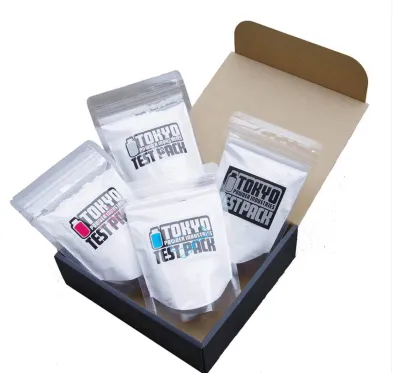
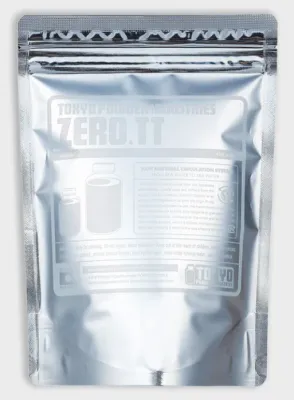
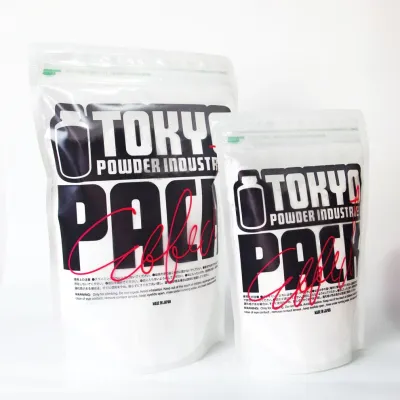
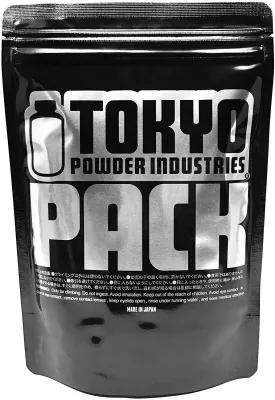
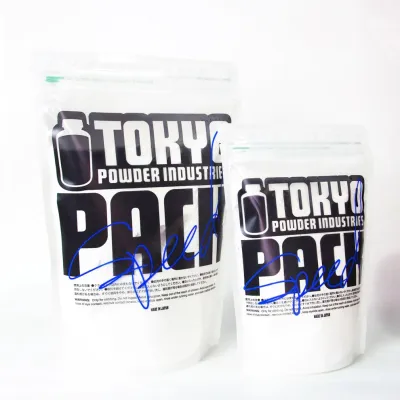
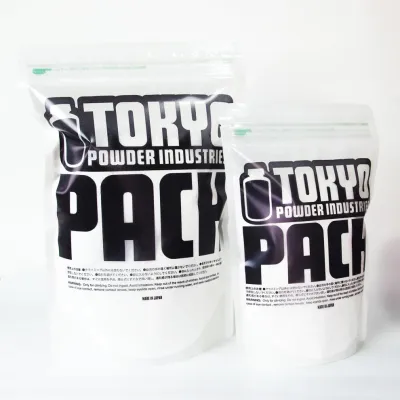
Prices are valid at publication and may change. Please refer to the product page for the latest price.
Furthermore, unregulated manufacturing processes often ignore environmental and ethical standards. Authentic brands invest in sourcing clean raw materials and maintaining transparent production chains. By ensuring your chalk is genuine, you protect your skin, maintain a reliable grip, and support responsible manufacturing practices within the global climbing community.
Additionally, high-quality chalk is designed to stay on your hands longer, reducing the need for constant re-chalking during a route. Counterfeit alternatives often brush off almost immediately, forcing you to waste energy dipping back into your chalk bag mid-climb. This inefficiency can disrupt your rhythm and lead to premature pump, compromising your overall performance and safety.
How to Inspect Packaging and Labels for Authenticity
Before opening a new bag of chalk, a close visual inspection of the packaging can reveal key indicators of a counterfeit product. Authentic packaging is manufactured to high standards, featuring crisp, clear printing with accurate color reproduction. Examine the text carefully; counterfeit bags often display blurry fonts, misaligned logos, or subtle spelling and grammatical errors that slip past low-budget printing operations.

Next, inspect the physical integrity of the bag and its sealing mechanism. Genuine Tokyo Powder chalk bags utilize high-quality, durable materials designed to withstand the humid conditions of climbing gyms and outdoor crags. Check the factory seal at the top of the pouch to ensure it is completely intact and shows no signs of tampering, resealing, or uneven heat-pressing.
Finally, look for specific manufacturing details printed on the packaging, such as batch numbers, production dates, or tracking codes. While counterfeiters may attempt to copy these markings, they often print identical batch numbers across thousands of fake bags or use fonts and alignments that differ from the brand’s official formatting. Compare these details with a known authentic bag or check the manufacturer’s official guidelines if you notice any inconsistencies.
Pay close attention to the texture of the packaging material itself. Authentic bags often feature a specific matte or textured finish that feels premium and durable. Counterfeiters frequently use cheaper, glossy plastics that feel thin, flimsy, and prone to tearing under normal handling in a climbing pack.
Evaluating the Physical Properties of the Chalk
Once you open the packaging, you can perform several sensory and tactile checks to evaluate the chalk itself. Authentic high-performance chalk has a highly consistent color and texture throughout the bag. Pour a small amount into your hand and look for any unusual clumping, off-white discoloration, or visible foreign particles, which are common signs of low-grade industrial fillers.
Your sense of smell is another valuable tool for detecting counterfeit chalk. Pure magnesium carbonate is virtually odorless, though some specialized chalk blends may contain specific, mild organic scents like eucalyptus or peppermint. If you detect a harsh, chemical, or synthetic perfume smell upon opening the bag, the product likely contains artificial additives or industrial contaminants and should not be used.
Finally, assess the tactile feel of the powder. Authentic chalk is engineered to have a specific grind size, offering a smooth, silky texture that adheres evenly to your skin and provides immediate moisture absorption. Counterfeit chalk often feels excessively gritty, waxy, or overly powdery like cornstarch, failing to create the reliable friction barrier required for secure climbing.
You can also observe how the chalk behaves when mixed with moisture. Authentic chalk absorbs sweat efficiently, turning into a thin, even paste that continues to provide some grip before drying. Counterfeit chalk containing heavy fillers may turn slimy, slippery, or wash away completely when exposed to sweat, which is highly dangerous during a challenging sequence.
Assessing Purchase Channels and Seller Credibility
One of the most effective ways to avoid counterfeit climbing gear is to carefully evaluate where you buy your products. Purchasing directly from official brand websites, established local climbing gyms, or authorized outdoor retailers in Singapore is the safest route. These businesses source their inventory directly from official distributors, ensuring a secure supply chain.
Be highly cautious when browsing third-party online marketplaces or unverified ecommerce platforms. If a listing offers a price that is significantly below the standard S$ retail range for premium chalk, it is highly likely to be a counterfeit. Authentic high-quality chalk requires precise manufacturing and shipping processes, making extreme discounts a major red flag.
Before making a purchase from an independent online seller, review their transaction history, customer feedback, and return policies. Look for detailed reviews from other climbers rather than generic, automated-looking ratings. Reliable sellers will openly state their authenticity guarantees and offer clear, hassle-free return policies if a product does not meet expectations.
Additionally, check if the seller is listed on the brand’s official distributor directory. Many premium climbing brands maintain a public list of authorized shops and gyms in each region. If a seller claims to be an official dealer but does not appear on these lists, contact the distributor directly to verify their status before completing your purchase.
What to Do If You Suspect a Counterfeit Product
If your chalk fails any of the visual, tactile, or olfactory checks, you must stop using it immediately. Continuing to climb with unverified chalk risks sudden grip failure on the wall, which can lead to severe injuries from falls. Additionally, unknown chemical additives can cause painful skin reactions that may keep you away from training for weeks.
Next, document your findings thoroughly to build a strong case for a refund or report. Take clear, high-resolution photographs of the packaging from multiple angles, focusing on the labels, batch codes, seals, and any printing errors. You should also take close-up photos of the chalk’s texture and any visible impurities or unusual clumping.
Once you have documented the evidence, initiate a dispute or return request through the buyer protection program of the platform where you purchased the item. Report the seller and the specific listing to the platform administrators to help prevent other climbers from buying unsafe gear. Finally, consider contacting the brand directly with your photos and purchase details to assist them in tracking down counterfeit distributors.
Do not attempt to resell or give away the suspected counterfeit chalk to other climbers. Even if you are willing to accept the risk, passing unverified products to others compromises the safety of the climbing community. Properly dispose of the product once your dispute is resolved to ensure it cannot be used on any indoor or outdoor walls.
Frequently Asked Questions (FAQ)
Can I use counterfeit chalk if it feels similar to the real product?
No, you should never use chalk if you suspect it is counterfeit, even if the texture feels similar to the genuine product. Visual and tactile similarities do not guarantee chemical purity, and counterfeit chalk may still contain harmful heavy metals, industrial drying agents, or skin irritants. Prioritizing your skin health and ensuring a reliable, predictable grip on the wall is far more important than saving money on unverified chalk.
Does the brand offer an official verification app or QR code?
You should check the official brand website for the most up-to-date information on digital authentication tools, as verification methods can change over time. Keep in mind that counterfeiters can easily copy static QR codes and redirect them to fake verification websites. Therefore, digital checks should always be combined with physical packaging inspections, tactile assessments, and purchasing from authorized retailers.

Community discussion
Share your experience or ask a question. Comments are reviewed before publication.