
Using a fascia ring for post-workout recovery is an excellent way to target tight muscles, improve flexibility, and support your body’s natural healing process after exercise. This double-curved, ergonomic tool is designed to mirror the natural contours of your body, allowing you to apply targeted pressure to specific muscle groups. Because of its compact size, it is highly suited for home workouts, fitting easily into small living spaces without requiring the storage room of a traditional foam roller. To get the most out of your recovery sessions, you must master the correct techniques, understand proper body positioning, and prioritize safety at every step.
Preparing Your Space and Body for Fascia Ring Therapy
Setting up a dedicated recovery area is the first step toward an effective session. In compact home environments, such as a typical HDB flat, you do not need a massive workout room to perform fascia release. Simply clear a small, flat area on your living room or bedroom floor that is roughly the size of a standard yoga mat. Ensure the space is free of clutter, sharp objects, or nearby furniture corners to prevent accidental bumps or falls while you shift your body weight.
Before placing the ring on your body, take a moment to inspect both your skin and the equipment. Check the fascia ring for any structural damage, cracks, or rough edges that could pinch your skin or snag your clothing. Ensure your skin is clean and free of heavy body lotions, oils, or sweat, which can make the surface of the ring slippery and cause it to slide out of position during a deep stretch.
Products mentioned in this guide
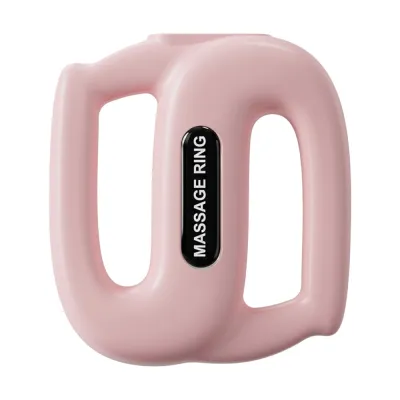
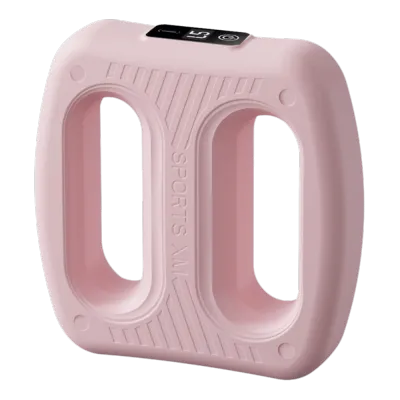
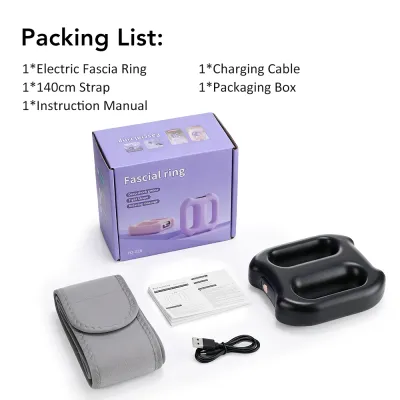
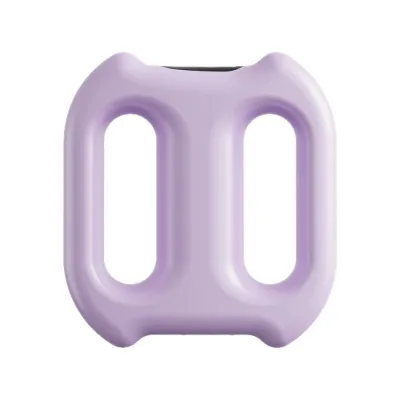
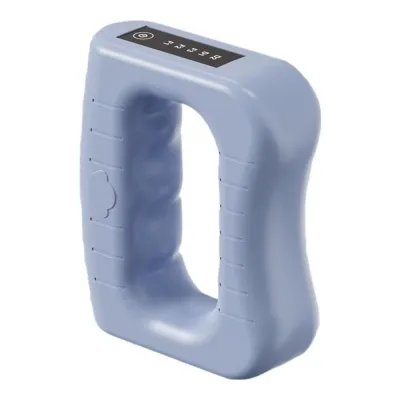
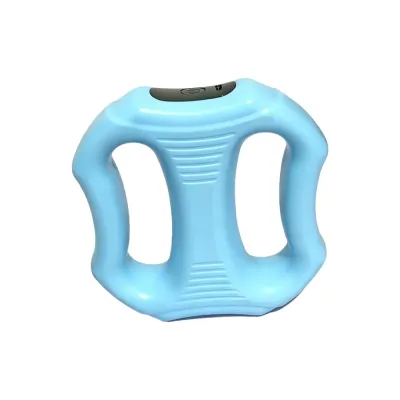
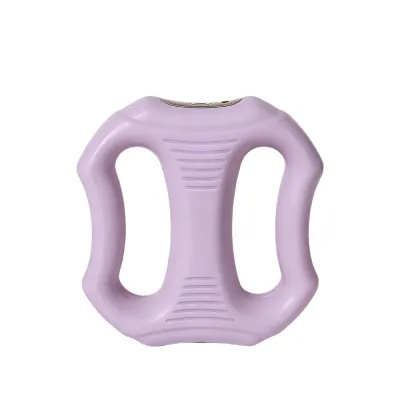
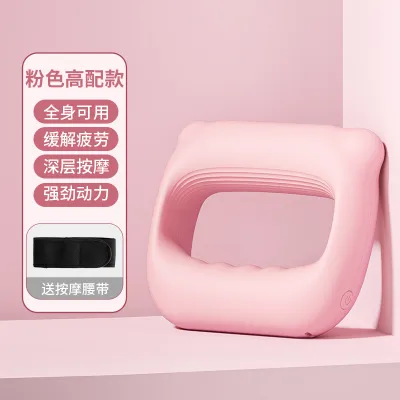
Prices are valid at publication and may change. Please refer to the product page for the latest price.
Your muscles should be in a receptive state before you begin applying deep pressure. The ideal time to use a fascia ring is immediately after a workout when your body temperature is elevated and your muscles are warm and pliable. If you plan to use the ring on a rest day, avoid rolling completely cold muscles; instead, perform a light five-minute warm-up, such as gentle walking or active stretching, to increase local blood flow and prepare the tissues.
Step-by-Step Technique for Rolling and Pressure Control
Mastering the proper grip and hand placement is essential to avoid unnecessary strain on your upper body. When holding the fascia ring, grip the outer curved edges firmly but without excessive force. Over-gripping can cause tension to travel up your forearms and into your shoulders, which defeats the purpose of a relaxation session. Keep your wrists in a neutral, straight alignment to distribute your physical effort evenly.

To begin the release process, align the convex or concave curve of the ring with the center of the muscle belly. Slowly lower your body weight onto the ring, using your hands and opposite leg to support and regulate the load. Never drop your full weight onto the tool suddenly; instead, gradually sink into the ring over several seconds, allowing your nervous system to adapt to the pressure.
Pacing is critical when performing myofascial release at home. Move the ring along the muscle fiber direction with slow, deliberate glides, aiming for a speed of about two to three centimeters per second. Rushing through the movements can cause your muscles to contract defensively, which limits the effectiveness of the therapy.
When you encounter a tender spot or a localized knot, stop moving and pause. Hold the position for fifteen to thirty seconds while focusing on deep, slow diaphragmatic breathing. This sustained pressure encourages the muscle fibers to relax and lengthen. If you experience a sharp, shooting, or electric sensation, immediately back off the pressure, as this indicates you are pressing on a nerve or blood vessel rather than muscle tissue.
Targeting Key Muscle Groups Effectively
Shifting your body weight and adjusting your physical angles are the primary ways to control the intensity of the fascia ring. By changing how you lean or leverage your limbs, you can easily transition from a gentle stretch to a deep tissue massage.
Lower Body and Legs
To target your calves safely, sit on the floor with your legs extended straight in front of you. Place the fascia ring under one calf with the curved side facing downward. To increase the pressure, cross your opposite leg over the shin of the working leg; to reduce the intensity, keep your non-working foot flat on the floor to support your weight. Gently rock your leg from side to side to massage both the inner and outer heads of the calf muscle.
When working on your hamstrings or quadriceps, floor-based postures allow you to use your body weight effectively. For the quadriceps, lie face down on a comfortable exercise mat and position the ring under the front of your thigh. Use your forearms and your opposite knee to support your torso, slowly sliding your body forward and backward to glide the ring along the muscle.
Always exercise caution to avoid rolling directly over your joints or bones. Keep the fascia ring away from the kneecap, the back of the knee joint, and the shin bone. If you feel the hard edge of the ring pressing against a bony surface, immediately lift your weight and reposition the tool onto the soft, fleshy part of the muscle belly.
Upper Body and Back
The upper back and shoulder blade areas require a modified approach to prevent excessive spinal pressure. Instead of lying on the floor, which can apply too much direct force, stand with your back against a flat wall. Place the fascia ring between your upper back muscles and the wall, keeping it positioned between your spine and your shoulder blade. Bend your knees slightly to roll the ring up and down, using the wall to easily control how much weight you lean into the tool.
For the arms and forearms, manual application often provides the best control and precision. Hold the fascia ring with your opposite hand and press the curved edge directly into the forearm muscles, moving it slowly from the wrist toward the elbow. Avoid pressing the ring into the elbow joint itself, the armpit, or the collarbone, as these areas contain sensitive nerves and blood vessels that should not be subjected to heavy pressure.
Common Mistakes and Safety Stop Conditions
One of the most common mistakes beginners make is applying direct pressure to vulnerable anatomical structures. Never place the fascia ring on your lower back, your neck, or directly over your spine. These regions lack the thick muscle mass of the upper back or thighs, and excessive pressure can strain the delicate vertebrae and ligaments.
It is vital to distinguish between productive muscle discomfort and harmful pain during your recovery sessions. A productive release typically feels like a dull, heavy ache that gradually dissipates as you breathe through the stretch. In contrast, harmful pain is sharp, stabbing, hot, or localized to a joint. If you feel your muscles tensing up or if you find yourself holding your breath, the pressure is too intense and must be reduced.
Knowing when to stop using the fascia ring is crucial for preventing long-term tissue damage. Immediately cease the session if you experience numbness, tingling, throbbing, or sudden swelling in the target area. These symptoms are clear indicators of nerve compression or restricted blood flow. If you have an acute injury, such as a recent muscle strain, joint sprain, or skin inflammation, avoid using the ring entirely and consult a qualified healthcare professional.
Cleaning and Storing Your Equipment
Maintaining proper hygiene is essential to keep your fascia ring in safe, usable condition. After each post-workout session, wipe down the entire surface of the ring with a damp microfiber cloth and a small amount of mild, non-abrasive soap to remove sweat, body oils, and skin cells. This practice is especially important in warm, humid climates like Singapore’s, where moisture can encourage the growth of bacteria and mold on fitness equipment.
Once cleaned, dry the ring thoroughly with a clean towel before putting it away. Store your fascia ring in a cool, dry, and well-ventilated indoor space that is shielded from direct sunlight. Prolonged exposure to ultraviolet rays and high humidity can degrade plastic, TPE, or wooden materials, causing them to warp, crack, or become brittle over time, which compromises their structural integrity during use.
Frequently Asked Questions (FAQ)
How long should a fascia ring session last?
Keep your fascia ring sessions brief and highly focused to prevent over-working the tissues. Spend no more than two to three minutes on any single muscle group during a recovery session. Over-rolling can irritate the fascia, lead to localized bruising, and actually increase muscle soreness the following day. If you notice your skin turning excessively red or if the muscle begins to throb, end the session immediately.
Can I use a fascia ring every day?
You can safely use a fascia ring daily, provided you adjust the intensity based on how your body feels. Light, gentle stretching and mild pressure can be incorporated into your daily movement routine to maintain flexibility. However, deep tissue work that targets stubborn knots should be limited to two or three times a week, allowing your muscles adequate time to recover and adapt between sessions.
Community discussion
Share your experience or ask a question. Comments are reviewed before publication.