
Using a foot arch training ball effectively requires a systematic approach of controlled, progressive rolling to release tension in the plantar fascia and stimulate the intrinsic muscles of the foot. To relieve daily fatigue or ease the discomfort of plantar fasciitis, you must place the ball under your foot while seated, apply gentle to moderate pressure, and roll slowly from the heel to the ball of the foot. This targeted pressure helps mobilize the thick band of connective tissue under your sole, but it must be performed with careful attention to your body’s feedback to prevent further irritation.
Is a Foot Arch Training Ball Right for Your Foot Pain?
Foot pain has many sources, and identifying the nature of your discomfort is the first step toward safe recovery. General foot fatigue from standing all day on hard concrete surfaces is highly responsive to rolling. Mild, chronic plantar fasciitis—often felt as stiffness or a dull ache during your first steps in the morning—can also benefit from targeted myofascial release.
However, acute injuries require professional medical evaluation rather than self-treatment. If you experience sudden swelling, visible bruising, or sharp, localized pain that makes weight-bearing impossible, avoid using a training ball. These symptoms often point to severe tears or stress fractures that rolling will only worsen.
Products mentioned in this guide
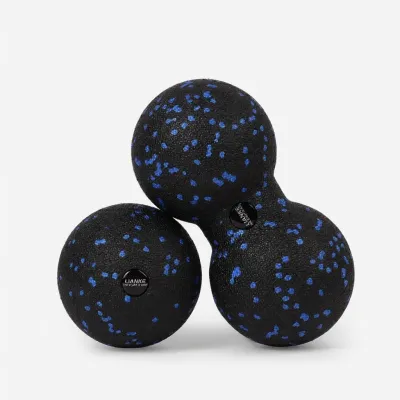
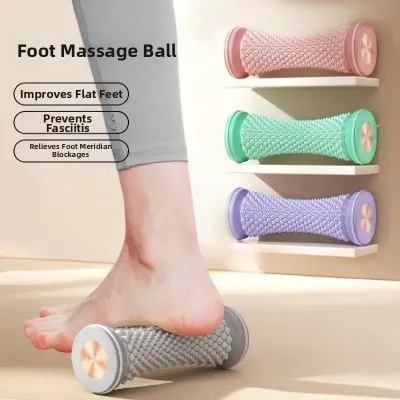
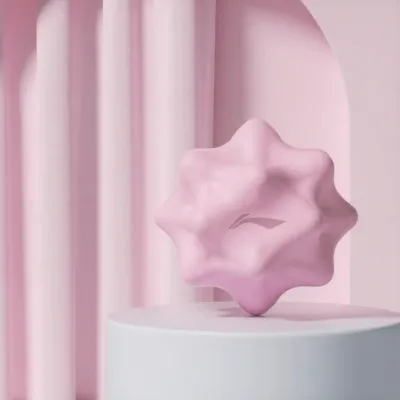

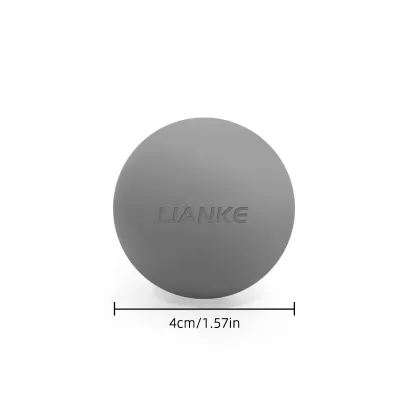
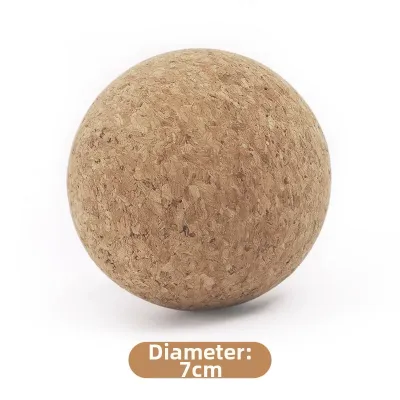
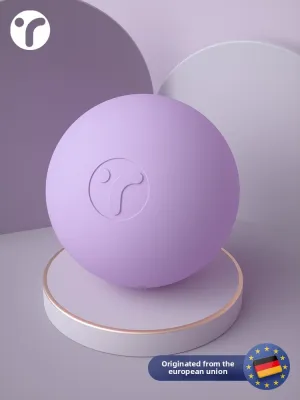
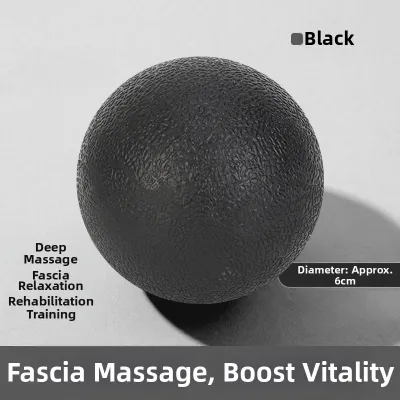
Prices are valid at publication and may change. Please refer to the product page for the latest price.
The mechanism of myofascial release involves applying localized pressure to the plantar fascia and surrounding muscles. This pressure helps stretch tight fibers, temporarily increases local blood circulation, and desensitizes overactive pain receptors. It is a management tool to support tissue mobility, not a permanent cure, and should be paired with proper footwear and strengthening exercises.
Do not use the ball if you have acute inflammation, where the foot feels hot, visibly swollen, or throbbing. Other clear contraindications include open wounds, skin infections, recent fractures, or severe nerve pain like tingling or numbness. Rolling over an actively inflamed tendon can worsen micro-tears and delay your recovery.
How to Choose the Right Ball Texture and Firmness
The material of your training ball directly dictates the intensity of the massage. Solid rubber balls, such as lacrosse balls, are highly dense and do not compress under weight, making them suitable for deep, intense pressure once your feet are accustomed to the sensation. Silicone balls offer a slight, rubbery yield and excellent grip on tiled or wooden floors, providing a moderate intensity that is highly manageable for beginners.

Spiky or textured plastic balls stimulate superficial sensory nerves, which can help distract from deeper pain signals. However, the localized pressure points of hard spikes may feel too intense on highly sensitive arches. If you are new to foot rolling, starting with a smooth or lightly textured silicone ball is generally the safest approach.
Diameter is another critical factor in targeting the right tissues. A smaller ball, around 5 to 6 centimeters in diameter, allows for precise targeting of the narrow inner arch and the space just in front of the heel. A larger ball, 7 centimeters or more, distributes your weight over a wider surface area, offering greater stability and a gentler, more generalized massage.
Before using any ball, perform a quick physical inspection of the product. Check the surface for manufacturing seams that might scratch the skin, cracks in the rubber, or loose spikes. Ensure the ball is clean by washing it with mild soap and warm water, especially if you plan to use it bare-footed, to maintain hygiene and prevent skin irritation.
Gentle Rolling Routine for Plantar Fasciitis Relief
When dealing with plantar fasciitis, safety and control are paramount. Always begin your routine in a seated position on a stable chair. This posture allows you to control exactly how much body weight is transferred to the ball, minimizing the risk of accidental over-pressurization. Avoid standing up to roll until you can perform the seated routine completely pain-free.
Place the ball directly under the sole of your foot, starting just in front of the heel bone. Slowly roll the ball forward along the inner edge of the arch, moving at a pace of about one centimeter per second. Continue this slow path until you reach the ball of the foot, just before the toe joints.
Once you reach the front of the foot, lift your foot, return the ball to the starting position near the heel, and repeat the forward stroke. Avoid rolling back and forth rapidly, as this can cause friction and irritate the fascia. Focus on keeping your breathing steady and your foot muscles as relaxed as possible during each pass.
Limit your initial sessions to 1 to 2 minutes per foot. The pressure should feel like a mild discomfort—roughly a 3 or 4 on a pain scale of 10. If you experience any sharp, stabbing, or shooting pain, stop immediately. Pushing through intense pain will only trigger muscle guarding and worsen tissue inflammation.
Deep Tissue Routine for Foot Fatigue and Arch Mobility
For general foot fatigue and to actively build arch mobility, you can expand your routine to target multiple zones of the foot. Begin by placing the ball under the metatarsal heads, which is the ball of the foot. Keep your heel on the floor and gently pivot your foot side-to-side over the ball, spreading your toes wide to stretch the transverse arch.
Next, move the ball to the outer edge of your foot, rolling slowly from the base of the pinky toe down to the outer heel. This area often holds tension in runners and active individuals. To address the connected kinetic chain, remember that calf tightness directly pulls on the heel and plantar fascia. Pairing your foot rolling with a gentle calf stretch against a wall can significantly improve overall mobility.
To actively engage and strengthen the intrinsic foot muscles, introduce active movement variations. Place the ball under your arch, apply light pressure, and slowly curl your toes over the ball as if trying to grab it. Hold this contraction for three seconds, then fan your toes out as wide as possible. You can also perform slow ankle circles while resting your foot lightly on the ball to promote joint mobility.
Conclude your recovery session with a gentle, static stretch. Sit down, cross one leg over the other, and gently pull your toes back toward your shin with your hand to stretch the plantar fascia for 15 to 30 seconds. If your feet feel warm or slightly irritated after rolling, applying a cold compress or rolling your foot over a frozen water bottle for a few minutes can help soothe the tissues.
Common Rolling Mistakes and When to Stop Immediately
One of the most common mistakes is rolling too quickly. Rapid, aggressive rolling does not allow the myofascial tissue to release; instead, it triggers a protective contraction in the muscles. Another frequent error is standing up and applying your full body weight immediately, which can easily bruise the sensitive structures of the sole.
Never roll directly over the heel bone, known as the calcaneus. The plantar fascia attaches to this bone, and rolling directly on this insertion point can cause severe bone bruising or aggravate existing heel spurs. Keep the ball focused on the soft tissue of the arch and the midfoot.
You must halt the session immediately if you experience sharp, shooting pain, numbness, tingling, or if you notice increased swelling or redness after rolling. These symptoms suggest nerve irritation or acute tissue damage. Allow at least 24 to 48 hours of rest between sessions to let the tissues adapt. If your foot pain persists for more than a few weeks, or if it interferes with your daily walking, consult a qualified physiotherapist or podiatrist for a personalized assessment.
Frequently Asked Questions (FAQ)
How often should I use a foot arch training ball?
For active recovery or mild fatigue, using the ball once a day for 2 to 3 minutes per foot is generally sufficient. If you are managing chronic plantar fasciitis, a short session once in the morning to ease waking stiffness and once in the evening can be highly beneficial. Always monitor your foot’s sensitivity; if your arches feel tender or bruised the next day, take a rest day and reduce the pressure during your next session.
Can I use a tennis ball instead of a dedicated foot arch training ball?
A tennis ball is an acceptable starting alternative for individuals with highly sensitive feet or severe pain, as its hollow core and felt cover offer a soft, forgiving surface. However, because a tennis ball compresses easily under weight, it often lacks the firmness required to penetrate deeper myofascial layers or effectively mobilize the arch. A dedicated foot arch training ball made of solid rubber or dense silicone provides the structural integrity needed for targeted, consistent pressure.
Should I roll my foot before or after a run?
You can use the ball both before and after a run, but the technique must match the timing. Before a run, perform a brief, very gentle mobilization session of under 1 minute per foot with light pressure to stimulate blood flow and wake up the foot’s sensory receptors. Save the deeper, slower tissue release for after your run or later in the evening, when your muscles are warm and ready to benefit from myofascial release to aid recovery.

Community discussion
Share your experience or ask a question. Comments are reviewed before publication.