
Using a lumbar back stretcher correctly as a beginner requires a slow, methodical approach centered on spinal alignment, muscle relaxation, and gradual adaptation. To use the device safely, you must place it on a firm, flat floor, lower your body onto the arch slowly with your knees bent, breathe deeply to release muscle tension, and roll off to the side to exit. Rushing the process, using an incorrect posture, or ignoring your body’s warning signs can strain your lower back muscles and compress your vertebrae. By understanding the mechanics of your specific device and following a structured routine, you can safely introduce this tool into your wellness practice.
Before placing your weight on any stretching equipment, it is essential to verify the physical limits of your device and understand how its design affects your body. Taking a few minutes to prepare your environment and warm up your muscles will prevent sudden strains, while mastering the step-by-step process of entering and exiting the stretch ensures your spine remains protected throughout the session.
Understand Your Device Type and Safety Limits
Lumbar back stretchers generally fall into two primary categories: rigid arched stretchers and inflatable traction devices. Rigid arched stretchers are typically made of heavy-duty molded plastic and feature a fixed or adjustable curved profile. Some of these models include raised plastic acupressure nodes or a central foam strip designed to cushion the spine. In contrast, inflatable traction devices use a manual air pump to expand a bladder, lifting and supporting the lower back dynamically. Understanding which type you own is crucial because their load paths and adjustment mechanisms differ significantly.
Products mentioned in this guide
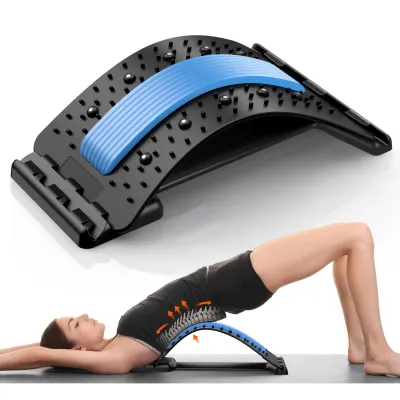
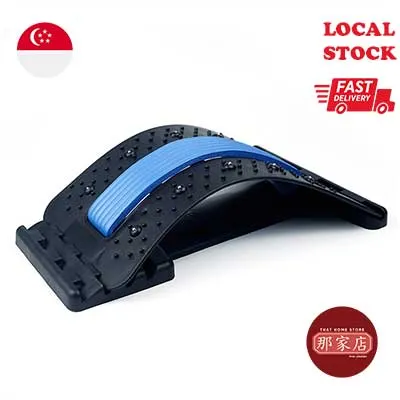
![[SG In Stock]Magnetic Therapy Acupuncture Massage Lumbar Stretcher Back Magnetic Therapy Points Spinal Pain Orthosis 顶腰板](https://img.lazcdn.com/g/p/e57ded254095fef5bf486919a59c4080.jpg_400x400q80.jpg_.webp)
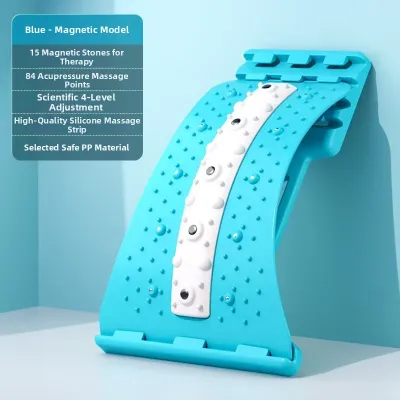
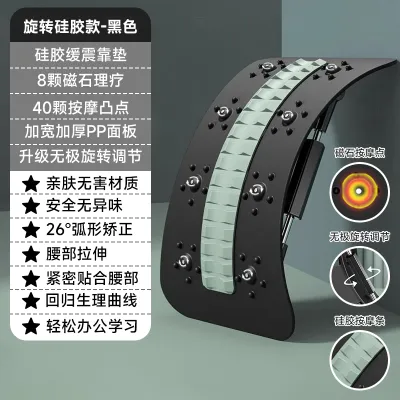
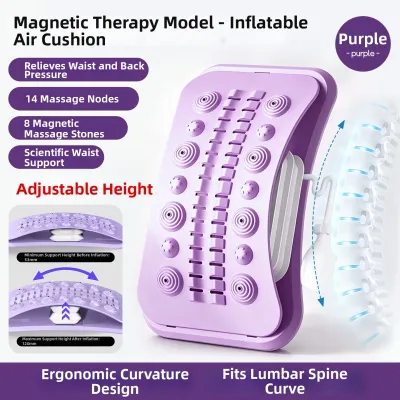
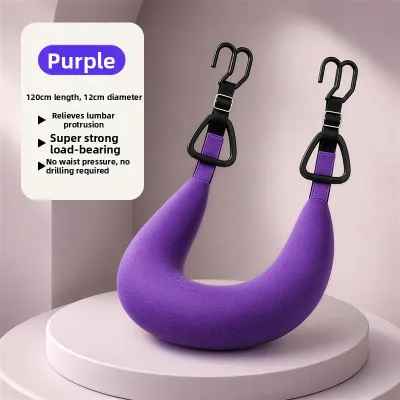
Prices are valid at publication and may change. Please refer to the product page for the latest price.
Before your first session, locate the manufacturer’s product label or instruction manual to check the maximum weight capacity and recommended usage limits. Rigid plastic arches rely on your body weight to drape your spine over a static curve, making structural integrity vital for safety. Inflatable models require careful monitoring to ensure you do not over-inflate the chamber beyond the manufacturer’s specified pressure limits. Always verify these specifications to prevent equipment failure or sudden collapse during use.
It is equally important to recognize the intended purpose of a lumbar back stretcher. These devices are designed for gentle, passive stretching, muscle relaxation, and temporary tension relief. They are wellness tools rather than medical instruments. A back stretcher cannot cure structural spinal conditions, realign herniated discs, or replace professional medical treatment. If you are experiencing severe, acute, or chronic back pain, the device should not be used as a substitute for a comprehensive evaluation by a qualified healthcare provider.
Prepare Your Space and Warm Up
To use a lumbar back stretcher safely, you must set up your equipment on a firm, flat surface. A high-quality yoga mat placed directly on a hardwood or tiled floor provides the ideal combination of stability and traction. Avoid using the device on soft surfaces such as mattresses, sofas, or thick, plush rugs. Soft surfaces allow the base of the stretcher to sink unevenly under your body weight, which alters the engineered angle of the arch and can force your spine into an unsupported, unstable hyperextension.

Never position your body on a back stretcher when your muscles are cold. Cold ligaments and muscles are less pliable, making them highly susceptible to micro-tears and spasms when subjected to a passive stretch. Spend three to five minutes engaging in a gentle warm-up to increase blood flow to your spinal discs and surrounding tissues. A brief walk around your living space followed by a few slow, controlled cat-cow stretches on your hands and knees is an excellent way to prepare your back for the upcoming extension.
Once your muscles are warm, position the stretcher on your mat. The orientation of the device is critical for proper spinal alignment. Most stretchers are designed with a wider base that should sit near your sacrum (the lower part of your hips) and a narrower top that supports the mid-back. Ensure the highest point of the arch, or the primary inflation valve on an inflatable model, aligns precisely with the natural inward curve of your lumbar spine, which sits just above your pelvis.
Step-by-Step Guide for Your First Stretch
Getting onto the lumbar back stretcher requires deliberate, controlled movement to avoid shocking your spinal muscles. Begin by sitting on the floor with your knees bent and your feet flat on the mat, placing the stretcher directly behind you. Do not sit on top of the device; your glutes should remain on the floor, with the bottom edge of the stretcher resting snugly against your lower back.
Place your hands on the floor behind you for support. Slowly bend your elbows and lower your torso backward onto the arch, engaging your core muscles to control your descent. Let your spine drape over the curve segment by segment. If you feel any immediate pinching or sharp discomfort as you lower your weight, use your arms to push yourself back up immediately and adjust the position of the device.
Once your back is resting fully on the stretcher, keep your knees bent at a 90-degree angle with your feet flat on the floor. This leg position is vital for beginners because it relaxes the psoas and hip flexor muscles. Extending your legs straight along the floor pulls on the pelvis, which increases the arch in your lower back and can cause painful pinching in the lumbar joints. Keeping your feet flat on the floor neutralizes this pull, making the stretch much gentler and easier to control.
Rest your arms comfortably at your sides or fold them gently across your chest. Avoid reaching your arms overhead during your first few sessions, as this action significantly intensifies the stretch and increases the load on your shoulders and upper spine. Focus entirely on deep, diaphragmatic breathing. Inhale slowly through your nose, allowing your abdomen to expand fully, and exhale gently through your mouth. This deep breathing pattern signals your nervous system to relax, helping tight back muscles release their protective guarding over the arch.
When your session is complete, do not attempt to sit straight up. Sitting directly upward forces your abdominal and hip flexor muscles to contract sharply, which instantly compresses the lumbar vertebrae you just spent minutes decompressing. Instead, gently roll your entire body to one side off the stretcher, landing softly on your shoulder and hip. Rest on your side in a comfortable fetal position for a few seconds to let your spine adjust, then use your hands and arms to push yourself up to a seated position.
Adjust the Intensity and Avoid Common Mistakes
If your rigid back stretcher features an adjustable slot system, always start on the absolute lowest arch setting. This initial level provides a minimal, supportive curve that allows your ligaments and muscles to adapt to passive extension without strain. Do not progress to a higher level until you can complete a full session on the lowest setting with complete comfort and zero residual stiffness the following day. For many users, the lowest setting remains the safest and most effective level for long-term use.
For beginners with highly sensitive backs, the plastic surface of a rigid stretcher can feel uncomfortably hard. You can easily modify the intensity by draping a folded hand towel or a thin yoga blanket over the arch. This simple adjustment cushions the acupressure nodes and softens the curve, providing a more gradual introduction to the device. As your flexibility improves, you can remove the towel to experience the direct support of the molded plastic.
Avoid the common mistake of pushing through discomfort or holding your breath to endure the stretch. A proper lumbar stretch should feel like a mild, therapeutic opening, never a sharp, burning, or pinching sensation. If you find yourself tensing your shoulders, clenching your jaw, or shallow breathing, your body is resisting the stretch. This resistance defeats the purpose of the device and can lead to muscle spasms. Always prioritize relaxation over a deeper arch.
Keep your initial sessions exceptionally brief. Limit your first few attempts to just two or three minutes. Even if the manufacturer’s manual suggests longer durations, your spinal tissues need time to adapt to this new position. You can gradually increase the duration to five or ten minutes over several weeks as your flexibility improves, but never exceed the maximum time recommended by the manufacturer.
Recognize Warning Signs and When to Stop
While a mild, dull stretching sensation in the lower back muscles is normal, you must remain vigilant for specific red flags that indicate potential injury. Stop using the device immediately and roll off to the side if you experience any numbness, tingling, or a “pins and needles” sensation radiating down your buttocks, thighs, calves, or feet. These symptoms are classic signs of nerve irritation or compression and require immediate attention.
Similarly, discontinue use if your existing back pain worsens during or after a session, or if you feel a sharp, localized pain directly in your spine. A back stretcher should never cause acute pain. If you experience persistent soreness that lasts more than 24 hours after a session, it is a clear sign that the stretch was too intense or lasted too long, and you should reduce the duration or intensity of your next attempt.
Certain pre-existing conditions make the use of a lumbar back stretcher highly risky. If you have a history of herniated or bulging discs, osteoporosis, spinal stenosis, spondylolisthesis, spinal fractures, or recent back surgeries, do not use this device without explicit clearance from your doctor or physical therapist. Passive spinal extension can exacerbate these conditions, and professional guidance is essential to ensure you do not cause structural damage to your spine.
Frequently Asked Questions (FAQ)
How often should a beginner use a lumbar back stretcher?
Beginners should start by using the lumbar back stretcher once a day or every other day for just two to three minutes per session. This conservative frequency allows you to monitor how your back muscles and spinal joints respond over the next 24 hours. If you experience no soreness or stiffness the following day, you can gradually increase the frequency to once or twice daily, always adhering to the limits outlined in your product’s instruction manual.
Can I use a lumbar back stretcher on a bed?
No, you should not use a lumbar back stretcher on a bed. Soft mattresses and cushions deform under your body weight, causing the stretcher to sink unevenly. This instability prevents the device from maintaining its engineered arch, which can lead to improper spinal alignment, muscle strain, or accidental slipping. For optimal support and safety, always place the device on a firm, flat floor covered with a thin yoga mat.
Community discussion
Share your experience or ask a question. Comments are reviewed before publication.