
Using a spine stretcher safely as a Pilates beginner requires proper alignment, controlled breathing, and a clear understanding of your body’s physical limits. In Singapore’s fast-paced urban environment, many individuals spend long hours sitting at office desks or looking down at screens, leading to tight back muscles, rounded shoulders, and a stiff spine. The spine stretcher—often referred to as a back arch or posture corrector—has become a popular addition to home Pilates setups as a convenient way to relieve this daily tension.
While this tool is highly effective for passive spinal extension, it is not a magic solution that you can simply lie down on without preparation. Improper entry, incorrect body alignment, or over-stretching can lead to muscle guarding, joint strain, or spinal compression. To get the most out of this equipment without risking injury, beginners must learn the correct techniques for setup, positioning, and safe exit, while keeping their personal mobility boundaries in mind.
What a Spine Stretcher Does for Your Pilates Practice
A spine stretcher is an ergonomically designed tool, typically constructed from high-density EVA foam or durable plastic, featuring a contoured arch that mimics the natural curvature of the human spine. Many models include a central groove designed to accommodate the spinous processes—the bony bumps along your backbone—ensuring that your body weight is supported by the muscles and tissues on either side of the spine rather than the bones themselves. Some variations also feature textured surfaces or small acupressure points to stimulate blood flow and release localized muscle tension.
Products mentioned in this guide
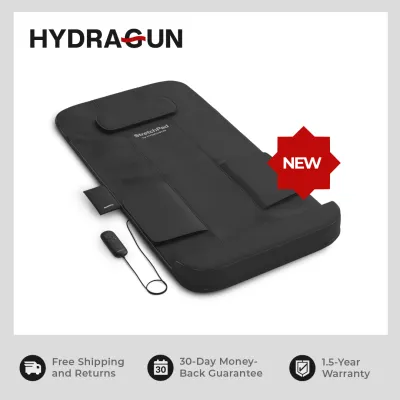
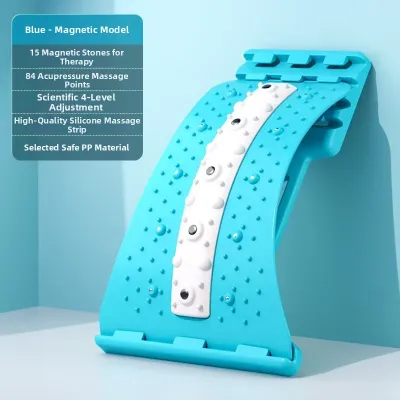
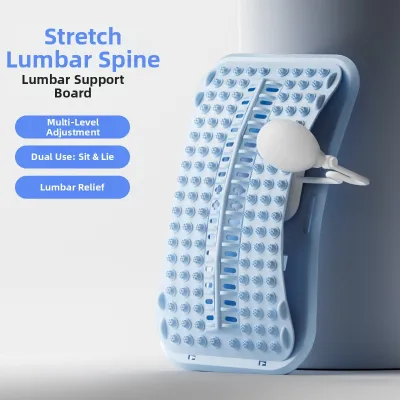
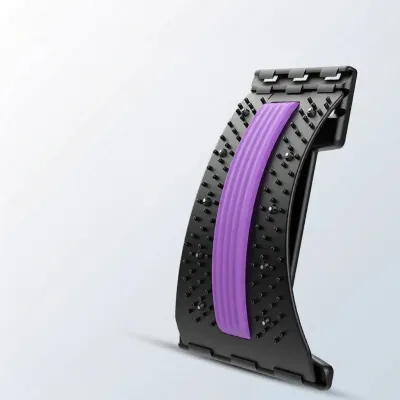
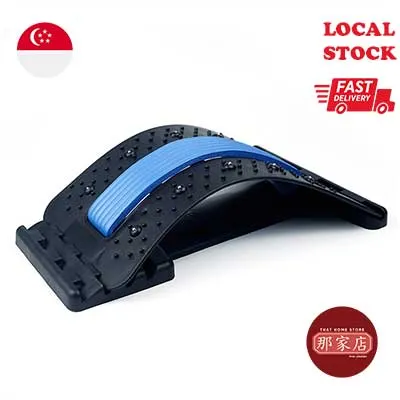
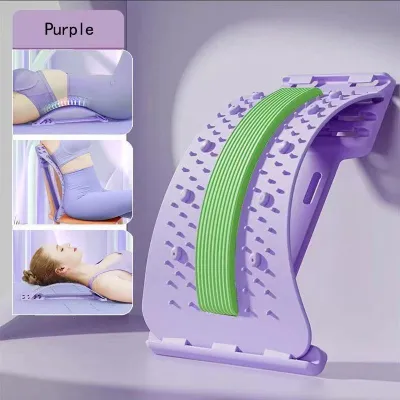
Prices are valid at publication and may change. Please refer to the product page for the latest price.
In a Pilates routine, the primary function of a spine stretcher is to facilitate passive thoracic spine mobility and chest expansion. While active Pilates mat exercises like the Swan or Spine Stretch Forward require active muscular engagement to control movement, the spine stretcher allows your muscles to relax over a supportive frame. This passive extension helps counteract the forward-slumping posture of daily life, opening up the chest, stretching the anterior chest muscles, and promoting better postural awareness.
It is crucial to understand that a spine stretcher is a recovery and stretching aid, not a medical device. It is designed to support active Pilates work by improving your range of motion, but it cannot cure structural spinal conditions, reverse herniated discs, or replace professional physical therapy. Using it should complement your active movement practice, helping you develop the spinal articulation and core control needed for more advanced Pilates exercises.
Safety First: Who Should Avoid the Spine Stretcher
Passive spinal extension places unique mechanical stress on the vertebrae and surrounding ligaments, meaning the spine stretcher is not suitable for everyone. Before incorporating this tool into your routine, you must assess your current physical health, flexibility, and any pre-existing medical conditions. Leading with caution is essential when dealing with spinal health, as incorrect use can exacerbate underlying issues.

Specific medical conditions serve as absolute contraindications for passive spinal arching. If you have been diagnosed with severe herniated or bulging discs, osteoporosis, spinal stenosis, spondylolisthesis, or have undergone recent spinal surgery, you must avoid using a spine stretcher. For individuals with osteoporosis, deep spinal extension can place excessive pressure on the posterior elements of the vertebrae, increasing the risk of compression fractures. Similarly, pregnant individuals should consult their obstetrician before use, as the hormone relaxin increases ligament laxity, making passive over-stretching highly risky for joint stability.
If you experience chronic back pain, intermittent numbness, or shooting pain down your legs, do not attempt to self-treat with a spine stretcher. Always consult a healthcare professional, such as an orthopedic specialist or a physiotherapist, or work with a certified Pilates instructor who can assess your spinal mechanics. They can help determine if passive extension is safe for your specific body type and guide you on the appropriate level of arch support.
Beyond personal physical limits, the safety of your stretching environment is paramount. Always place the spine stretcher on a firm, flat, and non-slip surface, such as a dedicated Pilates or yoga mat. Never place the device on a soft mattress, a couch, or a slippery tiled floor. An unstable surface can cause the stretcher to slide, tilt, or collapse under your body weight, leading to sudden, jarring movements that can strain your back muscles or cause you to lose your balance.
Step-by-Step Guide to Proper Positioning and Use
Setting Up Your Space and Equipment
Begin by preparing a safe, quiet space on the floor. Clear away any nearby furniture or obstacles to ensure you have at least one meter of open space on all sides of your mat, allowing you to move freely and exit the stretcher without restriction.
Before every session, perform a quick equipment inspection. Check your spine stretcher for any signs of wear or structural damage. If you are using a high-density EVA foam model, look for deep cracks, tears, or permanent compression dents that might compromise its structural integrity. If you are using an adjustable plastic model, verify that the arch is securely locked into the base slots and will not slip or pop out when you apply your body weight. If you notice any structural defects, do not use the equipment and contact the manufacturer.
Once inspected, place the spine stretcher firmly in the center of your non-slip mat. Press down on the arch to ensure the base sits flat against the floor and does not rock or slide when lateral pressure is applied.
Getting Into the Correct Position
Safe entry is critical to prevent sudden muscle spasms or joint strain. Never drop or fall backward onto the arch from a high kneeling or standing position. Instead, use a controlled, step-by-step entry method to align your body with the device’s contours.
First, sit on your mat with your knees bent and your feet flat on the floor, positioned about hip-width apart. Place the spine stretcher directly behind you, ensuring the lower, gentler slope of the arch is facing your lower back. Your glutes should be on the mat, resting just in front of the leading edge of the stretcher, not on top of it.
Next, place your hands on the floor beside your hips to support your weight. Slowly lower your torso backward, segment by segment, walking your hands back as you descend. Let your back make contact with the arch gradually, allowing your muscles to adjust to the shape of the stretcher.
As you settle onto the device, verify your alignment. The bottom edge of the arch should rest just above your pelvis, supporting the natural curve of your lumbar spine. Your spine should lie directly in the central groove of the stretcher to avoid direct pressure on your vertebrae. Keep your knees bent and your feet flat on the floor; this position relaxes your hip flexors and reduces the pulling force on your lower back, making the passive stretch much safer and more comfortable for beginners.
Executing the Stretch Safely
Once your body is correctly aligned on the arch, focus on physical relaxation and deep breathing to facilitate a safe stretch. Let your shoulders drop naturally away from your ears, allowing your chest to open.
Rest your arms in a comfortable position that suits your current flexibility. For beginners, placing your arms out to the sides in a “T” shape or resting them gently on your stomach is highly recommended. Avoid stretching your arms straight overhead immediately; while this increases the stretch along the anterior torso, it can strain tight shoulder joints and force your lower back to arch excessively off the device. Only progress to an overhead arm position once your body has fully adapted to the basic stretch.
Incorporate deep, diaphragmatic breathing to enhance the stretch. Inhale slowly through your nose, focusing on expanding your ribcage laterally and filling your lungs. Exhale gently through your mouth, letting your body sink deeper over the arch as your muscles release tension. This breathing pattern calms the nervous system and prevents your muscles from guarding against the stretch.
Manage your stretching duration based on your comfort level rather than a rigid timer. For your first few sessions, limit the stretch to 1 to 2 minutes, or about 5 to 10 slow breath cycles. As your tissue tolerance improves over several weeks, you can gradually increase the duration, but never stay on the device if you feel discomfort or stiffness.
To exit the position safely, do not attempt to sit straight up. Sitting straight up forces your abdominal and back muscles to contract while your spine is in deep extension, which can lead to acute muscle strain. Instead, gently roll your entire body to one side off the arch, landing softly on your shoulder and hip on the mat. Rest in this side-lying position for a few moments, then use your hands and arms to push yourself up to a comfortable seated position.
Common Mistakes and Warning Signs to Stop Immediately
Even with detailed instructions, beginners frequently make errors that can compromise their safety and lead to injury. Recognizing these common mistakes and understanding when to stop is vital for protecting your spinal health.
One of the most common mistakes is forcing the stretch through physical pain. Many beginners operate under the misconception that a stretch must hurt to be effective. However, passive spinal extension should feel like a mild, broad opening across your chest and mid-back, never a sharp, pinching, or localized pain. If you feel any sharp discomfort, your joints are likely compressing, and you must exit the stretch immediately.
Another frequent error is incorrect placement of the device. Placing the stretcher too high up can strain your neck and force your chin toward the ceiling, while placing it too low can over-arch your lumbar spine, causing lower back strain. Always ensure the primary support of the arch is centered under your thoracic spine (your mid-back, where your ribs attach) rather than your lower back or neck.
Holding your breath or taking shallow chest breaths is another sign of improper use. When you restrict your breathing, your body interprets the stretch as a stressor, causing your muscles to contract and resist the extension. If you cannot breathe deeply and comfortably, the arch may be too high, or your body may not be ready for that level of extension.
You must establish non-negotiable stop conditions for your sessions. Stop using the spine stretcher immediately if you experience any of the following warning signs:
- Sharp, shooting, or electrical pain in your back, neck, or joints.
- Numbness, tingling, or a "pins and needles" sensation in your fingers, arms, legs, or toes.
- Dizziness, lightheadedness, or nausea, which can occur if the neck is hyperextended and blood flow is temporarily restricted.
- A feeling of instability, clicking, or popping in your spine.
If you encounter any of these red flags, carefully roll off the device, rest, and consult a qualified healthcare professional before attempting to use the spine stretcher again.
Post-Stretch Recovery and Equipment Care
After completing your passive stretch and exiting the device, your spinal joints and surrounding muscles will be in a highly receptive, relaxed state. To integrate the benefits of the stretch and maintain your equipment, follow these post-stretch and care guidelines.
Gentle movement integration: Do not immediately transition to heavy lifting, intense workouts, or prolonged sitting at a desk. Instead, spend two to three minutes performing gentle, active movements to restore normal spinal mechanics and muscle engagement. A slow cat-cow stretch on all fours is an excellent way to transition your spine back to its neutral alignment. Alternatively, you can perform gentle seated torso twists or small pelvic tilts to re-engage your core muscles and stabilize your lower back.
Cleaning and hygiene: To keep your spine stretcher hygienic and prolong its lifespan, clean it regularly. Sweat, body oils, and dust can accumulate on the surface, especially in humid climates like Singapore’s. Wipe down the surface after every use with a soft, damp cloth and a small amount of mild, diluted soap. Avoid soaking the device in water or using harsh chemical cleaners, bleach, or alcohol-based sanitizers, as these can dry out and degrade high-density EVA foam or weaken plastic components.
Proper storage: Store your equipment in a cool, dry place away from direct sunlight. Do not leave your spine stretcher in hot environments, such as a parked car or next to a sunny window, as extreme heat can warp plastic frames and cause foam materials to lose their density, shape, and supportive qualities over time.
Frequently Asked Questions (FAQ)
Can I use a spine stretcher every day?
Beginners should avoid using a spine stretcher daily. When starting out, your spinal ligaments, joints, and muscles need time to adapt to passive extension. Begin by using the device two to three times a week for short sessions of 1 to 2 minutes. Always listen to your body’s feedback; if your back feels tender, stiff, or unusually sensitive the day after a session, take a rest day and allow your tissues to recover before stretching again. As your flexibility and comfort increase, you can gradually adjust the frequency, but rest days remain important for tissue recovery.
Will a spine stretcher fix my poor posture permanently?
A spine stretcher is an excellent tool for temporary relief and passive joint mobilization, but it cannot permanently fix poor posture on its own. Long-term postural correction requires a combination of passive stretching to open tight anterior muscles (like the chest and shoulders) and active strengthening of the deep core, upper back, and gluteal muscles through consistent Pilates exercises. Additionally, you must address your daily ergonomic habits, such as adjusting your desk setup, maintaining a neutral spine while sitting, and taking regular movement breaks throughout the day.
Community discussion
Share your experience or ask a question. Comments are reviewed before publication.