
A wobble cushion—also known as a balance disc—helps runners recover by gently engaging the stabilizing muscles of the feet, ankles, and lower legs on an unstable surface. Using it after a run promotes active recovery, restores joint range of motion, and sharpens proprioception (your body’s awareness of its position in space) to help prevent future missteps on the road or trail.
Why Runners Use a Wobble Cushion for Recovery and Stability
Running is a highly repetitive, forward-moving activity that primarily works your muscles in a single plane of motion. This linear focus can leave the smaller, lateral stabilizing muscles of your feet, ankles, and hips underworked and tight. A wobble cushion introduces a controlled, multi-directional instability that forces these deep stabilizers to engage, helping to build a more resilient lower body.
Proprioception is your body’s internal positioning system, allowing your brain to sense where your joints are in space without you looking at them. When you run on uneven roads, cracked pavements, or natural trails in Singapore, your proprioceptive system must react instantly to keep you upright. Training on an unstable surface like a balance disc sharpens these neural pathways, improving your reaction times and joint awareness.
Products mentioned in this guide
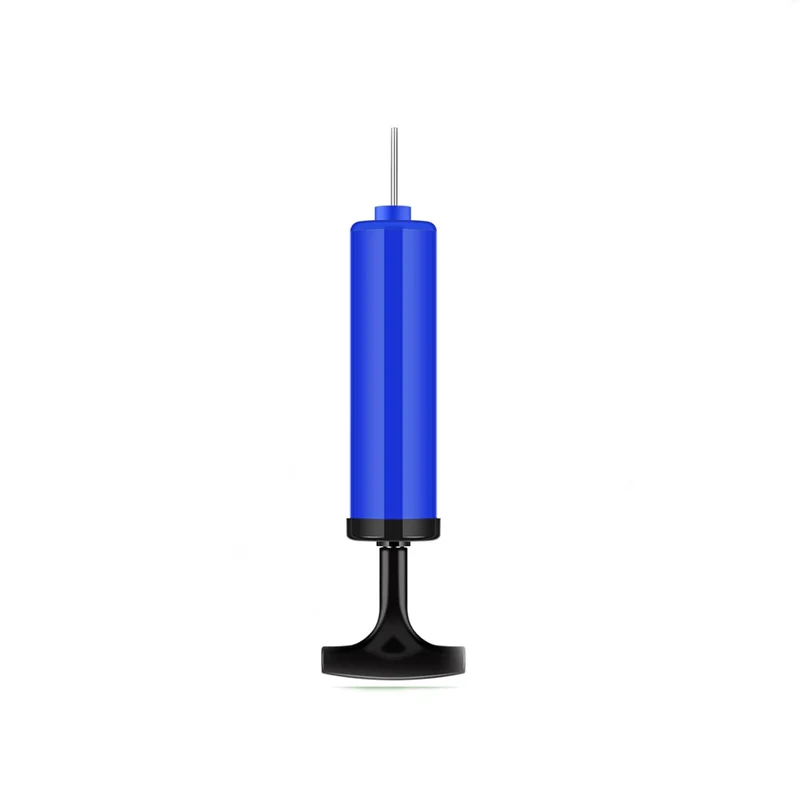
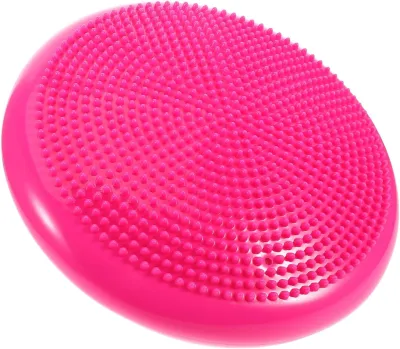
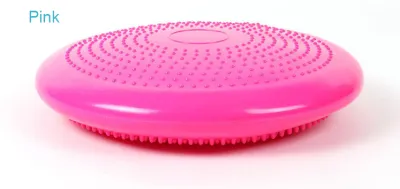
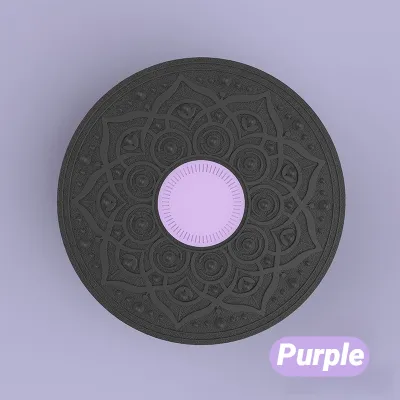
Prices are valid at publication and may change. Please refer to the product page for the latest price.
After a demanding cardio session, your lower-leg muscles—particularly the calves, shins, and plantar fascia—often tighten up, restricting natural joint mobility. Standing or sitting on a wobble cushion encourages gentle, low-impact mobilization. This subtle, continuous movement helps to release tension and promote circulation in the lower extremities without the added stress of heavy weight-bearing exercises.
While a balance disc is an excellent tool for active recovery, it is important to set realistic expectations. It serves as a valuable supplement to, rather than a replacement for, fundamental recovery practices. To achieve the best results, combine your stability training with adequate hydration, quality sleep, balanced nutrition, and structured rest days.
How to Set Up Your Wobble Cushion for Safe Training
Before stepping onto your cushion, check its inflation level according to the manufacturer’s guidelines. A highly inflated, dome-like cushion is more unstable and challenging, while a slightly under-inflated, flatter cushion offers a more stable starting point for beginners. You can adjust the air level using a standard ball pump to match your comfort level and weight.

Place the cushion on a flat, non-slip surface, such as a high-grip yoga mat or a firm carpeted floor. Avoid placing it on loose rugs, polished tiles, or wet surfaces that could slide during use. Ensure the surrounding area is completely clear of sharp objects, low tables, or furniture edges that could cause injury if you lose your balance.
Position yourself near a sturdy support structure, such as a wall, a heavy countertop, or the back of a stable chair. Having a reliable handhold nearby is essential, especially when your muscles are fatigued after a long run. You can gradually reduce your reliance on the support as your balance and confidence improve over time.
Decide whether to use the cushion barefoot or with supportive athletic shoes. Going barefoot maximizes sensory feedback from the soles of your feet, allowing your toes to splay and grip the surface naturally. However, wearing supportive athletic shoes can provide extra structure, grip, and comfort if your feet feel overly sensitive or if you require additional arch support.
Gentle Post-Run Recovery Movements on the Cushion
To begin your post-run cool-down, try gentle ankle mobilization exercises while seated on a sturdy chair with the cushion placed under your feet. Place one foot firmly in the center of the disc and slowly tilt your ankle forward, backward, and side-to-side. This controlled movement helps restore range of motion in a safe, non-weight-bearing position.
You can progress to gentle ankle circles, tracing a slow, deliberate path with your foot to engage the surrounding tendons and muscles. This low-intensity movement helps flush out metabolic waste from the lower legs and reduces post-run stiffness. Perform ten slow circles in each direction before switching to the other foot.
For a gentle calf stretch, place the ball of your foot on the raised edge of the cushion while keeping your heel firmly on the floor. Slowly lean your torso forward until you feel a mild stretch in your lower leg, using the unstable surface to activate your deep stabilizers simultaneously. Hold this position for 20 to 30 seconds while breathing deeply.
If you feel too exhausted for standing drills, perform seated balance shifts to engage your core and mobilize your lower back. Sit upright on the cushion placed on a chair, and slowly tilt your pelvis forward, backward, and laterally. This gentle movement helps relieve tension in the lumbar spine and hips after a long, high-impact run.
Progressive Stability Drills to Improve Running Balance
Once your joints feel warm and mobile, you can transition to standing stability drills, starting with a basic single-leg stand. Place one foot in the center of the cushion, lift your opposite leg slightly, and focus on maintaining a tall, upright posture. Keep your standing knee slightly bent to absorb the micro-movements of the cushion.
To progress safely, try adding slow arm movements, such as mimicking a running stride or reaching overhead. If you have excellent balance and a secure environment, briefly closing your eyes will significantly increase the challenge. This forces your brain to rely entirely on your joint proprioception rather than visual cues to maintain balance.
Mini-squats on the cushion help simulate the ground reaction forces experienced during a run while building strength in your glutes and quadriceps. Stand on the cushion with both feet, bend your knees slightly to lower your hips a few inches, and return to the starting position with slow, deliberate control. Focus on keeping your knees aligned over your toes.
Multi-directional reaches further challenge your center of gravity and improve hip stability. While balancing on one leg on the cushion, gently tap your opposite foot forward, to the side, and behind you in a clock-like pattern. Keep your core engaged, your hips level, and your standing leg stable throughout the movement.
Safety Rules and When to Stop Your Balance Session
Unstable surface training requires high mental focus and physical coordination, making safety your top priority. Pay close attention to the feedback from your body, and learn to distinguish between normal, dull muscle fatigue and sharp, sudden pain in your joints, ligaments, or tendons.
If you experience any sharp pain, pinching sensations, or sudden instability, stop the exercise immediately. Never use a wobble cushion on severely sprained, swollen, or acutely injured joints unless you have received explicit clearance from a physical therapist or sports physician. Exercising on an unstable surface too soon after an injury can worsen ligament damage.
Central nervous system fatigue is common after long or intense runs, which can slow your reaction times and compromise your balance. Keep your post-run stability sessions short and focused, and step off the cushion if you find yourself wobbling uncontrollably or losing form. Quality of movement is always more important than quantity.
Frequently Asked Questions (FAQ)
How Long Should a Post-Run Wobble Session Last?
For post-run recovery and stability, a session of 5 to 10 minutes is generally sufficient. Beginners should start with short intervals of 30 to 60 seconds per exercise, focusing on quality of movement rather than duration. You can gradually increase the time as your stability improves.
If you feel your form slipping or experience muscle tremors in your ankles, it is time to end the session early. Overworking tired muscles on an unstable surface increases the risk of minor strains or falls, defeating the purpose of active recovery.
Is a Wobble Cushion Safe for Flat Feet or High Arches?
Yes, a wobble cushion can be highly beneficial for various foot structures, but it requires careful attention to alignment. Individuals with flat feet or high arches should observe how their ankles and knees align while balancing, ensuring their joints do not collapse inward or bow outward excessively.
If you experience persistent discomfort, arch pain, or joint strain, consult a podiatrist or physical therapist. They can provide personalized guidance on foot positioning, recommend specific exercises, and help you determine if barefoot training or shod training is more appropriate for your unique biomechanics.
Should You Use the Cushion Before or After Running?
You can use a wobble cushion both before and after runs, depending on your training goals. Using the cushion before a run serves as an excellent warm-up to activate the nervous system, wake up foot stabilizers, and prepare your joints for the road. This pre-run activation can improve your overall running form and responsiveness.
Using the cushion after a run focuses on gentle mobilization, active recovery, and stretching. Post-run sessions help cool down the body, release tension in tight lower-leg muscles, and reinforce balance patterns when the body is slightly fatigued, helping to build long-term endurance in your stabilizing muscles.
Community discussion
Share your experience or ask a question. Comments are reviewed before publication.