
Using an Electrical Muscle Stimulation (EMS) belt at home is a practical way to support your fitness journey, especially when living in compact spaces like HDB apartments. When floor space is limited and bulky exercise machines are out of the question, a portable EMS belt offers an efficient, easily storable alternative for muscle conditioning. However, achieving safe and effective results requires more than just strapping the device on and turning it up to the maximum setting. To get the most out of your sessions, you must understand the correct preparation, precise pad placement, safe intensity adjustments, and proper maintenance of your equipment.
Safety and Expectations Before You Start
Before unboxing your device, establish realistic expectations and understand the safety boundaries of electrical muscle stimulation. An EMS belt sends mild electrical impulses through the skin to stimulate motor nerves, causing muscles to contract. It is a supplementary tool for muscle toning and active recovery, not a standalone solution for weight loss or medical rehabilitation. It will not burn away localized fat or replace cardiovascular exercise.
Certain health conditions strictly preclude EMS use. If you have a pacemaker, implanted defibrillator, or other electronic or metallic implants, using an EMS belt can cause dangerous interference. Pregnant individuals, those with diagnosed heart conditions, epilepsy, or active cognitive impairments should avoid these devices unless cleared by a medical professional. Always read the manufacturer’s manual before your first session to verify age restrictions and operational limits.
Products mentioned in this guide
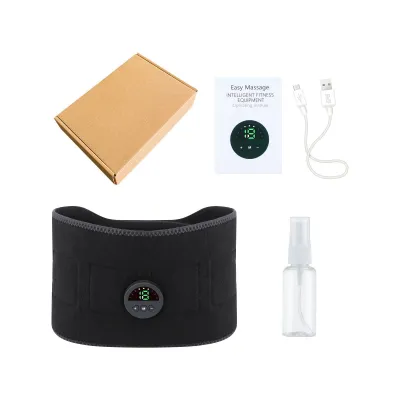
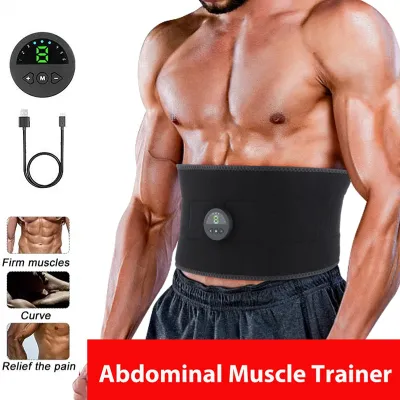
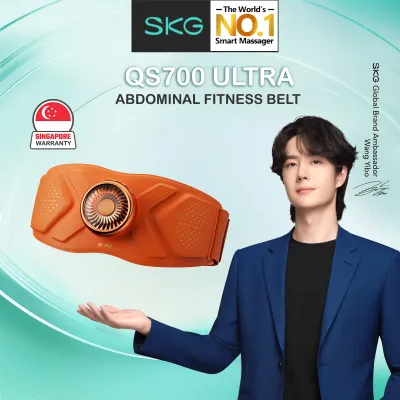
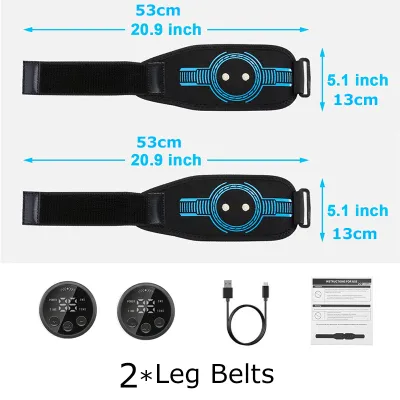
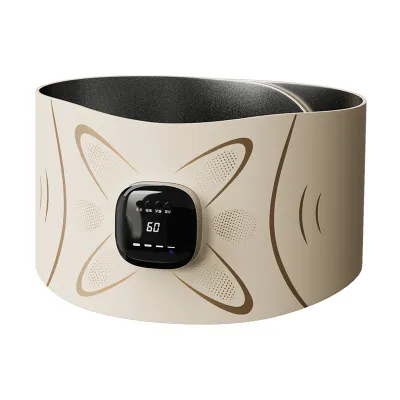
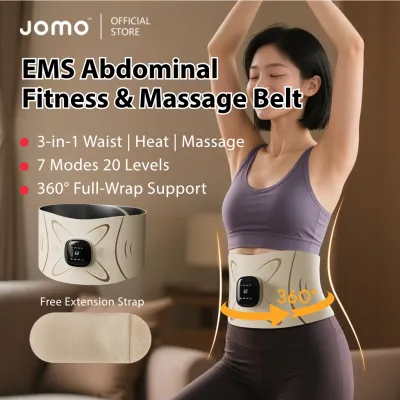
Prices are valid at publication and may change. Please refer to the product page for the latest price.
Preparing Your Skin and Equipment
Proper preparation of your skin and the EMS device is essential for maintaining conductivity, protecting your skin, and extending gel pad life. Start by cleaning the target skin area with mild soap and water, then dry it completely. Residual body oils, moisturizers, sweat, or lotions act as insulating barriers, disrupting the electrical current and causing uncomfortable stinging.

Next, inspect your equipment. Examine the EMS belt, adhesive gel pads, and cables for wear, fraying, or exposed wires. Damaged cables or dried-out pads lead to uneven current distribution, increasing skin burn risks. If your belt requires a separate conductive gel, apply a thin, even layer across the electrode surfaces according to the manufacturer’s instructions. Never substitute unauthorized household gels or water, as they do not provide the correct impedance.
Step-by-Step Guide to Using Your EMS Belt
Operating your EMS belt effectively involves a systematic approach to ensure safety and maximize muscle engagement. The process is divided into three distinct phases: positioning the belt correctly, adjusting the electrical intensity, and executing your active or passive session.
Correct Pad Placement
To achieve effective muscle stimulation, align the integrated gel pads directly over the motor points of the target muscle belly. The muscle belly is the thickest, central portion of the muscle group, such as the rectus abdominis for abdominal belts. Consult the placement diagrams in your user manual to locate these precise zones, as incorrect placement results in weak contractions or unnecessary discomfort.
Avoid positioning the pads near your heart, chest cavity, neck, throat, or head, as electrical currents in these regions can interfere with vital bodily functions, including heart rhythm. Additionally, never apply pads over broken, irritated, or diseased skin. Once aligned, fasten the belt so it fits snugly against your body. It should maintain continuous skin contact during contractions without restricting your normal breathing, circulation, or posture.
Adjusting Intensity Settings
When you turn on the EMS device, always start at the lowest intensity setting. Gradually increase the level step-by-step, allowing your body to adapt to the electrical pulses. You should feel a mild tingling sensation that transitions into a distinct, rhythmic, and comfortable muscle contraction. The goal is to achieve a deep, productive contraction where the muscle visibly tightens and relaxes without causing pain.
It is vital to distinguish between a healthy muscle contraction and a painful nerve sensation. If you experience a sharp, biting, or burning feeling, or if your muscles lock up in a painful spasm, the intensity is too high or the pads lack proper contact. Stop the session immediately or lower the intensity level. Pushing through pain increases the risk of muscle strain, tissue damage, or skin irritation. If you feel dizzy or unwell, turn off the device immediately.
Running the Workout Routine
Once you set a comfortable intensity, let the device run through its pre-programmed cycle. Most consumer EMS belts feature built-in programs that automatically vary the pulse frequency and duration to prevent muscle accommodation. Follow the manufacturer’s recommended session times, which typically range from 15 to 30 minutes. Avoid running back-to-back sessions on the same muscle group to prevent overtraining and severe muscle soreness.
During the active phase, focus on maintaining excellent posture. If using the belt while seated or standing quietly, keep your spine neutral and naturally engage your core muscles in sync with the electrical pulses. If your device manual explicitly permits active movement, you can combine the stimulation with light, low-impact bodyweight exercises. Do not attempt high-intensity movements or heavy lifting while wearing the belt, as involuntary contractions can compromise your balance and form.
Post-Workout Care and Small-Space Storage
After your session, turn off the control unit before removing the belt. Gently peel the belt away from your skin, taking care not to tear the delicate gel pads. To preserve the adhesiveness and hygiene of the pads, clean them according to the manufacturer’s guidelines—usually by wiping them gently with a drop of water, then covering them immediately with their protective plastic backing sheets.
Next, wipe down the treated skin area with a clean, damp cloth to remove any sweat or residual conductive gel. This simple step prevents pores from clogging and reduces the likelihood of localized skin breakouts.
For those living in compact apartments, efficient storage is key to keeping your home organized. Avoid folding the belt tightly or bending the internal wiring, which can damage electrical pathways. Instead, coil any cables loosely and store the belt flat or gently rolled in a dedicated storage box or drawer. Keep the device in a cool, dry place away from direct sunlight and high humidity to protect the adhesive gel pads and electronics.
Fitting EMS into a Compact Home Routine
One of the greatest advantages of an EMS belt is how easily it integrates into a busy lifestyle within a limited living space. Because the equipment is entirely self-contained and silent, you can perform a session while engaging in passive daily activities. Whether you are working at your study desk, reading, or relaxing on the sofa, the belt works quietly in the background without disrupting others in your household.
If you want to maximize your fitness routine without dedicating a large area to bulky workout gear, pair your EMS sessions with zero-equipment bodyweight exercises. A simple yoga mat is all the space you need to perform controlled planks, squats, or lunges while the belt provides supplementary stimulation, provided your device is rated for active use. This approach allows you to build a highly effective home workout routine within a two-meter radius.
To see consistent progress, establish a regular schedule while prioritizing recovery. Muscles require time to repair and rebuild after electrical stimulation. Avoid targeting the same muscle group on consecutive days; instead, aim for two to three sessions per week per muscle group, or follow the specific frequency guidelines provided by your device manufacturer.
Frequently Asked Questions (FAQ)
Can I use an EMS belt every day?
While it may be tempting to use your EMS belt daily, your muscles require adequate recovery time to repair and strengthen after stimulation. Just like traditional strength training, electrical stimulation causes micro-tears in the muscle fibers that need rest to heal. Using the device daily on the same muscle group can lead to chronic muscle fatigue, persistent soreness, and reduced effectiveness. For optimal safety and performance, consult your manufacturer’s manual for the recommended weekly usage limits, and always allow at least 48 hours of rest between intense sessions targeting the same area.
Will an EMS belt help me lose belly fat?
An EMS belt is designed to stimulate and tone muscle fibers, but it does not directly burn localized body fat. Spot reduction—the idea that you can lose fat in a specific area by working the underlying muscle—is a physiological myth. To lose belly fat, you must create a caloric deficit by combining a balanced, diet with regular cardiovascular exercise and full-body strength training. The EMS belt can help strengthen and firm your abdominal muscles underneath, but those muscles will only become visible once your overall body fat percentage decreases through systemic fat loss.
Why is my skin red after using the belt?
It is common to notice mild, temporary redness on your skin immediately after removing an EMS belt. This reaction is typically caused by increased localized blood circulation stimulated by the electrical pulses and the physical pressure of the belt against your skin. This type of redness is harmless and should naturally fade within an hour or two. However, if the redness is accompanied by persistent itching, swelling, small blisters, or a painful burning sensation, it may indicate an allergic reaction to the gel pads, insufficient conductivity, or an intensity setting that was too high. If these symptoms occur, discontinue use and consult a healthcare professional.
Community discussion
Share your experience or ask a question. Comments are reviewed before publication.