
Using an arm resistance band for shoulder and elbow recovery requires a structured, controlled approach that prioritizes joint stability over heavy loads. When recovering from strain or working to improve mobility, these elastic bands provide progressive resistance that matches your natural strength curve, helping to rebuild tissue resilience without overloading sensitive joints. By focusing on precise form, controlled movement, and gradual progression, you can safely restore functional movement patterns in your upper extremities.
Preparing for Safe Resistance Band Recovery
Before starting any rehabilitation routine, you must establish a safe baseline and prepare your environment. Begin by assessing your current joint mobility without any resistance. Move your arm through its natural range of motion to identify any pinch points, stiffness, or discomfort. If you experience sharp pain during these unweighted movements, pause and consult a healthcare professional before introducing a resistance band.
Selecting the right band thickness and tension level is critical for preventing injury. Rather than guessing which band to use, start with the lightest possible tension, often represented by thin, highly flexible therapy bands. Your physical therapist can provide specific recommendations tailored to your current recovery stage. Remember that recovery exercises are designed to stimulate blood flow and activate stabilizing muscles, not to build maximum muscle mass.
Products mentioned in this guide
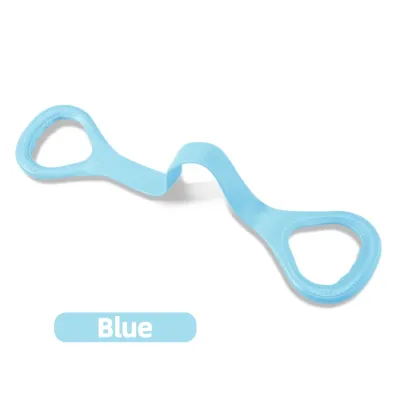
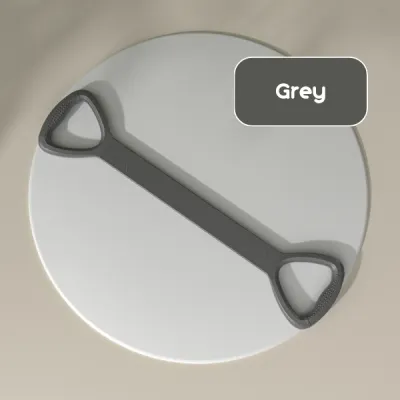
![[SG Stock] CALLIVEN Thicken Resistance Band Set Exercise Bands for Legs Arms Natural Latex Gym Pull up](https://img.lazcdn.com/g/p/307e3dccf60d331b1f2464a0ca4fd3d1.jpg_400x400q80.jpg_.webp)
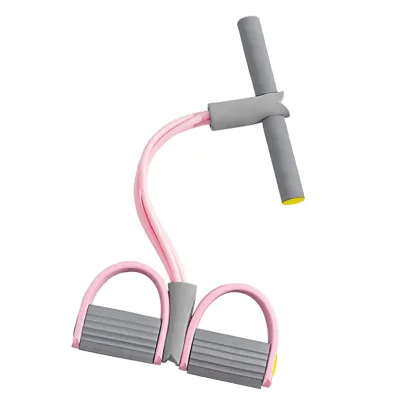
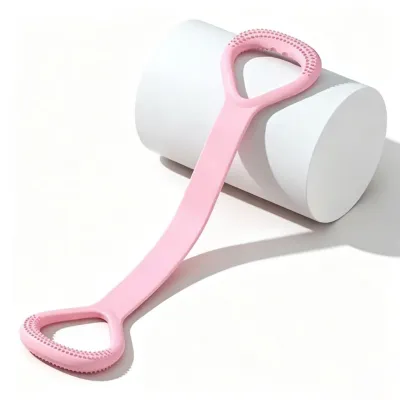
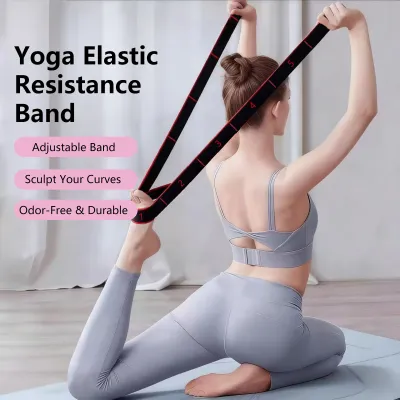
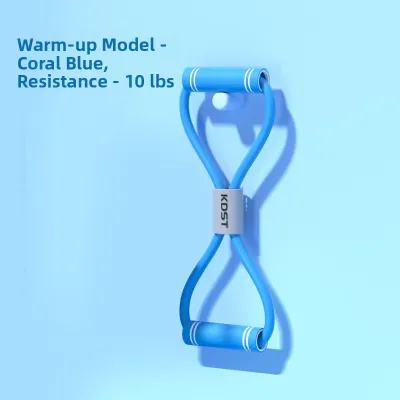
Prices are valid at publication and may change. Please refer to the product page for the latest price.
Securing your anchor points is another vital safety step. If you are attaching the band to a door, use a dedicated door anchor accessory and verify that the door closes securely away from you so that pulling tension keeps the door shut. For poles, heavy furniture, or structural posts, verify that the anchor point is stable and cannot tip over. Inspect the band itself before every session, checking for tiny tears, discoloration, or cracks that could lead to a sudden snap during use.
Essential Shoulder Mobility and Stability Exercises
The shoulder is a highly mobile ball-and-socket joint that relies heavily on the surrounding rotator cuff muscles for stability. Using a resistance band allows you to target these deep stabilizing muscles with consistent tension throughout the entire movement.

Internal and External Rotations
To perform external rotations, stand perpendicular to your anchor point and hold the band with your outer hand. Position your elbow at a 90-degree angle, keeping it tucked close to your torso. You can place a rolled-up towel between your elbow and your side to help maintain this alignment and prevent your arm from flaring outward. Slowly rotate your forearm away from your body, keeping your shoulder blade retracted, and then control the return phase back to the starting position.
For internal rotations, remain in the same stance but hold the band with your inner hand. Start with your forearm rotated outward, then slowly pull the band inward toward your stomach while keeping your elbow pinned to your side. For both movements, focus on controlling both the pulling phase and the returning phase. Avoid twisting your torso or using momentum to swing the band, as these compensatory movements shift the workload away from the rotator cuff.
Scapular Retraction and Band Pull-Aparts
To strengthen the upper back and stabilize the shoulder blades, hold the band directly in front of you with both hands at shoulder height. Keep your spine neutral, your knees slightly bent, and your shoulders relaxed away from your ears. Slowly pull your hands apart, expanding the band across your chest while focusing on squeezing your shoulder blades together.
You can easily modify the difficulty of this exercise by adjusting your grip width. A wider grip reduces the tension, making it suitable for early-stage recovery or limited ranges of motion, while a narrower grip increases the resistance. Throughout the movement, avoid arching your lower back or shrugging your shoulders upward, which can cause neck strain and reduce the effectiveness of the exercise.
Targeted Elbow and Forearm Rehabilitation Movements
Elbow and forearm recovery requires isolating the joint while protecting the delicate tendons that connect to the wrist and hand. Resistance bands offer a smooth, joint-friendly alternative to heavy free weights for these delicate areas.
Controlled Flexion and Extension
To perform controlled bicep curls for elbow flexion, anchor one end of the band securely under your foot or at a low, stable point. Hold the other end with an underhand grip, keeping your upper arm as stationary as possible against your side. Slowly curl your hand toward your shoulder, focusing on a smooth contraction, and then slowly lower it back down without letting the band snap your arm straight.
For tricep extensions, anchor the band at a high point, such as the top of a door frame. Grasp the band and keep your elbow tucked close to your ribs. Extend your arm downward to activate the triceps, ensuring you do not lock your elbow completely at the end of the movement. Keeping your upper arm stationary throughout both exercises isolates the elbow joint and prevents shoulder compensation.
Forearm Pronation and Supination
To target the muscles that control wrist and elbow rotation, wrap the band securely around your hand or use a specialized handle attachment. Sit or stand with your elbow bent at 90 degrees and pinned to your side. Hold the band so that there is light tension when your palm is facing upward.
Slowly rotate your palm downward against the resistance of the band, then slowly return to the starting position. Reverse the setup to practice rotating your palm upward. Monitor your wrist and the outer side of your elbow closely during these rotations; if you feel a sharp strain near the lateral elbow, reduce the tension immediately to avoid aggravating conditions like tennis elbow.
Monitoring Progress and Recognizing Stop Conditions
A successful recovery program relies on your ability to listen to your body and adjust your routine based on physical feedback. It is normal to feel mild muscle fatigue or a light burning sensation in the targeted muscles during and after your exercises. However, you must distinguish this normal exertion from sharp, stabbing, or localized joint and tendon pain, which indicates that the joint is overloaded.
You can consider progressing to a slightly heavier resistance band or increasing your movement volume only when you can complete your current routine with correct form and zero pain. This progression should be gradual and ideally verified by your physical therapist. Never rush to increase resistance, as tendon and ligament recovery takes significantly longer than muscle recovery.
Establish clear stop conditions for every session. If you experience sudden swelling, a noticeable decrease in your range of motion, or lingering joint pain that persists long after your session ends, stop using the bands immediately. Rest the affected joint and seek professional medical guidance to re-evaluate your recovery plan.
Frequently Asked Questions (FAQ)
How often should I perform these recovery exercises?
The ideal frequency for recovery exercises depends heavily on your specific injury, current healing stage, and the guidance of your healthcare provider. Generally, physical therapists recommend performing light mobility and activation exercises several times a week, or even daily, provided the intensity remains low. However, you must allow adequate tissue repair time between targeted sessions. If your joints feel stiff or sore the day after an exercise session, it is a sign that you need to increase your rest periods and allow the tissues to recover.
Can I use the same resistance band for both shoulder and elbow exercises?
While you can technically use the same style of band, you will likely need different tension levels for different exercises. The small, delicate muscles of the rotator cuff typically require much lighter resistance to activate correctly without causing compensation. In contrast, the larger muscle groups controlling elbow flexion and extension, such as the biceps and triceps, can generally handle slightly higher resistance. Building a set of bands with varying tension levels provides you with a versatile recovery toolkit that can adapt to the specific needs of each joint.
Community discussion
Share your experience or ask a question. Comments are reviewed before publication.