
Using the Naboso Neuro Stick to improve balance and body awareness involves applying its textured surface to the soles of your feet and the palms of your hands. By rolling, pressing, and gripping this specialized tool, you stimulate the high concentration of nerve endings in your skin, sending clear signals to your brain about your body’s position in space. This process, known as proprioceptive training, helps build a stronger connection between your extremities and your central nervous system.
Whether you are looking to improve your stability on uneven walking paths or seeking to awaken tired muscles after a long day of standing, incorporating the Naboso Neuro Stick into your wellness routine can yield noticeable benefits. The key to success lies in consistent, gentle stimulation rather than deep, painful tissue manipulation.
How the Naboso Neuro Stick Enhances Sensory Feedback
The human body relies heavily on sensory receptors located in the skin, joints, and muscles to navigate the environment safely. On the soles of our feet and the palms of our hands, specialized nerve endings called mechanoreceptors are highly sensitive to texture, vibration, and surface changes. The Naboso Neuro Stick is specifically engineered with a unique, textured surface designed to target these precise receptors, acting as a wake-up call for your nervous system.
Products mentioned in this guide
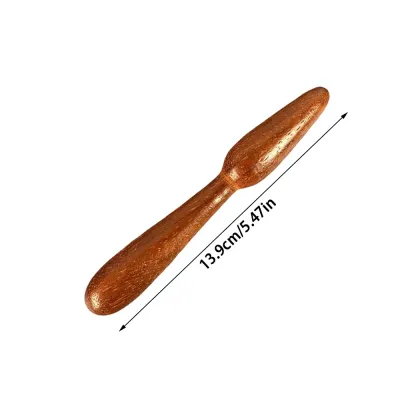
Prices are valid at publication and may change. Please refer to the product page for the latest price.
It is important to understand that this device is a wellness and mobility tool rather than a medical cure. Its primary function is to increase sensory awareness and improve proprioception—the subconscious sense of where your limbs are positioned. By providing clear, tactile feedback, the textured surface helps your brain map your feet and hands more accurately.
With consistent use, many individuals notice a heightened sense of ground connection and improved balance. However, these improvements depend on regular, daily interaction rather than occasional use. Over time, the refined sensory input helps you make quicker, more efficient postural adjustments during daily movements.
Preparing Your Space and Checking Safety Boundaries
Before beginning any sensory stimulation routine, taking a few minutes to inspect your body and prepare your environment ensures a safe and effective session. Start by checking your hands and feet for any open cuts, blisters, skin irritation, or active wounds. If you notice any broken skin, postpone using the textured tool until the area has fully healed to prevent further irritation or infection.

Certain health conditions require special caution when using sensory stimulation devices. If you experience severe neuropathy, have diabetes, or are recovering from an acute joint injury, consult a healthcare professional before incorporating this tool into your routine. A qualified practitioner can help determine if direct tactile stimulation is appropriate for your specific nerve health or healing timeline.
Creating a safe physical environment is equally crucial for balance exercises, especially on the smooth tile or vinyl flooring common in modern apartments. Choose a clear, flat area free of clutter or loose rugs that could cause a slip. Keep a stable, heavy chair or a clear section of wall within arm’s reach so you can easily steady yourself if you experience any momentary instability.
Given the warm, humid climate in Singapore, ensure your hands and feet are dry before starting to prevent slipping on the textured surface. Keeping a small towel nearby to wipe down the tool and your skin can help maintain a secure grip and keep the device hygienic.
Step-by-Step Techniques for Sensory Stimulation
To get the most out of your sensory training, it is best to follow a structured approach that moves from basic stimulation to active balance integration. This sequence helps your nervous system adapt gradually to the tactile input without feeling overwhelmed.
Plantar (Foot) Stimulation for Balance
The soles of your feet are your primary contact point with the earth, making plantar stimulation highly effective for overall stability. To begin, find a comfortable seat on a stable chair with your feet flat on the floor.
- Seated Rolling: Place the textured stick under the arch of one foot. Gently roll the tool forward toward the ball of your foot, and then backward toward the heel, keeping your heel on the floor if needed for stability.
- Pressure Adjustment: Apply light, consistent downward pressure. The goal is to feel the distinct texture of the surface, not to perform deep-tissue massage or cause discomfort.
- Standing Progression: Once you are comfortable with the seated sensation, stand up while holding onto a wall or chair. Place the stick under one foot and slowly roll it from toe to heel, allowing your body weight to naturally increase the sensory feedback.
- Preparation for Movement: Perform this rolling motion for approximately one to two minutes per foot. This simple action prepares your feet to receive better ground feedback, making you feel more anchored when you walk or stand.
Hand and Grip Activation
Our hands are constantly interacting with tools, screens, and surfaces, yet they rarely receive targeted sensory conditioning. Activating the mechanoreceptors in your palms can improve manual dexterity and upper-body coordination.
- Palm Rolling: Hold the stick between both palms. Roll it back and forth as if you are warming up your hands, ensuring the textured pattern makes contact with the entire surface of your palms.
- Finger Gripping: Wrap your fingers around the stick and squeeze gently for three to five seconds, then release. Move your grip to different sections of the tool to stimulate different parts of your fingers.
- Proprioceptive Engagement: Focus on the sensation of the texture against your skin during each squeeze. This deliberate focus helps strengthen the neural pathways between your hands and brain, supporting better grip awareness and hand-eye coordination.
Dynamic Balance and Mobility Drills
Once you have awakened the sensory receptors in your feet and hands, you can integrate the tool into active movement to challenge your balance.
- Weight-Shifting Drills: Stand with your feet hip-width apart, placing the stick flat on the floor under the midfoot of one leg. Gently shift your body weight from side to side, paying close attention to how the textured feedback on one side changes your perception of balance.
- Single-Leg Stance: Stand next to a wall or sturdy table for safety. Lift one foot off the ground while keeping the standing foot in contact with the textured stick. Hold this position for 10 to 15 seconds, focusing on keeping your ankle stable.
- Controlled Transitions: Move slowly and deliberately during these drills. Using the texture as an active reference point helps your brain coordinate small, stabilizing muscle contractions in your ankles and hips, reinforcing your natural balance mechanisms.
Common Mistakes and Clear Stop Conditions
When using a sensory tool like the Naboso Neuro Stick, more intensity does not equal faster results. A frequent mistake is applying excessive, painful pressure to the soles of the feet or palms of the hands. Sensory stimulation relies on your nerves recognizing the specific geometric texture, which only requires light to moderate contact; pressing too hard can bruise muscle tissue or irritate sensitive skin.
Another common error is rushing through the exercises. Rapid, frantic rolling does not allow the nervous system enough time to process and integrate the sensory signals. Slow down your movements, take deep breaths, and focus mindfully on the physical sensations to achieve the best results.
You must pay close attention to your body’s signals and stop the session immediately if you experience any of the following conditions:
- Sharp or Shooting Pain: Any sudden, sharp discomfort in your feet, joints, or hands.
- Numbness or Tingling: A loss of sensation or a "pins and needles" feeling that persists after you stop rolling.
- Dizziness or Loss of Balance: Feeling lightheaded or unable to maintain a stable posture even with support.
- Skin Irritation: Severe redness, chafing, or pain on the skin surface.
While a mild, unfamiliar tingling or tickling sensation is normal when first experiencing the textured surface, actual pain is a definitive signal to stop and rest.
Integrating the Neuro Stick Into Your Daily Routine
Building a consistent habit is the most effective way to experience the long-term benefits of sensory stimulation. For beginners, it is best to start with short, manageable sessions of just two to three minutes per day. As your nervous system adapts to the texture, you can gradually increase the duration to five or ten minutes, split between your hands and feet.
An easy way to ensure consistency is to pair the routine with habits you already perform daily. Consider keeping the tool near your bed to use during a quick morning stretch, or place it under your desk to roll your feet while working from home. It also makes an excellent sensory warm-up before a yoga session or a walk around your neighborhood.
As you continue your practice, look for subtle, observable signs of progress in your daily life. You may notice that you feel more grounded when walking on different surfaces, experience less fatigue in your feet after standing, or feel more confident in your balance when navigating steps. These small improvements indicate that your brain is successfully utilizing the enhanced sensory feedback.
Frequently Asked Questions (FAQ)
Is the Naboso Neuro Stick suitable for plantar fasciitis recovery?
While the textured surface provides excellent sensory input and can help improve foot awareness, the device is not a targeted treatment or medical cure for plantar fasciitis. If you are experiencing acute inflammation or severe heel pain, avoid using the stick directly on the painful area, as intense pressure can worsen the condition. It is highly recommended to consult a physical therapist or podiatrist to receive a personalized rehabilitation plan tailored to your recovery.
How often should beginners use the Neuro Stick?
Beginners should start by using the tool once a day for two to three minutes per session. This brief duration gives your nervous system adequate time to adapt to the unique tactile input without becoming overstimulated. As your comfort increases and your skin adapts to the texture, you can safely increase the frequency to twice daily or extend the sessions based on your personal comfort and sensory response.
Community discussion
Share your experience or ask a question. Comments are reviewed before publication.