
Tennis elbow, or lateral epicondylitis, can turn simple daily tasks like turning a doorknob, lifting a cup, or holding a racket into painful challenges. This discomfort typically stems from repetitive strain on the tendons connecting your forearm muscles to the outside of your elbow. While rest provides temporary relief, active rehabilitation is often necessary to rebuild tendon resilience and restore pain-free movement. The TheraBand FlexBar has become a widely recognized tool for this purpose, offering a targeted way to strengthen the forearm extensors through controlled, eccentric movement. Understanding how to use this tool correctly is essential to ensure your recovery is safe, steady, and effective.
Is the FlexBar Right for Your Elbow Pain?
Before starting any rehabilitation routine, it is crucial to determine whether your discomfort aligns with typical tennis elbow. Lateral epicondylitis usually presents as a dull ache or sharp pain localized on the bony bump on the outer side of your elbow. This pain often intensifies when you grip objects, twist your wrist, or lift items with your palm facing downward. If you experience these specific symptoms during routine activities like carrying groceries or using a computer mouse, your forearm extensors may indeed be overloaded.
However, not all elbow pain stems from lateral epicondylitis. Pain on the inner side of the elbow, deep joint pain, or discomfort that radiates down to your fingers could point to other issues, such as golfer’s elbow, joint instability, or nerve compression. It is vital to watch for red flag symptoms that require immediate medical evaluation. If you experience severe swelling, visible joint deformity, numbness, tingling in your hand, or sudden, intense pain following an acute injury, you should stop and seek a professional diagnosis.
Products mentioned in this guide
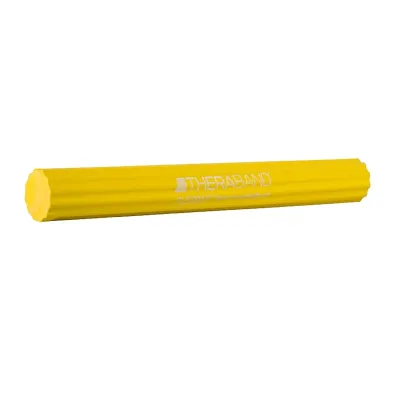
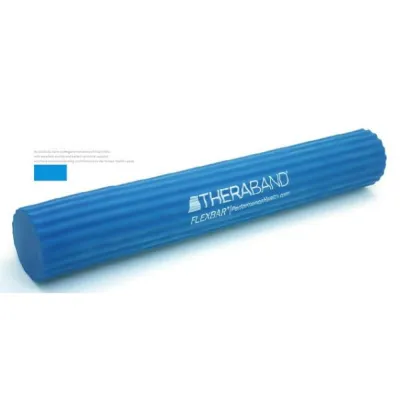
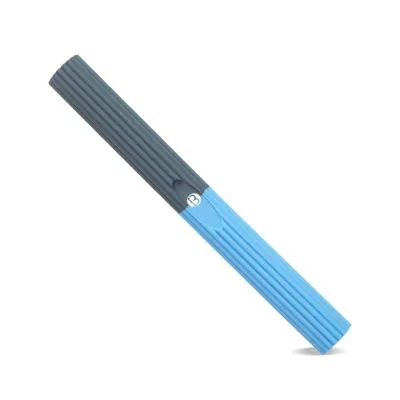
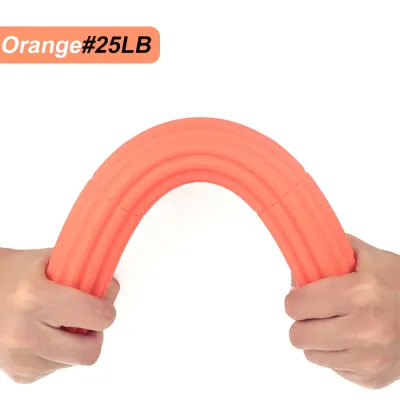
Prices are valid at publication and may change. Please refer to the product page for the latest price.
While educational guides and self-care tools are highly valuable, they cannot replace personalized medical advice. A physical therapist or doctor can perform specific clinical tests to confirm the exact source of your pain. They can also help you integrate the exercise bar into a comprehensive recovery plan tailored to your specific tissue tolerance and lifestyle demands.
Selecting Your FlexBar and Setup
Choosing the right resistance level is the first step toward a successful rehabilitation program. The TheraBand FlexBar utilizes a color-coded system where each color represents a different level of thickness and resistance. Because there is no universal starting point that fits everyone, you should check the product packaging or consult a healthcare professional to identify which level matches your current strength. Starting with a bar that is too stiff can overload an already sensitized tendon, potentially worsening your symptoms.

When beginning your rehabilitation, the primary goal is to master the movement pattern rather than to lift heavy loads. Selecting a lighter resistance bar allows you to focus entirely on the slow, controlled eccentric phase of the exercise without straining. If you feel significant pain or find yourself shaking excessively while trying to twist the bar, it is a clear sign that you need to drop down to a lighter resistance level.
Proper physical setup and posture are equally important for preventing compensatory movements that can transfer strain to your shoulders or neck. You can perform these exercises either sitting upright in a supportive chair or standing with your feet shoulder-width apart. Keep your shoulders relaxed, down, and back, avoiding the tendency to hunch or shrug as you grip the bar. Ensure your hands are dry to maintain a secure, non-slip grip on the ridged rubber surface, which helps keep the focus of the exercise entirely on your wrists and forearms.
How to Perform the Tyler Twist
The Tyler Twist is the cornerstone exercise for tennis elbow rehabilitation, specifically designed to isolate and strengthen the forearm extensors through eccentric contraction. To begin, hold the exercise bar vertically in front of your body using your affected hand. Your affected elbow should be bent at approximately a ninety-degree angle, and your wrist should be in a neutral, straight position. Grasp the lower end of the bar firmly with your affected hand, keeping your palm facing inward.
Next, reach across with your unaffected hand to grasp the upper end of the vertical bar. Your unaffected hand should be positioned with the palm facing away from you. While keeping your affected wrist completely stable and stationary, use your unaffected hand to twist the top of the bar. This twisting motion creates torsional tension within the rubber material, storing energy that your affected arm will soon have to control.
Once you have fully twisted the bar, bring both arms directly out in front of your body, extending your elbows so that the bar is now horizontal. In this position, the tension of the twisted bar is fully transferred to your affected wrist, which must hold the twist. This transition should be smooth and deliberate, ensuring you do not let the bar snap back prematurely.
The final and most critical phase is the controlled eccentric release. Slowly allow your affected wrist to untwist, resisting the bar’s natural urge to spring back to its straight shape. This deceleration phase should take several seconds to complete, as the slow lengthening of the muscle under tension is what stimulates tendon remodeling. Once the bar is completely straight and untwisted, gently release your grip and return to the starting vertical position to begin the next repetition.
Modifications and Exercise Progression
If the standard Tyler Twist feels too intense or causes discomfort in your elbow joint, simple modifications can help you build tolerance safely. You can adjust your grip width by sliding your hands closer together or further apart to find a leverage point that feels more comfortable. Additionally, keeping your elbows slightly bent in front of your body rather than fully extended can reduce the leverage force on the outer elbow, making the eccentric release much easier to manage during your initial sessions.
For those experiencing pain on the inner side of the elbow, the Reverse Tyler Twist serves as an excellent variation. This modification targets the forearm flexors, making it highly effective for medial epicondylitis, commonly known as golfer’s elbow. Incorporating both variations can provide a balanced conditioning routine for your entire forearm, ensuring that both the pushing and pulling muscle groups are equally resilient.
As your tendon heals and your muscles adapt, you will eventually need to progress to a higher resistance bar to continue making gains. The decision to move to the next color level should be based on clear criteria rather than a strict timeline. You should only progress when you can complete your current routine with zero pain, perfect control, and no residual soreness the following day. Always seek professional guidance before stepping up to a stiffer bar to ensure your tendon is ready for the increased load.
Safety Rules: Managing Pain and Knowing When to Stop
Rehabilitation exercises require a clear understanding of the difference between productive muscle fatigue and harmful pain. It is completely normal to feel a mild burning sensation or muscle fatigue in your forearm during the final repetitions of a set. This sensation indicates that the muscles are working and adapting to the stimulus. However, you should never push through sharp, stabbing, or localized pain directly over the outer elbow joint.
If you experience sharp pain, an increase in joint throbbing, or discomfort that persists for hours after your session, you must initiate a “stop and rest” protocol. Pause the exercises for a day or two until the acute irritation subsides, and consider reducing the resistance or the number of repetitions when you resume. Ignoring these warning signs can lead to micro-tears in the tendon, setting back your recovery progress significantly.
Another common mistake is rushing through the eccentric release phase of the exercise. Letting the bar snap back quickly eliminates the therapeutic benefit of the movement and subjects the tendon to sudden, uncontrolled shock. To maximize safety and effectiveness, focus on a slow, steady count of three to four seconds during the untwisting phase. Keeping your movements deliberate ensures that the tendon is loaded safely and consistently throughout the entire range of motion.
Tracking Your Recovery and Next Steps
Monitoring your progress over time helps you stay motivated and adjust your rehabilitation plan as needed. A simple way to track your recovery is to pay attention to your grip strength and comfort levels during everyday household tasks. Notice if activities like opening a tight jar, lifting a heavy skillet, or carrying a full grocery bag become easier and less painful. Keeping a simple weekly log of these observations can provide clear evidence of your functional improvement.
When you feel ready to transition back to sport-specific activities, such as tennis, squash, or heavy weightlifting, you must do so gradually. Start with short, low-intensity practice sessions and focus on maintaining proper technique to avoid overloading your elbow. Ensure you continue your forearm strengthening routine even after returning to your sport, as ongoing maintenance is key to preventing future flare-ups.
If you experience a complete lack of improvement after several weeks of consistent, correct exercise, or if your symptoms steadily worsen, it is time to re-evaluate. Persistent pain may indicate an underlying issue that requires advanced treatment options, such as shockwave therapy, custom bracing, or targeted physical therapy modalities. Do not hesitate to return to your doctor or physical therapist for a comprehensive reassessment of your elbow health.
Frequently Asked Questions (FAQ)
How many sets and repetitions should I do daily?
The ideal number of sets and repetitions depends entirely on your individual tissue tolerance, the severity of your condition, and the specific guidance of your healthcare provider. Rather than aiming for a rigid, pre-determined number, focus on monitoring your forearm fatigue during the exercise. A common starting framework involves performing a few sets of controlled repetitions, stopping immediately if your form begins to break down or if you experience joint pain. Allowing your muscles adequate rest between sessions is just as important as the exercise itself for promoting tissue repair.
Can I use the FlexBar if I have wrist pain instead of elbow pain?
While the muscles that control your wrist originate near the elbow, wrist-specific pain often involves entirely different anatomical structures, such as the carpal tunnel, local ligaments, or small wrist joints. Using a twisting exercise bar can place significant rotational stress on the wrist, which might aggravate conditions like wrist tendinitis, sprains, or nerve compression. If your primary symptom is wrist pain, you should consult a medical professional before attempting these exercises to ensure the grip pressure and twisting motions are safe for your specific condition.
Community discussion
Share your experience or ask a question. Comments are reviewed before publication.