
Shopping for tennis player merchandise online offers access to global collections, but it also exposes you to the risk of purchasing counterfeit goods. Verifying the authenticity of tennis gear requires a systematic approach that combines physical inspection, seller vetting, and cross-referencing official brand databases. By examining the fine details of tags, material performance, and seller credentials, you can protect your investment and ensure your gear performs as expected on the court.
In Singapore’s active tennis community, sporting the gear of your favorite players—whether it is a signature racket, a player-edition polo, or a branded kit bag—is a point of pride. However, the convenience of online marketplaces comes with the challenge of filtering out sophisticated replicas. Knowing exactly what to look for when the package arrives, and how to research the seller before clicking the purchase button, is the key to securing genuine merchandise.
Understanding the Risks of Fake Tennis Merchandise
The market for sports apparel and memorabilia has seen a significant rise in counterfeit products, and tennis merchandise is no exception. From replica player jerseys and caps to counterfeit rackets and bags, unauthorized manufacturers have become highly adept at mimicking the visual appearance of premium brands. While these items might look acceptable in low-resolution online listings, they rarely stand up to the demands of actual play or long-term wear.
Products mentioned in this guide
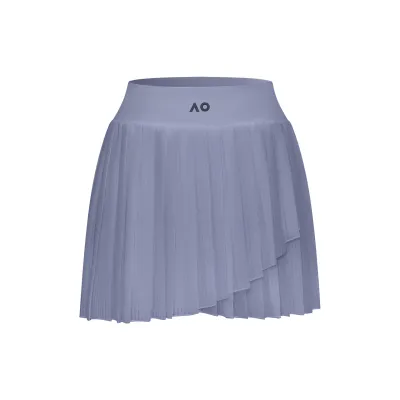
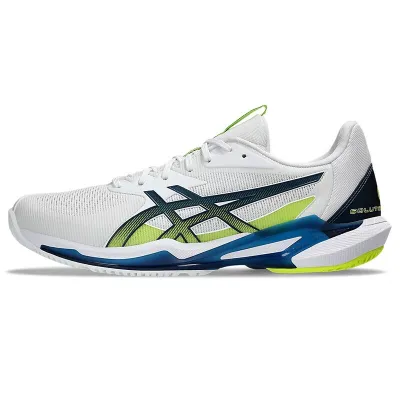
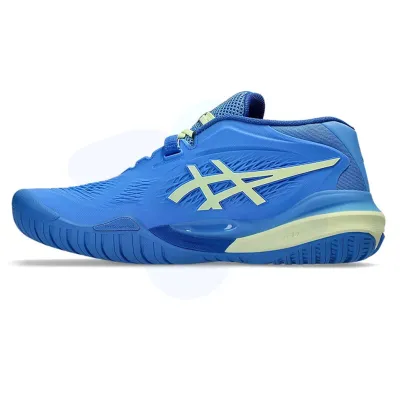
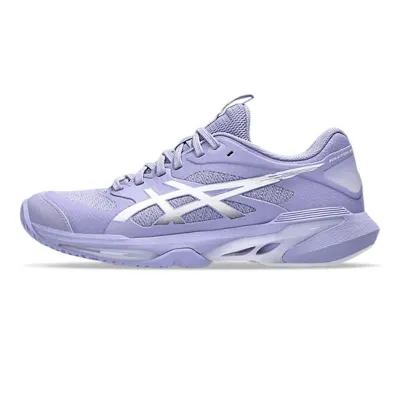
Prices are valid at publication and may change. Please refer to the product page for the latest price.
One of the most immediate risks of counterfeit tennis apparel is the poor quality of the materials used. Genuine player-edition clothing is engineered with advanced, lightweight, and moisture-wicking fabrics designed to handle intense physical exertion. Counterfeiters, however, typically use cheap synthetic blends that lack breathability. In Singapore’s hot and humid tropical climate, wearing non-breathable, unregulated fabrics during a match can lead to severe discomfort, overheating, and even skin irritation or allergic reactions from chemical dyes used in unauthorized factories.
Beyond performance and comfort, counterfeit equipment poses genuine safety and durability concerns. A counterfeit tennis racket may look identical to a player’s signature model, but it is often constructed from cheap plastics or low-grade fiberglass instead of high-modulus carbon fiber. Under the high tension of tennis strings and the impact of fast-paced rallies, these structural deficiencies can cause the frame to warp, crack, or even shatter, risking injury to your wrist, elbow, or eyes.
Finally, purchasing fake merchandise results in direct financial loss. Counterfeit items have virtually no resale value and tend to degrade rapidly after a few washes or court sessions. Furthermore, buying these products diverts revenue away from the official brands, designers, and athletes who invest in the development of the sport. By learning to identify genuine products, you ensure that your money supports the authentic ecosystem of tennis.
Key Physical Checks to Spot Fake Tennis Gear
When buying tennis merchandise online, the real verification process begins the moment the package is delivered to your doorstep. Conducting a thorough, hands-on physical inspection is essential, as counterfeiters often use genuine stock photos on their listings but ship inferior replicas. Before removing any tags or discarding the packaging, lay the item out in a well-lit room and compare its physical characteristics directly against high-resolution images from the manufacturer’s official website.

Inspecting Tags, Labels, and Packaging
The tags and labels attached to tennis merchandise are often the most reliable indicators of authenticity, as counterfeiters frequently overlook the precise details of printing and attachment. Start by locating the stock keeping unit (SKU) or style number, which is typically printed on both the external hangtag and the internal care label. Cross-reference this number by entering it into a search engine or the brand’s official catalog; the search results should return the exact model, colorway, and release year of your item. If the SKU corresponds to a different product or yields no results, the item is likely a fake.
Examine the typography and alignment on all labels. Genuine brands use highly standardized, crisp fonts with consistent spacing. Counterfeit tags often exhibit subtle printing flaws, such as blurry text, uneven margins, or spelling mistakes in the care instructions. Pay close attention to the stitching of the interior labels; official apparel features clean, straight, and secure stitching, whereas replicas often have loose threads, crooked labels, or tags that are hastily sewn over other branding.
High-end tennis merchandise, especially player-edition apparel and limited-release equipment, frequently includes security features such as holographic stickers, serialized tags, or unique QR codes. For instance, premium rackets often feature a unique serial number laser-engraved on the shaft or cone rather than printed on a sticker. Verify if these security elements are present and check if the serial numbers are clean, distinct, and properly aligned. If a holographic sticker lacks depth or fails to shift colors when tilted, it is a clear sign of a reproduction.
Evaluating Material Quality and Craftsmanship
The physical feel and construction of the merchandise can quickly reveal manufacturing shortcuts. Genuine tennis apparel is designed to be exceptionally lightweight, stretchy, and soft to the touch, utilizing specialized weave patterns to maximize airflow. Replicas often feel noticeably heavier, stiffer, or rougher because they use standard polyester. Test the fabric’s stretch and recovery; high-quality athletic wear should stretch smoothly and return to its original shape immediately without any distorted stitching or fabric deformation.
Inspect the application of logos, player names, and sponsor patches. On authentic player shirts, these elements are applied using high-grade heat transfers or precise embroidery. Genuine embroidery is dense, tight, and free of connecting threads between letters, while genuine heat transfers are thin, flexible, and perfectly bonded to the fabric. On counterfeit gear, you will often find thick, stiff plastic transfers that peel at the edges, or messy embroidery with loose threads and visible backing material.
Hardware and accessories on items like tennis bags, jackets, and warm-up gear are another common failure point for counterfeiters. Genuine manufacturers use premium, branded zippers (such as YKK) that glide smoothly without catching. Inspect the metal pulls, buckles, and strap adjusters; they should feel solid, have a consistent finish, and feature cleanly engraved brand logos. Cheap replicas often use lightweight, unbranded plastic or low-grade metal hardware that feels flimsy, rattles, or jams easily.
Using Official Channels to Verify Authenticity
To eliminate doubt, leverage the official resources provided by tennis brands and manufacturers. Most major sports brands maintain comprehensive online databases and customer support channels dedicated to product verification. If you are uncertain about a product code or a specific design feature, you can contact the brand’s customer service team directly with clear photographs of the item’s tags, serial numbers, and overall construction to request confirmation of its legitimacy.
Before making a purchase, always consult the brand’s official website to locate their authorized retailer list or store locator. This tool allows you to verify whether the online storefront or marketplace seller you are considering is an approved partner. Purchasing from an authorized retailer is the most reliable way to guarantee authenticity, as these businesses receive their inventory directly from the manufacturer’s supply chain.
For high-value items, vintage gear, or rare player memorabilia, third-party authentication services can provide an extra layer of assurance. However, it is important to understand the limitations of digital authentication apps that rely solely on user-submitted photos. While these services can catch obvious fakes, they cannot match the accuracy of an in-person, professional appraisal. For highly collectible items, look for established, independent grading and authentication companies that specialize in sports memorabilia and provide physical certificates of authenticity.
Choosing Reliable Online Sellers and Platforms
Navigating online marketplaces requires a healthy dose of skepticism and a clear understanding of how different sellers operate. Major e-commerce platforms host a mix of official brand flagship stores, authorized distributors, and independent third-party sellers. When shopping on these platforms, prioritize listings that carry official verification badges, such as “Mall” or “Official Store” labels, which indicate that the platform has verified the seller’s business registration and authorization to sell the brand’s products.
If you must buy from an independent third-party seller, conduct a thorough investigation of their profile history. Look beyond the overall star rating and examine the volume of transactions they have completed, how long the store has been active, and the specific nature of their customer feedback. Be cautious of stores that have high ratings but only a handful of reviews, or those that have suddenly shifted from selling unrelated goods to high-demand tennis merchandise. Read the negative and neutral reviews carefully to see if previous buyers have raised concerns about product authenticity or slow return processes.
Be vigilant against common online listing red flags. The most obvious warning sign is an unrealistically low price. If a premium tennis racket that typically retails for S$350 is listed for S$80, it is almost certainly a counterfeit, as genuine high-end sports equipment rarely undergoes such extreme discounting. Additionally, avoid listings that rely entirely on generic stock photos copied from the manufacturer’s website. Legitimate sellers, especially those offering pre-owned or vintage player gear, should be willing and able to provide original, high-resolution photos of the actual item taken from multiple angles upon request.
What to Do If You Receive a Counterfeit Item
If, despite your precautions, you receive an item that you suspect is counterfeit, taking prompt and organized action is crucial to securing a refund. Start by thoroughly documenting the product. Take clear, well-lit, high-resolution photographs of every detail that points to it being a fake, including blurry tags, misaligned logos, messy stitching, and any discrepancies in packaging. If possible, take side-by-side comparison photos with a known authentic item of the same brand.
Do not use, wear, or alter the item in any way, and keep all original packaging, tags, and shipping labels intact. Open a formal dispute or refund request directly through the e-commerce platform’s built-in buyer protection program. Present your documented evidence clearly and objectively, focusing on verifiable physical discrepancies rather than subjective opinions. Most reputable platforms have strict policies against the sale of counterfeit goods and will freeze the seller’s funds while investigating your claim.
If the seller is uncooperative or the platform’s dispute resolution process fails to provide a satisfactory outcome, escalate the issue through your payment provider. If you paid using a credit card or a secure online payment service, you can file a chargeback dispute based on receiving goods that were not as described. Additionally, you can report the incident to relevant consumer protection bodies in Singapore, such as the Consumers Association of Singapore (CASE), or submit a report to the platform’s intellectual property rights enforcement team to help prevent the seller from defrauding other buyers.
Frequently Asked Questions (FAQ)
Are autographed tennis items more prone to counterfeiting?
Yes, autographed tennis memorabilia is highly susceptible to counterfeiting because a signature is relatively easy to replicate on standard merchandise. When purchasing signed items, you should never rely on visual comparisons alone, as even professional authenticators require specialized training and equipment to verify handwriting characteristics. Genuine autographed memorabilia should always be accompanied by a Certificate of Authenticity (COA) from a reputable, independent third-party authentication authority. To minimize risk, purchase signed items exclusively from established memorabilia dealers with verifiable track records rather than general online marketplaces.
Can I rely solely on high seller ratings to guarantee authenticity?
No, you cannot rely solely on high seller ratings to guarantee that an item is authentic. Overall ratings can be easily manipulated through artificial review generation or by selling cheap, genuine accessories to build up a positive feedback score before listing high-value counterfeit items. Furthermore, many positive reviews are written by buyers who may not have the expertise to recognize a high-quality replica or who rate the transaction based purely on fast shipping and polite customer service. Always combine seller ratings with a rigorous physical inspection of the product and verification of the seller’s authorized status.
Community discussion
Share your experience or ask a question. Comments are reviewed before publication.