
To verify if a YGK PE fishing line is authentic, you must systematically inspect the packaging print quality, check the physical properties of the braid, and purchase only from authorized retailers. Counterfeit braided lines often feature blurry label text, inconsistent weave tightness, and a rough or overly waxy texture that differs from the high-precision manufacturing of genuine Japanese PE lines. Verifying these details before spooling your reel is the most reliable way to protect your gear and ensure consistent performance on the water.
Why Counterfeit PE Lines Compromise Your Catch
Using a counterfeit braided line introduces unpredictable variables to your fishing setup, which can lead to gear failure at critical moments. Genuine PE (polyethylene) lines are engineered with precise tension and high-grade materials to achieve a specific breaking strength. Counterfeit lines, however, often use inferior fibers or inconsistent braiding techniques. This results in weak spots along the line, leading to sudden snapping under loads that a genuine line of the same rating would easily handle.
Beyond sudden breakage, counterfeit lines typically lack the advanced coatings that provide abrasion resistance. When fishing around rocks, structures, or underwater vegetation, a fake line can fray and part with minimal friction. This not only risks losing your lure or target fish but also leaves synthetic debris in the aquatic environment.
Products mentioned in this guide
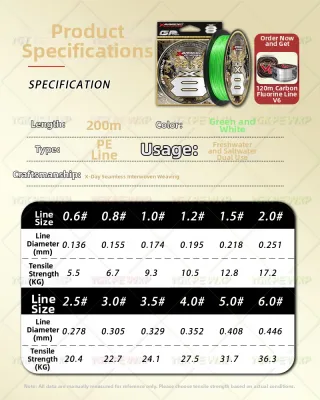
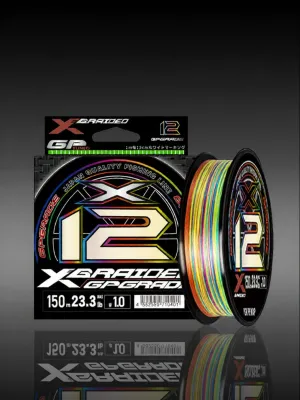
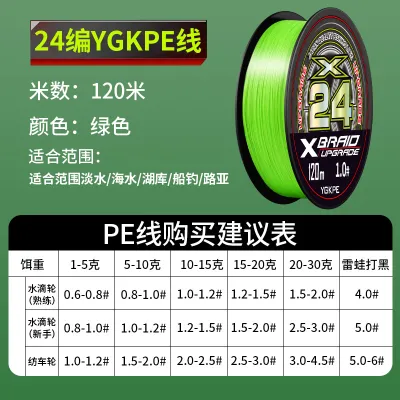
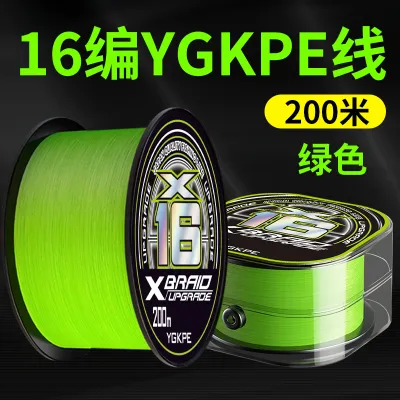
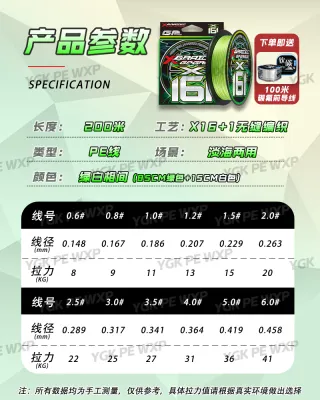
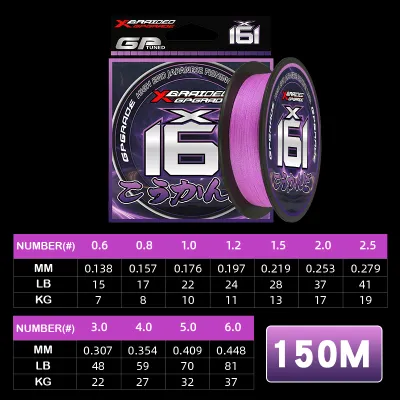
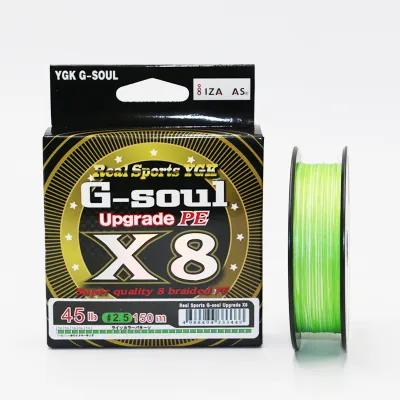
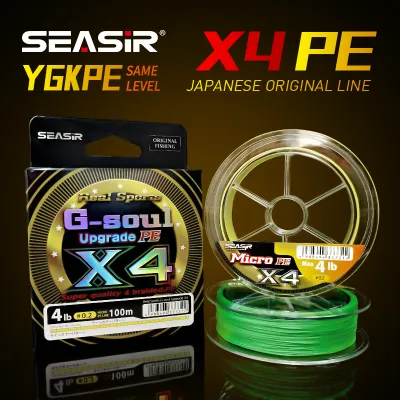
Prices are valid at publication and may change. Please refer to the product page for the latest price.
Furthermore, manufacturing inconsistencies in fake lines often result in inaccurate diameter ratings. A line that is thicker than advertised will reduce the line capacity of your reel spool, alter your casting distance, and increase water drag. This drag can affect how your lure behaves in currents, making it harder to maintain control and feel subtle bites.
Visual and Tactile Checks for Authentic YGK Packaging
The first line of defense against counterfeit tackle is a thorough inspection of the packaging. Genuine YGK packaging is produced with high-quality printing presses, resulting in sharp text, vibrant colors, and precise alignment. Counterfeit boxes often exhibit slight color shifts, blurry or fuzzy lettering (especially on small Japanese characters), and even spelling mistakes. Inspect the edges of the cardboard box; clean, crisp folds indicate professional manufacturing, whereas rough or uneven edges suggest low-cost replication.

Many authentic YGK products feature specific security labels, holographic stickers, or unique batch codes. When examining these security features, tilt the package under direct light to verify that the hologram transitions smoothly between colors and displays clear, sharp logos rather than a generic metallic sheen. Check the batch code printed on the spool or box; genuine manufacturers use consistent fonts and placement, which you can cross-reference with official brand guidelines or verified packaging images from authorized distributors.
The physical spool itself is another indicator of authenticity. Genuine spools are molded from high-quality plastic with smooth edges and no excess flashing from the molding process. The line should be wound onto the spool with perfect precision, showing neat, parallel layers. If the line is wound unevenly, overlaps messily, or the spool plastic feels flimsy and rough, the product is highly likely to be a counterfeit.
Inspecting the Line Quality: Real vs. Fake PE Characteristics
If the packaging passes initial inspection, the next step is to evaluate the physical characteristics of the braided line itself. Pull a few meters of line off the spool and examine the weave tightness. Genuine YGK PE lines are known for their tight, uniform braid, where individual strands are woven closely together to form a round profile. Under a magnifying glass or smartphone camera zoom, a fake line often reveals a loose, uneven weave with visible gaps between the strands, resulting in a flatter or more oval shape.
Run the line between your thumb and index finger to assess its surface texture. Authentic PE lines feature specialized coatings that make them feel smooth and supple, which helps reduce friction through the rod guides. Counterfeit lines often feel excessively waxy, stiff, or rough. A heavy, sticky wax coating is a common tactic used by counterfeiters to mask a loose weave and artificially increase the line’s apparent thickness and stiffness.
Colorfastness is another critical indicator. While all dyed braided lines will eventually fade with prolonged use and UV exposure, counterfeit lines often bleed color immediately. Rub a section of the dry line firmly against a white piece of paper or a light-colored cloth. If the dye transfers easily and leaves a heavy stain on your fingers or the cloth before the line has even touched water, the dye quality is substandard, pointing to a counterfeit product.
Finally, check the consistency of the line’s diameter. Pull several meters of line and feel for any sudden changes in thickness or lumps. Genuine manufacturing processes ensure a highly consistent diameter throughout the entire spool, whereas counterfeit lines frequently suffer from thick and thin spots that compromise knot strength and casting performance.
Where to Buy Genuine YGK PE Lines Safely
To minimize the risk of purchasing counterfeit tackle, you should carefully select your purchasing channels. The safest option is to buy directly from authorized local tackle shops or official brand storefronts. These retailers source their inventory directly from official distributors, ensuring product authenticity and providing reliable customer support if you encounter any issues.
When shopping on third-party e-commerce platforms or online marketplaces, exercise extra caution. Always check the seller’s history, overall rating, and customer reviews. Look for detailed reviews from other anglers who have purchased the same line, paying close attention to any mentions of premature breakage or packaging discrepancies. Be skeptical of sellers with very low feedback scores or those who primarily sell unrelated, non-fishing goods.
Pricing is a major indicator of authenticity. While genuine discounts do occur during seasonal sales, prices that are unrealistically low—such as a spool offered at a fraction of the typical S$ retail rate—are a major red flag. High-quality Japanese PE line requires advanced materials and manufacturing processes, making extreme discounts economically unfeasible for genuine products. If a deal seems too good to be true, or if the product is shipped without its original outer box, it is best to avoid the purchase.
What to Do If You Suspect a Counterfeit Purchase
If you suspect that you have purchased a counterfeit YGK PE line, take immediate action to protect your investment and gear. Start by documenting the product thoroughly. Take clear, high-resolution photos of the packaging, the spool, the line weave, and any specific areas of concern, such as blurry text or uneven winding. Keep all original packaging, shipping labels, and receipts as evidence.
Next, contact the retailer or initiate a dispute through the e-commerce platform’s customer service channel. Most reputable platforms have buyer protection policies that cover counterfeit goods, provided you can supply clear evidence of the discrepancy. Clearly state your reasons for suspecting a fake, using your documented photos as support.
Most importantly, do not spool the suspected line onto your reel or use it for fishing. Using a counterfeit line risks losing expensive lures, damaging your rod guides, or losing a prized catch due to sudden line failure. It is far better to halt use immediately and seek a refund than to risk gear damage on the water.
Frequently Asked Questions (FAQ)
Can I rely solely on the price to identify a fake YGK PE line?
No, price alone is not a definitive indicator of authenticity. While an extremely low price is a strong warning sign, some counterfeiters deliberately price their fake lines close to the standard S$ retail rate to make them appear genuine. Conversely, authorized retailers may occasionally offer legitimate discounts during promotional events. Therefore, you must always combine price evaluation with physical inspections of the packaging, spool, and line quality to make an accurate assessment.
Does a fake PE line always break immediately?
Not necessarily. A counterfeit PE line might hold up under light, static tension or during basic backyard testing. However, its structural weaknesses typically manifest under sudden shock loads, such as a hard hookset, or when the line is subjected to knot tying and friction. Fake lines also degrade much faster when exposed to UV rays and saltwater, leading to unpredictable failure after only a few uses, whereas a genuine line maintains its integrity over a much longer period.
Community discussion
Share your experience or ask a question. Comments are reviewed before publication.