
Purchasing climbing gear online offers unparalleled convenience, but it also exposes climbers to the grave risk of acquiring counterfeit equipment. A climbing carabiner is not a simple piece of utility hardware; it is a highly engineered, life-support device designed to withstand extreme dynamic forces. When you purchase a branded carabiner from third-party sellers on local online marketplaces, verifying its authenticity is a mandatory safety step before you ever clip it into a harness or anchor.
To determine if a carabiner is genuine, you must perform a systematic inspection that covers physical markings, metallurgical build quality, gate mechanics, and official manufacturer registration databases. Relying solely on the seller’s listing details or a low price tag is a recipe for disaster. If a carabiner fails to meet even a single verification standard detailed below, it must be retired immediately and permanently.
The Life-or-Death Risk of Counterfeit Climbing Gear
Climbing carabiners are classified as Personal Protective Equipment (PPE) under stringent international safety standards. In a fall scenario, a carabiner may be subjected to sudden, violent forces exceeding 10 to 20 kilonewtons (kN)—the equivalent of holding up a small car. Authentic manufacturers use high-grade, heat-treated aluminum alloys and rigorous quality control systems to ensure every single unit can survive these loads. A structural failure in any part of this safety chain can lead directly to catastrophic injury or death.
Products mentioned in this guide
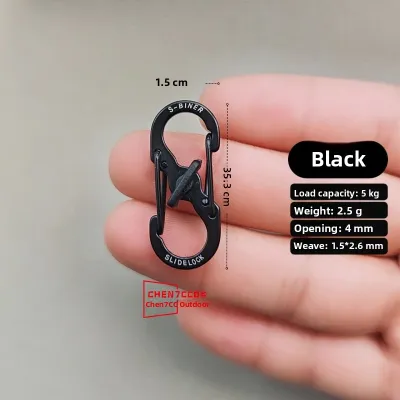
![[SG Stock] Carabiner Locking Screw Lock Biner Snap Keychain Bag Hook Aluminum Alloy Outdoor Camping Hiking](https://img.lazcdn.com/g/p/f7df1e5fcb0fd6af28660e14a5b7a86b.jpg_400x400q80.jpg_.webp)
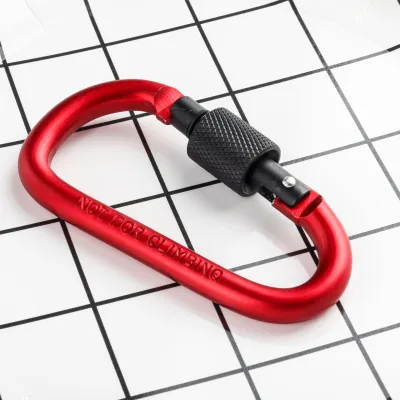
![[SG Stock] S-Biner Aluminum Alloy Dual Carabiner Hook Outdoor Camping Hiking](https://img.lazcdn.com/g/p/d574f43883e26950ef1c22d18b30eda1.jpg_400x400q80.jpg_.webp)
Prices are valid at publication and may change. Please refer to the product page for the latest price.
Counterfeit manufacturers operate with entirely different priorities, focusing exclusively on visual mimicry rather than structural or metallurgical integrity. To the untrained eye, a fake carabiner can look virtually identical to a premium brand-name model. However, beneath the anodized surface, these counterfeits are often constructed from cheap, non-heat-treated cast aluminum or low-grade zinc alloys. These materials are highly brittle and prone to internal air pockets, micro-fractures, and rapid fatigue, meaning they can shatter under standard climbing loads or even simple bodyweight tension.
While popular online marketplaces provide easy access to outdoor gear, they also host a complex web of authorized distributors, grey-market importers, and unauthorized third-party sellers. Because these platforms do not physically inspect or verify the structural safety of the safety equipment sold on their sites, the burden of verification falls entirely on you. Equipment cannot replace training, sound judgment, and meticulous safety checks; using unverified gear bypasses the very foundation of safe climbing practices.
Visual and Physical Checks: Authentic vs. Fake Carabiners
Before taking any new carabiner to a climbing gym or outdoor crag, you must perform a comprehensive visual and physical inspection. This process requires a quiet environment, good lighting, and, ideally, an identical carabiner of known authenticity to use as a direct comparison standard.

Markings, Certifications, and Laser Engravings
Every authentic climbing carabiner is legally required to display specific safety markings and traceability codes. When inspecting the spine of your carabiner, look for the following essential markings:
- The Manufacturer's Logo: This should be perfectly crisp, centered, and correctly spelled.
- Safety Standards: Look for recognized load-bearing certifications, specifically EN 12275 (the European standard for mountaineering equipment) and the UIAA 121 certification mark.
- The CE Mark: This must be followed by a four-digit number (e.g., CE 0082 or CE 0120), which identifies the specific notified body responsible for auditing the manufacturer's quality control system.
- Strength Ratings: The minimum breaking strength must be clearly marked in kilonewtons (kN) for three distinct configurations: major axis (usually 20 kN or higher), minor axis (usually 7 kN or higher), and open gate (usually 7 kN or higher).
- Traceability Codes: Authentic gear features a unique serial number or batch code indicating the year and day of manufacture.
On genuine carabiners, these markings are typically applied using high-precision laser etching or are forged directly into the metal body. The resulting text is deep, sharp, perfectly aligned, and easy to read. In contrast, counterfeit carabiners frequently feature shallow, blurry, or misaligned markings. Spelling mistakes, missing notified body numbers next to the CE mark, or generic “CE” logos (which counterfeiters sometimes claim stands for “China Export”) are immediate red flags that indicate a dangerous fake.
Build Quality, Gate Action, and Material Feel
Authentic climbing carabiners are manufactured using a process called hot-forging, which aligns the grain structure of the aluminum alloy to maximize strength while minimizing weight. This process results in a highly refined product with smooth contours, consistent material thickness, and rounded edges designed to prevent rope wear.
When you hold a counterfeit carabiner, the physical differences often become apparent through tactile inspection:
- Weight and Dimensions: Counterfeits may feel unusually heavy if made from cheap steel alloys, or alarmingly light and thin if made from low-grade aluminum. Compare the weight against the manufacturer's official specifications using a digital scale.
- Surface Imperfections: Look closely for visible mold lines, seams, pitting, or tiny bubbles on the metal surface. These are classic signs of cheap die-casting, a manufacturing method never used for load-bearing climbing carabiners.
- Anodization Quality: Genuine anodization is uniform and durable. Counterfeit finishes are often uneven, thin, or easily scratched off with a fingernail.
- The Gate and Rivets: Examine the gate assembly. Authentic rivets are pressed with extreme precision, sitting flush and clean. Counterfeit rivets may be uneven, protruding, or show signs of sloppy manual hammering.
- Gate Action: Open and close the gate repeatedly. An authentic gate operates with a smooth, fluid motion and snaps shut with a sharp, positive click, driven by a high-quality internal spring. If the gate feels gritty, loose, sluggish, or fails to close and lock completely on its own, the carabiner is defective or fake.
Always remember this critical safety boundary: physical and visual checks are excellent for identifying obvious counterfeits, but they cannot detect internal structural flaws or metallurgical weaknesses. A fake carabiner can look and feel perfect while still possessing a fraction of the required breaking strength. If any aspect of the physical check raises doubt, assume the gear is unsafe.
Official Verification and Traceability Methods
If your visual inspection does not yield a definitive answer, you must leverage official manufacturer verification channels. Authentic climbing brands maintain meticulous records of their production runs, and you can use these databases to verify your specific piece of gear.
Start by navigating directly to the manufacturer’s official website. Do not use any QR codes, web links, or customer service numbers printed on the packaging or provided by the online seller. Counterfeiters frequently print fake packaging complete with QR codes that redirect users to spoofed verification websites designed to look like the genuine brand. Always open a clean browser tab and manually type in the official URL of the manufacturer.
Once on the official site, look for their product registration or batch verification tools. Many premium brands allow you to input the unique serial number engraved on your carabiner’s spine. The system should return matching details regarding the model, manufacturing date, and batch history. You should also check the manufacturer’s safety and recall page to ensure your batch has not been flagged for manufacturing defects.
If the website does not have an automated lookup tool, locate their official customer support email. Send a clear, high-resolution set of photographs showing:
- The entire carabiner from both sides.
- Close-ups of all engraved markings, serial numbers, and logos.
- The gate mechanism, nose, and rivet assembly.
- The original packaging, user manual, and any purchase receipts.
State clearly that you purchased the item from an online marketplace and wish to verify its authenticity. Manufacturer support teams are highly motivated to identify counterfeits of their products and will typically respond with a definitive assessment of the markings and serial number format.
Safe Purchasing Channels and Red Flags on Online Marketplaces
Avoiding counterfeits entirely starts with smart purchasing habits. While online marketplaces host thousands of listings for outdoor gear, you must learn to distinguish between authorized retail channels and high-risk third-party sellers.
To ensure you are buying genuine PPE, prioritize purchasing directly from authorized physical outdoor retailers, established local climbing gyms, or the official flagship stores hosted on major e-commerce platforms. Authorized sellers can provide clear chain-of-custody documentation tracing the gear directly back to the manufacturer or official regional distributor.
When browsing online marketplaces, watch for these critical red flags that often signal counterfeit operations:
- Unbelievably Low Prices: If a premium carabiner that normally retails for S$15 to S$30 is being offered for S$3 to S$6, it is almost certainly a counterfeit. Genuine safety gear has fixed manufacturing and testing costs that make extreme discounting impossible.
- Suspicious Seller Profiles: Check the seller's store name, physical address, and history. Avoid stores with generic, random-letter names, those that primarily sell unrelated cheap consumer goods, or those lacking a verifiable physical business address.
- Missing Retail Packaging: Authentic carabiners are shipped with detailed, multi-language user manuals and technical specifications required by law. If your carabiner arrives loose in a plain plastic bag without official packaging or documentation, do not use it.
- Vague Product Images: Be wary of listings that use only stock photos from the manufacturer's website rather than actual photos of the product in stock.
- Manipulated Reviews: Look closely at the customer feedback. A high volume of generic, repetitive, or overly enthusiastic reviews with no technical details can indicate artificial review boosting.
What to Do If You Suspect Your Carabiner Is Fake
If your carabiner fails any of the visual checks, cannot be verified through official manufacturer channels, or simply leaves you with a lingering sense of doubt, you must take immediate action to protect yourself and the wider climbing community.
First, enforce an absolute stop condition: never use a suspected counterfeit carabiner for climbing, rappelling, hauling, or any other load-bearing application. Your life is worth infinitely more than the cost of a replacement carabiner.
Second, you must physically destroy the compromised gear to prevent it from ever being mixed back into your gear bag, accidentally used by a climbing partner, or resold to an unsuspecting buyer. Use a hacksaw or angle grinder to cut completely through the spine of the carabiner, or use heavy pliers to permanently bend and disable the gate mechanism. Once destroyed, discard it in a recycling bin.
Third, initiate a dispute and refund claim through the e-commerce platform where you purchased the item. Select the option for receiving counterfeit or unsafe goods, and upload your physical inspection photos along with any correspondence from the official manufacturer confirming the fake status. Reporting these sellers helps the platform identify and shut down fraudulent storefronts.
Finally, report the incident to local consumer protection authorities. In Singapore, you can contact the Consumers Association of Singapore (CASE) or submit a report to Enterprise Singapore, which oversees product safety standards. Reporting counterfeit safety equipment helps protect other outdoor enthusiasts from purchasing deadly fakes.
Frequently Asked Questions (FAQ)
Can I use a suspicious carabiner for non-climbing purposes like hanging a hammock?
No, you should never use a suspected counterfeit carabiner for any application that supports human weight. Hanging a hammock, setting up a slackline, or rigging heavy gear still exposes the carabiner to significant tension. If a counterfeit carabiner shatters while you are in a hammock, the resulting fall onto your back or neck can cause severe injury. Restrict suspicious carabiners strictly to non-safety-critical, lightweight tasks, such as organizing keys, holding water bottles, or clipping light accessories to your backpack.
Do all authentic carabiners have a UIAA certification mark?
No, the absence of a UIAA (International Climbing and Mountaineering Federation) mark does not automatically mean a carabiner is counterfeit. While the UIAA 121 standard is globally recognized and highly respected, some genuine manufacturers certify their gear solely under the European EN 12275 standard. To be considered authentic and safe for climbing, a carabiner must display at least one recognized load-bearing certification (either CE/EN or UIAA) alongside a valid manufacturer logo and a traceable batch or serial number.
Community discussion
Share your experience or ask a question. Comments are reviewed before publication.