
To verify if an Owala Spider-Man water bottle is authentic, you must carefully examine its physical construction, functional parts, and the credentials of the seller. Because this character-themed bottle is a highly sought-after licensed product, counterfeiters often attempt to replicate its distinctive color scheme and design. However, they rarely match the precise engineering of the proprietary lid, the quality of the insulation, or the safety standards of the materials used in genuine manufacturing. By conducting a systematic check of the bottle’s weight, print quality, and functional mechanisms, you can protect yourself from purchasing a substandard imitation.
Why Authenticity Matters for Licensed Drinkware
Purchasing a genuine insulated water bottle is primarily a matter of personal safety and product performance. Unregulated factories that produce counterfeit goods do not adhere to strict consumer safety standards. This means the plastics, silicone seals, and paints used on a fake bottle may contain harmful substances, such as lead or non-food-grade plastics, which can leach into your beverages over time.
Furthermore, counterfeit bottles consistently fail to deliver expected performance. Genuine double-wall vacuum insulation keeps drinks cold for hours, whereas a replica often lacks a proper vacuum seal, leading to rapid temperature loss and external condensation. The lid mechanisms on counterfeit models are also prone to leaking, which can ruin the contents of your bag.
Products mentioned in this guide
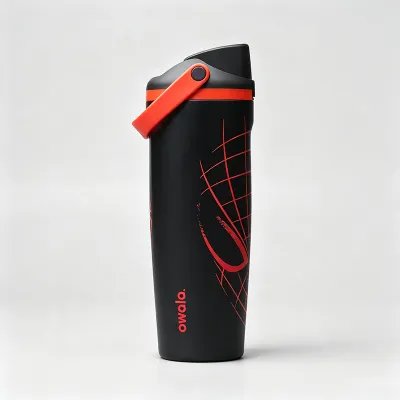
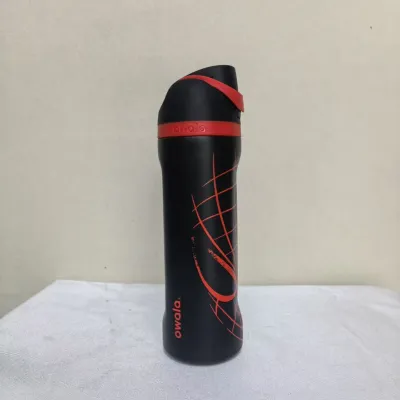
Prices are valid at publication and may change. Please refer to the product page for the latest price.
Finally, buying authentic products ensures that your money supports the actual creators and licensing agreements behind the design. Choosing genuine merchandise respects these creative partnerships and ensures you receive a durable, safe product built to last.
Visual and Physical Inspection Checklist
To determine whether your bottle is the real deal, you need to perform a thorough physical inspection. Counterfeiters have become adept at copying basic color schemes, but they almost always cut corners on the finer details of manufacturing, packaging, and assembly.

Packaging and Labels
Start your inspection before you even open the box. Authentic packaging features crisp, high-resolution printing with clear typography and accurate color representation. Examine the barcode, product description, and regulatory symbols on the label. On counterfeit packaging, you will often find blurry text, pixelated graphics, or even spelling mistakes in the fine print.
Pay close attention to the placement and alignment of the stickers. Official merchandise uses precisely aligned labels that do not peel off easily. If the packaging looks flimsy, lacks the official licensing marks, or uses a generic box instead of the branded packaging, you should proceed with caution.
Build Quality and Finish
Once you have the bottle in hand, inspect the exterior finish. The Spider-Man graphics on a genuine bottle are applied using high-quality, durable printing techniques that feel smooth and integrated into the powder coat. Run your fingers over the design; it should not feel like a cheap sticker or have raised, rough edges that can be easily scratched off with a fingernail.
Next, examine the physical structure of the bottle. Check the stainless steel body and the plastic lid for any uneven seams, rough plastic edges, or misaligned parts. Genuine manufacturing processes utilize high-precision molds, resulting in perfectly smooth transitions between different materials. If you notice sharp plastic flashing along the seams of the lid or a crooked bottom cap, the bottle is likely a counterfeit.
Functional Components
The proprietary lid mechanism is one of the most difficult features for counterfeiters to replicate successfully. Test the push-button mechanism that deploys the spout. On an authentic bottle, this button operates smoothly with a distinct, satisfying click, and the protective cover springs open without sticking.
Additionally, inspect the internal straw and the silicone seals. The straw in a genuine bottle fits securely into the lid and is made of thick, food-grade plastic. The silicone gaskets that prevent leaks should be perfectly seated in their grooves, flexible, and free from chemical odors. Counterfeit versions often use cheap, stiff rubber seals that fail to create a watertight barrier, leading to immediate leaks when the bottle is tilted.
Weight and Balance
The materials used in genuine insulated bottles have a specific weight and balance. A double-wall vacuum-insulated stainless steel bottle feels solid and has a reassuring heft, even when empty. Counterfeiters often use thinner, single-wall steel or inferior alloys to save on production costs.
If you have access to a known authentic bottle of the same size, compare the weight of the two side by side. A fake bottle will often feel noticeably lighter or poorly balanced, with the weight concentrated unevenly. This lack of structural density is a clear indicator of inferior materials that will not provide the thermal retention you expect.
Evaluating Sellers and Purchase Channels
Where you buy your water bottle is just as important as how it looks. To minimize the risk of acquiring a counterfeit product, you should always evaluate the seller’s credentials and the platform you are using before making a payment.
The safest route is to purchase directly from the brand’s official website or authorized physical retail stores. If you prefer shopping on major e-commerce platforms, look for verified flagship stores or official brand distributors. These sellers are authorized to distribute licensed merchandise and are held to strict quality control standards.
Be highly suspicious of third-party sellers on online marketplaces who offer the Spider-Man edition at prices significantly below the standard retail value. While everyone loves a good discount, licensed collaboration bottles rarely go on deep clearance. If a seller is offering the bottle for a fraction of its retail price in S$, it is highly likely a counterfeit designed to lure in unsuspecting bargain hunters.
Before completing your transaction, check the seller’s profile, rating, and sales history. Read customer reviews, paying attention to feedback mentioning authenticity, packaging quality, or returns. Be wary of profiles with generic names, limited history, or repetitive, positive reviews that look automated.
Finally, verify the seller’s return policy. Reputable retailers and authorized sellers will clearly outline their return and refund processes, giving you a safety net if the product does not meet expectations. If a seller offers no returns or makes the dispute process unnecessarily complicated, it is best to look elsewhere.
Steps to Take If You Receive a Suspected Fake
If you suspect your bottle is a counterfeit after performing your physical checks, stop using it immediately. Do not drink from it or wash it in a dishwasher, as heat can release chemicals from unsafe plastics or low-quality paints. Keep the bottle away from your kitchen and food preparation areas to avoid any accidental cross-contamination.
Next, document your findings thoroughly. Take clear, well-lit photographs of the areas that raised your suspicions, such as blurry packaging text, uneven seams on the lid, or peeling graphics. If possible, take side-by-side comparison photos with a known authentic bottle to clearly highlight the discrepancies.
Once you have gathered your evidence, initiate a dispute or return request through the e-commerce platform’s buyer protection program. Most reputable online marketplaces have policies against the sale of counterfeit goods and will facilitate a refund if you provide clear photographic proof. Contact the seller directly through the platform’s official messaging system, present your evidence, and request a full refund. If they are uncooperative, escalate the issue to the platform’s customer support team.
Frequently Asked Questions (FAQ)
Does a genuine Owala bottle come with a manufacturer warranty?
Yes, genuine products typically come with a manufacturer warranty that covers defects in materials and workmanship under normal use. This warranty is a testament to the brand’s confidence in its manufacturing standards and material quality. However, this coverage is strictly limited to authentic items purchased from authorized retailers. Counterfeit products do not qualify for any official warranty claims, replacement parts, or customer support. To ensure you can access warranty services if needed, always keep your original receipt or digital proof of purchase from an authorized seller.
Can I rely solely on a low price to identify a counterfeit bottle?
While an unusually low price is one of the most common red flags, you should not rely on it as your sole indicator of authenticity. Some counterfeiters are aware that extremely low prices raise suspicion, so they price their fake bottles only slightly below the standard retail price in S$ to make the deal seem more plausible. Conversely, an authorized retailer might occasionally run a legitimate promotional sale. Therefore, you must always combine price evaluation with a thorough physical inspection of the bottle and a careful review of the seller’s credentials.
Are there specific serial numbers or QR codes to verify the Spider-Man edition?
The presence of specific serial numbers, batch codes, or QR codes depends entirely on the manufacturer’s current anti-counterfeiting protocols and production runs. Some limited-edition releases may feature unique tracking codes on the packaging or the base of the bottle, but these systems can change over time. You should check the official brand website for the most up-to-date instructions on how they verify special collaborations. Be aware that counterfeiters can easily print static QR codes on fake packaging that redirect your phone to a fraudulent verification website designed to look official. Always verify the URL of any website you are redirected to before trusting its authenticity claims.
Community discussion
Share your experience or ask a question. Comments are reviewed before publication.