
Finding an authentic Owala water bottle online requires knowing exactly where to look. To ensure you are purchasing a genuine product, you must verify the seller’s credentials directly on your preferred ecommerce platform or cross-reference their store with the brand’s official retail directory. Counterfeit insulated bottles have become increasingly common on online marketplaces, making it essential to inspect both the digital storefront and the physical product details before and after purchase. Taking these precautions protects your investment and ensures you receive a safe, high-quality product.
Identifying the Official Owala Flagship Store Online
When shopping on major ecommerce platforms, look for specific verification badges that indicate official brand status. Platforms often designate authorized brand stores with labels such as “Official Store,” “Mall,” or “Flagship.” These badges are typically awarded only after the seller submits verified business registrations and brand authorization letters to the platform administrators. This verification process helps filter out unauthorized resellers.
To confirm the legitimacy of a storefront, cross-reference the seller’s details with the official retailer directory on the brand’s website. Authorized distributors and official flagship stores are usually listed by region. If a seller claims to be an official distributor but does not appear in the brand’s directory, exercise caution. Some unauthorized sellers use names that mimic official brands to mislead buyers.
Products mentioned in this guide
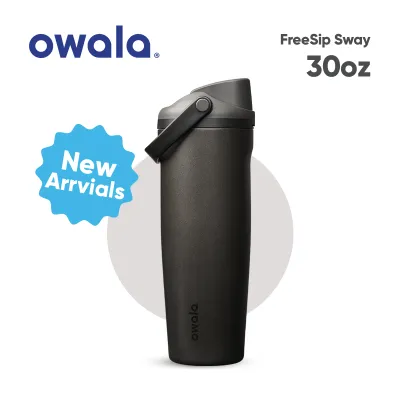
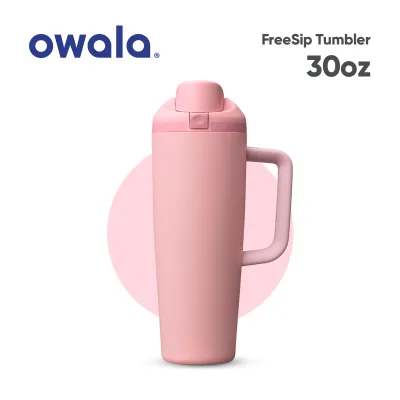
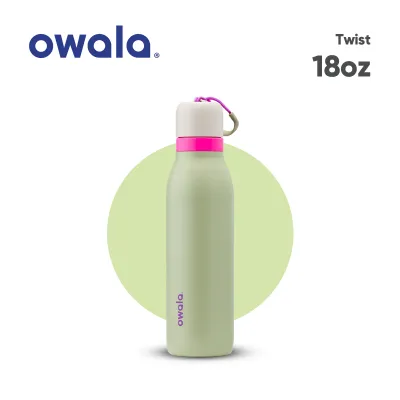
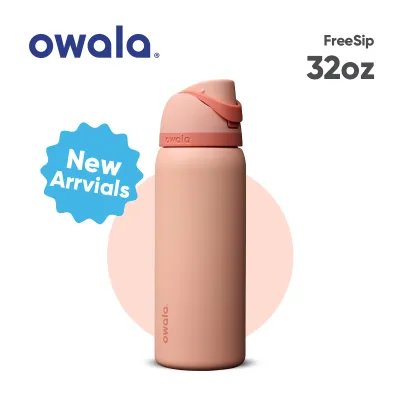
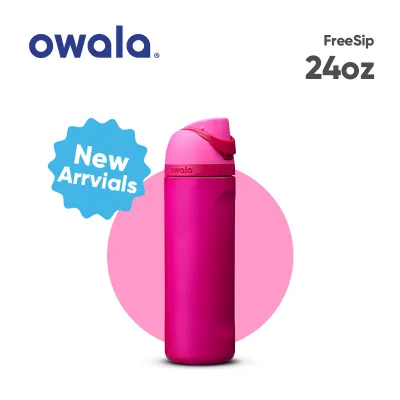
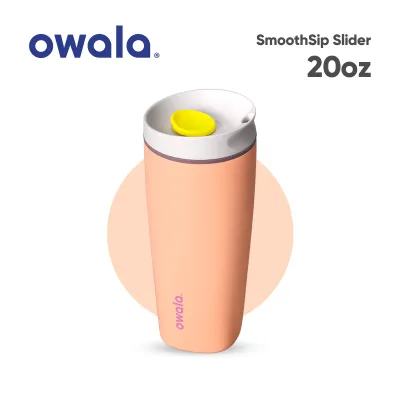
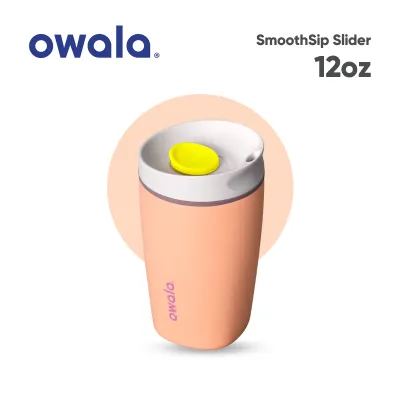
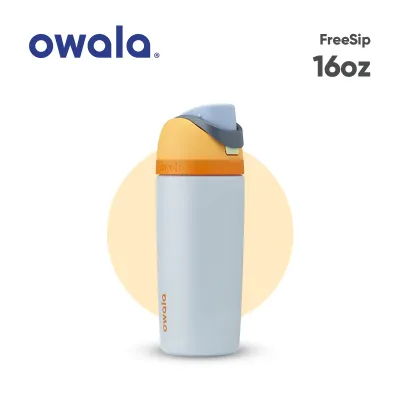
Prices are valid at publication and may change. Please refer to the product page for the latest price.
Secondary indicators can also help you evaluate a storefront, though they should not replace official verification. Check the store’s creation date, follower count, overall rating, and customer service response rate. A newly created store with very few followers, low response rates, or a history of selling unrelated products alongside insulated bottles is a major red flag. Genuine flagship stores maintain consistent branding, professional product listings, and active customer support channels to assist buyers.
Be cautious of listings that offer prices significantly lower than the standard retail price, such as a bottle listed for S$15 when the official flagship store sells it for S$50. While promotions do occur, extreme discounts are often a sign of counterfeit goods. Authentic brands maintain consistent pricing structures across authorized channels to protect their market value.
Physical Checks to Spot Counterfeit Owala Bottles
Once your bottle arrives, a thorough physical inspection can help you verify its authenticity. Start by examining the packaging. Genuine packaging features high-quality, crisp printing with accurate barcodes and clear product information. Counterfeit packaging often displays blurry text, misaligned labels, or thin, flimsy cardboard that easily collapses during transit. The packaging should also include standard care instructions and brand inserts.

Next, inspect the physical build of the bottle itself. Pay close attention to the logo application and the paint finish. Authentic bottles have a smooth, durable powder-coat finish and a perfectly aligned, crisp logo. If the paint feels rough, uneven, or has a strong chemical odor, it may be a counterfeit. Additionally, test the proprietary FreeSip lid mechanism. The lid should open smoothly with a firm press of the button, and the carry loop should snap securely into place without feeling loose or fragile.
The lid’s internal components are also key indicators of authenticity. Check the silicone seals and the straw attachment. Genuine bottles use high-quality, food-grade silicone seals that fit perfectly within the lid to prevent leaks. In contrast, counterfeit bottles may have poorly fitted seals, rough plastic edges on the straw, or a button mechanism that sticks or feels loose.
Finally, check the base of the bottle for manufacturing marks and material safety labels. Authentic bottles typically feature engraved or clearly printed details on the bottom, including material specifications like food-grade stainless steel and BPA-free indicators. Compare the weight of the bottle with the specifications listed on the official website; counterfeit bottles often use thinner, lower-grade metals, making them feel noticeably lighter or poorly balanced when empty.
Post-Purchase Verification and Warranty Registration
After unboxing, you can use official brand channels to confirm the authenticity of your purchase. Look for any authenticity QR codes, serial numbers, or registration tags included on the packaging or attached to the bottle. Scanning these codes should direct you to the official brand domain rather than a generic or third-party verification website. Always check the URL in your browser after scanning to ensure it matches the official brand website.
Attempt to register your product on the official website to activate its warranty. Genuine products will have unique serial numbers or purchase details that the manufacturer’s system recognizes. If the registration portal rejects your serial number or flags it as already registered, this is a strong indication that the product may not be authentic. Keep your purchase receipt handy, as it is often required during the registration process.
If you encounter issues during registration or still have doubts about the bottle’s authenticity, contact official customer support directly. Provide them with clear, well-lit photos of the bottle, the lid mechanism, the base markings, and a copy of your purchase receipt. The customer support team can verify whether the seller is an authorized retailer and help confirm the status of your item. Avoid using the bottle until customer support has verified its authenticity.
Steps to Take If You Receive a Suspected Fake
If you suspect you have received a counterfeit bottle, act quickly to protect your purchase. Document the unboxing process and any discrepancies you notice. Take clear, close-up photos and videos of the packaging, the bottle’s physical defects, and any parts that do not match the official product descriptions before using the item. This documentation serves as crucial evidence during the dispute process.
Initiate a return or refund request immediately through the ecommerce platform’s buyer protection program. Use the platform’s official dispute channels and select the option for receiving a counterfeit or incorrect item. Upload your documented evidence, including photos of the product and screenshots of your communication with the seller, to support your claim. Do not agree to settle the dispute outside of the platform, as this deprives you of buyer protection.
Be aware of the limitations of third-party seller guarantees. While independent sellers may offer their own return policies, they do not provide the comprehensive warranty support, material safety assurances, or customer service guarantees that come with purchases from the official flagship store. Buying from unverified sources carries the risk of losing your money if the platform’s dispute window closes before you resolve the issue. Always prioritize buying from verified flagship stores to avoid these complications.
Frequently Asked Questions (FAQ)
Can I trust third-party sellers with high ratings?
High ratings and positive reviews on third-party listings do not guarantee authenticity. Some unauthorized sellers use artificial review generation or mix genuine stock with counterfeit items to maintain high ratings. Always prioritize official store verification, platform badges, and authorized distributor lists over seller ratings alone to ensure you receive a genuine product.
Are counterfeit water bottles safe to drink from?
Using suspected counterfeit water bottles is not recommended due to safety concerns. Genuine bottles undergo strict testing to ensure they use food-grade, BPA-free materials that do not leach chemicals into your drinks. Counterfeit manufacturers often bypass these standards, potentially using low-grade metals, lead solder, or toxic plastics that pose health risks over time.
Community discussion
Share your experience or ask a question. Comments are reviewed before publication.