
Finding a reliable insulated water bottle is essential for navigating Singapore’s year-round tropical heat and high humidity. The Owala FreeSip has quickly become a favorite among local fitness enthusiasts, commuters, and students due to its innovative dual-way drinking spout and vibrant colorways. However, this surge in popularity has also attracted counterfeiters who flood online marketplaces with convincing imitations.
To ensure you are getting a genuine product that is safe to use and performs as promised, you must know how to locate the owala singapore official store channels and verify your purchase. Buying a counterfeit bottle not only compromises your hydration experience but can also expose you to unnecessary health and safety risks. This guide details how to find authorized sellers in Singapore, spot physical differences between real and fake bottles, and protect your consumer rights if you suspect a counterfeit purchase.
Why Authenticity Matters for Your Hydration Gear
When purchasing premium drinkware, the price reflects more than just the brand name; it covers rigorous material safety testing and advanced thermal engineering. Counterfeit manufacturers cut corners by using sub-standard materials that do not meet international safety standards. These fake bottles often contain non-food-grade plastics, toxic paints, or lead-based solder in the vacuum seal, which can leach harmful chemicals into your drinking water over time.
Products mentioned in this guide
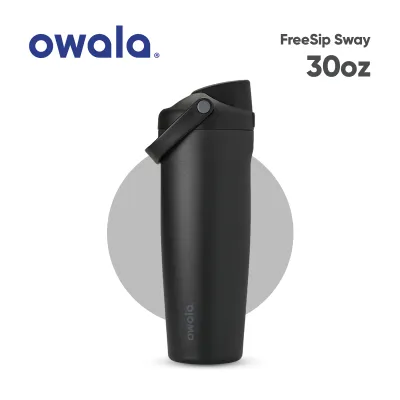
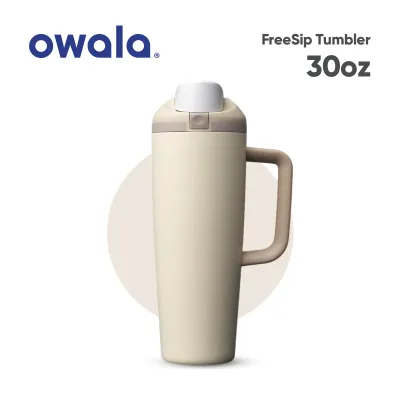
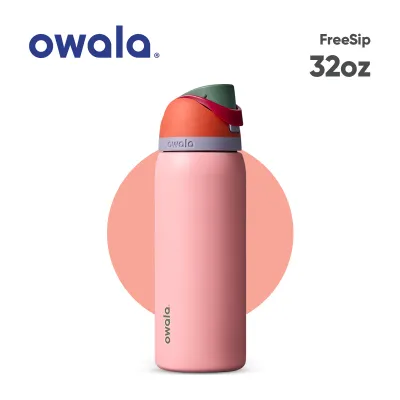
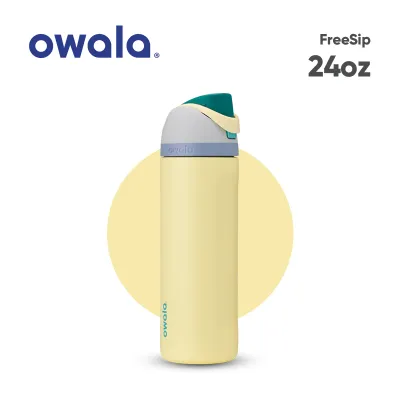
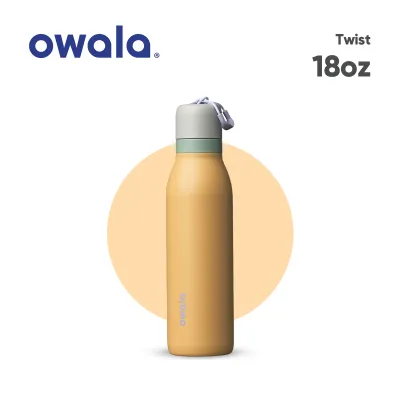
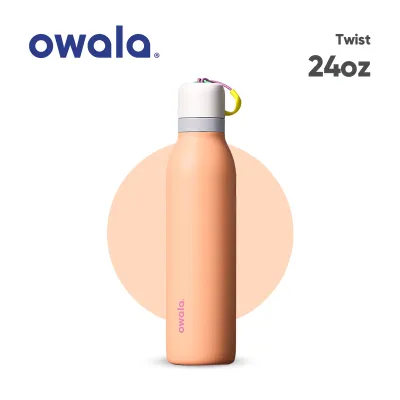
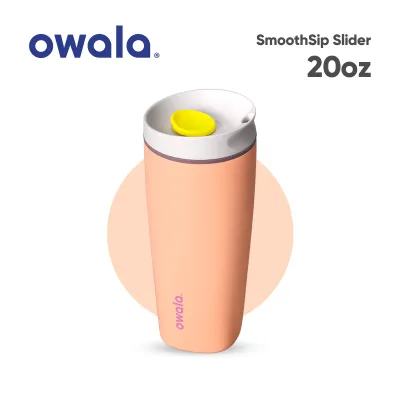
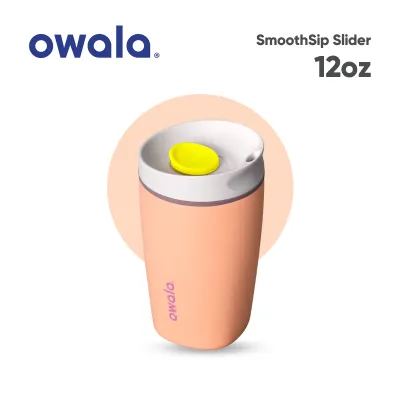
Prices are valid at publication and may change. Please refer to the product page for the latest price.
In contrast, an authentic Owala bottle guarantees completely BPA-free, phthalate-free, and toxin-free materials. The stainless steel used is high-quality, food-grade 18/8 (304) stainless steel, which resists rust and prevents metallic tastes. If you plan to use your bottle daily during outdoor sports or gym sessions, ensuring the safety of the materials in contact with your water is paramount.
Furthermore, authentic bottles feature precise engineering that ensures a completely leak-proof experience. The patented FreeSip lid relies on exact silicone seals and a secure latching mechanism to prevent spills in your gym bag or backpack. Fake bottles frequently fail this basic engineering requirement, leading to messy leaks that can ruin your electronics or sports gear.
Finally, authentic temperature retention relies on a true double-wall vacuum insulation barrier. Fake bottles often lack this vacuum altogether or use cheap single-wall construction, meaning your ice water will warm up within an hour under the Singapore sun. Purchasing authentic gear also secures your access to Owala’s manufacturer warranty, protecting your investment against material and manufacturing defects.
How to Identify the Official Owala Store in Singapore
To avoid the risk of buying a counterfeit, you should always prioritize purchasing from the owala singapore official store or authorized regional distributors. While Owala is a US-based brand, they have established official distribution channels and verified retail partners in Singapore to serve local consumers directly.

When shopping online, the safest starting point is the official Owala global website, which offers direct shipping to Singapore. If you prefer to shop on local e-commerce platforms, look for the official brand store or verified “Mall” badges. However, do not rely solely on these badges, as clever counterfeiters sometimes find ways to list items under confusingly similar shop names. Always double-check that the seller’s profile explicitly lists them as the official distributor or an authorized retail partner.
If you prefer a physical shopping experience where you can inspect the product before buying, visit established sports retailers, major department stores, or specialty lifestyle boutiques in Singapore. Authorized stockists often display the bottles in dedicated brand sections and can provide official receipts that validate your warranty.
Be extremely cautious when browsing unverified third-party listings on online marketplaces or social media classifieds. If a listing offers a brand-new Owala bottle for S$15 to S$25—well below the standard local retail price of S$45 to S$65—it is almost certainly a counterfeit. Genuine promotional sales do occur, but they are run by authorized partners and rarely feature such extreme, unsustainable discounts on highly popular colorways.
Key Differences: Authentic vs. Counterfeit Owala Bottles
If you have already purchased a bottle or are inspecting one in a physical shop, several physical markers can help you distinguish an authentic Owala from a counterfeit. Paying close attention to these details will save you from using a substandard product.
Packaging and Documentation
The first point of inspection is the packaging. Authentic Owala bottles are shipped in high-quality, sturdy cardboard packaging designed to protect the bottle during transit. The printing on the box or sleeve is crisp, with vibrant colors, perfectly aligned text, and accurate brand logos.
In contrast, counterfeit packaging is often made of flimsy, easily crushed cardboard. The printed text on fake boxes may appear blurry, have slight color bleeding, or feature obvious typographical errors and awkward English translations.
Additionally, authentic bottles come with high-quality care instruction tags and warning labels attached securely to the bottle. These tags use thick paper and clear, legible fonts. Counterfeits often omit these tags entirely, use cheap, thin paper, or display poorly formatted safety warnings.
Build Quality, Materials, and Finish
The physical construction of the bottle provides immediate clues about its authenticity. The hallmark of the Owala brand is the patented FreeSip lid mechanism, which requires precise manufacturing to function correctly.
- The Lid and Spout: On an authentic bottle, the push-button mechanism operates smoothly with a satisfying click, and the metal carry loop snaps securely over the button to lock it. The silicone seals inside the lid are perfectly molded, thick, and fit snugly without any gaps. On a counterfeit, the button may feel stiff, squeaky, or loose, and the plastic edges around the spout often have rough, unfinished seams that can scratch your lips.
- The Exterior Finish: Authentic Owala bottles feature a durable, evenly applied powder-coated finish that provides a comfortable grip and resists chipping. The colors are vibrant and match the official colorway charts exactly. Fake bottles often have a slick, overly glossy paint finish that feels cheap, chips easily under light pressure, or shows uneven paint lines near the stainless steel collar.
- Weight and Insulation: Authentic double-wall vacuum-insulated stainless steel bottles have a distinct, balanced weight. If you hold an empty counterfeit bottle, it may feel unusually light because it lacks the necessary internal vacuum barrier or uses thinner, cheaper metals.
Logos, Branding, and Base Details
Examining the branding elements is one of the most reliable ways to spot a fake. Counterfeiters frequently struggle to replicate the precise laser-etching and molding processes used by the official manufacturer.
- The Logo: Check the Owala logo printed on the side of the bottle. On an authentic product, the font is clean, the spacing between letters is perfectly even, and the logo is printed straight. Fake bottles often feature slightly distorted fonts, uneven letter spacing, or misaligned logos that sit at a slight angle.
- The Base Markings: Turn the bottle upside down to inspect the base. Authentic Owala bottles feature clear, high-precision laser-etched or molded markings on the bottom. These markings typically state the brand name, the bottle's capacity in ounces and milliliters, the material composition (such as "18/8 Stainless Steel" and "BPA Free"), and patent details. Counterfeits often have shallow, messy, or completely missing base stamps. If the text on the bottom is barely legible or contains spelling mistakes, the bottle is fake.
Step-by-Step Verification Methods Before and After Purchase
To protect yourself when shopping, follow these systematic verification steps before committing to a purchase and immediately after receiving your bottle.
Pre-Purchase Verification Steps:
- Analyze the Seller Profile: Check the seller’s overall rating, history, and physical location. Avoid sellers who have only been active for a few weeks or have a high volume of negative reviews.
- Scrutinize Buyer Reviews: Look closely at the negative reviews on the listing. If multiple buyers mention issues like "leaks constantly," "does not keep water cold," or "feels like cheap plastic," treat these as major red flags. Pay special attention to uploaded buyer photos to see if they match the authentic details described above.
- Verify the Price Point: Compare the listed price against the official retail price. If the deal seems too good to be true, it is highly likely a counterfeit.
Post-Purchase Physical Verification Tests:
- Perform a Leak Test: Fill your new bottle with water, close the lid securely, lock the metal loop, and turn the bottle upside down over a sink. Shake it gently. An authentic Owala bottle is engineered to be completely leak-proof. If water drips from the spout, the vent hole, or the collar, the seals are defective or the bottle is a counterfeit.
- Conduct a Temperature Retention Test: Fill the bottle with ice-cold water and leave it in a warm room (or outdoors in Singapore's humid climate) for several hours. An authentic vacuum-insulated bottle will not sweat; the exterior stainless steel wall should remain dry and at room temperature. If the outside of the bottle feels cold to the touch or develops heavy condensation, the vacuum seal is non-existent, confirming a fake.
- Perform a Magnet Test: Use a kitchen magnet to check the stainless steel quality. High-quality 18/8 food-grade stainless steel is generally non-magnetic or only very weakly magnetic. If a magnet clings strongly to the outer walls of the bottle, it indicates the use of cheaper, lower-grade steel alloys that are prone to rusting and chemical leaching.
- Reach Out to Official Support: If you remain unsure about your bottle's authenticity, take clear, well-lit photos of the lid, the base markings, the logo, and your purchase receipt. Email these details to Owala's official customer support team. They can cross-reference the manufacturing details and confirm whether your product is genuine.
What to Do If You Suspect a Counterfeit Purchase
If your physical checks or performance tests lead you to believe you have purchased a counterfeit Owala bottle, you must take immediate action to protect both your health and your consumer rights.
First, stop using the bottle immediately. Because counterfeit manufacturers do not adhere to food safety regulations, using a fake bottle exposes you to potential chemical contamination from untested plastics and heavy metals. Do not risk your health for a cheap drinkware item.
Next, document the evidence. Take clear, high-resolution photos of the packaging, the physical flaws, the leaking areas, and any discrepancies in the logos or base markings. If possible, record a short video demonstrating the defect, such as water leaking during the shake test or condensation forming during the temperature test.
Log into the e-commerce platform where you made the purchase and initiate a formal return or refund request. Select the option for “counterfeit item received” or “item not as described.” Upload your documented photo and video evidence along with a clear explanation of why the product is fake. Most reputable platforms have robust buyer protection policies and will freeze the seller’s payout while investigating your claim.
Finally, report the fraudulent seller to the platform to prevent other Singapore consumers from falling victim to the same scam. If the platform or the merchant refuses to cooperate or denies your refund, you can contact the Consumers Association of Singapore (CASE) for advice and assistance in resolving the dispute.
Frequently Asked Questions (FAQ)
Does Owala have a physical flagship store in Singapore?
No, Owala does not currently operate a dedicated, standalone physical flagship store in Singapore. However, you can find their authentic products at authorized physical retail partners, including major department stores, premium sports retailers, and outdoor specialty shops. To find a verified local stockist near you, consult the store locator on the official Owala website.
Can I verify my Owala bottle using a serial number or QR code?
Unlike some electronics or luxury goods, Owala bottles do not typically come with a unique, scannable serial number or QR code for individual consumer authentication. To verify authenticity, you must rely on purchasing from authorized retail channels and performing physical inspections of the lid construction, base markings, and thermal performance.
Are discounted Owala bottles on third-party sites always fake?
Not always, but extreme discounts are a major warning sign. Authorized local retailers may occasionally run seasonal clearance sales or discount older colorways to clear inventory, usually bringing the price down by 10% to 20%. However, if a third-party seller offers current, highly sought-after models at discounts of 50% or more, the product is almost certainly a counterfeit.
Community discussion
Share your experience or ask a question. Comments are reviewed before publication.