
Properly wrapping your hands and wrists with sports tape requires a systematic approach of anchoring the wrist, stabilizing the thumb, protecting the knuckles, and securing the ends with consistent, moderate tension. This physical barrier restricts extreme joint movements to help prevent hyperextension, sprains, and fractures during high-impact training. However, hand wrapping is a preventative measure, not a cure for existing structural injuries, and it cannot replace proper punching technique or professional coaching. If you experience sharp pain, numbness, or joint instability during training, you must stop immediately and consult a medical professional.
In hot and humid climates like Singapore, managing sweat is a critical factor when applying sports tape. High humidity accelerates perspiration, which can quickly degrade tape adhesive, leading to slippage and painful skin chafing if the tape is applied incorrectly. Understanding the mechanics of rigid tape and preparing your skin properly are the first steps to ensuring your hands remain protected throughout your training session.
Why Use Sports Tape and When to Apply It
Rigid sports tape, such as zinc oxide tape, serves a fundamentally different purpose than traditional elastic hand wraps. While elastic wraps provide bulk and general compression to cushion the hand inside a glove, rigid sports tape is non-elastic. It is specifically designed to physically restrict joint movement, preventing the wrist and thumb from bending past their safe structural limits during impact.
Products mentioned in this guide
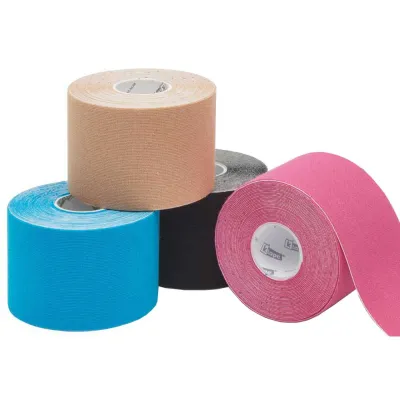
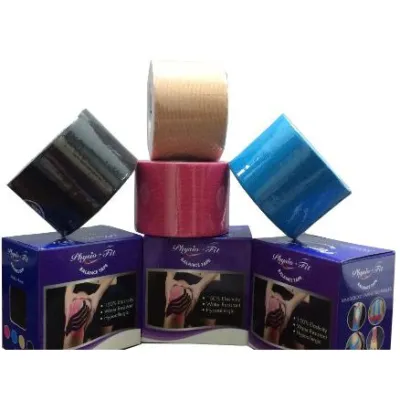
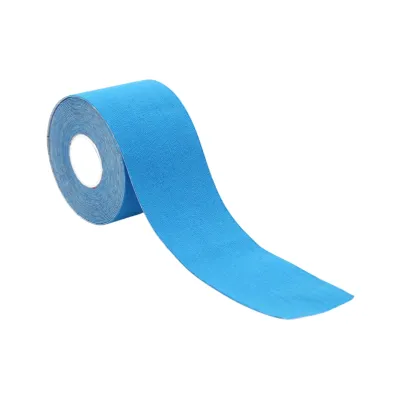
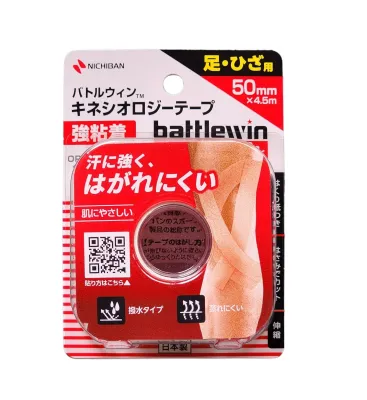
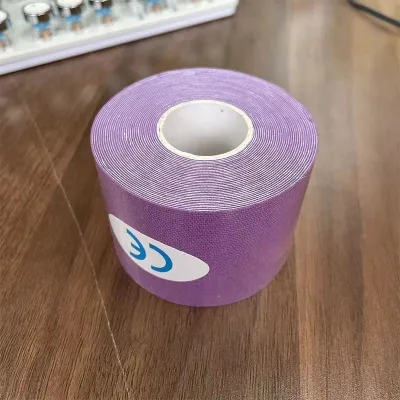
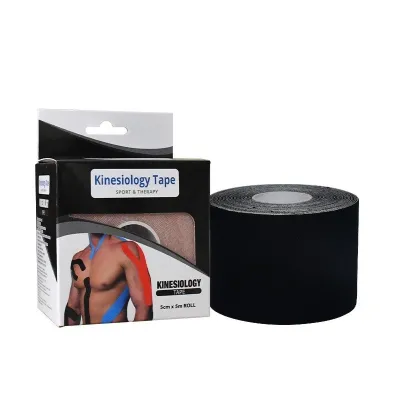
Prices are valid at publication and may change. Please refer to the product page for the latest price.
For many martial artists, sports tape is used as a supplementary layer of defense. You can apply it directly to the skin under your traditional cloth wraps to target specific weak points, or use it over your wraps to lock the wrist joint in place. This dual-layer approach is highly beneficial during heavy bag work, hard sparring, or when transitioning to smaller gloves used in mixed martial arts.
Deciding when to use sports tape depends on your training intensity and personal joint history. If you are executing high-volume power punches or recovering from a minor, cleared joint strain, the added rigidity of sports tape is highly recommended. However, for light technical drilling or speed bag work, traditional wraps alone are usually sufficient, allowing your hand muscles to work through a natural range of motion.
Essential Gear and Preparation Before Wrapping
Selecting the right tape width and material is crucial for a secure fit. Standard cotton zinc oxide tape is the preferred choice for combat sports because of its high tensile strength and skin-friendly adhesive. For most men’s hands, a tape width of 1.5 inches (approximately 3.8 cm) is ideal for the wrist and knuckles, while a narrower 1-inch (approximately 2.5 cm) tape allows for more precise wrapping around the thumb and between the fingers.

Before applying any tape, inspect your skin thoroughly. Ensure your hands are clean, completely dry, and free of any open cuts, scrapes, or fresh abrasions. If you have sensitive skin or dense body hair, applying tape directly to the skin can cause irritation or painful hair removal; in these cases, using a thin layer of foam pre-wrap or a skin barrier spray is highly recommended.
Always keep a pair of blunt-nosed safety scissors nearby. These specialized taping scissors feature a flat, blunt lower blade that slides easily under tight tape without puncturing or scratching your skin. Having the right tools on hand ensures you can remove the tape quickly and safely once your training session is complete.
Step-by-Step Guide to Taping Your Wrists and Hands
To achieve optimal support, you must follow a logical progression that starts at the wrist, moves to the thumb, covers the knuckles, and finishes with a secure lock. Throughout this process, keep your hand in an active, natural posture with your fingers slightly spread and your wrist straight. Avoid clenching your fist while applying the tape, as this will cause the wrap to become restrictively tight when you open your hand.
Securing the Wrist
Start by positioning your wrist in a neutral, straight line that aligns perfectly with your forearm. This neutral alignment mimics the exact position your wrist should maintain upon impact, preventing dangerous bending or twisting when landing a punch.
Place the end of the tape on the inside of your wrist and wrap it around the joint three to four times. Each wrap should overlap the previous layer by about half its width to build a solid, supportive cuff. Apply the tape smoothly onto the skin with light, even tension; do not pull or stretch the tape tightly from the roll, as non-elastic tape can easily constrict blood flow if applied with too much force.
Once the wrist anchor is complete, perform a mandatory circulation check. Press firmly on your fingernails and release; the color should return to a healthy pink within two seconds. If your fingers feel cold, begin to tingle, or look pale, peel the tape off immediately and reapply it with less tension.
Taping the Thumb and Knuckles
To protect the thumb from hyperextension, use a figure-eight technique often called a thumb spica. Run the tape from the outer wrist anchor, up across the back of the hand, and loop it gently around the base of the thumb joint. Bring the tape back down across the palm to the inner wrist, completing the figure-eight. Repeat this loop twice to lock the thumb in a secure, neutral position.
Next, transition to the knuckles by running the tape from the wrist up to the hand. Lay three to four horizontal strips across your knuckle line to provide a flat surface that protects against friction and minor impacts. To prevent the tape from binding, ensure your fingers remain slightly spread during this step. You can also fold a strip of tape back on itself to create a padded cushion, placing it over the knuckles before securing it with cross-strips.
Verify that you can still comfortably close your hand into a tight fist. The tape should feel firm and supportive across your knuckles and thumb, but it must not pinch the skin or dig painfully into your palm.
Locking the Tape and Final Checks
Bring the tape back down to the wrist anchor and cut it cleanly with your safety scissors. Press the loose end firmly against the underlying layers to secure it. For added security, apply a final, short strip of tape over the seam to prevent the edges from peeling up during training. Never use safety pins, metal clips, or rigid plastic fasteners to secure the tape, as these can break and cause severe injuries to you or your training partners.
Perform the fist-clenching test by opening and closing your hand tightly ten times. The tape should remain flat against your skin without bunching up, sliding down your wrist, or cutting into the webbing between your fingers.
Finally, gently rotate your wrist to verify its range of motion. You should feel a clear, physical restriction that prevents your wrist from bending excessively in any direction, while still allowing you to execute basic punching mechanics comfortably. If the tape feels so restrictive that it alters your natural punching form, it is too tight and must be adjusted before you begin training.
Common Taping Mistakes and How to Avoid Them
Wrapping too tightly is the most common mistake made by beginners. Because rigid sports tape does not stretch, it cannot accommodate the natural muscle expansion that occurs when your hands warm up during exercise. Overly tight tape compresses nerves and restricts arterial blood flow, leading to rapid hand fatigue, severe cramping, or numbness. Always lay the tape flat onto the skin rather than pulling it taut as you wrap.
Conversely, wrapping too loosely defeats the purpose of using sports tape. If the tape is applied with insufficient tension, it will quickly lose its structural integrity once you begin to sweat. Loose tape slides around inside your gloves, bunching up into uncomfortable ridges that cause friction blisters, while leaving your joints completely unsupported during heavy impacts.
Neglecting skin preparation is another frequent error that leads to tape failure. Applying adhesive tape directly to sweaty, dirty, or oily skin prevents the adhesive from bonding properly, causing the wrap to unravel mid-workout. Furthermore, trapping dirt and sweat under the adhesive increases the risk of skin irritation and makes the tape much more difficult and painful to remove afterward.
Safe Removal and Skin Care After Training
Never rip sports tape off your hands quickly or violently. Doing so can peel away the top layers of your skin, resulting in painful abrasions and increased sensitivity. Instead, use your blunt-nosed safety scissors to carefully cut the tape along the side of your wrist and hand, moving in the direction of hair growth. If you must peel it by hand, lift a corner and pull the tape back slowly and flat against the skin.
After removing the tape, wash your hands thoroughly with warm water and a mild, moisturizing soap to remove any adhesive residue. If the residue is stubborn, apply a small amount of baby oil or a dedicated medical adhesive remover to a cotton pad and gently wipe the skin clean. Avoid scrubbing the skin harshly, as it may already be sensitive from the friction of training.
Inspect your hands and wrists for any signs of redness, hives, or localized swelling, which can indicate an allergic reaction to the tape’s adhesive. If you notice persistent skin irritation, stop using that specific brand of tape immediately. Switch to a hypoallergenic or latex-free alternative, and consult a healthcare professional if the irritation does not subside within a few days.
Frequently Asked Questions (FAQ)
Can I use sports tape instead of traditional hand wraps?
Traditional elastic hand wraps are designed for overall hand compression and shock absorption, making them essential for heavy bag work and sparring. Rigid sports tape is designed specifically for targeted joint stabilization and restriction. While you can use sports tape alone for light technical drilling or speed bag work where impact forces are minimal, it should not completely replace traditional wraps during heavy impact training unless used in combination with them to reinforce specific joints.
How long does sports tape stay sticky during a heavy sweat session?
High-quality zinc oxide sports tape can maintain its adhesion for a full two-hour training session, even in hot and humid climates. However, its longevity depends heavily on initial skin preparation. To maximize stickiness, ensure your hands are completely dry and clean before application, avoid touching the adhesive side of the tape repeatedly with your fingers, and apply the tape firmly to ensure a strong initial bond.
Is it safe to reuse sports tape for multiple training sessions?
No, sports tape is strictly a single-use item. Once applied and stretched during training, the cotton fibers lose their structural rigidity, and the adhesive backing degrades significantly upon removal. Reusing tape will not provide the necessary joint support, increasing your risk of injury. Additionally, used tape accumulates sweat, dead skin cells, and bacteria, creating an unhygienic environment that can lead to skin infections if reapplied.
Community discussion
Share your experience or ask a question. Comments are reviewed before publication.