
To protect your hands during intense striking workouts, you must learn how to wrap your hands correctly. Hand wraps are not just a traditional ritual; they are a vital safety barrier that shields your hands from the extreme forces generated during impact.
The human hand consists of 27 small bones, numerous delicate joints, and complex connective tissues that are not naturally designed to absorb repeated heavy impacts against a punching bag or focus mitts. When you land a punch, the shock travels directly through these small structures. Without proper support, the metacarpal bones can easily fracture—an injury so common it is widely known as a “boxer’s fracture.”
Using high-quality hand wraps serves three primary objectives: protecting your knuckles from direct abrasion and bruising, stabilizing your wrist joint to prevent hyperextension, and securing your thumb to minimize the risk of painful sprains. By binding these structures together, wraps unify your hand into a single, solid block, distributing the force of each impact across a much larger surface area.
Products mentioned in this guide
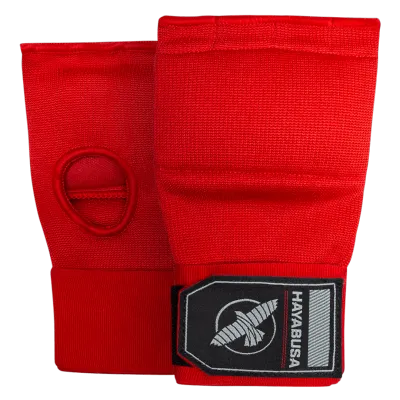
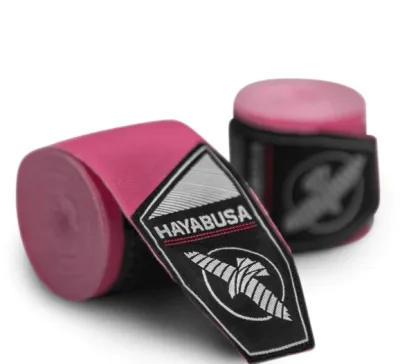
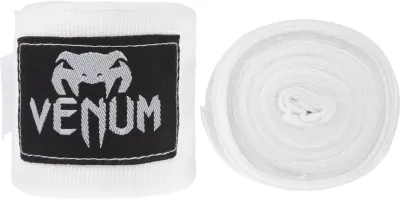
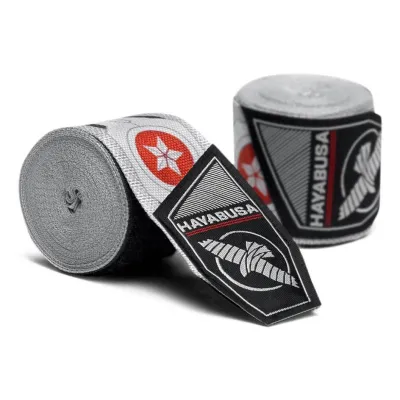
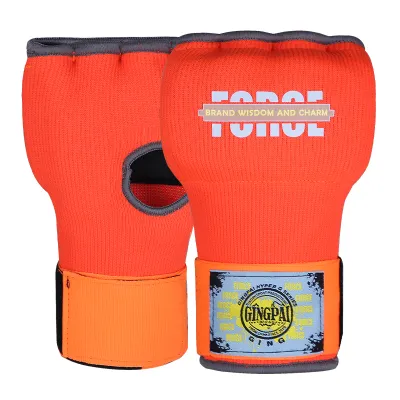
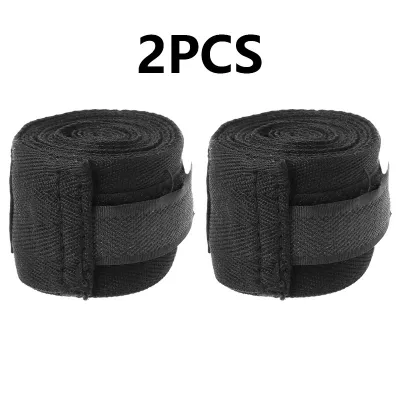
Prices are valid at publication and may change. Please refer to the product page for the latest price.
It is crucial to understand that even the best wrap job cannot replace proper punching technique or high-quality boxing gloves. Instead, wraps act as the foundational layer that fills the empty space inside your gloves, ensuring a secure fit and preventing your hand from shifting during training. Whether you are training in a high-intensity boxing gym or a traditional Muay Thai camp, taking the time to wrap your hands correctly is the first step toward preventing long-term injuries.
What You Need Before You Start: Choosing the Right Hand Wraps
Before you begin the wrapping process, you need to select the right equipment for your hand size and training style. For most adults, a standard 180-inch (approximately 4.5-meter) semi-elastic wrap is the industry standard. Often referred to as “Mexican-style” wraps, these offer a slight stretch that conforms to the unique contours of your hand, providing a secure fit without cutting off your circulation.
If you have smaller hands or are fitting into compact, low-profile gloves, a shorter 120-inch (3-meter) wrap may be more appropriate. Shorter wraps prevent excess bulk from bunching up inside the glove, which can cause discomfort and make it difficult to close your fist properly.
In Singapore’s hot and humid tropical climate, choosing breathable cotton-blend materials is highly recommended. Gyms here are often fan-ventilated or open-air, meaning you will sweat heavily during warm-ups. Breathable wraps help manage moisture, keeping your hands dry and reducing the risk of skin irritation or slipping inside your gloves.
To prepare for wrapping, ensure your hands are completely clean and dry. Unroll your wrap entirely to remove any twists or folds. Locate the thumb loop at one end and identify the “This Side Down” or “This Side Up” print near the loop. Laying this side correctly against your skin ensures that the Velcro fastener at the opposite end will face the right direction when you finish.
Step-by-Step Hand Wrapping Technique
This standard wrapping method is designed to provide a balanced distribution of support, offering robust wrist stability, deep knuckle padding, and secure thumb protection without sacrificing hand mobility. It is highly versatile and suitable for both beginners and experienced martial artists.

As you follow these steps, focus on keeping the fabric completely flat against your skin. Avoid letting the material twist or bunch up, as even a minor fold can create a hard ridge inside your glove, leading to painful pressure points, blisters, or bruising during a long training session.
Maintain a relaxed, open hand with your fingers slightly spread throughout the entire process. If you wrap your hand while making a tight fist, the wrap will become painfully tight and restrict your movement once you open your hand. Keeping your fingers spread ensures the wrap has just enough give to accommodate your hand’s natural expansion when you close your fist to strike.
Step 1: Anchor the Thumb and Secure the Wrist
Begin by slipping your thumb through the loop, ensuring the strap runs across the back of your hand rather than across your palm. Starting across the back of the hand is a crucial technical detail; it ensures that when you make a fist, the wrap naturally tightens rather than pulls loose.
From the thumb, pull the wrap diagonally down to the base of your wrist. Wrap the material around your wrist two to three times, depending on the length of your wrap and the level of support you prefer. The wrist wraps should overlap by about half the width of the band to create a solid, unified cuff.
Keep your wrist in a straight, neutral position during this phase. Do not bend your wrist forward or backward while wrapping, as you want the fabric to reinforce the joint in its natural, anatomically correct striking alignment.
Be careful not to pull the wrap too tightly at this stage. The goal is to create a firm, supportive base, not a tight band that constricts blood flow. If you feel a throbbing sensation in your wrist or hand, loosen the wrap slightly before moving on to the next step.
Step 2: Wrap the Knuckles and Palm
Once your wrist is secure, bring the wrap diagonally up across the back of your hand to the outer edge of your pinky finger. Pull the material straight across your knuckles to the index finger, then wrap around the knuckle line two to three times.
Ensure the wrap sits directly over your primary striking knuckles rather than slipping down onto your fingers or back onto your hand. This creates a thick, protective pad that will absorb the direct impact of your punches.
After securing the knuckles, bring the wrap diagonally down across your palm back to the base of your wrist. From the wrist, bring the wrap up and loop it once around your thumb. This anchor loop stabilizes the thumb joint, preventing it from bending backward if you land an awkward punch.
To complete this phase, bring the wrap back down to your wrist. This diagonal crossing action creates the first half of an “X” pattern on the back of your hand. This pattern is essential for reinforcing the metacarpal bones, binding them together to prevent lateral shifting under impact.
Step 3: Lock the Wrist and Finish
From the wrist, bring the wrap up between your pinky and ring finger, running it diagonally across your palm. Loop it over the knuckles and bring it back down to the wrist. Repeat this process between each finger—first between the ring and middle fingers, then between the middle and index fingers.
These finger loops, often called “fingers” or “anchors,” secure the knuckle padding in place, preventing it from sliding back during heavy training. After each finger loop, always bring the wrap back down to the wrist to maintain structural integrity.
Use any remaining length of the wrap to add extra layers around your wrist or across your knuckles, depending on your personal preference. If you suffer from wrist instability, focus the remaining material around the joint; if you want more impact absorption, add another layer over the knuckles.
Finish by wrapping the remaining material flat around your wrist and securing the Velcro strap. Ensure the Velcro sits completely flat and is centered on your wrist joint. Never let the rough Velcro edge overlap onto your hand or touch your skin directly, as this will cause severe chafing and discomfort inside your boxing gloves.
Step 4: Secure the Velcro and Check the Fit
Once the Velcro is secured, take a moment to inspect your work. The wrap should feel smooth, flat, and free of any obvious lumps or twists. The wrist should feel highly stable, resisting excessive bending while still allowing a tiny amount of natural movement.
Slowly close your hand into a tight fist. The wrap should feel snug and supportive, locking your knuckles and wrist into a solid unit. When you open your hand, the material should relax slightly, allowing your fingers to extend without painful resistance or a feeling of extreme tightness.
Check your thumb mobility to ensure you can still move it freely. Maintaining thumb flexibility is particularly critical for Muay Thai practitioners, who need to be able to open their hands to catch kicks, execute active clinching, or grab their opponent’s arms during sparring.
Common Wrapping Mistakes and How to Avoid Them
- Wrapping too tightly: This is the most common mistake among beginners. Excessive tension restricts blood flow, leading to cold fingers, numbness, or cramping mid-workout. Your wraps should feel like a firm, supportive hug rather than a tight tourniquet. If your fingers start to tingle, unwrap immediately.
- Wrapping too loosely: If you do not apply enough tension, the wrap will quickly unravel or bunch up inside your glove. Loose wraps fail to stabilize the wrist or protect the knuckles, leaving you vulnerable to sprains and joint hyperextension. The material will also shift, causing friction blisters on your skin.
- Twisting the material: Allowing the wrap to twist creates thick, rope-like ridges. When you put on a tight boxing glove and punch a heavy bag, these ridges press hard into your skin, causing painful bruising and blisters. Always take the time to flatten out the wrap as you go.
- Ignoring the thumb: Some practitioners skip wrapping the thumb entirely or wrap it so tightly to the index finger that it loses all mobility. A loose thumb is highly susceptible to catching on an opponent's glove or a training pad, leading to severe sprains or hyperextension. Always use a dedicated loop to secure it safely.
How to Check If Your Wraps Are Too Tight or Too Loose
Before you put on your boxing gloves and step onto the mats, perform a quick three-point check to verify the safety and effectiveness of your wrap job. This simple routine ensures you do not have to interrupt your training session to re-wrap your hands.
First, inspect your fingertips for any signs of restricted circulation. Look for color changes (such as pale or bluish skin), feel if your fingertips are unusually cold compared to your arms, or check for a tingling, pins-and-needles sensation. These are immediate indicators that the wrap is too tight.
Second, test the tension by opening and closing your fist five times. The wrap should feel comfortably snug when your fist is clenched, but your hand should not feel strangled or painful when fully open. You should be able to make a complete fist without forcing your fingers.
Stop condition: If you experience any numbness, throbbing, or sharp pain in your wrist or hand, you must unwrap your hands immediately. Do not attempt to “push through” circulation issues or minor discomfort during your workout. Continuing to train with restricted blood flow can lead to temporary nerve compression and severe hand fatigue. Take the wraps off, shake out your hands to restore circulation, and re-wrap with lighter, more even tension.
Frequently Asked Questions (FAQ)
How often should I wash my hand wraps?
You should wash your hand wraps after every two to three training sessions to prevent the buildup of sweat, body oils, and bacteria. In Singapore’s humid climate, damp wraps left in a gym bag can quickly develop mold and unpleasant odors.
To wash them, place the wraps inside a mesh laundry bag before throwing them into the washing machine. This prevents them from tangling around the washing machine’s agitator or wrapping tightly around your other clothes.
Wash the wraps in cold water using a mild detergent, and always hang them up to air dry. Avoid using a clothes dryer, as the high heat can warp the elastic fibers in semi-elastic wraps and degrade the adhesive strength of the Velcro fasteners.
Can I use the exact same wrapping technique for both boxing and Muay Thai?
Yes, the fundamental wrapping technique remains highly effective for both sports, as the primary anatomical requirement of protecting the wrist joints and knuckles is identical. However, you can make minor adjustments based on the specific demands of each martial art.
Muay Thai practitioners often prefer a slightly thinner wrap job around the palm and wrist to allow for greater hand flexibility. This flexibility is essential for executing the clinch, catching kicks, and grappling.
In contrast, pure boxers often prioritize maximum wrist rigidity and dense knuckle padding. Since boxing involves high-volume, repetitive punching on heavy bags and focus pads without any grappling, a stiffer wrap is ideal for preventing wrist fatigue.
Community discussion
Share your experience or ask a question. Comments are reviewed before publication.