
Proper hand wrapping is the most critical step a boxer takes before putting on gloves. While boxing gloves provide external cushioning, they cannot prevent the delicate bones in your hands from shifting upon impact. Wrapping your hands correctly creates a cohesive, protective unit that stabilizes the knuckles, fingers, and wrist, drastically reducing the risk of acute fractures and chronic joint wear.
To protect your fingers and knuckles effectively, you must learn to apply a structured finger bandage technique using your hand wraps. This method secures each individual finger joint, cushions the primary striking surface, and anchors the entire structure to your wrist. By mastering this process, you ensure your hands remain safe, allowing you to focus entirely on your training and technique.
Why Proper Finger and Knuckle Protection Matters in Boxing
The human hand is an intricate structure composed of 27 small bones, including the metacarpals in the palm and the phalanges in the fingers. These bones are connected by a complex network of joints, ligaments, and tendons that are not naturally designed to absorb the repetitive, high-velocity impact of boxing. When you land a punch, the force travels directly through these delicate structures, making them highly vulnerable to misalignment, bruising, and fractures.
Products mentioned in this guide
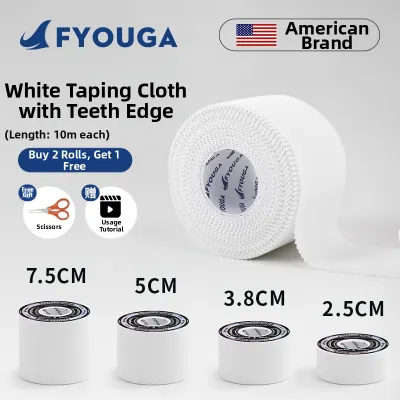
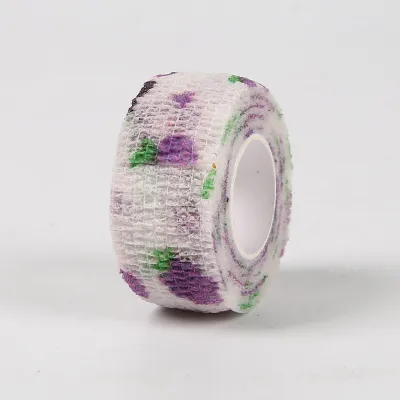
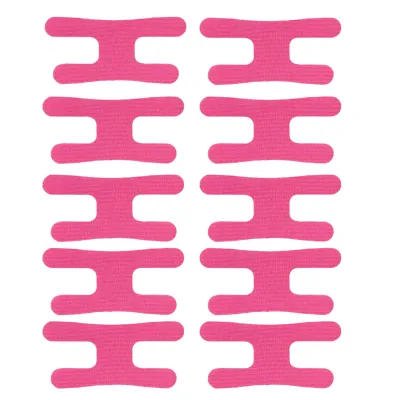
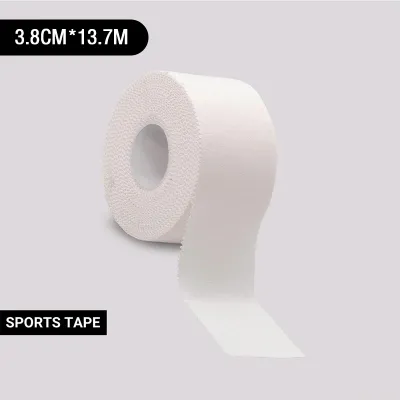
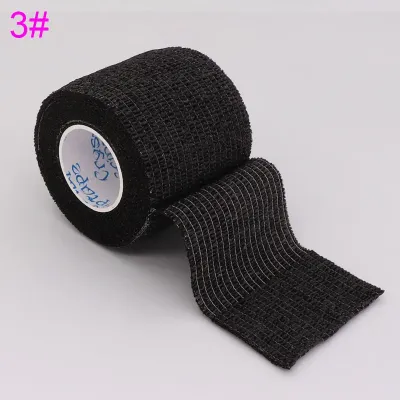
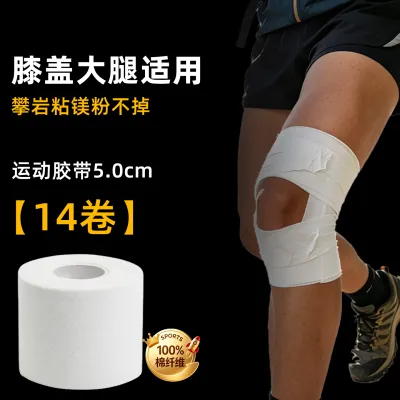
Prices are valid at publication and may change. Please refer to the product page for the latest price.
While modern boxing gloves offer substantial padding, they are primarily designed to cushion the impact for both you and your training partner. Gloves do not prevent the individual bones of your hand from compressing or sliding against one another. Without the internal support of a hand wrap, the force of a punch can cause the metacarpal bones to spread apart or collapse, leading to painful injuries such as a boxer’s fracture.
Hand wraps function as a supportive splint for your hand. By tightly binding the hand together, the wrap distributes the impact force across the entire structure rather than letting a single knuckle or finger bear the brunt of the blow. This collective stabilization keeps your joints aligned and prevents hyperextension of the fingers and wrist during heavy bag work or sparring.
It is important to remember that protective equipment is only effective when your hands are healthy. If you experience persistent pain, swelling, or stiffness in your fingers or knuckles, do not attempt to wrap through the discomfort. Stop training immediately and seek professional medical advice to ensure you do not worsen an underlying injury.
Choosing the Right Hand Wrap for Finger Support
Selecting the correct hand wrap is essential for achieving adequate finger and knuckle coverage. Hand wraps generally come in two primary lengths: short wraps (around 120 inches) and standard long wraps (around 180 inches). For proper finger protection, standard 180-inch wraps are highly recommended, as they provide the necessary length to weave between each finger and build a thick protective pad over the knuckles.

Short wraps often run out of material before you can complete the finger-weaving process, forcing you to compromise on either wrist stability or knuckle padding. Using a full-length wrap ensures you have enough fabric to create a dedicated finger bandage layer without leaving other areas of your hand vulnerable.
- Elastic (Mexican-Style) Wraps: Made from a blend of cotton and spandex, these wraps offer a slight stretch. They conform easily to the contours of your fingers and hand, maintaining consistent tension without slipping during movement.
- Traditional Cotton Wraps: These are thicker and have no stretch. While they offer rigid support, they require precise application to prevent bunching and can easily cut off circulation if pulled too tight.
- Gauze Wraps: Often used by professionals, these offer highly customized protection but are designed for single-use and typically require athletic tape to secure.
Before every training session, inspect the condition of your wraps. Over time, wraps lose their elasticity, the edges may fray, and the hook-and-loop closures can weaken. If your wraps feel stiff, stretched out, or fail to hold their tension, they will not provide reliable support and should be replaced immediately.
Step-by-Step Guide to Wrapping Your Hands for Finger Protection
Wrapping your hands is a systematic process that requires patience and attention to detail. The goal is to create a secure, comfortable barrier that supports your hand’s natural structure without restricting your movement or blood flow.
Throughout the wrapping process, keep your hand relaxed and your fingers slightly spread. If you wrap your hands with a tightly clenched fist or with your fingers pressed close together, the wrap will become painfully tight and restrictive once you begin training. Maintaining a slightly open hand shape ensures the wrap remains comfortable when you close your fist to punch.
Securing the Wrist and Thumb Anchor
Every secure wrap begins with a solid foundation at the wrist and thumb. Start by placing your hand palm down with your fingers spread. Locate the thumb loop on your wrap and slip it over your thumb, ensuring the material runs across the back of your hand rather than your palm. This direction is crucial, as it prevents the wrap from pulling loose when you make a fist.
Pull the wrap diagonally across the back of your hand down to your wrist. Wrap the material around your wrist three to four times, keeping the tension firm but comfortable. The wrist joint must be aligned straight with your forearm; do not bend your wrist while wrapping, as this will lock it into an improper, injury-prone position.
Next, bring the wrap up from the wrist and route it once around your thumb. This anchor loop locks the starting point of the wrap in place. Check that the material lies flat against the skin and does not dig into the web of your thumb, which can cause painful chafing during training.
Building the Finger Bandage and Knuckle Padding
With the wrist and thumb secured, you can now build the protective finger bandage layers. Bring the wrap from the thumb back down to the wrist, then pull it diagonally across the back of your hand to the space between your pinky and ring finger. Weave the wrap through this gap, routing it down toward your palm and back around the wrist to anchor it.
Repeat this weaving process for the remaining fingers. Bring the wrap up from the wrist, pass it between your ring and middle finger, and anchor it back at the wrist. Finally, bring it up and pass it between your middle and index finger, returning once more to the wrist. This individual weaving separates your fingers, preventing them from rubbing together and absorbing lateral impact forces.
After securing the fingers, bring the wrap up to the knuckles. Layer the material over your primary striking knuckles three to four times to build a thick, shock-absorbing pad. Ensure the padding covers the metacarpophalangeal joints evenly, without allowing the fabric to bunch up in your palm, which would prevent you from closing your hand fully.
Locking the Wrap and Final Adjustments
Once your knuckles and fingers are fully padded, you must lock the entire structure in place. Bring the wrap diagonally across the back of your hand, crossing over the previous layers to form an “X” pattern. This cross-wrapping secures the finger bandage layers and prevents them from shifting during impact.
Route the remaining material back down to your wrist. Wrap it around your wrist one or two more times to use up the remaining length, ensuring the hook-and-loop closure sits flat against your wrist. The closure must be secure and aligned so it does not catch on the inner lining of your boxing gloves.
Slowly close your hand into a fist to test the fit. The wrap should feel snug and supportive over your knuckles and fingers, with no loose fabric or tight pressure points. If the wrap feels too restrictive or causes discomfort, unwrap your hand and start over with lighter tension.
Common Wrapping Mistakes That Leave Fingers Vulnerable
Even experienced boxers can fall into bad habits that compromise their hand safety. Recognizing these common mistakes will help you maintain proper technique and protect your fingers from avoidable injuries.
- Wrapping Too Tightly: Applying the wrap with excessive tension is a common error. This restricts blood circulation, leading to numbness, tingling, or cold fingertips during your workout. If you experience any of these symptoms, remove the wraps immediately to restore blood flow.
- Skipping the Finger Weave: Simply wrapping the material around the outside of your hand without weaving between the fingers leaves your knuckles vulnerable. Without the finger bandage layers, your fingers can compress laterally upon impact, increasing the risk of joint sprains.
- Twisting the Material: Allowing the wrap to twist or bunch up creates thick, hard ridges. These ridges act as localized pressure points under your glove, which can cause painful bruising, skin irritation, or uneven force distribution.
- Neglecting Wrist Support: Focusing entirely on the knuckles while leaving the wrist loose is a recipe for injury. A weak wrist anchor allows the joint to bend unexpectedly upon impact, leading to severe sprains.
How to Check if Your Hand Wrap is Secure and Safe
Before you put on your boxing gloves, perform a few quick physical checks to confirm that your hand wraps are correctly applied and ready for training.
First, perform the “make a fist” test. When your hand is open and relaxed, the wrap should feel relatively loose and comfortable. When you close your hand into a tight fist, the wrap should instantly tighten, forming a solid, rigid shield over your knuckles and stabilizing your wrist. If the wrap remains loose when you make a fist, it will not provide adequate protection.
Second, check your circulation. Look at your fingertips to ensure they have a healthy, natural color. Press down on one of your fingernails for a few seconds; when you release it, the color should quickly return to pink. If your fingertips feel cold, look pale or blue, or begin to tingle, your wrap is too tight and must be reapplied.
Finally, test your wrist stability and hand mobility. Gently bend your wrist forward and backward; you should feel significant resistance, indicating that the joint is well-supported. At the same time, verify that you can open your hand wide enough to catch a punch or touch your palm, ensuring you maintain the natural dexterity needed for defensive maneuvers.
Frequently Asked Questions (FAQ)
Can I use athletic tape instead of a traditional cloth finger bandage for boxing?
Athletic tape can be used for boxing, but it serves a different purpose than traditional cloth wraps. Traditional cloth wraps are reusable, elastic, and designed to cover the entire hand and wrist quickly. They are ideal for daily training because they are cost-effective and easy to apply.
Athletic tape is non-elastic and is typically applied over gauze by a professional trainer to provide rigid, customized joint stabilization for competition or sparring. Using tape directly on the skin daily can cause skin irritation from the adhesive and is not cost-effective. For regular training, stick to high-quality cloth wraps unless you require specific joint immobilization under professional guidance.
How often should I wash my boxing hand wraps to maintain their elasticity?
You should wash your boxing hand wraps after every training session. Sweat, dirt, and bacteria accumulate quickly in the fabric, which can lead to unpleasant odors and skin infections if left unwashed. Regular washing also helps the fabric fibers contract, restoring some of the wrap’s natural elasticity.
To wash your wraps without damaging them, place them inside a mesh laundry bag to prevent them from tangling around other clothes or the washing machine agitator. Use a gentle cycle with mild detergent and air dry them flat. Avoid using a high-heat dryer, as extreme heat degrades the elastic fibers, causing the wraps to lose their supportive properties prematurely.
Community discussion
Share your experience or ask a question. Comments are reviewed before publication.