
A successful half-marathon training run requires consistent access to nutrition and hydration without the distraction of shifting gear. For this specific distance and load, the most critical hydration waist pack features include segmented pocket configurations for multiple energy gels, secure and angled soft flask holsters, and wide, adjustable belt mechanics designed to eliminate bounce. Selecting the right pack depends on matching these structural features to your personal consumption rate and the specific volume of gear you need to carry.
Assessing Your Half-Marathon Nutrition and Hydration Load
To choose the right hydration waist pack, you must first calculate your specific fuel and fluid requirements. A typical half-marathon training run lasting between 90 minutes and two and a half hours demands a structured nutrition strategy. Most runners require one energy gel every 30 to 45 minutes, which translates to three to five gels per long run.
If you plan to use water fountains along your route, you might only need a small volume of water to wash down these gels. However, if you train in hot, humid climates like Singapore, or on isolated paths without public amenities, carrying a dedicated water source becomes essential. High humidity increases your sweat rate, making consistent hydration critical to avoiding muscle cramps.
Products mentioned in this guide
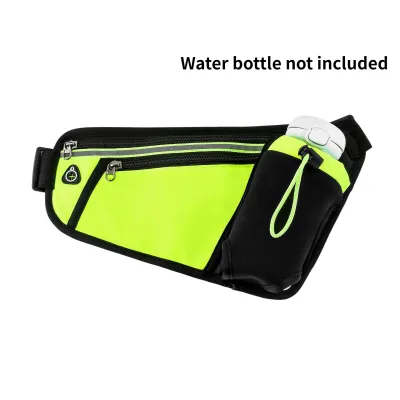
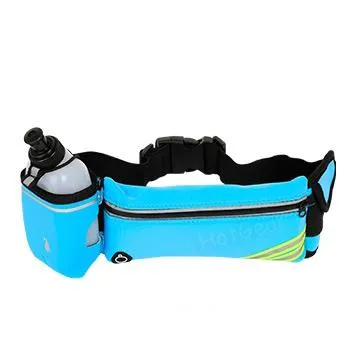
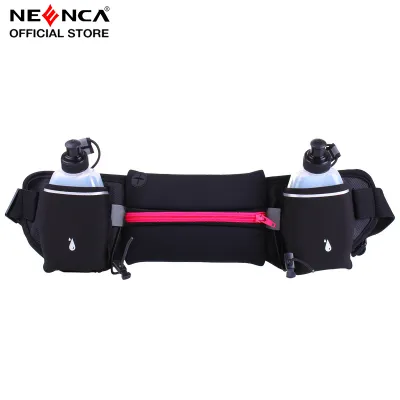
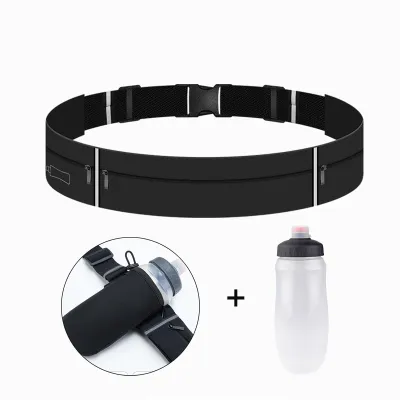
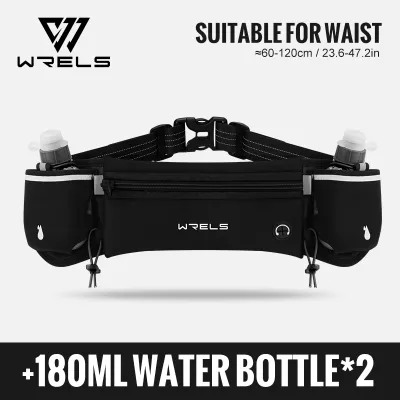
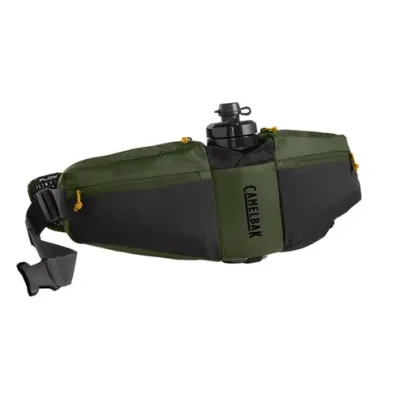
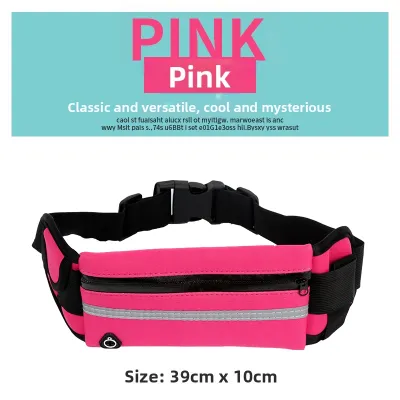
Prices are valid at publication and may change. Please refer to the product page for the latest price.
Determining your fluid needs involves assessing the distance between planned water stops. A standard soft flask carrying 250ml to 500ml of water or electrolyte mix is usually sufficient to bridge the gaps between hydration points. Once you know your exact gel count and flask size, you can calculate the total physical volume your pack must support. This combined load of gels, water, keys, and a mobile phone establishes the minimum pocket dimensions and holster specifications you need to look for before purchasing a pack.
Essential Features for Carrying Multiple Energy Gels
Carrying multiple energy gels requires a pack with smart pocket placement and organization to ensure you can access your nutrition without breaking your running stride. Front and side pockets are highly accessible while moving, allowing you to reach for a gel with one hand. This positioning minimizes the need to twist your torso or slow down your pace.

Rear pockets are excellent for storing items you only need occasionally, but retrieving a gel from the lower back can sometimes disrupt your running posture. Look for packs that distribute storage options across the front and sides of the hips for the most efficient access. Having your nutrition within your natural hand reach reduces mid-run distractions.
The internal structure of the pockets is just as important as their placement. Loose gels stored together in a single large compartment tend to bounce, rub against each other, and can even puncture or tear. Look for waist packs featuring dedicated gel loops, segmented compartments, or flexible stretch-mesh dividers. These features keep each gel upright and separated, preventing them from clumping together or causing discomfort against your waist.
Closure mechanisms also dictate how easily you can access your fuel under fatigue. Zippered pockets offer the highest security for heavy items but can be difficult to operate with sweaty hands while running at pace. Magnetic snaps and elastic tension flaps provide rapid, one-handed access, though they must be tight enough to prevent gels from ejecting when you leap over curbs or run downhill. Inspect the tension of elastic openings to ensure they remain secure when fully loaded.
Soft Flask Compatibility and Hydration Access
Soft flasks are highly favored by long-distance runners because they shrink as you drink, preventing water from sloshing. However, because they lack a rigid structure, they require a holster specifically designed to support their flexible shape. When evaluating a hydration waist pack, verify that the holster’s maximum stretch and depth match the volume of your flask. A holster that is too shallow or loose will allow a half-empty flask to fold over or slip out entirely.
The angle of the holster significantly influences how easily you can retrieve and replace your flask on the move. Angled holsters, typically positioned at 45 degrees across the lower back, align naturally with the reach of your arm, reducing shoulder strain. This ergonomic design allows you to pull the flask out and slide it back in with a single fluid motion.
Look for designs that incorporate quick-release bungee cords or rigid, open-top sleeves. These structural elements allow you to slide the flask back into place with one hand, avoiding the frustration of struggling with a collapsed pocket mid-run. A secure retention system ensures the flask stays put even during high-intensity intervals or steep descents.
Additionally, pay close attention to the interior lining of the hydration compartment. The friction of running can cause keys, cards, or the sharp plastic edges of gel packets to rub against the soft flask. Choose a pack that features an isolated hydration sleeve or a protective inner lining. Keeping your water source physically separated from sharp training essentials prevents micro-punctures that could ruin your hydration strategy.
Bounce Prevention and Fit Adjustability
The primary complaint among runners using waist packs is the annoying vertical and horizontal shifting that occurs when carrying a full load. To eliminate bounce, look for a wide belt design that distributes weight evenly across your iliac crest and hips. Narrow straps tend to dig into the waist and concentrate the load, causing the pack to ride up toward your stomach.
A wider band, especially one featuring a slightly tacky inner grip texture or silicone print, helps lock the pack against your hips. This grip prevents the fabric from sliding against smooth technical running shirts. The material should also be breathable and moisture-wicking to prevent sweat buildup, which can lead to painful chafing over long distances.
Adjustability is crucial because your pack’s weight and volume will change continuously throughout a long run. As you consume your water and gels, the pack becomes lighter and looser, requiring micro-adjustments to maintain a snug fit. Dual-adjust sliders or cam-lock buckle mechanisms allow you to tighten the belt on the fly without stopping. Avoid simple elastic bands that lose their tension over time, as they cannot support a shifting load over several hours of training.
Strategic weight distribution also plays a vital role in stabilizing your gear. A well-designed pack positions the heaviest element—usually the soft flask—centrally at the lower back, close to your center of gravity. Lighter items, such as gels and keys, should be balanced evenly on the sides or front. This balanced configuration prevents the pack from pulling to one side, reducing muscle fatigue and ensuring a natural, symmetrical running gait.
Evaluating Cross-Scenario Versatility
While your immediate focus is half-marathon training, a versatile hydration waist pack should adapt to other running scenarios and race-day conditions. For instance, if you plan to use the pack during an official race, look for integrated race bib toggles. These small elastic loops allow you to attach your race number directly to the belt, saving your running shirt from safety pin damage.
Consider whether the pack’s profile is streamlined enough to wear comfortably under or over a race singlet. A bulky training pack might feel supportive during slow weekend runs, but a lighter, more compressible design is often preferred for race day when aid stations are frequent. Some packs offer modularity, allowing you to remove the flask holster entirely or fold away empty pockets. This flexibility transforms a high-capacity training belt into a minimalist race-day accessory for shorter, faster runs.
Finally, evaluate how the pack performs in different weather conditions. If you train in cooler climates or start your runs before dawn, you may need a pack with external shock cords to carry a discarded lightweight windbreaker or arm sleeves. Choosing a pack with adaptable storage options ensures you can scale your gear up or down, making it a valuable tool for everything from short recovery runs to your final goal race.
Frequently Asked Questions (FAQ)
Can I use a standard running belt instead of a dedicated hydration waist pack?
Standard running belts are designed primarily for flat, lightweight items like a smartphone, a single key, and perhaps one gel. They generally lack the structural reinforcement, wider band, and specialized holsters required to carry a heavy, shifting soft flask. Attempting to load a standard belt with a water flask and multiple gels usually results in severe bouncing, chafing, and sagging, which can disrupt your running form. A dedicated hydration pack is engineered specifically to manage these dynamic loads.
How do I prevent my soft flask from slipping out of the holster?
To secure your soft flask, ensure you use the integrated bungee loop or elastic retention cord designed to hook over the flask’s cap or bite valve. Additionally, squeeze any excess air out of the flask before sealing it, which keeps the water from sloshing and helps the flask maintain a firmer, more predictable shape within the holster. Always verify that the flask is pushed completely to the bottom of the sleeve before you begin running.
Community discussion
Share your experience or ask a question. Comments are reviewed before publication.