
Choosing an insulated sports bottle often comes down to how effectively it maintains cold temperatures during outdoor activities, workouts, or daily commutes. The Hydro Flask 32 oz wide-mouth bottle is a popular benchmark in this category, utilizing double-wall vacuum insulation to minimize heat transfer. When compared to other premium insulated sports bottles, its cold retention performance is highly competitive, though the actual duration your drink stays cold depends heavily on lid design, initial ice volume, and environmental exposure. Rather than offering a universal victory in thermal performance, the Hydro Flask 32 oz distinguishes itself through its specific ecosystem of interchangeable lids, durable powder-coated exterior, and established accessory support. Evaluating whether it is the right choice for your hydration needs requires looking closely at how its physical dimensions, weight, and overall value align with your specific activities.
Core Insulation Technologies: What Keeps Drinks Cold?
To understand how the Hydro Flask 32 oz compares to other sports bottles, it is essential to look at the underlying engineering of thermal retention. The industry standard for premium insulated bottles is double-wall vacuum insulation. This construction features two walls of stainless steel with a vacuum sealed between them. Because a vacuum contains no air molecules, it virtually eliminates heat transfer by conduction and convection, keeping external heat from warming your cold beverage.
While the bottle body provides the primary thermal barrier, the lid is often the main point of thermal loss. Different lid designs impact insulation performance in distinct ways. For instance, a solid, insulated flat cap or flex cap typically offers the tightest seal and the best thermal retention because it has no openings or moving parts where heat can penetrate.
Products mentioned in this guide
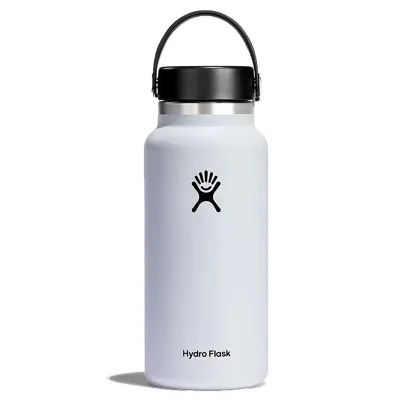
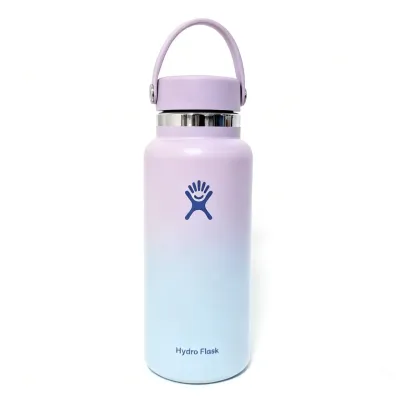
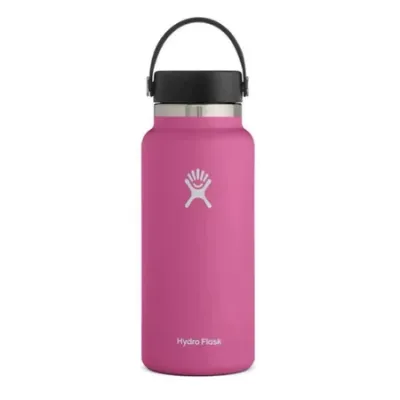
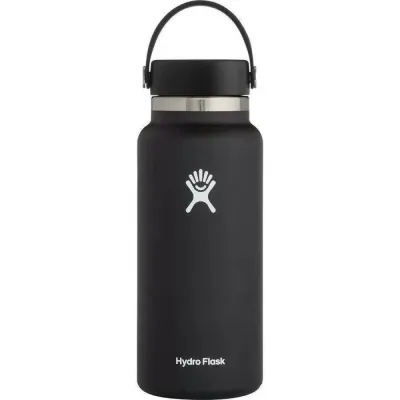
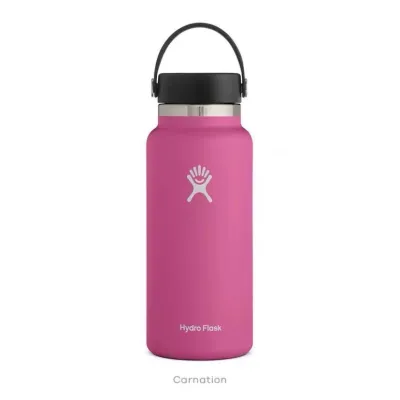
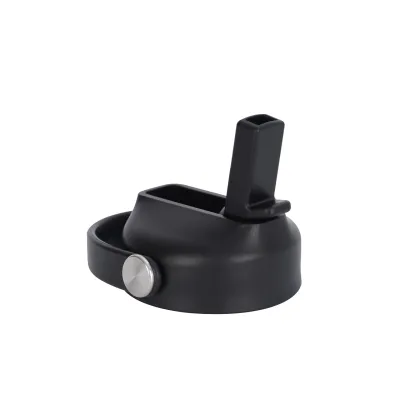
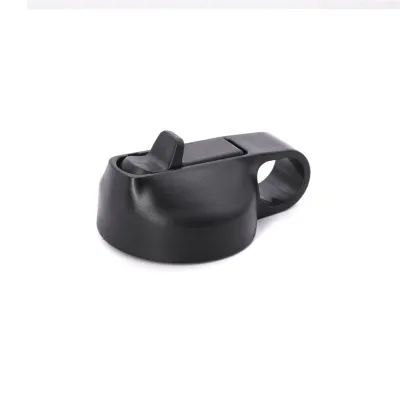
Prices are valid at publication and may change. Please refer to the product page for the latest price.
In contrast, convenient sports lids, such as straw lids or chug caps, introduce joints, valves, or thinner materials that can allow minor heat exchange. When comparing the Hydro Flask 32 oz to competitors, you should check the manufacturer-stated cold retention hours printed on the product packaging or official specifications. These ratings often vary depending on which lid is paired with the bottle.
Real-world performance is also highly dependent on user habits rather than brand engineering alone. To maximize cold retention in any insulated bottle, pre-chilling the interior with ice water for a few minutes before filling it is highly effective. Additionally, keeping your bottle stored inside a backpack or shaded area rather than leaving it in direct sunlight will significantly prolong the ice-retention capabilities of any vacuum-insulated container.
Capacity, Weight, and Portability: Is 32 oz Right for Your Activity?
Selecting the right bottle capacity requires balancing your daily hydration requirements against the physical effort of carrying the container. A 32 oz capacity (approximately 946 ml) serves as a versatile middle ground for many active individuals. It provides enough water for a moderate workout session or a short hike without requiring immediate refills, unlike smaller 24 oz alternatives.

However, if you plan on embarking on long, full-day outdoor excursions where water sources are unavailable, a larger 40 oz or 64 oz bottle might be necessary. The trade-off with these larger sizes is the substantial increase in physical weight. Water weighs approximately one kilogram per liter, meaning a fully filled 32 oz stainless steel bottle will weigh well over one kilogram when accounting for the heavy double-walled steel body.
Portability is another critical factor where the 32 oz size presents specific challenges. Due to its wider base diameter, a standard 32 oz wide-mouth bottle generally does not fit into standard car cup holders or standard bicycle bottle cages. It may also stretch or fail to fit into the side mesh pockets of smaller daypacks.
Before purchasing, it is highly recommended to check the exact base diameter and height listed in the product specifications. Comparing these measurements against your vehicle’s cup holders or your favorite backpack’s pockets will prevent the frustration of owning a bottle that is awkward to transport. If portability is your primary concern, a narrower 24 oz bottle or a specialized transit-friendly model may be more suitable.
Durability and Material Build: Withstanding Outdoor Conditions
Outdoor sports and fitness environments demand a bottle that can withstand accidental drops, scrapes, and exposure to the elements. The Hydro Flask 32 oz is constructed from 18/8 pro-grade stainless steel, which is the industry standard for high-quality food-grade containers. This material is highly valued for its resistance to corrosion and its ability to prevent flavor retention, ensuring your water does not taste like yesterday’s sports drink.
The exterior finish of a sports bottle plays a major role in both grip and long-term appearance. Hydro Flask utilizes a proprietary powder coating that provides a textured, slip-resistant grip even when your hands are sweaty or wet. This textured finish is generally more durable and resistant to scratches than standard smooth paint finishes found on budget-friendly alternatives.
When evaluating durability, it is important to review the manufacturer’s warranty terms carefully. Most premium brands offer limited lifetime warranties, but these typically cover structural defects—such as a failed vacuum seal or manufacturing flaws—rather than cosmetic wear and tear. Dents, scratches, and chipped paint resulting from drops or rough use are almost universally excluded from warranty coverage.
Furthermore, users must remain aware that dropping any vacuum-insulated bottle can permanently compromise its thermal performance. A hard impact can cause the inner and outer steel walls to touch, or crack the weld that seals the vacuum. Once the vacuum seal is lost, the bottle will no longer keep drinks cold, regardless of the brand’s reputation or the thickness of the steel.
Price and Value Assessment: Evaluating the Premium
Investing in a premium insulated bottle like the Hydro Flask 32 oz involves a higher upfront cost compared to generic alternatives. In the local market, you should compare the baseline S$ retail price of the 32 oz model against equivalent capacity bottles from other established premium outdoor brands. This initial price comparison helps determine if the brand premium aligns with your budget.
Beyond the initial purchase price, the long-term cost of ownership is heavily influenced by the availability and price of replacement parts. Over years of active use, silicone gaskets can degrade, straw lids can become difficult to clean, or you may simply want to swap a flex cap for a sports cap. Brands with widely available, standardized replacement lids and accessories offer better long-term value because you can easily refresh a worn component rather than buying an entirely new bottle.
Additionally, protective accessories like silicone boots can safeguard the bottom of your bottle from dents and scratches. Checking whether these accessories are included in the initial purchase or must be bought separately is an important step in calculating the total investment.
To assess the true value of a sports bottle, avoid looking for a single “best” option and instead use a practical checklist. Weigh the upfront S$ cost against the manufacturer’s warranty duration, the local availability of replacement gaskets and lids, and the overall build quality. A slightly more expensive bottle with readily available spare parts often proves more economical over a multi-year lifespan than a cheaper model that must be discarded when a single seal fails.
Decision Framework: Which Insulated Bottle Fits Your Needs?
To finalize your decision, it helps to match your specific daily routines and physical preferences to the unique characteristics of each bottle option. The Hydro Flask 32 oz is an excellent choice if you highly value a mature ecosystem of interchangeable lids, prefer a highly textured powder-coat grip, or require its exact physical dimensions to fit specialized gear or cup holder adapters. Its widespread popularity also means finding compatible accessories in local shops is exceptionally easy.
On the other hand, you might want to choose a competing 32 oz bottle if your activities require a built-in, heavy-duty carrying loop integrated directly into the lid, or if you prefer a lighter base weight for long-distance backpacking. Some competitors also offer localized warranty service centers that may provide faster resolutions for customers in your region compared to international shipping processes.
If you find that a fully loaded 32 oz bottle is too heavy to carry comfortably during long walks, or if it consistently fails to fit into your primary backpack’s side pockets, you should consider opting for a smaller 24 oz capacity. Conversely, if you frequently spend long hours away from clean water sources, upgrading to a larger capacity may be the more practical choice despite the added bulk.
Finally, always verify the credentials of the seller before making your purchase, especially when shopping on an online marketplace or ecommerce platform. Unauthorized third-party sellers may offer lower prices, but these products often lack a valid manufacturer’s warranty or may not be authentic. Checking for authorized dealer badges ensures your investment is fully protected.
Frequently Asked Questions (FAQ)
Does the Hydro Flask 32 oz fit in a standard car cup holder?
Generally, a standard Hydro Flask 32 oz wide-mouth bottle does not fit into standard car cup holders. The base diameter of the 32 oz model is typically around 3.5 inches (approximately 9 centimeters), which exceeds the width of most built-in vehicle cup holders. If you plan to use your bottle frequently while driving, you may need to purchase a specialized aftermarket cup holder expander, or consider a narrower bottle design, such as a 24 oz standard-mouth model, which is specifically engineered to fit standard automotive cup holders.
How do I clean the Hydro Flask 32 oz to maintain its insulation?
To preserve the integrity of the vacuum seal and the exterior powder coating, hand washing is the highly recommended cleaning method. Use warm, soapy water along with a soft bottle brush to clean the interior thoroughly. Avoid using harsh chemicals like bleach or chlorine, as these can compromise the stainless steel’s protective oxide layer and lead to corrosion. Unless the manufacturer’s label explicitly states that both the bottle body and the specific lid are dishwasher safe, avoid placing them in a dishwasher, as high heat and harsh detergents can damage the exterior finish and degrade the silicone seals over time.
Community discussion
Share your experience or ask a question. Comments are reviewed before publication.