
When comparing the Hydro Flask 40oz to other premium insulated bottles like Yeti, Stanley, and Owala, the primary factor determining how long your drink stays cold is not the metal flask itself, but the design of the lid. While all four brands utilize highly effective double-wall vacuum insulation that blocks the majority of heat transfer through the body, their lid styles—ranging from fully sealed screw caps to open straw ports—create vastly different thermal boundaries. For maximum cold retention in demanding environments, a fully sealed screw-top lid like Hydro Flask’s Flex Cap minimizes air exchange far better than a straw-port lid like the Stanley Quencher, though each design serves a distinct lifestyle and hydration habit.
To choose the right 40oz bottle, you must look beyond marketing claims of “all-day cold” and examine the physical construction of each vessel. The way a lid seals, the thickness of its silicone gaskets, and the ease of accessing your drink all play direct roles in how quickly ice melts. By understanding these mechanical differences, you can select a bottle that aligns with your daily routine, whether you are commuting in a humid tropical climate, working at a desk, or embarking on a rugged outdoor adventure.
Understanding Insulation Technology and Cold Retention Limits
Double-wall vacuum insulation is the industry standard for premium water bottles, operating on a simple law of physics: heat requires a medium to travel through. By welding two stainless steel walls together and evacuating the air between them, manufacturers create a vacuum barrier. Because there are virtually no air molecules in this space, heat cannot transfer via conduction or convection through the sides of the bottle. This vacuum layer is incredibly efficient, leaving the top of the bottle as the primary escape route for cold temperatures.
Products mentioned in this guide
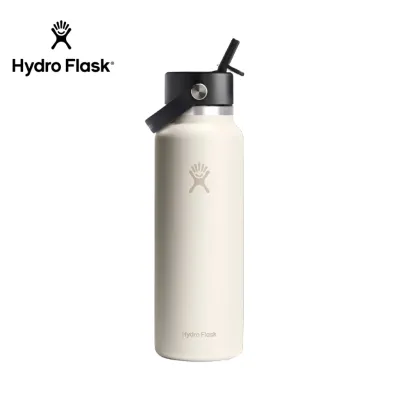
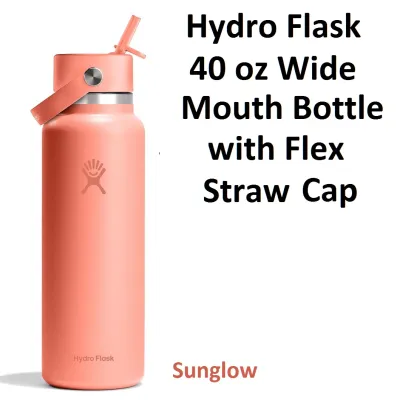
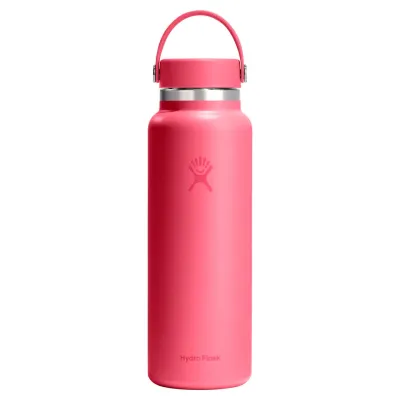
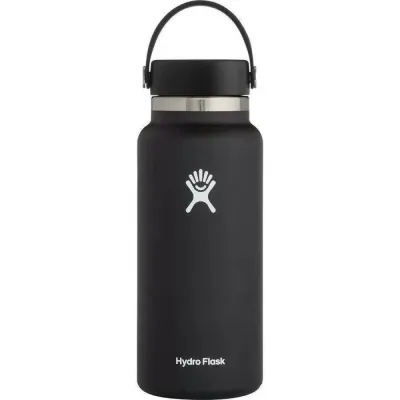
Prices are valid at publication and may change. Please refer to the product page for the latest price.
This is why the lid and its silicone gaskets are the most critical components of any insulated bottle. Plastic lids do not possess vacuum insulation; they rely on the thickness of the plastic and airtight seals to keep heat out. When a lid is screwed on, silicone gaskets compress against the steel rim to prevent warm ambient air from entering and cold air from escaping. If a lid features a straw, a flip-cap, or a sliding mechanism, it introduces potential pathways for air exchange, which naturally accelerates ice melt over time.
External environmental factors also heavily influence how long your drinks stay cold. In high-humidity and warm ambient temperatures, such as a typical afternoon in Singapore, the temperature differential between the inside of the bottle and the outside air is substantial. Direct sunlight heating the outer steel shell will slowly transfer warmth upward toward the uninsulated neck and lid. Additionally, the initial temperature of your beverage and the volume of ice you use establish the baseline thermal energy; a bottle packed tightly with ice will always maintain a low temperature longer than one filled with chilled water and only a few loose cubes.
Comparing the Contenders: Hydro Flask, Yeti, Stanley, and Owala
To evaluate how these four major brands compare, we must establish a consistent baseline. A 40oz capacity (or the closest equivalent offered by the brand) represents a significant volume of liquid, which naturally retains its temperature longer than smaller bottles due to thermal mass. However, carrying this much weight means usability, lid security, and transport methods become just as important as raw insulation performance.

When comparing these models, the focus should remain on observable design features and physical seals rather than arbitrary hourly ratings. A bottle designed with a completely airtight, screw-down cap will inherently outperform a bottle designed with a permanent straw opening when subjected to the same external heat. Therefore, the ideal bottle for you depends on whether you prioritize absolute thermal efficiency or quick, convenient access to your drink.
Hydro Flask 40oz: TempShield and Lid Versatility
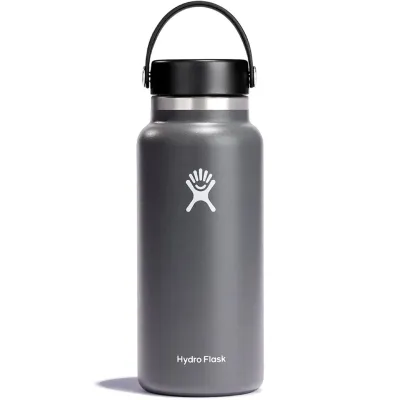
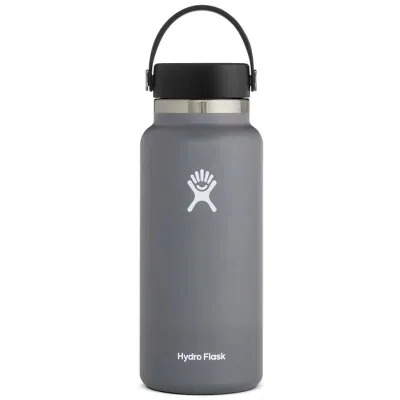
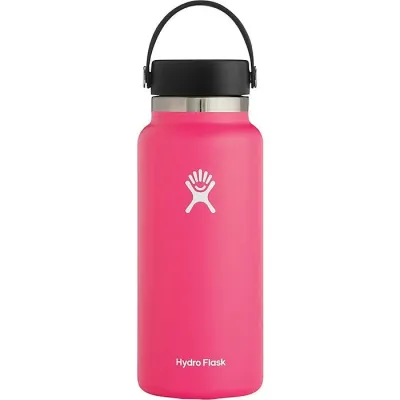
Hydro Flask’s 40oz Wide Mouth bottle utilizes the brand’s proprietary TempShield double-wall vacuum insulation. The exterior is finished with a signature powder coat, which provides a slip-resistant grip and prevents condensation from forming on the outside of the bottle. This sweat-free exterior is particularly beneficial in humid climates, ensuring the bottle remains dry and easy to hold when carried in a bag or by hand.
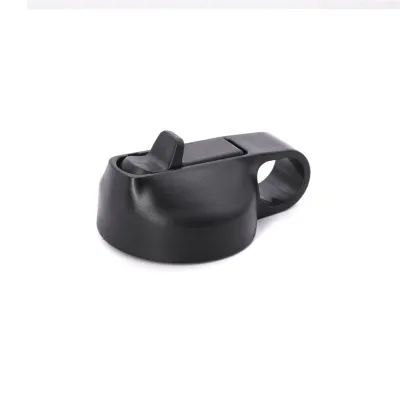
Thermal performance with the Hydro Flask depends heavily on which lid you pair with the wide-mouth opening. The standard Wide Mouth Flex Cap is fully insulated and screws down tightly, creating an exceptionally reliable thermal barrier with zero air leakage. If you swap this cap for the Wide Mouth Straw Lid or the Travel Chug Lid, you gain drinking convenience but introduce minor thermal trade-offs, as these lids feature thinner plastic sections and additional joints where heat can slowly penetrate.
To maintain maximum cold retention with a Hydro Flask, users must regularly inspect the silicone gasket inside the cap. Over time, gaskets can become twisted, misaligned, or worn down by repeated tightening. Ensuring the gasket is seated flat and clean of debris guarantees an airtight seal, allowing the TempShield technology to perform at its physical limit.
Yeti Rambler 40oz: Durability and Lid Seals
Yeti is widely recognized for its rugged, over-engineered construction, and the Rambler series is built to withstand significant physical abuse. Made with thick kitchen-grade stainless steel, these bottles resist denting and puncturing from drops. The exterior features a durable finish that, like Hydro Flask, prevents condensation and ensures a secure grip during outdoor activities.
For the 40oz class, Yeti offers options like the Rambler Bottle with a Chug Cap or the Rambler Tumbler with a straw lid. The Chug Cap is a two-part system: a wide spout for drinking that screws down into a fully sealed base. This design provides an incredibly tight seal that rivals standard screw-top bottles for ice retention. Conversely, Yeti’s MagSlider lid, which uses magnets to slide the drinking port open and closed, is designed for splash resistance rather than a hermetic seal, allowing slightly more thermal exchange over several hours.
If you choose a Yeti bottle for maximum cold retention, opting for a fully sealed screw-on cap rather than a sliding or straw lid is essential. The heavy-duty threads and thick rubber gaskets on Yeti caps are designed for high-pressure seals, making them excellent at blocking heat transfer when properly tightened.
Stanley Quencher 40oz: FlowState Lid and Straw Access
The Stanley Quencher H2.0 FlowState Tumbler is designed primarily for convenience, desk use, and vehicle commuting. It features an ergonomic, comfort-grip handle that makes carrying the heavy 40oz volume effortless, along with a tapered base designed to fit securely into standard cup holders. The exterior finish is smooth and stylish, though it may feel more prone to slipping without the handle.
The FlowState lid features a rotating cover with three distinct positions: a straw opening with a silicone seal designed to resist splashes, a wide drinking opening, and a full-cover top to minimize spills. While the silicone seal around the straw helps reduce air exposure, the inherent design of a standing straw means the bottle is never truly airtight. Ambient air can slowly enter the tumbler through the straw port, resulting in faster ice melt compared to fully sealed bottles.
Because of this design, the Stanley Quencher is not intended for rugged outdoor hikes or being tossed loosely into a backpack. It excels at keeping drinks cold while sitting on an office desk or in a car cup holder where it remains upright, but users should expect quicker thermal loss if the bottle is left in direct sunlight or warm outdoor environments.
Owala FreeSip 40oz: Dual-Opening Mechanics
The Owala FreeSip 40oz has gained immense popularity due to its innovative, patented lid design. The FreeSip lid features a dual-opening mechanism that allows you to drink in two ways: you can sip upright through the built-in, integrated straw, or tilt the bottle back to swig through the wide-mouth opening. This versatility is housed under a single, spring-loaded push-button cap.
From a thermal perspective, the FreeSip lid is highly efficient because the entire drinking mechanism is completely enclosed when the cap is snapped shut. The lid features a heavy-duty locking latch that secures the push-button, preventing accidental openings and ensuring a leak-proof seal. When closed, the internal silicone stoppers completely plug both the straw and the swig opening, blocking air exchange and preserving cold temperatures exceptionally well.
To keep the Owala FreeSip performing at its best, users must pay close attention to the internal silicone parts. The lid contains multiple small gaskets and a removable straw seal that must be cleaned regularly to prevent mold and debris buildup. If these seals are not pushed firmly into their designated slots after cleaning, the lid may leak air, which will rapidly compromise its cold retention capabilities.
Decision Framework: Which 40oz Bottle Fits Your Routine?
Choosing between these four premium brands requires matching their specific design strengths to your daily environment and hydration preferences. There is no single “best” bottle; instead, there is a correct bottle for your specific lifestyle.
- Choose the Hydro Flask 40oz if you want a versatile, classic bottle for outdoor and daily use. It is ideal for those who prefer a lightweight feel relative to its size, want the option to swap between different lid styles, and prioritize a highly reliable, fully sealed screw-top for maximum thermal retention during long days outdoors.
- Choose the Yeti Rambler if durability is your absolute priority. This bottle is best suited for demanding environments, construction sites, camping trips, or sports where the bottle is likely to be dropped, scraped, or exposed to rough handling, and where a heavy-duty, secure screw-cap is required.
- Choose the Stanley Quencher 40oz if your hydration routine is centered around your desk, home, or car. The comfortable handle and cup-holder-friendly base make it the most convenient option for constant, effortless sipping throughout the day, provided you do not need a completely leak-proof bottle to throw into a bag.
- Choose the Owala FreeSip 40oz if you want the ultimate balance of convenience, leak prevention, and thermal sealing. It is the best choice for commuters and students who want to toss their bottle into a backpack without worrying about leaks, while still enjoying the option to sip through a straw or swig freely.
Before making your purchase, always verify the availability of replacement lids and gaskets. A premium bottle can last for years, but the silicone seals will eventually wear out and require replacement to maintain their original cold-retention performance.
Practical Tips to Maximize Cold Retention
Regardless of which brand you choose, you can significantly extend how long your drinks stay cold by adopting a few simple preparation and maintenance habits. These practices minimize the thermal energy inside the bottle before you even add your beverage.
First, practice pre-chilling your bottle. Before filling it with your actual drink, fill the bottle with ice water and let it sit for five to ten minutes. This cools down the inner stainless steel wall. If you skip this step and pour cold water into a room-temperature bottle, the steel wall will immediately transfer its residual heat to your drink, melting your ice much faster.
Second, manage how you store and use the bottle throughout the day. Keep your bottle out of direct sunlight whenever possible, and never leave it inside a parked car, where internal temperatures can quickly soar. Additionally, try to minimize how often and how long you open the lid. Every time you open a bottle or leave a straw port exposed, you invite warm ambient air to replace the cold air inside, accelerating the warming process.
Finally, maintain the integrity of the seals. Regularly remove the silicone gaskets from your lids and wash them by hand with warm, soapy water. Inspect them for any signs of stretching, tearing, or mold. A clean, properly seated gasket ensures a perfect airtight seal, which is the single most important factor in keeping your drinks ice-cold.
Frequently Asked Questions (FAQ)
Does exterior color impact internal cold retention?
The exterior color of your bottle has a negligible impact on internal cold retention under normal conditions because the vacuum insulation layer acts as a highly effective barrier against heat transfer. However, if the bottle is left in direct, intense sunlight for extended periods, darker colors (like black or deep navy) will absorb more solar radiation and become hotter to the touch than lighter colors (like white or pastel shades). This surface heat can slowly conduct through the uninsulated neck and lid of the bottle, slightly accelerating ice melt compared to a lighter-colored bottle in the same conditions.
Are these 40oz bottles safe for carbonated drinks?
Most standard vacuum-insulated bottles are not recommended for carbonated beverages unless specifically stated by the manufacturer. Carbonation releases carbon dioxide gas, which builds up pressure inside an airtight container. This pressure can cause the silicone seals to fail, leading to leaks, or it can cause the lid to pop open forcefully when unlocked, potentially causing injury or spilling your drink. If you plan to carry carbonated beverages, look for bottles specifically rated for carbonation, or ensure you use a screw-top lid that can be opened slowly to safely vent the pressure.
Community discussion
Share your experience or ask a question. Comments are reviewed before publication.