
Quick Answer: Comparing Cold Retention Performance
Choosing between Hydro Flask, Owala, and Stanley for cold retention depends more on your specific usage habits, lid choices, and bottle capacity than on brand name alone. All three brands utilize double-wall vacuum insulation to block heat transfer, but their real-world performance varies based on how you use them.
While Hydro Flask and Stanley often provide specific hour-based cold retention ratings on their packaging, Owala focuses heavily on leakproof versatility and everyday hydration mechanics. A larger bottle with a solid, insulated lid will naturally keep drinks cold longer than a smaller bottle with a straw lid, regardless of the brand logo on the side. To find the absolute longest-lasting option for your needs, you must look at the specific model specifications and match them to your typical activity environment.
Insulation Technology and Manufacturer Specifications
To understand how these bottles keep your drinks cold during a workout, it helps to look at the engineering behind them. Hydro Flask, Owala, and Stanley all manufacture their bottles using double-wall vacuum insulation. This construction features an inner and outer wall of food-grade stainless steel, typically 18/8 stainless steel, with the air vacuumed out of the space between them.
Products mentioned in this guide
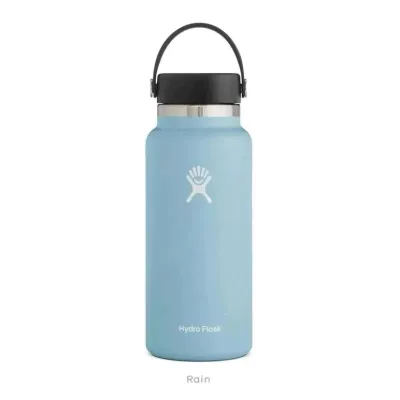
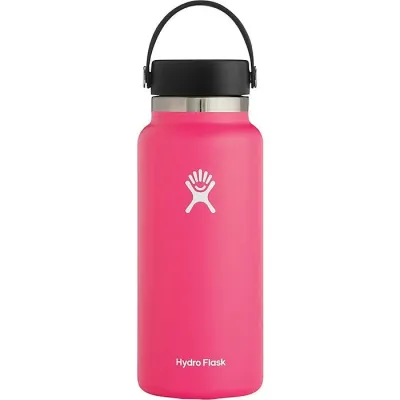
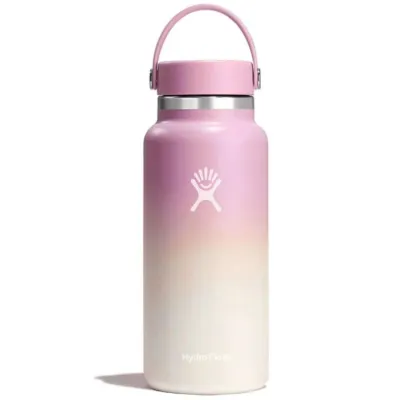
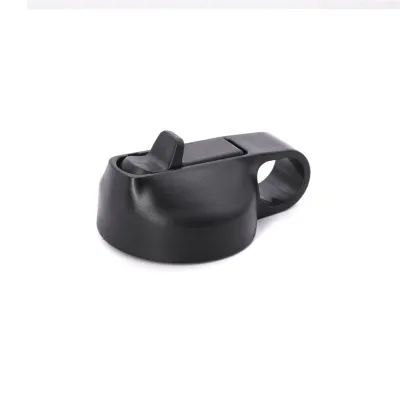
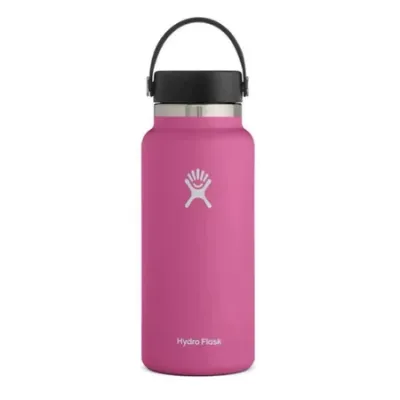
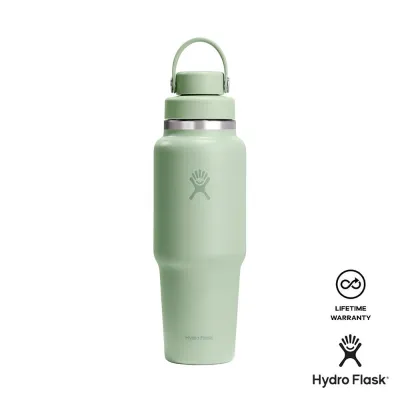
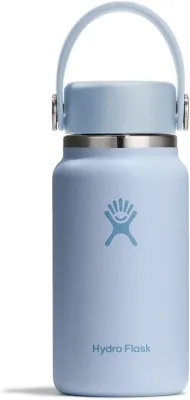
Prices are valid at publication and may change. Please refer to the product page for the latest price.

Because a vacuum contains no air molecules, it prevents heat from transferring into your bottle via conduction or convection. The stainless steel material is highly durable and resists retaining flavors, making it ideal for daily sports use. However, while the metal bodies of these bottles are highly efficient at blocking heat, the lid is where most thermal transfer actually occurs.
Lids are generally made of plastic and silicone, which do not insulate as effectively as a double-walled vacuum steel body. A wide-mouth bottle with a thin plastic lid will lose its cold temperature faster than a bottle with a thick, insulated cap. When comparing models, look closely at the lid design:
- Solid Loop Caps: These offer the best thermal seal because they have no openings or straw channels where cold air can escape.
- Straw Lids: These introduce small air pathways and uninsulated plastic components, slightly reducing overall cold retention over long periods.
- Chug or Spout Lids: These offer a middle ground, providing a secure seal when closed but exposing a large surface area of liquid when opened.
To find the exact performance expectations for a specific bottle, check the manufacturer’s product label or official website. Ratings can vary from 12 hours to over 24 hours of cold retention, depending on the volume of the bottle and the specific lid style. Larger bottles hold a greater thermal mass, which inherently helps them stay cold longer than smaller counterparts.
Real-World Variables Affecting Cold Retention
In a controlled laboratory, vacuum bottles can maintain ice for days, but real-world conditions are rarely controlled. In Singapore’s humid, tropical climate, external factors play a massive role in how long your water stays ice-cold during outdoor activities. High ambient temperatures and direct sunlight will rapidly warm the exterior of your bottle, putting more pressure on the vacuum seal.
While a properly functioning vacuum bottle will not sweat on its steel body, high humidity can cause condensation to form on the plastic lid. This condensation is a visual indicator of heat exchange occurring through the uninsulated plastic. If you leave your bottle on a hot concrete court or in a parked car, the liquid inside will warm up much faster than if the bottle were kept in a shaded backpack.
Your preparation habits also dictate thermal performance. Filling a warm bottle with room-temperature water and a few ice cubes will result in rapid ice melt as the bottle’s inner steel wall absorbs the initial cold. For maximum cold retention, pre-chill your bottle by filling it with ice water for a few minutes before emptying it and refilling it with fresh ice and cold water.
Finally, how often you open the bottle matters. Every time you flip open a lid or sip through a straw, you introduce warm ambient air into the vacuum chamber. For long hikes or extended outdoor workouts, minimizing the frequency and duration of opening the lid will significantly extend the life of your ice.
Ergonomics, Lids, and Sports Usability
A sports bottle must do more than keep water cold; it must also fit seamlessly into your active lifestyle. The physical design, carrying options, and lid mechanisms of Hydro Flask, Owala, and Stanley each cater to different types of movement and environments.
Hydro Flask is highly regarded for its classic, streamlined design and the versatility of its interchangeable lids. The signature Flex Cap features a flexible, durable strap that makes the bottle incredibly easy to carry on long walks or clip onto a climbing harness. The exterior powder-coat finish provides a textured, non-slip grip, which is particularly useful when your hands are sweaty from a run or outdoor workout.
Owala has gained immense popularity due to its innovative FreeSip lid. This patented design allows you to drink in two different ways: you can sip upright through the built-in straw or tilt the bottle back to swig from the wide-mouth spout. The lid features a push-button release that can be operated easily with one hand, along with a carry loop that folds down to lock the button securely in place, preventing accidental leaks in your gym bag.
Stanley bottles, particularly those in their rugged outdoor and transit lines, are built for durability and heavy-duty use. Many models feature robust, integrated handles that provide a secure grip when carrying larger, heavier volumes of water. While some larger Stanley models are designed primarily for stationary use at a gym bench or campsite, their tapered bases on specific travel models allow them to fit into standard cup holders despite their large capacity.
How to Choose the Right Insulated Bottle for Your Activity
Selecting the right bottle requires balancing your hydration needs with your specific sport or daily routine. Use this conditional framework to guide your decision:
- Choose Hydro Flask if: You prioritize a lightweight, customizable bottle for hiking, cycling, or backpacking. Its wide range of sizes and compatible lid accessories allow you to tailor the bottle to your exact gear setup.
- Choose Owala if: You want a highly versatile, leakproof bottle for gym workouts, fitness classes, or daily commuting. The one-handed FreeSip mechanism is ideal for quick sips between exercise sets without the risk of spilling water on yourself.
- Choose Stanley if: You need a rugged, high-capacity bottle with a sturdy handle for camping, outdoor sports, or long days at the field. It is best suited for scenarios where durability and easy carrying of heavy volumes are your top priorities.
Before making a purchase, always perform a few quick compatibility checks. Verify the retail price in S$ at your local sporting goods store or preferred online marketplace to ensure it fits your budget. Measure your backpack’s side pockets or your car’s cup holders to ensure the bottle diameter will fit securely. Additionally, verify the manufacturer’s care instructions on the packaging to confirm if the specific lid and bottle body are dishwasher safe, as some finishes require hand washing to prevent damage.
Care and Maintenance for Optimal Insulation
Proper maintenance is essential to preserve both the hygiene and the thermal performance of your insulated bottle. Over time, dirt, moisture, and beverage residues can accumulate in the hard-to-reach areas of your lid and compromise the seals.
Always refer to the manufacturer’s guidelines regarding dishwasher use. While some modern powder coatings and lid designs are rated as dishwasher safe, hand washing is generally the safest method to prolong the life of the vacuum seal. The intense heat and harsh detergents of a dishwasher cycle can occasionally degrade the outer paint or weaken the adhesive seals that maintain the vacuum barrier.
To clean your bottle thoroughly, disassemble all removable parts, including silicone gaskets, straws, and lid components. Use a small bottle brush, mild dish soap, and warm water to clean inside the straw and around the gasket grooves where mold can easily develop. For stubborn odors or stains from sports drinks, create a paste using baking soda and warm water, apply it to the affected areas, let it sit for a few minutes, and rinse thoroughly.
Never place your insulated bottle in the freezer or microwave. Freezing water expands with immense force, which can warp the stainless steel walls and permanently destroy the vacuum insulation. Avoid using abrasive scrubbers or steel wool on the exterior, as these will scratch the protective powder coat and leave the metal vulnerable to scuffs.
Frequently Asked Questions (FAQ)
Can I put hot drinks in these cold-retention sports bottles?
Yes, double-wall vacuum insulation is highly effective at retaining both hot and cold temperatures. However, you must check the safety guidelines for your specific lid type before pouring hot liquids inside. Straw lids and flip-top spouts are generally not designed for hot drinks, as steam pressure can build up inside the bottle and cause hot liquid to spray out unexpectedly when opened, posing a burn hazard.
Why is my insulated bottle sweating on the outside?
A properly functioning vacuum-insulated bottle should never sweat or feel cold on its outer stainless steel surface. If you notice condensation forming on the metal body or if the exterior feels cold to the touch when filled with ice water, the vacuum seal has likely been compromised. This indicates that air has entered the insulating barrier, and the bottle will no longer be able to maintain temperatures effectively. In this case, check the manufacturer’s warranty policy to see if you qualify for a replacement.
Community discussion
Share your experience or ask a question. Comments are reviewed before publication.