
Staying hydrated is the cornerstone of any effective training regimen, but not all sports bottles are created equal. When you are pushing through a grueling workout in a humid environment like Singapore, lukewarm water simply will not cut it. The three giant contenders in the premium insulated bottle market—Hydro Flask, Owala, and Yeti—all promise to keep your water ice-cold, but they approach sports usability in vastly different ways. When searching for a premium sports bottle, many active individuals look up the classic hyrdroflask, but finding the right balance between temperature retention, lid design, and durability requires a closer look.
If your primary goal is to find a bottle that keeps water cold during workouts, the short answer is that all three brands deliver exceptional thermal performance. Their double-wall vacuum insulation easily maintains cold temperatures for the duration of any standard gym session. The real decision factor is not temperature retention alone, but how the bottle’s design aligns with your specific workout style.
For rapid, upright sipping during high-intensity cardio or spin classes, the Owala FreeSip is unmatched due to its patented dual-purpose lid. If you prefer a highly customizable, classic design with a balanced weight that transitions easily from weightlifting to outdoor hikes, Hydro Flask is the ideal choice. For those who train in rugged environments, lift heavy, and demand a bottle that can survive being dropped on concrete, the Yeti Rambler offers unparalleled durability and a rock-solid build.
Products mentioned in this guide
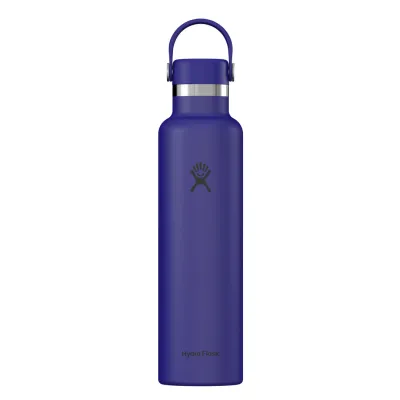
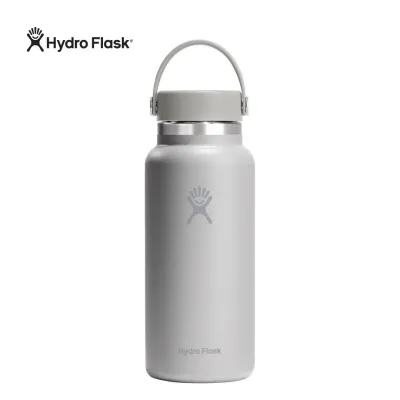
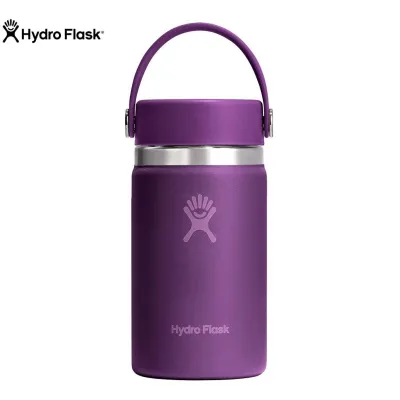
Prices are valid at publication and may change. Please refer to the product page for the latest price.
Insulation Showdown: Keeping Water Cold During Intense Sessions
To understand how these bottles keep your water cold during an intense workout, it helps to look at the technology behind them. All three brands utilize double-wall vacuum insulation, which works by creating a vacuum space between an inner and outer wall of stainless steel. Since heat requires a medium to travel through conduction or convection, the vacuum barrier virtually eliminates heat transfer, keeping the liquid inside cold regardless of the external temperature.
Hydro Flask TempShield Technology
Hydro Flask relies on its proprietary TempShield double-wall vacuum insulation. This technology is highly regarded for its ability to maintain cold temperatures for up to 24 hours under sealed conditions. During a workout, however, you are constantly opening the bottle, which introduces warm air. Hydro Flask manages this thermal exchange remarkably well, but your choice of lid will ultimately dictate real-world performance. A fully sealed screw-top lid will always preserve cold longer than a straw lid, which has minor air pathways. It is always wise to check the manufacturer’s label on your specific model to verify exact temperature ratings, especially if you plan to use it for outdoor training sessions under the hot sun.
Owala FreeSip Insulation
Owala’s FreeSip bottle features robust double-wall insulation designed to keep beverages cold for hours. What makes Owala unique is how its insulation interacts with the FreeSip lid. The lid features a push-button mechanism that springs open to reveal a built-in straw and a wider chug spout. While this dual-opening design is incredibly convenient, the lid assembly has more seals and moving parts than a basic screw cap. To ensure maximum cold retention and prevent warm air from seeping in, keeping the lid securely closed and locked with the metal carry loop when not in use is essential. Always verify the manufacturer’s cold-retention specifications, and ensure the silicone seals are properly seated to maintain the vacuum-like environment inside the flask.
Yeti Rambler Durability and Cold Retention
Yeti approaches insulation with a focus on rugged, over-engineered construction. The Rambler series features thick-gauge kitchen-grade stainless steel and a heavy vacuum barrier that provides outstanding thermal stability. This extra-thick construction means the bottle itself acts as a thermal buffer, holding cold temperatures exceptionally well even in non-air-conditioned gyms or outdoor fitness parks. Additionally, Yeti’s “No Sweat” design prevents condensation from forming on the outside of the bottle. In a humid climate like Singapore, condensation is not just an annoyance; it can pool on gym floors or make your hands slick, posing a safety hazard during heavy lifts. Keep in mind that this heavy-duty build makes the Yeti Rambler heavier than its competitors, so you should consult official product specifications to ensure the weight is manageable for your training style.
Gym Usability: Lids, Grips, and Equipment Compatibility
Drinking Mechanisms and Flow Rates
The way you drink during a workout can directly impact your performance. During high-intensity interval training (HIIT) or cycling, your heart rate is elevated, and you need quick, controlled sips without breaking your stride or tilting your head back. Owala’s FreeSip lid shines brightly here. It features a built-in straw that allows you to sip upright, alongside a wider spout if you want to tilt and chug during longer rest periods. This dual-functionality is integrated into a single lid, making it highly versatile.

Hydro Flask offers interchangeable lid options, allowing you to customize your bottle. The Flex Straw Cap is popular for gym use, providing a reliable flow rate, though it requires a bit of suction. For faster hydration, the Flex Chug Cap provides a wide opening for rapid gulps. However, because these lids are often sold separately or come with specific bottle editions, you may need to purchase accessories to find your perfect setup.
Yeti’s Rambler is frequently paired with the Chug Cap, a two-piece lid that unscrews at the collar to reveal a narrow, shatter-resistant spout. This design is excellent for fast, spill-free drinking, though it requires two hands to unscrew, which can be inconvenient mid-set. For quick access, Yeti also offers a straw lid. Regardless of the brand, always verify that your lid is fully leak-proof before tossing the bottle into a gym bag next to your lifting belt, chalk, or electronics. A misplaced silicone gasket can lead to a soaked bag.
Grip, Weight, and Equipment Compatibility
When your hands are sweaty or covered in lifting chalk, the texture of your bottle matters. Hydro Flask is coated with a signature powder finish that provides a dry, tactile grip, preventing the bottle from slipping from your hands. Owala utilizes a similar powder-coated exterior, which is highly durable and comfortable to hold, complemented by a built-in carry loop that makes it easy to hook onto a finger between exercise machines. Yeti’s DuraCoat finish is exceptionally textured and rugged, offering the most secure grip of the three when dealing with sweat or moisture.
Weight and size are critical factors if you move around the gym frequently. Yeti bottles are structurally heavier due to their thicker steel walls. If you are a runner or carry your bottle across multiple fitness stations, the lighter profiles of Hydro Flask and Owala may feel more comfortable.
Furthermore, you must consider equipment compatibility. Standard cup holders on treadmills, spin bikes, and elliptical machines typically accommodate bottles with a base diameter of 7.5 cm (about 3 inches). A standard 24 oz Hydro Flask or 24 oz Owala FreeSip will generally fit these holders perfectly. However, larger capacities—such as the 32 oz or 40 oz Hydro Flask, the 32 oz Owala, or the 26 oz and 36 oz Yeti Rambler—have wider bases that will not fit in standard machine holders, forcing you to place them on the floor where they can be easily knocked over. Always check the physical dimensions of the bottle before purchasing.
Durability and Cleaning: Surviving Drops and Supplement Residue
Gym equipment and hard floors are unforgiving. A premium sports bottle must be able to survive accidental drops. All three brands are constructed from high-grade 18/8 stainless steel, which is naturally rust-resistant and highly durable. However, their structural designs react differently to impacts.
Yeti’s thick-walled construction makes it the undisputed champion of drop resistance. A fall onto a concrete floor or a heavy dumbbell rack might scuff the exterior coating, but it rarely dents the steel or compromises the internal vacuum seal. Hydro Flask, designed with a focus on weight savings, has slightly thinner steel walls. A hard drop on a gym floor can result in a noticeable dent on the bottom rim, which can cause the bottle to wobble when stood upright or, in severe cases, breach the vacuum seal and ruin its insulation properties. Owala bottles are highly durable, but their plastic lid assemblies contain spring-loaded buttons and hinges that are more susceptible to cracking if the bottle lands directly on its top.
Hygiene is another critical consideration, particularly if you mix pre-workout powders, BCAAs, or protein shakes in your bottle. Stainless steel is non-porous and resistant to odor retention, but the plastic and silicone parts of the lids are highly vulnerable to trapping residue.
Owala’s FreeSip lid has a complex internal structure with deep crevices, a silicone stopper, and an integrated straw. If not cleaned thoroughly, moisture and supplement residue can accumulate, leading to black mold growth—a common issue in warm, humid climates. Hydro Flask’s straw lid also features removable silicone parts that require regular scrubbing with a specialized detail brush. Yeti’s Chug Cap is simpler in design, making it easier to clean by hand, and almost all Yeti Rambler components are rated as dishwasher-safe. To prevent lingering odors and mold, always wash your bottle immediately after using supplements, and check the manufacturer’s care instructions to verify if your specific bottle and lid are top-rack dishwasher safe.
Decision Framework: Choosing a Yeti, Owala, or Hyrdroflask for Your Training Style
To choose the perfect insulated bottle for your fitness routine, consider how you train and what features match your daily habits.
Choose Hydro Flask if:
- You want a lightweight, classic insulated bottle that is easy to carry around the gym.
- You prefer a highly customizable bottle and want the freedom to swap between straw, chug, or standard loop lids depending on your workout.
- You value a wide range of aesthetic color options and want a bottle that transitions seamlessly from indoor yoga studios to outdoor weekend hikes.
Choose Owala if:
- Your workouts involve high-intensity cardio, spin classes, or treadmill runs where you need quick, one-handed hydration without tilting your head.
- You want a built-in, versatile lid that allows you to both sip through a straw and swig from a spout without changing accessories.
- You need a secure, locking lid that is guaranteed not to leak or pop open inside your gym bag.
Choose Yeti if:
- You demand maximum durability and want a rugged bottle that can survive drops on concrete, outdoor bootcamps, and heavy gym use.
- Your workouts are primarily stationary (such as powerlifting, Olympic lifting, or machine-based training) where the extra weight of the bottle is not a concern.
- You want an easy-to-clean design with components that are fully dishwasher-safe.
Verify first if:
- You rely heavily on treadmill or spin bike cup holders. Measure your equipment's holder diameter first; if you need compatibility, stick to bottles with a capacity of 24 oz or less.
- You plan to use the bottle for hot post-workout recovery drinks. Some straw-based lids are strictly designed for cold liquids only, as hot steam can create pressure and cause hot liquid to spray out. Always check the manufacturer's safety guidelines before filling your bottle.
Frequently Asked Questions (FAQ)
Can I put pre-workout or protein shakes in these insulated bottles?
Yes, you can safely mix pre-workout, BCAAs, or electrolyte powders in these stainless steel bottles, as 18/8 kitchen-grade stainless steel is non-reactive. However, you must clean the bottle and lid thoroughly immediately after your workout. Protein residues and sugars from sports drinks spoil rapidly, creating a breeding ground for bacteria and mold, which can leave a persistent, unpleasant odor in the silicone gaskets.
Additionally, be cautious with effervescent or carbonated supplements. Sealing a carbonated drink inside a vacuum-insulated bottle can cause pressure to build up. When you open a straw-style lid like the Owala FreeSip or Hydro Flask Straw Cap, this pressure can cause the liquid to spray out forcefully, potentially causing a mess or damaging the lid’s seals. Always consult the manufacturer’s guidelines regarding compatible liquids.
Do these bottles fit in standard gym bike or treadmill cup holders?
Whether your bottle fits in a gym cup holder depends entirely on its fluid capacity and base diameter rather than the brand itself. Most standard cardio equipment cup holders are designed to accommodate bottles with a base diameter of 7.5 cm (about 3 inches) or less.
Bottles with a capacity of 18 oz to 24 oz, such as the standard 24 oz Hydro Flask and the 24 oz Owala FreeSip, are designed with slimmer profiles and will fit most standard gym bike and treadmill holders. However, larger sizes like the 32 oz or 40 oz Hydro Flask, the 32 oz Owala, and the 26 oz or 36 oz Yeti Rambler have wider bases (often exceeding 8.5 cm) and will not fit. If you plan to use your bottle primarily on cardio machines, verify the exact base diameter on the product page or packaging before making a purchase.
Community discussion
Share your experience or ask a question. Comments are reviewed before publication.