
Deciding between an IGPSPORT and a Garmin GPS cycling computer for your rides along Singapore’s Park Connector Network (PCN) depends on whether you prioritize budget-friendly tracking or a premium, feature-rich ecosystem. The PCN offers well-paved, flat, and highly structured paths that connect various parks across the island, making navigation relatively straightforward. For casual riders who simply want to log their distance, speed, and route, a basic head unit provides excellent value without unnecessary complexity. Conversely, cyclists training for endurance events or those who want detailed physiological insights will benefit from a more advanced training platform.
By evaluating how each brand handles navigation, screen visibility under the tropical sun, weather resistance, and sensor connectivity, you can select the device that matches your specific riding style. Whether you are commuting along the Eastern Coastal Loop or completing the full Round Island Route, understanding these differences ensures you do not overpay for features you will not use, or miss out on tools that could improve your training.
Route Navigation and Mapping for Park Connectors
Navigating Singapore’s PCN is generally simple because the trails are well-marked, continuous, and integrated with clear physical signposts. Garmin cycling computers typically feature preloaded, highly detailed topographical maps that offer true turn-by-turn routing, complete with street names and off-road paths. This level of mapping allows you to explore unfamiliar detours or connect different park sectors seamlessly without pulling out a phone. Some advanced models also offer automatic rerouting, which recalculates your path if you miss a turn or decide to take a scenic detour along a coastal boardwalk.
Products mentioned in this guide
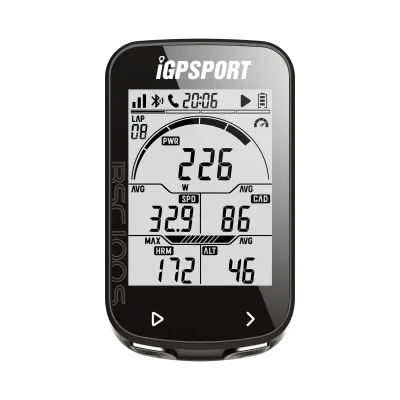
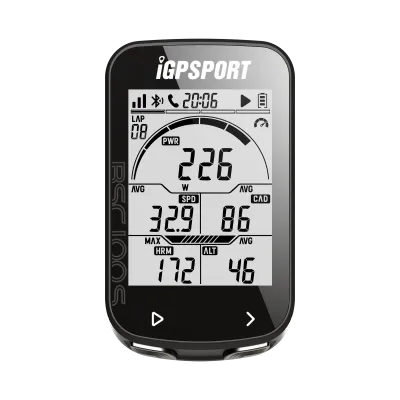
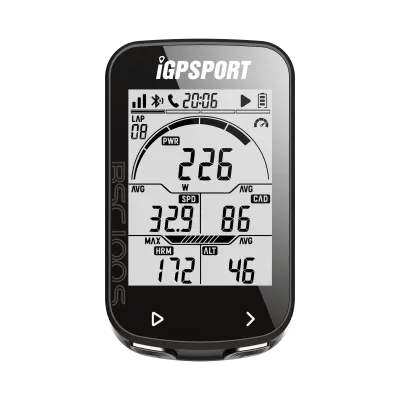
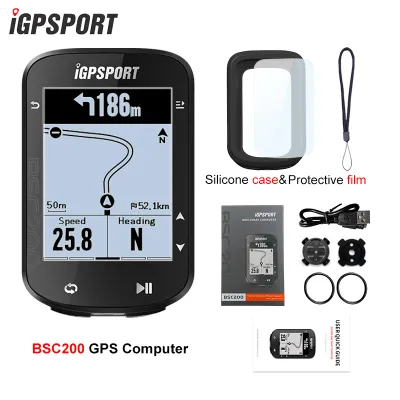
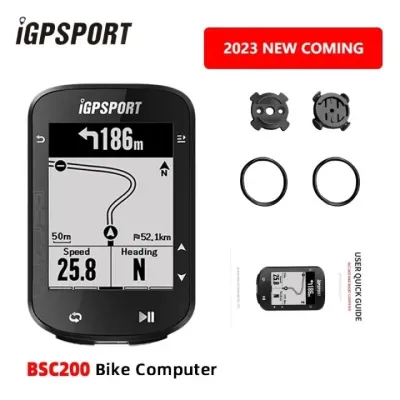
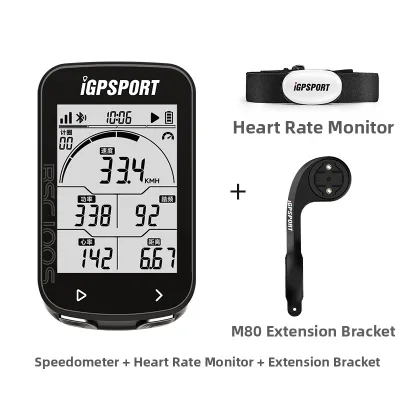
Prices are valid at publication and may change. Please refer to the product page for the latest price.
In contrast, IGPSPORT devices in the entry-to-mid-range categories often utilize breadcrumb navigation. This system displays a simple line representing your pre-loaded route on a blank or basic background, showing your position relative to that line without detailed street maps. While this requires you to pay closer attention to physical junctions, it is highly functional for following pre-planned GPX routes downloaded from online cycling communities.
Before purchasing, riders should check the specific device specifications on the manufacturer’s official product pages to confirm whether a model supports full map rendering or basic breadcrumb trails. If your primary goal is to ride well-known paths like the East Coast Park stretch or the rail corridor, advanced mapping features may be an expensive luxury. However, if you frequently venture off the PCN onto open roads or complex gravel paths, the safety and convenience of turn-by-turn alerts become highly valuable.
Display Visibility and Weather Resistance
Riding in Singapore means dealing with intense, direct sunlight and sudden, heavy tropical downpours. These environmental factors make display technology and weatherproofing critical selection criteria. Garmin devices frequently employ transflective memory-in-pixel (MIP) displays. This technology uses ambient sunlight to illuminate the screen, meaning the brighter the sun, the clearer the display becomes without relying heavily on the battery-draining backlight. This is particularly useful during midday rides along unshaded stretches of the PCN, such as the Tanah Merah Coast Road connector.

IGPSPORT units often utilize standard liquid crystal displays (LCD) or thin-film transistor (TFT) screens, especially in their budget-friendly models. While these screens are sharp and vibrant indoors, they can suffer from glare under direct sunlight. To maintain readability, you may need to increase the backlight brightness, which directly impacts battery runtime. When comparing models, look for anti-glare screen protectors or check user reviews regarding screen legibility in high-glare environments.
Sudden afternoon squalls are common in Singapore, so verifying the water resistance rating of your cycling computer is essential. Look for an IPX7 rating on the manufacturer’s specification sheet, which indicates the device can withstand accidental submersion in water up to one meter deep for 30 minutes. This rating ensures the computer will continue to function during a sudden downpour on the PCN. Additionally, check the official operating temperature and humidity ranges; high humidity can sometimes cause condensation behind the glass on poorly sealed units, so choosing a reputable brand with certified weatherproofing is key to long-term durability.
Battery Management and Sensor Compatibility
For most cyclists, a typical weekend ride along the PCN lasts between one and three hours, making ultra-endurance battery specifications secondary to daily convenience. However, if you plan to tackle longer endurance challenges, understanding how each brand manages power is crucial. Garmin devices are known for efficient power management, often offering extensive runtimes even when connected to multiple sensors and displaying full color maps. They also feature customizable power-saving modes that disable non-essential screen updates to preserve battery life when you are running low.
IGPSPORT has made significant strides in battery efficiency, with many of their entry-level models claiming impressive runtimes that rival or exceed more expensive competitors. When comparing battery claims, always look at the runtime under standard GPS tracking mode rather than standby or power-saving modes, as active satellite tracking is the primary power drain.
If you are using your PCN rides for fitness training, sensor compatibility is another vital factor. Both brands widely support ANT+ and Bluetooth protocols, allowing you to pair external heart rate monitors, cadence sensors, and speed sensors. Before buying, verify the sensor compatibility list on the official brand website to ensure your existing accessories will pair seamlessly. While casual riders can rely entirely on GPS data for speed and distance, fitness-focused cyclists who want to track their heart rate zones or pedaling cadence must ensure the head unit supports stable, multi-channel sensor connections.
Comparing Price Tiers and Ecosystem Value
The financial investment required for these two brands represents one of the most significant points of comparison. IGPSPORT primarily focuses on the entry-level and mid-range price brackets, with functional GPS computers often available for under S$100 to S$200. This makes them highly accessible for casual riders, families, or those new to cycling who want dedicated tracking without a major financial commitment. Garmin, on the other hand, dominates the mid-to-high-tier brackets, with prices typically starting around S$300 and extending well past S$800 for flagship models.
When evaluating these price points, consider the long-term value of the brand’s ecosystem. Garmin offers a comprehensive, subscription-free health and fitness ecosystem through its companion app, providing detailed training load analysis, recovery suggestions, and sleep tracking integration if you also wear a compatible smartwatch. IGPSPORT provides a functional companion app for data syncing and basic analysis, but it lacks the deep, integrated physiological metrics found in more mature platforms.
Additionally, factor in potential hidden costs such as proprietary mounting hardware or the need for third-party analysis subscriptions to get the most out of your data. It is also highly recommended to purchase your device through local authorized retailers or official brand stores in Singapore. This ensures you receive a valid local warranty, which is invaluable if you need after-sales support, battery replacements, or assistance with hardware defects.
Decision Framework: Which Brand Fits Your Riding Style?
To make your final decision, evaluate your specific riding habits against the strengths of each brand. A Garmin cycling computer is the ideal choice if you view cycling as a primary fitness pursuit, require advanced turn-by-turn navigation for exploring new routes, and want to integrate your ride data into a broader health and training ecosystem. The higher initial investment is justified by the robust software support, superior display visibility in harsh sunlight, and detailed training metrics.
Choose an IGPSPORT device if your primary goal is to track basic ride statistics like speed, distance, and time on well-defined PCN paths without spending a fortune. These devices offer exceptional value for money, providing reliable GPS tracking and solid battery life at a fraction of the cost of premium alternatives.
However, if you only ride occasionally on the weekends with family, you might not need a dedicated cycling computer at all. A smartphone mounted securely to your handlebars running a free cycling app can easily handle basic tracking for short, casual trips. Before committing to any dedicated head unit, verify that your preferred third-party training or route-sharing platforms support direct data syncing from the device’s companion app to avoid manual file transfer hassles.
Frequently Asked Questions (FAQ)
Can I use my smartphone instead of a dedicated GPS computer on the PCN?
Using a smartphone is a convenient and cost-effective option for casual, short-distance rides along the PCN. However, mounting a premium smartphone on your handlebars exposes it to significant risks, including high vibration, direct sunlight glare, and potential overheating in Singapore’s humid, tropical climate. Dedicated cycling computers are designed specifically to handle these environmental stressors, offering high-contrast screens that remain readable in bright sunlight and robust physical buttons that are easy to operate with sweaty hands or during a sudden rainstorm.
Do I need external speed and cadence sensors for casual PCN rides?
For casual riding on flat, open park connectors, the built-in GPS receiver on your cycling computer is entirely sufficient for calculating speed and distance. You do not need to purchase external sensors unless you frequently ride under heavy tree canopy—such as sections of the Green Corridor—where satellite signals can occasionally drop or become inaccurate. External speed and cadence sensors are primarily beneficial for fitness-oriented cyclists who require real-time, highly precise pedaling data to optimize their training efficiency.
Community discussion
Share your experience or ask a question. Comments are reviewed before publication.