
An indoor bike with a compact physical footprint of approximately 110 cm to 130 cm in length and 50 cm to 60 cm in width typically works best for a standard Singapore HDB flat. However, selecting the right equipment involves more than just matching these base measurements to an empty corner. To exercise safely and maintain a comfortable home, you must account for an operational clearance of at least 50 cm to 60 cm on all sides of the bike, as well as vertical clearance for your riding posture.
While foldable models offer excellent space savings by collapsing when not in use, fixed-frame spin bikes provide superior stability for high-intensity workouts but require a permanent footprint. Balancing these spatial realities with your personal fitness goals ensures you choose an indoor bike that enhances your health without obstructing your daily household traffic.
Understanding Space Constraints and Clearance in HDB Flats
Typical HDB flats, ranging from cozy 3-room units to more spacious 5-room layouts, require smart space management. Most residents do not have the luxury of a dedicated home gym room, meaning fitness equipment must share space with living rooms, bedrooms, or home offices. In these multi-purpose areas, placing a large piece of exercise equipment can quickly make a room feel cramped and disrupt the visual flow of your home.
Products mentioned in this guide
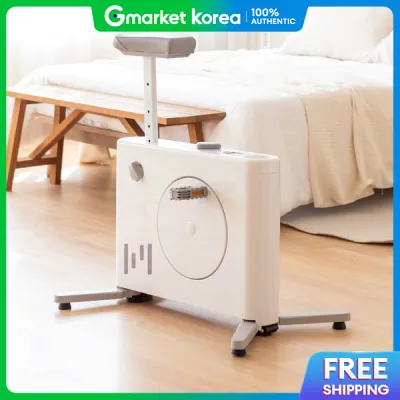
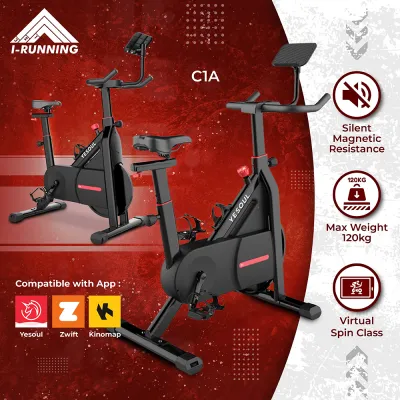
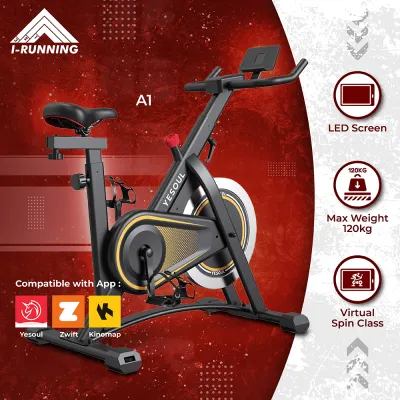
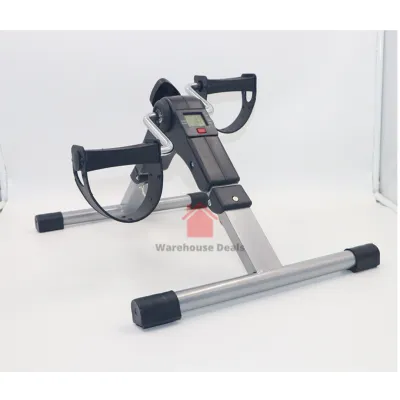
Prices are valid at publication and may change. Please refer to the product page for the latest price.
There is a critical difference between a bike’s static physical footprint and its actual operational clearance. The physical footprint is simply the floor space the metal base stabilizers occupy when the bike is resting. Operational clearance, however, includes the extra space required for you to safely mount and dismount, flare your elbows during intense climbs, and lean forward over the handlebars. Without this clearance, you risk hitting nearby furniture or scraping your walls.
Preserving natural walkways is paramount for household safety and comfort. An indoor bike should never block the primary paths between rooms, corridors, or access to built-in wardrobes and balcony doors. Blocking these pathways not only creates a daily tripping hazard but also violates basic home safety principles by restricting quick exit routes during emergencies.
Comparing Indoor Bike Footprints for Compact Layouts
Different types of indoor bikes vary significantly in their spatial demands. Understanding these differences allows you to choose a form factor that aligns with your specific room layout and workout style.

Upright and Recumbent Bikes
Upright bikes position the rider in a conventional, vertical seating posture. They generally require a moderate footprint, making them suitable for bedroom corners or study rooms. Recumbent bikes, which feature a reclined seat with back support, have a much larger footprint. Because the pedals are positioned in front of the rider rather than directly below, recumbent models often extend 140 cm to 170 cm in length, making them challenging to fit into tight HDB layouts unless you have a dedicated spare room.
Spin and Indoor Cycling Bikes
Spin bikes are designed to mimic outdoor road cycling, requiring the rider to lean forward and occasionally stand up on the pedals. While their base footprint is relatively compact—typically ranging from 110 cm to 130 cm in length—they demand substantial vertical and forward clearance. You must ensure there is enough overhead space for your head when standing, as well as forward clearance so your hands and chest do not press against walls or television screens.
Foldable and Mini/Under-Desk Bikes
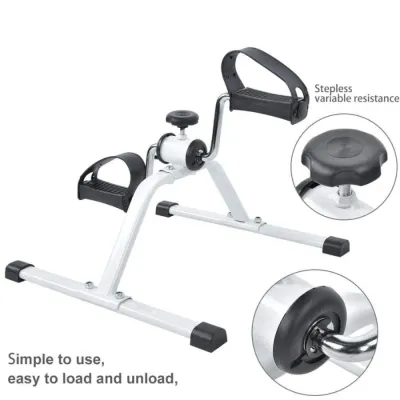
Foldable bikes use a scissor-frame design that allows them to collapse upright, cutting their active floor footprint roughly in half when stored. This makes them highly attractive for shared living areas where floor space must be reclaimed after a workout. Mini or under-desk pedal exercisers omit the frame, handlebars, and seat entirely, consisting only of a pedal block. While they offer the ultimate space-saving footprint, they do not provide the ergonomic support or resistance levels of a full-sized bike.
To help you visualize these differences, the table below outlines the typical dimensions and spatial requirements for each major category of indoor bike. Always check the manufacturer’s official product specifications to verify the exact measurements of your chosen model.
| Bike Type | Typical Footprint Length (cm) | Typical Footprint Width (cm) | Operational Clearance Needed (cm) | Best Suited For |
|---|---|---|---|---|
| Foldable Bike | 70 – 90 | 45 – 55 | +50 on all sides | Multi-purpose living rooms, study rooms |
| Spin / Studio Bike | 110 – 130 | 50 – 60 | +60 on all sides | Dedicated workout corners, spacious bedrooms |
| Upright Bike | 90 – 110 | 50 – 55 | +50 on all sides | Bedrooms, home offices |
| Recumbent Bike | 140 – 170 | 60 – 70 | +60 on all sides | Large living rooms, dedicated gym spaces |
Foldable vs. Fixed-Frame Bikes: Storage and Daily Use
Deciding between a foldable indoor bike and a fixed-frame model requires balancing your workout intensity against your willingness to set up and put away equipment for every session.
Foldable bikes excel at saving space, but they come with structural trade-offs. To allow for folding, these frames utilize hinges and locking pins, which naturally introduce slight flex. Consequently, foldable models generally offer lower structural rigidity, lower maximum weight capacities, and less stability during high-intensity, out-of-saddle pedaling. If you plan on performing aggressive interval training, a foldable frame may feel unstable.
Fixed-frame bikes offer a rock-solid platform with heavy flywheels that simulate real road feel. While they cannot fold, many models are equipped with integrated transport wheels on the front stabilizer bar. This design allows you to tilt the bike forward and roll it out of the way when you finish riding. If you choose a fixed-frame option, verify that the transport wheels are made of a non-marking material to protect your flooring during relocation.
For small apartments, creative storage solutions can make a big difference. Foldable bikes can be rolled into built-in wardrobes, placed behind utility doors, or tucked into utility closets. If you use a mini pedal exerciser, it can easily slide under a bed or sofa. When storing any foldable model, always double-check that the safety locking pins are fully engaged and secure so the frame cannot accidentally spring open and cause injury.
How to Measure and Prepare Your Workout Zone
Before purchasing any indoor bike, taking precise physical measurements of your home prevents costly delivery mistakes and layout headaches.
Start by using a physical tape measure to map out your designated floor area. Do not rely on visual estimation. Be sure to measure from the baseboards or skirting boards rather than the wall itself, as these architectural details can subtract several centimeters from your available space. Factor in the swing path of nearby wardrobe doors, room doors, and drawer units to ensure they can still open fully while the bike is in position.
Next, evaluate your vertical space. This is especially important for taller riders or those planning to use a spin bike. Stand in your designated workout spot and simulate a standing climb to ensure your head clears any ceiling fans, low-hanging light fixtures, or false ceilings. Additionally, if you plan to mount a tablet or monitor to the handlebars, factor this extra height into your measurements.
Consider the practical requirements of your workout environment. Singapore’s tropical climate makes proper ventilation essential; position your bike near a window or directly in the path of a standing fan or air conditioning unit. Ensure there is a safe power outlet nearby if your bike requires electricity for its console or magnetic resistance, avoiding the need to run hazardous extension cords across main walkways. Finally, place a high-density equipment mat on the floor to absorb vibrations and catch sweat.
Do not forget to measure the logistics pathway. Check the widths of your HDB main entrance door, bedroom doors, narrow hallway turns, and the dimensions of your estate’s passenger lift. Many high-quality fixed-frame bikes are delivered partially or fully assembled and are incredibly heavy, making tight corners a major obstacle during delivery.
Common Sizing and Placement Mistakes to Avoid
Avoiding common placement errors ensures a safer, more comfortable workout experience and protects your home from unnecessary wear and tear.
One frequent mistake is ignoring the necessary “swing space” required to get on and off the bike. Squeezing your bike flush against a wall or directly next to a tall bookshelf makes mounting difficult and increases the risk of scraping your shins, knocking over household items, or leaving unsightly black scuff marks on your paintwork.
Placing the bike too close to walls or inside unventilated corners also restricts natural airflow. This not only causes you to overheat quickly but can also trap humid, sweaty air around the bike. Over time, this localized humidity can accelerate the corrosion of steel frames and potentially damage sensitive electronic consoles or flywheels.
Another error is overlooking floor load distribution and surface levelness. HDB floors, while structurally robust, can occasionally feature minor tile unevenness. Operating a heavy, high-speed indoor bike on an uneven surface causes the frame to rock, which accelerates wear on the bike’s internal bearings and can chip or crack floor tiles. Always utilize the adjustable leveling feet on your bike’s stabilizers to ensure it sits perfectly flat.
Finally, avoid buying a bike based solely on its compact folded dimensions if you dislike the physical effort of setting it up. If the process of retrieving, unfolding, locking, and plugging in your bike is too tedious, you are far less likely to use it regularly. For many riders, a slightly larger, permanently placed bike in a dedicated corner is more practical than a foldable model that remains hidden away.
Frequently Asked Questions (FAQ)
Can I keep an indoor bike on an HDB balcony or common corridor?
Keeping an indoor bike on an open HDB balcony is highly discouraged due to Singapore’s high humidity, intense sunlight, and frequent wind-driven rain. Exposure to moisture will quickly rust metal components and destroy electronic consoles, while UV rays can degrade plastic parts and drive belt materials. Common corridors must be kept completely clear of personal fitness equipment; estate by-laws and Singapore Civil Defense Force regulations strictly prohibit obstructing these pathways to ensure safe evacuation during emergencies.
Do I need an equipment mat for typical HDB flooring?
Yes, using a high-density equipment mat is highly recommended for HDB flooring, whether you have vinyl, parquet, laminate, or ceramic tiles. The mat serves three crucial purposes: it protects your flooring from heavy pressure indentations and scratches, prevents highly corrosive sweat from seeping into floor joints, and dampens the vibrations and structural noise generated during high-speed pedaling, ensuring you do not disturb your downstairs neighbors.
Community discussion
Share your experience or ask a question. Comments are reviewed before publication.